The Ultimate Pesto Pasta Recipe: A Creamy, Flavorful Weeknight Dinner
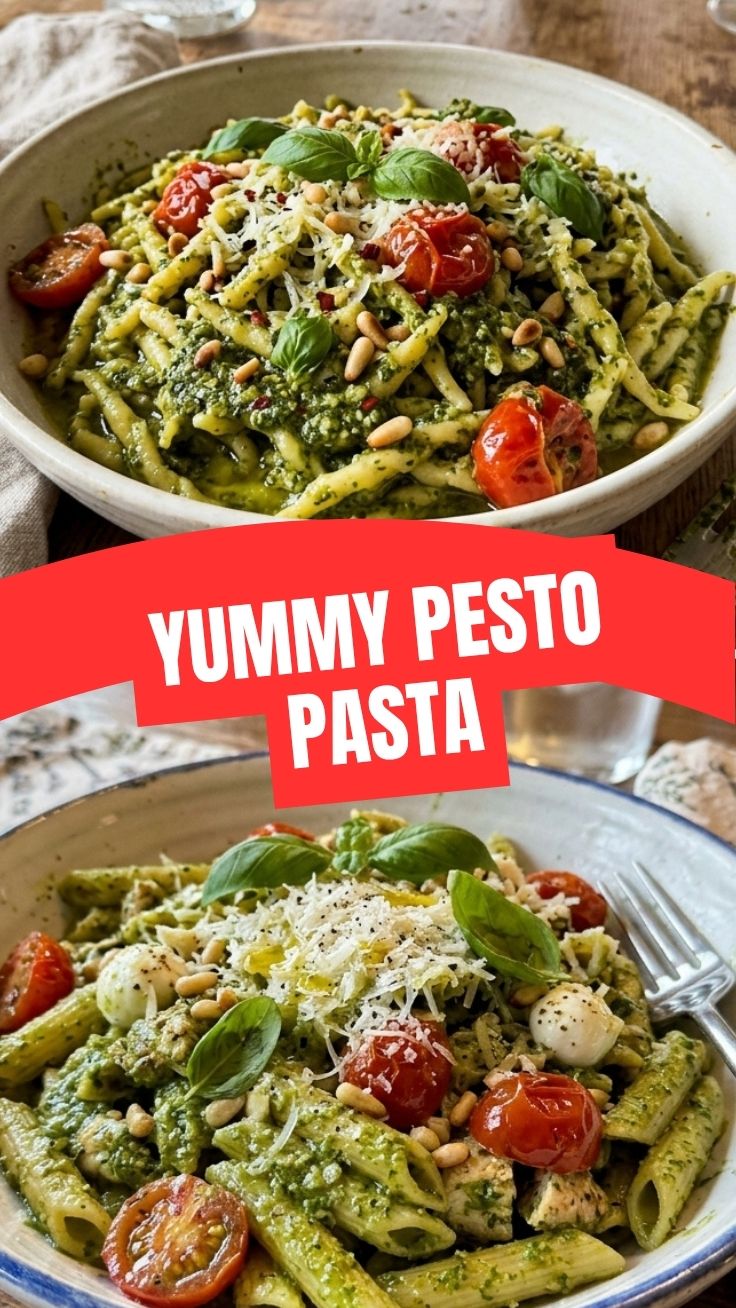
Have you ever wondered why restaurant Pesto Pasta tastes so much brighter and richer than the jarred version? The secret isn’t a fancy kitchen or expensive equipment—it’s the freshness of the basil and the perfect balance of nutty, salty, and herbaceous flavors. Preparing this iconic Italian dish at home not only saves you money but also gives you total control over the quality and customization of your meal. Whether you’re a seasoned home cook or a beginner exploring pasta recipes, this comprehensive guide will walk you through every step to achieve a restaurant-quality bowl of creamy, vibrant pesto pasta.
Ingredients & Kitchen Tools
Ingredients
– Fresh basil leaves (2 cups, packed) – The soul of the sauce; avoid dried basil.
– Pine nuts (1/3 cup) – Toasted for deeper flavor; substitute with walnuts or almonds.
– Parmesan cheese (1/2 cup, freshly grated) – Pre-shredded won’t melt as smoothly.
– Garlic (2–3 cloves) – Use fresh, not pre-minced.
– Extra-virgin olive oil (1/2 cup) – Quality matters; choose a fruity, robust option.
– Salt & black pepper (to taste) – Coarse sea salt is ideal.
– Pasta (12 oz, any shape) – Short shapes like fusilli or penne hold pesto best; spaghetti works too.
Kitchen Tools
– Food processor or blender – Essential for a smooth, emulsified pesto.
– Large pot – For boiling pasta.
– Colander – For draining.
– Wooden spoon or tongs – To toss pasta with sauce.
– Chef’s knife and cutting board – For prepping garlic and cheese.
Prep Time & Cooking Schedule
| Task | Time Required |
|——|—————|
| Prep ingredients (wash basil, peel garlic, grate cheese) | 10 minutes |
| Toast pine nuts | 3 minutes |
| Make pesto (in food processor) | 5 minutes |
| Cook pasta | 8–12 minutes (depending on shape) |
| Toss and serve | 2 minutes |
| Total time | 25–30 minutes |
Pro tip: Start boiling your pasta water while you make the pesto to streamline the process.
Step-by-Step Instructions
1. Toast the pine nuts – In a dry skillet over medium heat, toast pine nuts for 2–3 minutes, shaking frequently, until golden and fragrant. Watch closely – they burn quickly.
2. Make the pesto – In a food processor, combine toasted pine nuts, basil leaves, garlic, and Parmesan. Pulse to chop, then with the motor running, slowly drizzle in olive oil. Process until smooth but still slightly textured. Season with salt and pepper.
3. Cook the pasta – Bring a large pot of generously salted water to a rolling boil. Add pasta and cook until al dente (firm to the bite). Reserve 1 cup of pasta water before draining.
4. Combine and serve – Return drained pasta to the pot. Add 3–4 tablespoons of pesto (adjust to taste) and toss with 1/4 cup reserved pasta water. The starch helps the sauce cling to the noodles. This Pesto Pasta dish comes alive when you perfect the sauce-to-pasta ratio. For more inspiration on other pasta recipes, explore creamy variations that complement the herbaceous notes.
5. Finish – Serve immediately with extra Parmesan and fresh basil on top.
Nutritional Benefits & Advantages
Pesto pasta offers surprising nutritional perks. Fresh basil is packed with vitamin K, antioxidants, and anti-inflammatory compounds. Pine nuts provide healthy monounsaturated fats and magnesium, while olive oil boosts heart health. The moderate protein from Parmesan helps keep you full. This dish is naturally vegetarian and can be made vegan by omitting cheese (use nutritional yeast for umami). Compared to heavy cream-based sauces, pesto is lighter yet equally satisfying.
Tips Variations & Cooking Advice
– Flavor boosts – Add a squeeze of lemon juice for brightness, or a pinch of red pepper flakes for heat.
– Protein additions – Toss in grilled chicken, shrimp, or chickpeas for a heartier meal.
– Dietary swaps – Use gluten-free pasta for celiac needs, or dairy-free pesto (nutritional yeast + vegan Parmesan) for lactose intolerance.
– Nut-free option – Replace pine nuts with sunflower seeds or pepitas.
– Herb blends – Mix basil with spinach or arugula for a milder, greener sauce.
Common Mistakes to Avoid
– Overcooking pesto – Never heat pesto directly on the stove; it turns bitter. Always toss with hot pasta off heat.
– Skipping the pasta water – That starchy liquid is essential for a silky, clingy sauce.
– Undersalting pasta water – Water should taste like the sea; underseasoned pasta leads to bland final dish.
– Using old or wilted basil – Fresh, bright-green leaves yield the best flavor.
– Adding too much garlic – Raw garlic can overpower; start with 2 cloves and adjust.
Storage & Meal Prep Tips
– Refrigeration – Store leftover pesto pasta in an airtight container for up to 3 days. To reheat, add a splash of water or olive oil and microwave in 30-second bursts, stirring between.
– Freezing pesto – Freeze pesto in ice cube trays (covered with a thin layer of olive oil) for up to 3 months. Thaw cubes in the fridge and toss with freshly cooked pasta.
– Avoid freezing cooked pasta – The texture becomes mushy upon thawing. Instead, freeze pesto separately and cook fresh pasta.
Conclusion
Mastering homemade pesto transforms simple ingredients into a masterpiece of flavor and nutrition. By preparing this Pesto Pasta from scratch, you unlock a world of culinary creativity that no jarred sauce can match. Whether you’re exploring new pasta recipes or perfecting a family favorite, the vibrant, herbaceous sauce will elevate your weeknight dinners. I encourage you to try this recipe this week—experiment with add-ins, share your results with friends, and let me know in the comments how it turned out. Your perfect bowl of pesto pasta awaits!
FAQs
1. Can I use dried basil instead of fresh?
No – dried basil lacks the oils and brightness that define pesto. Always use fresh basil for authentic flavor.
2. Why is my pesto bitter?
Bitterness often comes from over-processing basil (it bruises quickly) or using over-toasted pine nuts. Pulse gently and toast nuts only until fragrant.
3. Can I make pesto without a food processor?
Yes! Use a mortar and pestle for a more rustic texture. Finely chop basil, then grind with pine nuts, garlic, and cheese before drizzling in oil.
4. How do I prevent pasta from sticking?
Toss cooked pasta immediately with pesto and reserved pasta water. If serving later, coat with a little olive oil before adding sauce.
5. Is pesto pasta suitable for meal prep?
Pesto keeps well in the fridge but best stored separately from pasta. Toss freshly cooked pasta with pesto only when ready to serve for optimal texture.
Pesto Pasta
Ingredients
Equipment
Method
- Boil a large pot of salted water and cook the pasta according to package directions until al dente.
- While the pasta is cooking, toast the pine nuts in a dry pan over medium heat until golden brown.
- Drain the pasta, reserving about half a cup of the pasta water.
- In a large bowl, combine the cooked pasta, pesto, halved cherry tomatoes, toasted pine nuts, and grated Parmesan cheese.
- Add a splash of the reserved pasta water to achieve a creamy consistency, then drizzle with olive oil and season with salt and pepper to taste.
- Garnish with fresh basil leaves and serve immediately.