The Ultimate Guide to Authentic Cacio e Pepe: A Roman Classic Made Simple
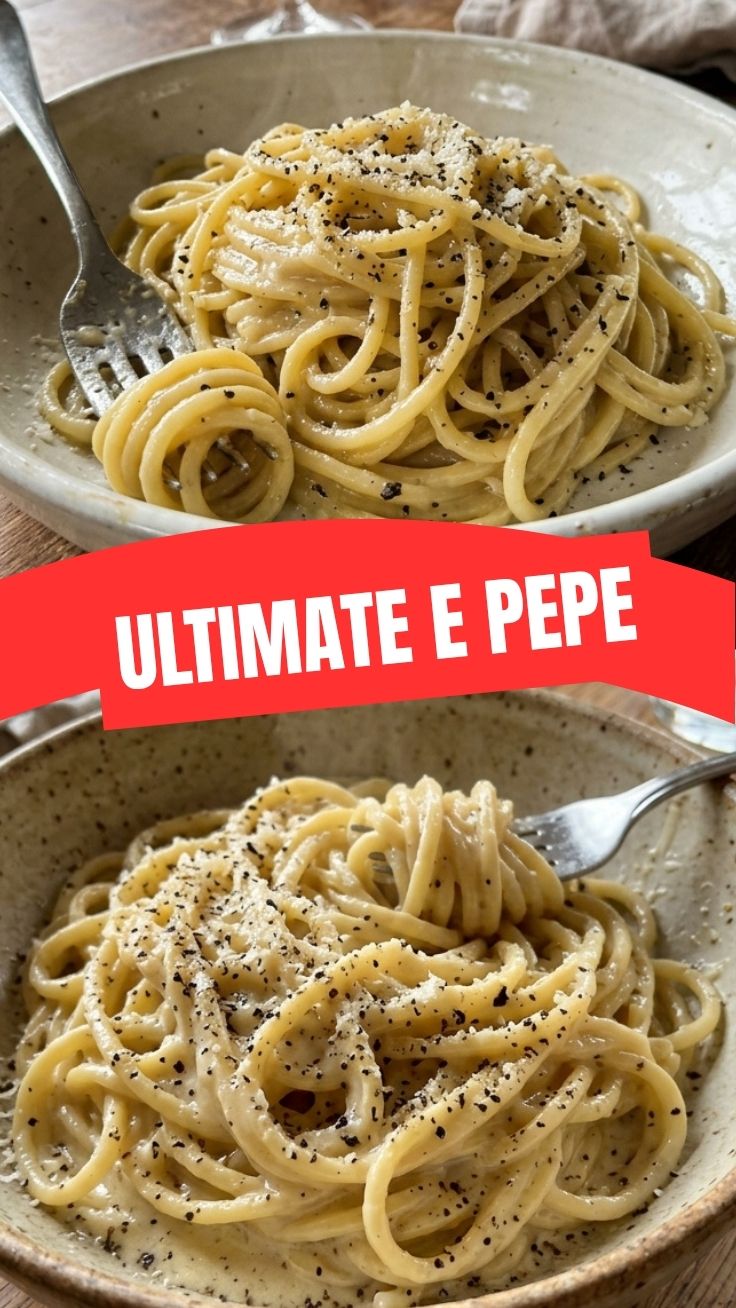
Have you ever wondered why Cacio e Pepe tastes so much better in Rome than anywhere else? The secret isn’t a hidden ingredient—it’s technique. This iconic Roman pasta, with just three components (pasta, Pecorino Romano, and black pepper), can easily turn into a clumpy, greasy mess if you don’t understand the science behind it. But once you master the method, you’ll never order takeout again. Making authentic Cacio e Pepe at home saves you money, impresses dinner guests, and connects you to centuries of Italian pasta recipes that celebrate simplicity. In this guide, I’ll walk you through every step—from choosing the right cheese to nailing that silky, emulsified sauce—so you can enjoy restaurant-quality pasta in under 20 minutes.
Ingredients & Kitchen Tools
Pasta
– Spaghetti (or tonnarelli, bucatini): 200g (7 oz). Traditional Roman recipes use tonnarelli or bucatini, but spaghetti works beautifully. Look for bronze-die extruded pasta for better sauce adhesion.
Cheese
– Pecorino Romano (aged, not fresh): 1½ cups (150g) finely grated. True Pecorino Romano DOP is salty, sharp, and essential. Avoid pre-shredded versions—they contain anti-caking agents that prevent melting. Parmesan is not a substitute; it’s less sharp and won’t emulsify the same way.
Spice
– Whole black peppercorns: 2 teaspoons (about 8g), freshly ground. Coarse ground pepper gives texture and flavor. Pre-ground pepper loses potency and can become bitter.
Kitchen Tools
– Large pot for pasta
– Colander
– Large skillet or sauté pan
– Microplane or fine grater (for cheese)
– Pepper grinder or mortar and pestle
– Tongs
– Heatproof measuring cup (to reserve pasta water)
Optional substitutions: For a dairy‑free version, use aged cashew-based cheese (texture may differ). Gluten‑free pasta works if you choose a long, sturdy variety like chickpea or brown rice spaghetti.
Prep Time & Cooking Schedule
– Prep time: 5 minutes (grate cheese, grind pepper)
– Cook time: 8–12 minutes (depending on pasta type)
– Resting time: 1 minute (off heat while finishing sauce)
– Total time: 15–20 minutes
Plan your workflow: Start boiling water immediately. While pasta cooks, grate cheese and toast pepper. The entire process is fast, so have all ingredients within arm’s reach. No waiting around—this dish rewards focus.
Step-by-Step Instructions
1. Boil the pasta water. Fill a large pot with 4 quarts of water. Yes, only 4 quarts—less water = more starch concentration, which helps the sauce emulsify. Do not salt the water! Pecorino Romano is already very salty.
2. Toast the black pepper. In a large skillet over medium heat, add the freshly ground pepper. Toast for 1–2 minutes until fragrant (you’ll smell a warm, piney aroma). Remove from heat and set aside. This mellows the pepper’s raw bite.
3. Cook the pasta. Drop your spaghetti into the boiling water and cook until al dente (follow package time, usually 8–10 minutes). Reserve 1½ cups of pasta water before draining. This starchy water is the secret weapon for a creamy sauce.
4. Start the emulsion. Return the skillet with the toasted pepper to medium heat. Add ½ cup of the reserved pasta water. Bring to a gentle simmer. Stir to release any pepper bits.
5. Transfer pasta to skillet. Using tongs, lift the al dente pasta directly into the skillet. Do not drain completely—allow some water to cling to the noodles. Toss the pasta in the peppery water for about 30 seconds.
6. Mount the sauce. Remove the skillet from heat. Sprinkle in half the grated Pecorino Romano while tossing vigorously with tongs. As the cheese melts, add more pasta water (2 tablespoons at a time) and continue tossing. The sauce will look thin at first—keep tossing. This is the critical moment: the emulsion forms when the fat from the cheese, the starch from the pasta water, and the heat combine.
7. Finish with remaining cheese. Once the sauce coats the pasta like a silky blanket (not watery, not clumpy), add the rest of the cheese. Toss again. If the sauce becomes too thick, add a splash of warm pasta water. If it’s too thin, increase heat slightly while tossing for a few seconds.
8. Plate immediately. Twirl each serving onto a warm plate. Top with an extra crack of fresh black pepper and a light dusting of reserved cheese. Serve right away—Cacio e Pepe waits for no one.
> Temperature control tip: Never let the skillet get too hot after adding cheese. High heat will break the emulsion, turning it into a greasy mess. Always work off-heat or on very low heat.
This technique is essential for mastering any classic Cacio e Pepe and other traditional Italian pasta recipes that rely on cheese emulsions. Consistent practice builds intuition for the right consistency.
Nutritional Benefits & Advantages
Cacio e Pepe is surprisingly nutrient-dense. Pecorino Romano is packed with calcium (about 33% of the daily value per 30g serving), protein, and vitamin A. Black pepper contains piperine, which enhances nutrient absorption and has anti-inflammatory properties. The pasta provides complex carbohydrates for energy.
Compared to cream-based sauces, this dish is lower in fat and free from additives. A typical serving (200g pasta + 50g cheese) contains approximately 550–600 calories, 22g protein, and 18g fat. The high-quality protein from the cheese also promotes satiety. Plus, you control the sodium—use less cheese or unsalted pasta water if needed.
Tips Variations & Cooking Advice
– Flavor twist: Add a teaspoon of minced garlic to the toasted pepper for a subtle aromatic note.
– Pasta swap: Tonnarelli (square-spaghetti) or bucatini (hollow spaghetti) elevate the dish. Also try fettuccine or rigatoni.
– Dairy‑free: Use a nutritional yeast + raw cashew cream mixture (soak cashews 4 hours, blend with water, lemon, and miso). The texture won’t be identical but still delicious.
– Gluten‑free: Choose lentil or chickpea pasta; they hold starch well. Cook slightly beyond al dente.
– Extra heat: Add red pepper flakes along with black pepper.
– Portion changes: Scale up by 1.5x but never double—the emulsion is harder to control with larger quantities.
Advanced tip: Reserve the pasta water in a glass measuring cup; if it cools down, reheat it in the microwave before adding to the sauce. Cold water destroys the emulsion.
Common Mistakes to Avoid
1. Using pre-shredded cheese. Anti-caking agents prevent smooth melting. Always grate fresh from a block.
2. Salting the pasta water. Your Pecorino is already salty. Taste the final dish before adding salt.
3. Draining pasta completely. You need the starchy water clinging to the noodles to start the emulsion.
4. Overheating the pan. Cheese proteins seize and separate above 150°F (65°C). Always work off heat.
5. Skipping the pepper toast. Raw ground pepper can be harsh and lack depth. Toasting unlocks essential oils.
6. Using too little water in the skillet. The emulsion needs enough liquid to distribute the cheese. Start with ½ cup, then add more.
Storage & Meal Prep Tips
Cacio e Pepe does not store well—the sauce congeals and separates when cooled. If you have leftovers, store in an airtight container in the refrigerator for up to 2 days.
Reheating: Place the pasta in a skillet with a splash of water or milk. Warm over low heat while tossing gently. The sauce may revert but will still taste good. Avoid microwaving (texture becomes rubbery).
Freezing: Not recommended. The emulsion breaks completely upon thawing, leaving a greasy mess.
Meal prep hack: Prep the components separately. Grate cheese and grind pepper up to 2 days ahead. Cook pasta fresh. You can also toast pepper in bulk and store in an airtight jar for a month.
Conclusion
Mastering Cacio e Pepe is a rite of passage in the world of Italian pasta recipes. With just three ingredients and the right technique, you can recreate that Roman magic in your own kitchen. Focus on quality cheese, starchy pasta water, and careful temperature control. Remember: the sauce should be creamy, not clumpy; silky, not greasy. Once you nail it, serve it proudly—and maybe pair it with a crisp white wine and a simple arugula salad.
I’d love to hear how yours turns out. Share your results in the comments below, tag me on social media, or explore our library of classic pasta recipes. Buon appetito!
FAQs
1. Can I use Parmesan cheese instead of Pecorino?
Parmesan is less sharp and lower in fat, so the sauce will be thinner and less flavorful. If you must substitute, use a 50/50 mix of Parmesan and Pecorino. Avoid Grana Padano for the same reason.
2. Why did my sauce turn into a clumpy mess?
Two common culprits: (a) the pan was too hot when you added cheese, causing proteins to seize; (b) you used pre-shredded cheese with anti-caking agents. Next time, work off heat and add cold pasta water gradually.
3. How much pasta water should I reserve?
Reserve at least 1½ cups for 200g pasta. If you need more after the sauce is done, you can always add hot water from a kettle.
4. Can I make Cacio e Pepe with fresh pasta?
Fresh pasta (egg-based) is less starchy and may not emulsify as well. If you try it, cook the fresh pasta briefly and use 3 tablespoons of cornstarch dissolved in water to boost starch if needed.
5. Is Cacio e Pepe vegetarian?
Yes, authentic Pecorino Romano uses lamb rennet, which is not vegetarian. Look for a vegetarian Pecorino Romano (made with microbial rennet) if required. Most imported Italian brands still use animal rennet, so check the label.
6. How do I scale the recipe for a crowd?
Make a maximum of 2 batches separately. Never double in one pot—the emulsion becomes nearly impossible to control. Prep all ingredients and work quickly.
Proven way to grow 6 perfect Cacio e Pepe
Ingredients
Equipment
Method
- Bring a large pot of salted water to a rolling boil for the spaghetti.
- While the water heats, toast the freshly cracked black peppercorns in a large skillet over medium heat until fragrant, then remove half for garnish.
- Add spaghetti to the boiling water and cook according to package instructions until al dente, reserving one cup of pasta water before draining.
- Add a ladle of the reserved pasta water to the skillet with the remaining peppercorns and bring to a gentle simmer.
- Gradually whisk the finely grated Pecorino Romano cheese into the skillet, adding more pasta water as needed to create a smooth, creamy sauce.
- Add the drained spaghetti to the skillet and toss vigorously with tongs, coating it evenly with the Cacio e Pepe sauce; add extra pasta water if the sauce is too thick.
- Serve immediately, garnished with the reserved cracked black peppercorns and an additional sprinkle of Pecorino Romano cheese if desired.