Mastering Restaurant-Quality BBQ Ribs at Home: A Comprehensive Guide
Ever wondered how top restaurants achieve those fall-off-the-bone, flavor-packed BBQ Ribs that leave you craving more? The secret isn’t just a special rub or a fancy smoker; it’s a combination of technique, patience, and a dash of passion. This guide will demystify the art of grilling perfect ribs in your own backyard, transforming you from a novice to a pitmaster. Preparing exquisite BBQ ribs at home offers not only a deeply satisfying culinary experience but also significant savings compared to dining out. You get to control every ingredient, tailoring this beloved dish to your exact preferences, ensuring a memorable meal every time. Let’s dive into creating succulent, tender, and incredibly flavorful BBQ ribs that will impress your family and friends.
Ingredients & Kitchen Tools
Crafting the perfect rack requires the right components and equipment.
Ribs: 2-3 racks of St. Louis style or baby back ribs (approx. 2-3 lbs each). St. Louis style offers more meat; baby backs are leaner and cook faster.*
Dry Rub: Your favorite store-bought or homemade blend (paprika, brown sugar, garlic powder, onion powder, chili powder, salt, black pepper recommended). This foundational layer builds flavor.*
BBQ Sauce: 1-2 cups of your preferred BBQ sauce. Sweet, tangy, or spicy—the choice is yours!*
Apple Cider Vinegar: 1/2 cup (for spritzing). Adds moisture and a subtle tang.*
Apple Juice (Optional): 1/2 cup (for spritzing). Enhances moisture and sweetness.*
Yellow Mustard (Optional): 2 tbsp (as a binder for the rub). Helps the rub adhere to the meat.*
Foil or Butcher Paper: Heavy-duty aluminum foil or peach butcher paper. Essential for the wrapping stage.*
Grill: Charcoal or gas grill with a lid. For consistent heat and smoke.*
Meat Thermometer: Instant-read thermometer. Crucial for checking internal temperature safely.*
Tongs: Long-handled grilling tongs. For safe handling of hot ribs.*
Spray Bottle: For spritzing. Ensures even moisture distribution.*
Sharp Knife: For portioning ribs. Clean cuts prevent tearing the meat.*
Cutting Board: Large, sturdy cutting board. For prep and serving.*
Prep Time & Cooking Schedule
- Prep Time: 20-30 minutes (includes membrane removal and rub application).
- Marinating Time: Minimum 2 hours, ideally overnight (optional, but highly recommended for deeper flavor).
- Cooking Time: 4-6 hours (depending on rib type, grill temperature, and desired tenderness).
Resting Time: 15-20 minutes after cooking. Allows juices to redistribute for maximum tenderness.*
This schedule is designed for a low-and-slow approach, which is key to tender, juicy ribs. Plan to start your cook well in advance of mealtime.
Step-by-Step Instructions
Follow these steps to achieve exceptional BBQ Ribs every time.
1. Prepare the Ribs: Remove the membrane from the back of each rib rack. This tough layer prevents the rub and smoke from penetrating and results in a chewier texture. Use a butter knife to lift an edge, then grip with a paper towel and pull it off. Trim any excess fat.
2. Apply the Dry Rub: If using, spread a thin layer of mustard on both sides of the ribs. Generously apply your chosen dry rub, ensuring full coverage. Pat it down gently. For best results, allow the ribs to marinate in the refrigerator for at least 2 hours, or overnight, to let the flavors meld.
3. Set Up Your Grill: For grilling, aim for an indirect heat setup between 225-275°F (107-135°C). For charcoal, bank coals to one side. For gas, light burners on one side only. Add wood chips (hickory, apple, or cherry) for smoke flavor, soaking them first if desired.
4. Smoke (Phase 1 – The “Smoke”): Place the ribs bone-side down on the cooler side of the grill, away from direct heat. Close the lid and maintain the temperature. Smoke for 2-3 hours, spritzing with apple cider vinegar or apple juice every 45 minutes to an hour to keep them moist.
5. Wrap (Phase 2 – The “Crunch”): After the smoking phase, the ribs should have developed a nice bark and pulled back slightly from the bones. Lay two large sheets of heavy-duty foil (or butcher paper) on your cutting board. Place a rib rack meat-side down on the foil. Add a splash of apple cider vinegar, apple juice, or a little BBQ sauce inside the foil packet. Tightly wrap the ribs, ensuring no steam escapes. Return wrapped ribs to the grill, maintaining the same temperature, for another 1-2 hours. This steaming process tenderizes the meat significantly.
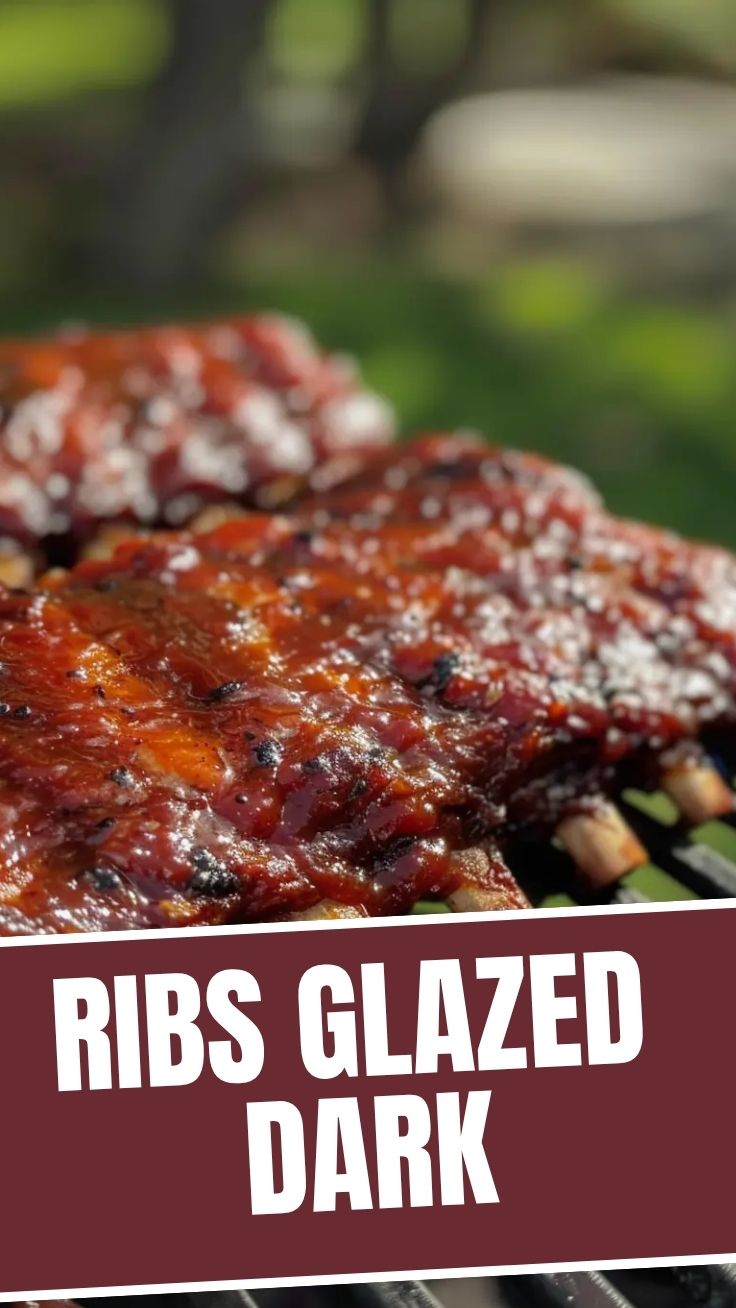
6. Sauce (Phase 3 – The “Sauce”): Carefully unwrap the ribs (watch out for hot steam!). Baste them generously with BBQ sauce on both sides. Place them back on the grill, unwrapped, for 30-60 minutes, or until the sauce caramelizes and sets. For extra stickiness, baste again after 15-20 minutes.
7. Rest and Serve: Once the ribs reach an internal temperature of 195-203°F (90-95°C) and pass the “bend test” (meat easily tears when lifted with tongs), remove them from the grill. Let them rest for 15-20 minutes before slicing into individual ribs. This crucial step ensures juicy results.
Nutritional Benefits & Advantages
Ribs, particularly pork, are a good source of protein, essential for muscle repair and growth. They also provide B vitamins (like B12 and niacin) that are vital for energy metabolism, and minerals such as phosphorus and zinc. While often considered indulgent, consuming them in moderation as part of a balanced diet can be beneficial. Preparing them at home allows you to control sodium and sugar levels in rubs and sauces, avoiding the hidden additives often found in commercially prepared versions.
Tips, Variations & Cooking Advice
- Flavor Profiles: Experiment with different dry rubs (sweet, spicy, herbaceous) and BBQ sauces (Carolina-style mustard-based, Kansas City rich and sweet, Texas smoky).
- Wood Smoke: The type of wood chips or chunks you use dramatically impacts flavor. Hickory offers a strong, classic BBQ flavor; apple and cherry provide a milder, fruitier smoke.
- Sugar Content: Be mindful of sugar in rubs and sauces. High sugar content can burn easily at higher temperatures, leading to a bitter crust.
- Doneness Test: Besides temperature, the “bend test” (lifting a rack from one end – if it bends significantly and the meat cracks, it’s done) and the “toothpick test” (a toothpick slides into the meat with little resistance) are great indicators of tenderness.
- Oven Method: No grill? No problem! You can achieve tender ribs in your oven. Follow the same prep, smoke (skip the actual smoke), wrap sequence, maintaining 275°F (135°C), then finish under the broiler or at a higher temp to caramelize the sauce.
Common Mistakes to Avoid
- Not Removing the Membrane: This is the cardinal sin of rib cooking. It results in tough, chewy ribs.
- High Heat Cooking: Ribs thrive on low and slow heat. High temperatures will dry them out and make them tough.
- Over-Saucing Too Early: Applying sugary BBQ sauce too early in the cook can lead to burnt sauce before the ribs are tender.
- Opening the Grill Too Often: “If you’re lookin’, you ain’t cookin’!” Each time you open the lid, you lose heat and smoke, extending cooking time.
- Not Resting the Ribs: Just like a steak, ribs need to rest. Skipping this step leads to drier ribs as juices escape when cut immediately.
Storage & Meal Prep Tips
Leftover ribs can be a delicious next-day meal! Store cooked ribs in an airtight container in the refrigerator for up to 3-4 days. For longer storage, freeze ribs in an airtight bag or container for up to 3 months. When reheating from the fridge, wrap in foil and warm in a 250°F (120°C) oven until heated through. For frozen ribs, thaw overnight in the refrigerator before reheating. Reheating slowly helps maintain moisture and flavor.
Conclusion
Mastering the art of cooking BBQ Ribs at home is a rewarding culinary journey that promises incredibly satisfying results. By following these detailed steps, understanding the nuances of low-and-slow grilling, and avoiding common pitfalls, you can consistently produce tender, flavorful ribs that rival any restaurant. Don’t be afraid to experiment with rubs and sauces to find your signature flavor profile. We encourage you to try this recipe, share your impressive results with us, and explore the endless possibilities of homemade BBQ. Happy grilling!
FAQs
Q1: How do I know when my ribs are done?
A1: The best indicators are an internal temperature of 195-203°F (90-95°C), the “bend test” where the meat easily cracks when lifted, and the “toothpick test” where a toothpick slides into the thickest part of the meat with little resistance.
Q2: Can I use different types of ribs?
A2: Yes, this method works for both St. Louis style and baby back ribs. Baby back ribs typically cook faster due to their smaller size and leaner meat, so adjust cooking times accordingly.
Q3: What if I don’t have a smoker?
A3: You can achieve excellent results on a gas or charcoal grill using an indirect heat setup. You can also use wood chips in a smoker box or foil pouch to generate smoke flavor. For indoor cooking, an oven can be used for the majority of the cook, finishing with a broiler for charring.
Q4: My ribs came out tough. What went wrong?
A4: Tough ribs are usually a sign of not cooking them long enough or not cooking them at a low enough temperature. Ensure you’ve removed the membrane and allowed sufficient time for the connective tissues to break down.
Q5: How can I prevent my BBQ sauce from burning?
A5: Apply BBQ sauce only during the final stage of cooking (the last 30-60 minutes). This allows it to caramelize without burning. If your sauce is very high in sugar, consider diluting it slightly with apple cider vinegar or water, or use a lower sugar alternative.
Quick way to grow 3 BBQ RibsBBQ Ribs
Ingredients
Equipment
Method
- Preheat your oven or grill to 275°F (135°C). Remove the membrane from the back of the ribs.
- Generously season the ribs on all sides with your favorite BBQ rub.
- Place the seasoned ribs on a baking sheet or grill.
- Cook for approximately 2 hours, or until tender.
- During the last 30 minutes, baste the ribs with BBQ sauce every 10 minutes.
- Remove the ribs from the heat and let them rest for 10 minutes before slicing and serving.