The Ultimate Guide to Juicy, High-Protein Grilled Chicken Recipes That Never Dry Out
Are you tired of bland, dry chicken breasts that taste more like cardboard than a satisfying meal? You’re not alone. Many home cooks struggle to achieve that perfect balance of tenderness, flavor, and protein density. That’s exactly why mastering high protein grilled chicken recipes at home is a game-changer for your weekly meal prep. Not only do you control the quality of ingredients, but you also save money and avoid hidden additives found in restaurant versions. And the secret weapon? Exceptional grilled chicken marinades that infuse moisture and depth into every bite. In this post, I’ll walk you through a foolproof method that guarantees restaurant-quality results every time, using data-backed techniques and practical tips.
Ingredients & Kitchen Tools
Main Ingredients
– Boneless, skinless chicken breasts (1.5 lbs) – High in lean protein (about 45g per serving). Look for uniform thickness (0.5–0.75 inch) for even cooking.
– Olive oil (3 tbsp) – Adds moisture and helps spices adhere. Substitute with avocado oil for a neutral flavor.
– Fresh lemon juice (2 tbsp) – Tenderizes the meat naturally. Bottled works but fresh is brighter.
– Garlic cloves (4, minced) – Boosts savory depth. Use 1 tsp garlic powder if fresh is unavailable.
– Smoked paprika (1 tsp) – Provides smoky aroma and color. Regular paprika works but isn’t as rich.
– Dried oregano (1 tsp) – Classic Mediterranean note. Swap with thyme or rosemary.
– Salt & black pepper (to taste) – Essential for seasoning; use kosher salt for better adherence.
Marinade Base (for the related keyword)
– Plain Greek yogurt (¼ cup) – Contains enzymes that tenderize without making chicken mushy. Dairy-free: use coconut yogurt.
– Apple cider vinegar (1 tbsp) – Adds tang and helps break down fibers. White vinegar is a fine substitute.
Kitchen Tools
– Grill or grill pan – Outdoor charcoal/gas grill gives char; indoor cast-iron grill pan works well.
– Meat mallet or rolling pin – For pounding chicken to even thickness (prevents dry edges).
– Instant-read thermometer – Critical for doneness: 165°F (74°C) at thickest part.
– Mixing bowls, tongs, brush – For marinating, flipping, and oiling grates.
Prep Time & Cooking Schedule
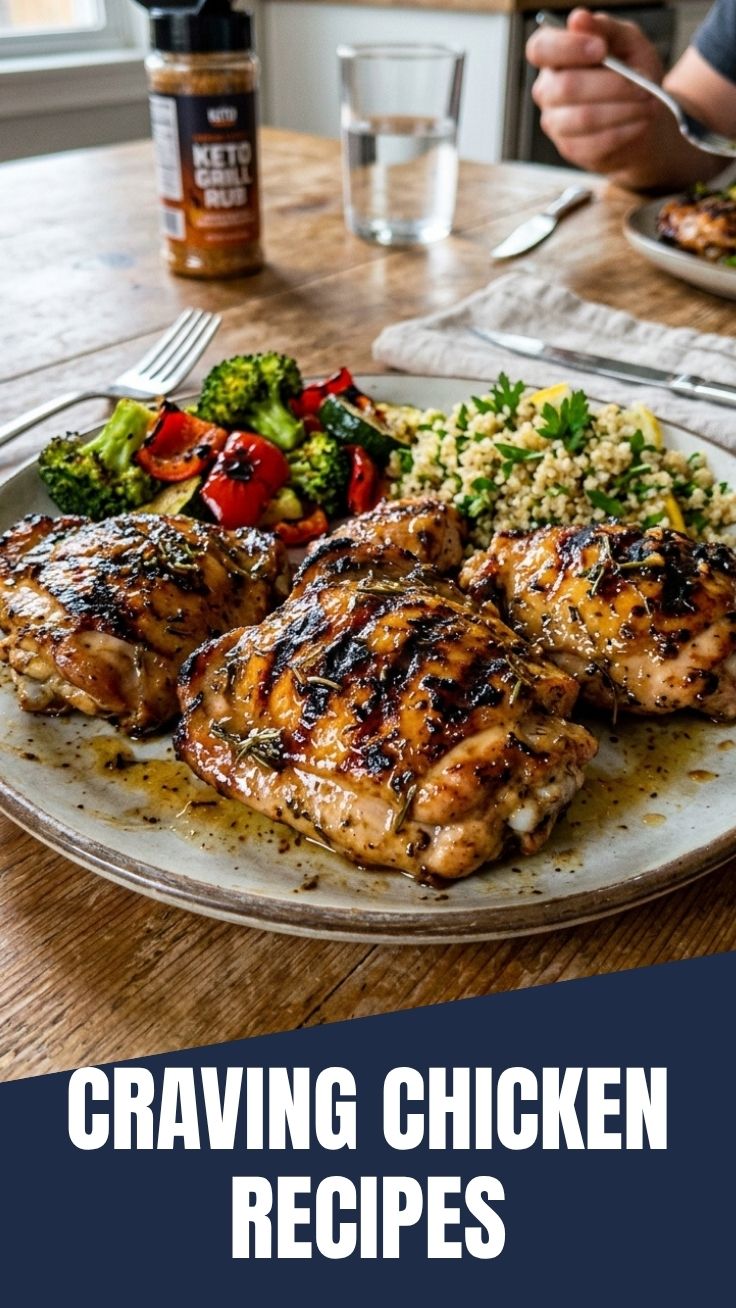
– Marinating time: 30 minutes minimum (up to 4 hours for deeper flavor). Do not exceed 8 hours or the acid may break down the meat into a mushy texture.
– Prep time: 10 minutes (pounding, mixing marinade).
– Cooking time: 8–12 minutes total (4–6 minutes per side over medium-high heat).
– Resting time: 5 minutes (mandatory to redistribute juices).
Why it matters: Planning ahead means you can marinate while prepping other dishes. The total active time is under 20 minutes, making this ideal for busy weeknights. For weekend meal prep, double the batch and freeze the raw marinated chicken for later.
Step-by-Step Instructions
1. Prepare the chicken: Place each breast between two sheets of plastic wrap and pound to even ½-inch thickness. This ensures uniform cooking and prevents burnt edges.
2. Mix the marinade: In a bowl, combine olive oil, lemon juice, minced garlic, smoked paprika, oregano, salt, pepper, Greek yogurt, and apple cider vinegar. This is where you’ll create one of the best grilled chicken marinades – the yogurt adds richness without overpowering the meat.
3. Marinate: Add chicken to the bowl, coat thoroughly, cover, and refrigerate for at least 30 minutes. For even more flavor, let it sit for 2–4 hours.
4. Preheat the grill: Heat to medium-high (400–450°F). Oil the grates using a paper towel dipped in oil and tongs to prevent sticking.
5. Grill: Place chicken on the grill at a 45-degree angle for crosshatch marks. Cook 4–6 minutes without moving. Flip, cover, and cook another 4–6 minutes. Use the thermometer – the internal temperature should be 165°F.
6. Rest: Transfer chicken to a cutting board, tent with foil, and let rest for 5 minutes. Slice against the grain for maximum tenderness.
Pro tip: If you’re looking for more variety, explore these high protein grilled chicken recipes that use similar techniques but different flavor profiles – like Southwest Chicken Salad or Mediterranean bowls – all starting with a solid marinade foundation.
Nutritional Benefits & Advantages
A single 6-ounce grilled chicken breast delivers roughly 42 grams of protein with only 4 grams of fat and zero carbohydrates – making it a top choice for muscle recovery, weight management, and sustained energy. The marinade’s Greek yogurt provides probiotics (if using dairy) and calcium, while lemon juice boosts vitamin C and aids iron absorption. Compared to fried alternatives, grilling reduces added fats and caramelizes natural sugars without extra calories. Additionally, the use of herbs like oregano offers antioxidant and anti-inflammatory benefits.
Tips, Variations & Cooking Advice
– Flavor twists: Swap smoked paprika for chipotle powder (smoky-spicy) or add ginger-soy for an Asian twist. Use orange juice instead of lemon for a sweeter citrus note.
– Ingredient swaps: Try chicken thighs (more forgiving, higher fat) or turkey cutlets. For dairy-free, replace yogurt with mashed avocado or coconut cream.
– Cooking method: If grilling outdoors isn’t possible, use an air fryer at 375°F for 10–12 minutes, flipping halfway. Or bake at 400°F for 18–20 minutes.
– Portion adaptation: Meal prep by slicing the cooked chicken and storing with quinoa or roasted veggies. Add a squeeze of lemon before serving to revive flavor.
Common Mistakes to Avoid
– Overcooking: The #1 culprit. Use a thermometer – don’t rely on color alone. Chicken can look done but still be dry.
– Skipping the rest period: Cutting immediately causes juices to spill out, leaving meat dry. Rest at least 5 minutes.
– Marinating too long: More than 8 hours with acidic ingredients (lemon, vinegar) can break down proteins excessively, resulting in a mushy texture.
– Not oiling the grates: Without oil, skinless chicken sticks and tears. Always oil before placing meat.
– Overcrowding the grill: Too many pieces lower the temperature, steaming instead of searing. Leave space between each breast.
Storage & Meal Prep Tips
– Refrigeration: Store leftover grilled chicken in an airtight container for up to 4 days. Keep it whole or sliced to prevent moisture loss.
– Freezing: Wrap individual portions in plastic wrap then foil or use freezer-safe bags. Vacuum-sealed stays fresh for 3 months. Thaw overnight in the fridge.
– Reheating: To retain juiciness, reheat in a skillet over medium heat with a splash of chicken broth or water, covered, for 2–3 minutes per side. Alternatively, microwave on 50% power in short bursts. Avoid high heat which dries it out.
Conclusion
Mastering perfectly grilled chicken is about understanding the interplay of heat, acidity, and rest. With the step-by-step method above, you now have a reliable template for creating high protein grilled chicken recipes that are both nutritious and delicious. Remember, the best grilled chicken marinades are the ones that work with your schedule – whether you have 30 minutes or 4 hours, the key is consistency and using a thermometer. Try this recipe tonight, and don’t forget to share your results or tag a friend who needs to up their chicken game!
FAQs
1. Can I use frozen chicken for this recipe?
Yes, but thaw it completely in the fridge first (24 hours). Partially frozen chicken will cook unevenly and won’t absorb marinade well.
2. How do I prevent chicken from sticking to the grill?
Make sure the grates are clean and well-oiled before preheating. Also, don’t flip too early – the chicken will release naturally once seared.
3. What if I don’t have a thermometer?
Cook for 5–6 minutes per side over medium-high heat, then do the “press test”: the chicken should feel firm with a slight spring. If it’s still jiggly, cook longer. For safety, cut into the thickest part – juices should run clear.
4. Can I prepare the marinade in advance?
Absolutely. Mix dry spices with oil and vinegar up to 2 days ahead. Add yogurt just before using to keep it fresh.
5. My chicken came out dry even though I followed the steps – what went wrong?
Likely overcooked or pounded too thin. Aim for ½-inch thickness and check temperature at 5 minutes per side. Also, ensure your marinade includes a fat (oil) and an acid (lemon) in proper balance – too much acid can also cause dryness.
Proven Way to Grow 7 High Protein Grilled Chicken Recipes
Ingredients
Equipment
Method
- Pat chicken breasts dry with paper towels; this helps create a better sear.
- Prepare 7 different marinades, one for each chicken breast, using a variety of herbs, spices, and liquids.
- Place each chicken breast in a separate resealable bag or shallow dish with its marinade, ensuring the chicken is fully coated.
- Refrigerate the marinating chicken for at least 30 minutes, or preferably 2-4 hours, to allow flavors to penetrate.
- Preheat your grill to medium-high heat (about 200°C or 400°F) and lightly oil the grates to prevent sticking.
- Grill chicken breasts for 6-8 minutes per side, or until a thermometer inserted into the thickest part reads 74°C (165°F).
- Remove chicken from the grill and let it rest for 5 minutes before slicing, which allows juices to redistribute for a tender result.