Beat the Heat: High Protein Summer Salads That Keep You Full & Energized
Are you tired of heavy, greasy meals that leave you feeling sluggish in the summer heat? The solution is simpler than you think: a refreshing high protein summer salads recipe that you can toss together in minutes. Preparing these vibrant bowls at home not only saves money but also gives you total control over quality ingredients and flavor balance. This steakhouse-inspired potato salad is packed with lean protein and fresh crunch—a complete meal that stands up to the warm weather without weighing you down.
Ingredients & Kitchen Tools
For the Salad Base
– 2 lbs baby potatoes – Creamy, waxy variety holds shape well after boiling
– 1 lb grilled sirloin steak – Thinly sliced; provides rich, savory protein (or substitute with vegan high protein salads using chickpeas for plant-based option)
– 4 hard-boiled eggs – Chopped; adds extra protein and creamy texture
– 1 cup chopped celery – Crisp, refreshing crunch with mild peppery flavor
– ½ cup diced red onion – Sharp bite mellows when tossed with dressing
For the Creamy Dressing
– ¾ cup plain Greek yogurt – Tangy, thick base (substitute with dairy-free yogurt for a vegan version)
– 2 tbsp Dijon mustard – Adds depth and emulsifies the dressing
– 1 tbsp apple cider vinegar – Brightens flavors and helps tenderize potatoes
– 2 tbsp fresh dill – Herby, cooling summer flavor
Kitchen Essentials
– Large pot for boiling potatoes
– Sharp knife and cutting board
– Mixing bowls (one large, one medium)
– Whisk
– Colander for draining
Prep Time & Cooking Schedule
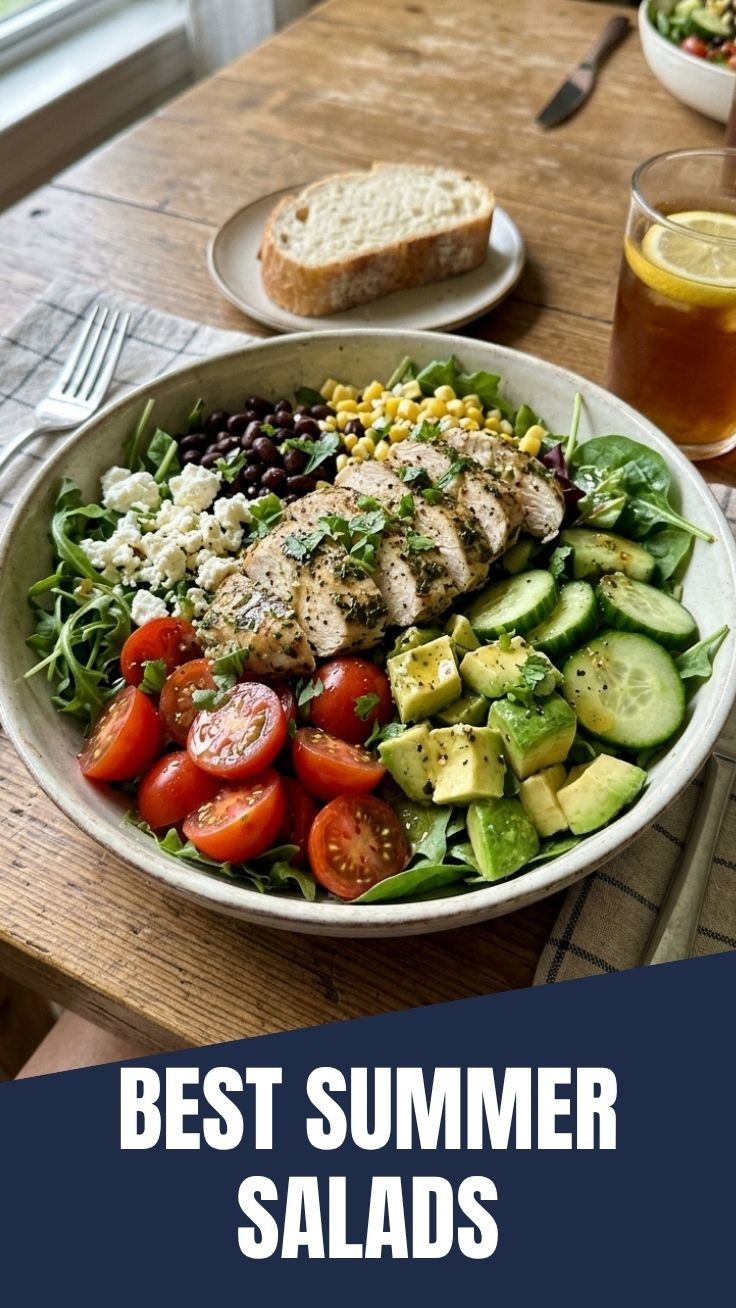
Plan ahead for success: Prep Time is 20 minutes active work, Cook Time is 15 minutes for potatoes and eggs, plus Chill Time of 30 minutes in the fridge. Total preparation takes about 1 hour 5 minutes from start to table. Boil potatoes while eggs cook simultaneously to save time. Letting the salad rest overnight deepens flavors—perfect for meal prep on busy mornings.
Step-by-Step Instructions
1. Boil potatoes – Place baby potatoes in salted cold water, bring to a boil, then reduce to medium-low. Cook for 12-15 minutes until fork-tender. Drain and let cool slightly.
2. Hard-boil eggs – While potatoes cook, place eggs in a saucepan, cover with water, bring to a rolling boil. Turn off heat, cover, and let sit for 10 minutes. Plunge into ice water for easy peeling.
3. Grill steak – Season sirloin with salt and pepper. Grill over high heat 4-5 minutes per side for medium-rare. Rest 5 minutes, then slice thin against the grain.
4. Make dressing – In a medium bowl, whisk together Greek yogurt, Dijon mustard, apple cider vinegar, and fresh dill until smooth and creamy.
5. Assemble the salad – In a large bowl, combine warm potatoes (cut into halves), grilled steak slices, chopped hard-boiled eggs, celery, and red onion. Pour dressing over top and toss gently to coat.
6. Chill – Cover and refrigerate at least 30 minutes or up to overnight. This high protein summer salads recipe tastes best when flavors meld together.
7. For vegan adaptation – Swap steak for marinated chickpeas and use dairy-free yogurt. This vegan high protein salads version still delivers satisfying texture and protein punch.
Pro tip: Check potato doneness by piercing with a paring knife—it should slide through without resistance. If the dressing seems too thick, add a splash of milk or water.
Nutritional Benefits & Advantages
This dish delivers 30g protein per serving from steak, eggs, and yogurt—ideal for muscle recovery and sustained energy. Greek yogurt adds probiotics for gut health, while dill provides anti-inflammatory properties and antioxidants. Potatoes offer resistant starch when cooled, supporting blood sugar stability. The combination of lean protein and healthy fats keeps you full for hours without the heavy feeling of traditional creamy potato salads.
Tips Variations & Cooking Advice
– Make it gluten-free – Naturally gluten-free; just double-check mustard and vinegar labels.
– Boost with extra veggies – Add diced bell peppers, cucumber, or avocado for creaminess.
– Spice it up – Stir in ½ tsp smoked paprika or cayenne for a warm finish.
– Dairy-free option – Use cashew cream or silken tofu blended with lemon juice instead of yogurt.
– Protein swaps – Grilled chicken, salmon, or extra firm tofu all work beautifully in this base recipe.
Common Mistakes to Avoid
– Overcooking potatoes – They turn mushy and fall apart. Cook just until tender and cool before cutting.
– Skipping the rest – Slice steak only after resting 5 minutes to keep juices inside.
– Dressing too early – If serving later, add dressing just before serving to prevent sogginess.
– Using cold potatoes – Warm potatoes absorb dressing better than chilled ones. Let them cool but not fridge-cold.
Storage & Meal Prep Tips
Keep leftovers in an airtight container for up to 4 days in the refrigerator. Do not freeze—the texture of potatoes and yogurt becomes watery upon thawing. For best results, store dressing separately if making ahead. When ready to serve, toss gently and let sit at room temperature for 10 minutes to revive flavors. The salad actually improves overnight as herbs and spices meld into the potatoes.
Conclusion
This robust high protein summer salads recipe proves that healthy, satisfying meals don’t require complicated techniques or heavy cooking. Whether you stick with the classic steakhouse version or adapt for a vegan high protein salads twist, you’re getting a dish that’s equally good for lunch prep or a quick dinner. Share your results in the comments, and don’t forget to explore other summer-friendly bowls like quinoa chicken or black bean and corn salads. Your taste buds—and your energy levels—will thank you.
FAQs
Can I use regular potatoes instead of baby potatoes?
Yes, but cut them into 1-inch cubes. Adjust cooking time to 10-12 minutes for even tenderness.
How do I make the dressing less tangy?
Substitute half the Greek yogurt with mayonnaise or sour cream for a creamier, milder flavor.
What’s the best steak substitute for a vegan diet?
Marinated chickpeas or cubed extra-firm tofu baked with tamari work perfectly. Toss in 1 tbsp nutritional yeast for savory depth.
Can I skip the chilling step?
Yes, but the salad tastes best cold. If short on time, serve immediately with warm potatoes—just note flavors won’t meld as fully.
How long does this salad keep in the refrigerator?
Up to 4 days when stored in an airtight container. Stir before serving to redistribute dressing.
Best way to grow high protein summer salads
Ingredients
Equipment
Method
- Choose a sunny location for your garden, ensuring it receives at least 6-8 hours of direct sunlight daily.
- Prepare your soil by mixing organic potting mix with compost and perlite/vermiculite for good drainage and nutrient content.
- Sow spinach, arugula, and kale seeds directly into the prepared soil, following package instructions for depth and spacing.
- For lentils and chickpeas, either sprout them indoors first or plant seeds directly in dedicated containers.
- Plant quinoa and herb seeds, ensuring adequate space as quinoa plants can grow quite large.
- Water your plants regularly, keeping the soil consistently moist but not waterlogged, especially during hot summer days.
- Apply organic fertilizer every few weeks to provide continuous nutrients for robust growth.
- Protect delicate plants from intense midday sun with a shade cloth if temperatures are consistently high.
- Monitor for pests and diseases, addressing any issues promptly with organic solutions.
- Harvest leafy greens like spinach, arugula, and kale by picking outer leaves, allowing the plant to continue producing.
- Harvest lentils and chickpeas when pods are mature, and quinoa when seeds are fully developed and dry.
- Continuously harvest herbs to encourage bushier growth and flavor.
- Assemble your high-protein summer salad with freshly harvested ingredients, adding your favorite dressings and additional toppings.