High Protein Grilled Salmon Recipes: A Flavorful Path to Healthier Eating
Have you ever wondered how to turn a simple weeknight dinner into a restaurant-quality meal that’s both nutritious and incredibly satisfying? Grilled salmon is the answer. Not only does it deliver a burst of omega‑3 fatty acids and lean protein, but it also adapts beautifully to endless flavor profiles. Preparing it at home gives you full control over ingredients, helping you avoid excess sodium and unhealthy fats found in takeout. Whether you’re seeking high protein grilled salmon recipes to support your fitness goals or simply want a quick, delicious meal, this guide will walk you through every step. Within the first 100 words, let’s emphasize that healthy grilled salmon meals are a cornerstone of balanced eating—and with the right techniques, you’ll master them in no time.
—
Ingredients & Kitchen Tools
For the Marinade & Salmon
– 4 (6‑oz) salmon fillets (skin‑on or skinless, wild‑caught preferred for richer flavor)
– 3 tbsp extra‑virgin olive oil
– 2 tbsp fresh lemon juice
– 3 garlic cloves, minced
– 1 tsp smoked paprika
– ½ tsp ground cumin
– 1 tsp dried dill (or 1 tbsp fresh dill)
– Salt and black pepper to taste
– Optional: 1 tbsp honey for a touch of sweetness, or 1 tsp red pepper flakes for heat
Kitchen Tools
– Grill (gas, charcoal, or grill pan)
– Tongs (long‑handled for safe flipping)
– Basting brush
– Instant‑read thermometer (highly recommended for perfect doneness)
– Mixing bowl and whisk
– Paper towels (to pat salmon dry)
Substitutions
– Oil: avocado or grapeseed oil works well
– Herbs: swap dill for thyme or oregano
– Citrus: lime or orange juice in place of lemon
—
Prep Time & Cooking Schedule
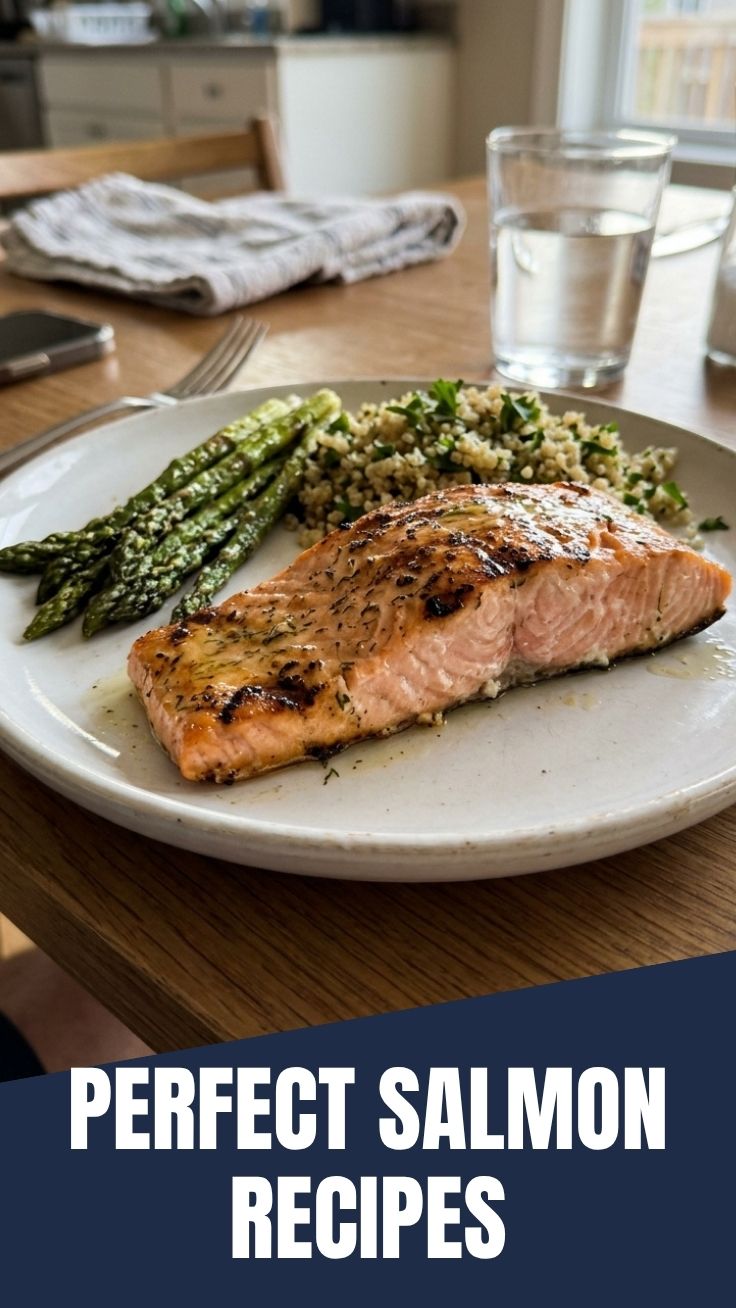
– Prep time: 10 minutes
– Marinating time: 15–30 minutes (do not exceed 30 minutes; acid can “cook” the fish)
– Grill preheat time: 10–15 minutes
– Cook time: 8–12 minutes total (depending on thickness)
– Resting time: 3–5 minutes after grilling
Why this schedule works: Brief marinating adds flavor without toughening the flesh. Resting allows juices to redistribute, ensuring a moist, flaky result.
—
Step-by-Step Instructions
1. Prepare the marinade: In a bowl, whisk olive oil, lemon juice, garlic, smoked paprika, cumin, dill, salt, and pepper. Reserve 2 tablespoons for brushing during grilling.
2. Pat dry and marinate: Use paper towels to remove excess moisture from the salmon fillets. Place them in a dish, pour the marinade over, and turn to coat. Cover and refrigerate for 15–30 minutes.
3. Preheat the grill: Aim for medium‑high heat (about 400–450°F / 200–230°C). Clean the grates and lightly oil them with a paper towel dipped in vegetable oil.
4. Grill the salmon: Place fillets skin‑side down (if skin‑on) on the hot grates. Cook undisturbed for 4–5 minutes. With a thin spatula, carefully flip and grill for another 3–5 minutes. The internal temperature should reach 125–130°F (52–54°C) for medium‑rare, 135°F (57°C) for medium, or 145°F (63°C) for well‑done.
5. Brush and finish: During the last 2 minutes of cooking, brush with the reserved marinade. Remove from heat and let rest for 3–5 minutes.
6. Serve: Plate immediately with your favorite sides.
– Keyword moment: These high protein grilled salmon recipes come alive when you adjust the marinade to your taste, and they prove that healthy grilled salmon meals are anything but boring.
—
Nutritional Benefits & Advantages
Salmon is a nutritional powerhouse. A 6‑oz serving delivers about 34 grams of protein, 15 grams of fat (mostly heart‑healthy omega‑3s), and zero carbs. It’s rich in B vitamins, selenium, and potassium. The grilling method adds no extra fat while creating a smoky char that enhances flavor without heavy sauces. This dish fits keto, paleo, and low‑carb diets, and the high protein content supports muscle repair and satiety. By cooking at home, you avoid the excess calories found in restaurant versions (often glazed with butter or sugar).
—
Tips, Variations & Cooking Advice
– Flavor variations: Add a miso‑ginger glaze, a Cajun spice rub, or a simple herb crust (parsley, basil, garlic).
– Ingredient swaps: Use swordfish, mahi‑mahi, or thick white fish like halibut.
– Cooking methods: If you don’t have a grill, use a grill pan or broil 6 inches from the heat source for 8–10 minutes.
– Portion changes: For smaller fillets, reduce cooking time by 1–2 minutes.
– Dietary adaptations: Gluten‑free (ensure spices are certified GF) and dairy‑free (the recipe is naturally dairy‑free).
—
Common Mistakes to Avoid
– Over‑marinating: Acid breaks down proteins, making the fish mushy. Stick to 30 minutes max.
– Skipping the pat‑dry step: Wet skin steams instead of searing. Always blot dry.
– Flipping too early: The fillet will release easily when the skin is caramelized. If it sticks, wait another minute.
– Using high heat for too long: Salmon cooks fast; watch internal temperature carefully to avoid dryness.
– Forgetting to oil the grates: This prevents sticking and gives you those beautiful grill marks.
—
Storage & Meal Prep Tips
– Refrigeration: Store leftover grilled salmon in an airtight container for up to 3 days. Remove the skin first to prevent sogginess.
– Freezing: Wrap fillets tightly in plastic wrap, then foil, and freeze for up to 2 months. Thaw overnight in the fridge.
– Reheating: For best texture, reheat in a covered skillet over low heat with a splash of water or broth (2–3 minutes). Avoid microwaving, which can dry out the fish. Alternatively, flake cold salmon into salads or grain bowls.
—
Conclusion
Grilled salmon is more than a quick dinner—it’s a versatile, protein‑packed canvas for bold flavors and healthy eating. By following this guide, you’ve learned how to achieve perfectly cooked fillets every time. Remember, high protein grilled salmon recipes are only one part of a balanced lifestyle; incorporating healthy grilled salmon meals into your weekly rotation can transform your relationship with food. We encourage you to try this recipe, share your results with friends, or explore other fish‑centric dishes. Your taste buds—and your body—will thank you.
—
FAQs
1. Can I use frozen salmon for this recipe?
Yes. Thaw completely in the refrigerator overnight, then pat dry thoroughly. Frozen fillets may release more water during cooking, so drying is critical.
2. How do I know when the salmon is done without a thermometer?
Check for flakiness: insert a fork into the thickest part and twist gently. If the flesh separates easily and is opaque all the way through, it’s done. The color should change from translucent pink to light pink/white.
3. What’s the best way to keep grilled salmon moist if I’m cooking for a crowd?
Cook fillets in batches, or hold them in a 200°F (93°C) oven covered loosely with foil for up to 20 minutes. Avoid leaving them on the hot grill after they reach the target temperature.
4. Can I skip the marinade and just season the fish?
Absolutely. A simple rub of salt, pepper, and olive oil works beautifully. Marinating adds depth, but dry‑seasoned salmon can be just as delicious, especially with a squeeze of lemon after grilling.
5. How can I add more variety to this recipe?
Try a Mediterranean twist with oregano, lemon, and olives; an Asian approach with soy, ginger, and sesame oil; or a tropical version with mango salsa. The marinade base is endlessly adaptable.
How to Grow 5 High Protein Grilled Salmon Recipes
Ingredients
Equipment
Method
- Preheat your grill to medium-high heat (375-400°F or 190-200°C) and lightly oil the grates.
- For basic grilled salmon, brush fillets with olive oil and season with salt and pepper.
- For lemon herb salmon, combine lemon slices, dill, parsley, minced garlic, olive oil, salt, and pepper, then rub onto the fillets.
- For spicy honey garlic salmon, mix honey, soy sauce, and Sriracha, then coat the fillets with this mixture.
- Place the seasoned salmon fillets skin-side down on the preheated grill.
- Grill for 4-6 minutes per side, depending on thickness, until the salmon is cooked through and flakes easily with a fork.
- Remove the grilled salmon from the heat and let it rest for a few minutes before serving.
- Serve warm with your favorite side dishes.