Why Tamales Are the Ultimate Comfort Food (And How to Make Them at Home)
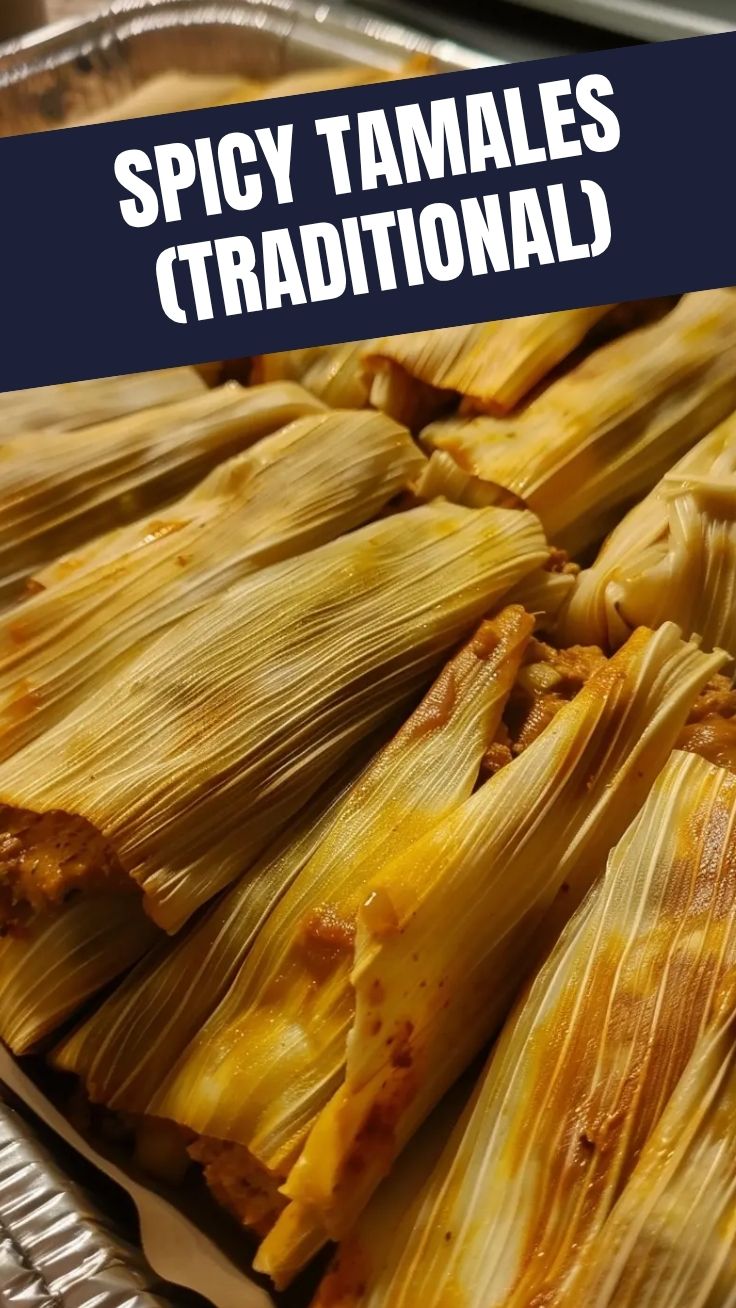
Have you ever unwrapped a steaming tamales (traditional) and felt instantly transported to a bustling Mexican market? That combination of tender masa, savory filling, and the earthy aroma of corn husks is pure magic. Yet many home cooks shy away from making them, assuming the process is too labor-intensive. The truth? With a little planning and the right techniques, you can create restaurant-quality tamales in your own kitchen—saving money, controlling ingredients, and infusing every bite with love. This guide walks you through everything from masa preparation to steaming, ensuring your first batch turns out perfectly fluffy and flavorful. Whether you’re craving pork, chicken, or a vegetarian version, mastering tamales opens the door to truly authentic Mexican food that rivals any taquería.
—
Ingredients & Kitchen Tools
For the masa dough (makes ~30 tamales):
– 4 cups masa harina (instant corn flour for tamales – Maseca is ideal)
– 2 teaspoons baking powder
– 1 teaspoon salt
– 1½ cups lard or vegetable shortening (cold)
– 2½–3 cups chicken broth or water (warm)
For the filling (choose one or mix):
– Pork or chicken: 1 lb shredded cooked meat + 1 cup red chile sauce (dried guajillo & ancho) or salsa verde
– Vegetarian: 2 cups sautéed poblano & corn + 1 cup Oaxaca cheese or queso fresco
Also needed:
– 30–40 dried corn husks (soaked in warm water for 2 hours)
– Large steamer pot (like a tamalera or stockpot with steamer basket)
– Mixing bowl, wooden spoon or electric mixer, small skillet (for testing masa)
Substitution notes: For dairy-free, use vegetable shortening instead of lard. Gluten-free by nature (masa harina is corn). Reduce salt if broth is salted.
—
Prep Time & Cooking Schedule
| Phase | Time |
|——-|——|
| Soak corn husks | 2 hours (hands-off) |
| Prepare filling | 30-45 minutes (can be done ahead) |
| Make masa dough | 15 minutes |
| Assemble tamales | 30-40 minutes |
| Steam | 60-75 minutes |
| Rest before serving | 10 minutes |
Total active time: ~1.5 hours. Total from start to table: ~4 hours (including passive soaking and steaming). The dough and filling can be made a day in advance; refrigerate separately. Steaming time depends on batch size—tamales are done when the husk peels away cleanly from the masa.
—
Step-by-Step Instructions
1. Prepare the husks: After soaking, drain and pat dry. Tear a few husks into thin strips for tying (or use kitchen twine).
2. Make the masa: In a large bowl, whisk masa harina, baking powder, and salt. Cut in cold lard using your fingers or a mixer until crumbly. Gradually add warm broth, mixing until a soft, spreadable dough forms. Test by dropping a teaspoon-sized ball into cold water – it should float (if it sinks, beat in more liquid).
3. Season and cook the filling: For red chile pork, simmer shredded meat in sauce for 10 minutes. For chicken verde, mix with tomatillo salsa. Let cool slightly.
4. Assemble: Lay a husk flat (smooth side up, wide end near you). Spread 2–3 tablespoons of masa in the center, leaving a 1-inch border at the top and bottom. Add 1 tablespoon of filling down the center. Fold the sides over, then fold up the bottom (like an envelope). Tie with a strip if needed—this creates tamales (traditional) that hold together perfectly during steaming.
5. Steam: Stand tamales upright in the steamer (open end up). Add water to just below the basket, cover, and steam over medium heat for 60–75 minutes. Check water level every 20 minutes. Authentic Mexican food relies on gentle, consistent steam – never boiling dry.
6. Test doneness: Carefully open one tamale. The masa should be firm and pull away from the husk cleanly. If still sticky, steam 10 more minutes.
Keywords used here: “tamales (traditional)” and “authentic Mexican food” – each once.
—
Nutritional Benefits & Advantages
Tamales are surprisingly balanced. A single pork tamale (about 150g) provides roughly 220 calories, 12g protein, 18g carbs, and 10g fat. The masa is made from nixtamalized corn, which increases the bioavailability of niacin and calcium. Lard (or shortening) adds richness but also contains monounsaturated fats. The filling—especially if you use lean meat or veggies—boosts fiber from chiles and corn, plus antioxidants like capsanthin from dried chiles. For a lighter version, swap lard with avocado oil and use more vegetables. Tamales are naturally gluten-free, making them a safe indulgence for those with celiac disease or gluten sensitivity.
—
Tips Variations & Cooking Advice
– Flavor twists: Add epazote leaves to masa for an herbal note. Mix in shredded cheese (queso menonita) for a stretchy interior.
– Spicy upgrade: Stir chipotle peppers in adobo into the filling for a smoky kick.
– Faster method: Use store-bought masa preparada (already mixed with lard) – just add broth.
– Vegan option: Replace lard with refined coconut oil and use vegetable broth. Stuff with black beans, roasted chiles, and vegan cheese.
– Batch size: Halve the recipe for a small family (15 tamales) or double for a party. Leftovers freeze beautifully.
– Pressure cooker hack: Steam tamales in an Instant Pot on high for 20 minutes (natural release 10 minutes) – works brilliantly for small batches.
—
Common Mistakes to Avoid
| Mistake | Fix |
|———|—–|
| Masa is too dry (cracks) | Add more warm broth 1 tablespoon at a time until dough is spreadable like hummus |
| Masa is too wet (gummy) | Beat in a little more masa harina to stiffen |
| Filling leaks out | Leave a ½-inch border around all sides, and don’t overstuff |
| Tamales fall apart | You likely skipped the “test ball” step – masa must be fluffy and light |
| Husk sticks to masa | Soak husks 2+ hours and pat dry; if still sticky, brush with oil before spreading masa |
—
Storage & Meal Prep Tips
– Refrigerate: Cooked tamales keep in an airtight container for up to 5 days. Reheat by steaming for 10 minutes (microwaving dries them out). To freeze, arrange cooled tamales in a single layer on a baking sheet, freeze solid, then transfer to a zip-top bag. They last 3 months.
– Reheating from frozen: Steam directly from frozen for 15–20 minutes, or microwave wrapped in a damp paper towel for 2 minutes. For best texture, never boil tamales or reheat in a dry oven.
– Meal prep: Assemble tamales on Sunday, steam fresh before eating, or freeze uncooked tamales and steam later (add 10 minutes to steam time).
—
Conclusion
Making tamales (traditional) at home is a rewarding journey that connects you to generations of home cooks. The process is meditative, the results are deeply satisfying, and the taste is unmatched. By mastering masa texture and fillings, you unlock the heart of authentic Mexican food – a cuisine built on community, patience, and bold flavors. So gather your ingredients, invite a friend to help assemble, and fill your kitchen with the scent of corn and chile. Share your results on social media or drop a comment below – we’d love to see your tamalada!
—
FAQs
Q: Can I use regular cornmeal instead of masa harina?
A: No – cornmeal lacks the nixtamalization process, resulting in a gritty, dense texture. Stick with masa harina (like Maseca) for authentic fluffiness.
Q: My tamales came out dense. What went wrong?
A: Most common cause: under-beaten dough. Beat the masa vigorously for 5 minutes or until it passes the “float test” (a small ball floats in cold water). Also ensure lard is cold when incorporated.
Q: How long do tamales actually need to steam?
A: Standard 60–75 minutes at a gentle simmer. If using a pressure cooker, 20 minutes. The best test: one tamale opens cleanly after a 5-minute rest.
Q: Can I make sweet tamales with this recipe?
A: Absolutely! Omit the savory filling, reduce salt, and add ½ cup sugar + 1 teaspoon cinnamon + ½ cup raisins to the masa. Steam as usual. Great for breakfast or dessert.
Q: How do I know if the water level is low during steaming?
A: Listen – if you hear sputtering (not gentle bubbling), add boiling water immediately. Set a timer to check every 20 minutes. Never let the pot go dry.