The Ultimate Guide to Making Authentic Pozole at Home
Have you ever wondered why restaurant-quality Pozole tastes so deeply satisfying, yet seems intimidating to make from scratch? The truth is, this traditional Mexican hominy stew is not only achievable in your own kitchen but also incredibly rewarding. By mastering this dish, you unlock a world of rich, complex flavors that nourish both body and soul. Whether you are craving a hearty meal for a family gathering or a comforting bowl on a cold evening, learning to prepare a proper Pozole at home is a valuable culinary skill that connects you to centuries of tradition. This guide will walk you through every detail, including a stellar pozole recipe designed for consistent results, ensuring your first attempt is a triumph.
Ingredients & Kitchen Tools
For the Pozole:
– Dried hominy (1 lb): The star ingredient. Look for cacahuazintle corn for authentic texture. Rinse and soak overnight.
– Pork shoulder (2 lbs): Cut into 2-inch chunks. Provides rich flavor and tender meat. Can substitute with chicken or beef.
– Guajillo chiles (4-6): Stemmed and seeded. Adds deep, earthy color and mild heat. Toast briefly for enhanced flavor.
– Ancho chiles (2-3): Stemmed and seeded. Offers sweet, raisin-like notes. Soak in hot water until soft.
– Garlic (6 cloves): Minced. Essential for savory depth.
– White onion (1 large): Half diced for cooking, half minced for garnish.
– Dried oregano (1 tsp): Mexican oregano preferred. Adds citrusy, floral notes.
– Ground cumin (1 tsp): Warm, earthy spice that complements pork.
– Bay leaves (2): Aromatic backbone for the broth.
– Salt and pepper: To taste.
– Water or chicken broth (8 cups): For the cooking liquid.
Kitchen Tools:
– Large heavy-bottomed pot or dutch oven (8-10 qt): Even heat distribution for long simmering.
– Blender: For pureeing chiles.
– Sharp chef’s knife and cutting board: For prepping ingredients.
– Fine-mesh strainer: To strain chile puree for smooth texture.
– Slotted spoon: For removing meat and hominy.
Optional Substitutions:
– For vegetarian version: Replace meat with jackfruit or mushrooms and use vegetable broth.
– For quicker prep: Use canned hominy (rinsed) and pre-cooked shredded pork.
Prep Time & Cooking Schedule
– Prep time: 30 minutes (plus overnight soaking for dried hominy).
– Cook time: 2.5 to 3 hours for tender meat and fully bloomed hominy.
– Resting time: 15-20 minutes after cooking allows flavors to meld.
Planning advice: Start early in the day if serving for dinner. The pozole actually tastes better the next day, so consider making it 24 hours ahead. The overnight soak of dried hominy can begin the evening before, and the actual cooking process requires minimal active attention once the pot is simmering.
Step-by-Step Instructions
1. Prepare the hominy: Drain the soaked hominy and rinse thoroughly. Place in your large pot with 4 cups of water. Bring to a boil, then reduce to a simmer. Cook for 1 hour until kernels begin to burst and soften.
2. Toast and rehydrate chiles: While hominy simmers, heat a dry skillet over medium heat. Toast guajillo and ancho chiles for 30 seconds per side until fragrant. Place in a bowl, cover with hot water, and soak for 20 minutes.
3. Prepare the chile puree: Transfer softened chiles to a blender with 1 cup of soaking liquid, 2 garlic cloves, and a pinch of salt. Blend until smooth. Strain through a fine-mesh strainer into a bowl, pressing on solids.
4. Brown the pork: In the same pot (after removing cooked hominy temporarily), heat 2 tablespoons of oil over medium-high heat. Sear pork chunks in batches until golden brown on all sides. This creates deep, savory flavor.
5. Build the base: Return pork to the pot. Add the cooked hominy, remaining garlic, diced onion, oregano, cumin, bay leaves, and the strained chile puree. Pour in 6 cups of chicken broth and 2 cups of water. Bring to a boil, then reduce to a gentle simmer.
6. Simmer to perfection: Cover partially and cook for 1.5 to 2 hours, stirring occasionally. The pork should be fork-tender, and the hominy should have a tender yet chewy texture. This method creates an authentic Pozole that rivals any restaurant version. For a perfect pozole recipe, ensure the broth reduces slightly and thickens naturally.
7. Season and adjust: Remove bay leaves. Taste and adjust salt and pepper. If the broth is too thin, simmer uncovered for 15 more minutes to concentrate flavors.
Nutritional Benefits & Advantages
Pozole is more than just delicious comfort food—it offers substantial nutritional value. The hominy provides complex carbohydrates and fiber, supporting digestive health and steady energy release. Pork shoulder supplies high-quality protein, B vitamins (especially B12), and essential minerals like zinc and selenium, which support immune function and muscle repair. The chiles are rich in vitamin C and capsaicin, known for anti-inflammatory properties and metabolism boosting. This dish also contains allium compounds from garlic and onion, which contribute to heart health. A single serving provides a balanced macronutrient profile, making it a satisfying, nutrient-dense meal suitable for active lifestyles.
Tips Variations & Cooking Advice
Flavor Variations:
– Red pozole (pozole rojo): The traditional version described here.
– Green pozole (pozole verde): Use roasted tomatillos, jalapeños, and cilantro instead of dried chiles.
– White pozole (pozole blanco): Omit chiles entirely and season with white pepper and additional garlic.
Ingredient Swaps:
– Use pork ribs for extra flavor.
– Substitute chicken thighs for a leaner option.
– Add diced potatoes or carrots for extra texture.
Dietary Adaptations:
– Gluten-free: Naturally gluten-free; verify stock is certified gluten-free.
– Dairy-free: Recipe contains no dairy.
– Low-fat: Trim all visible fat from pork and skim broth after chilling.
Cooking Methods:
– Slow cooker: After browning pork and cooking hominy, transfer everything to a slow cooker on low for 6-8 hours.
– Pressure cooker: Reduce simmer time to 45 minutes at high pressure for a quick version.
Common Mistakes to Avoid
– Skipping the hominy soak: Leads to hard, undercooked kernels. Always soak overnight.
– Overcooking the chiles: Burnt chiles create bitterness. Toast only 30 seconds per side, just until fragrant.
– Not straining the chile puree: Unstrained puree leaves gritty texture in the broth. Always strain.
– Rushing the simmer: Low and slow is the secret. At least 2 hours is non-negotiable for tender meat.
– Underseasoning early: The broth should taste vibrant and slightly salty during cooking—seasoning concentrates as it reduces.
Storage & Meal Prep Tips
Refrigeration: Store cooled pozole in airtight containers. The broth will thicken slightly upon chilling. Keeps fresh for up to 5 days in the refrigerator. The flavors actually improve after 24 hours.
Freezing: Pozole freezes exceptionally well. Portion into freezer-safe bags or containers, leaving 1-inch headspace. Freeze for up to 3 months. Thaw overnight in the refrigerator.
Reheating: Warm on the stovetop over medium-low heat, adding a splash of water or broth if the stew has thickened significantly. For single servings, microwave in 1-minute intervals, stirring between each. Avoid boiling rapidly, which can toughen the meat.
Meal Prep: Cook a double batch and portion into meal-sized containers with garnish packets (shredded cabbage, diced onion, lime wedges). Refrigerate for quick lunches all week.
Conclusion
Creating an authentic Pozole at home is a journey worth taking—the layered flavors, the tender meat against chewy hominy, and the aromatic broth create a truly memorable dish. By following this detailed guide, you have all the tools to craft a Pozole that honors tradition while fitting your schedule. This pozole recipe is designed to be both forgiving and impressive, perfect for sharing with loved ones. We encourage you to try it this weekend, experiment with variations, and share your results. The satisfaction of a perfectly made bowl of pozole is unmatched.
FAQs
Can I use canned hominy instead of dried?
Yes, but skip the pre-cooking step. Rinse canned hominy well and add directly to the pot with the pork. Adjust cooking time to 1.5 hours total since the hominy is already cooked.
How do I reduce the spiciness?
Use only guajillo chiles (milder) and omit or reduce ancho chiles. Alternatively, remove all seeds and inner membranes from chiles before soaking, as these contain most of the heat.
My pozole broth is too thin—how can I thicken it?
Simmer uncovered for 20-30 minutes to allow evaporation. Alternatively, mash a few hominy kernels against the side of the pot and stir back into the broth for natural thickening.
Can I make pozole in an Instant Pot?
Absolutely. After browning pork and cooking chiles, add all ingredients to the Instant Pot. Pressure cook on high for 45 minutes, then allow natural release for 15 minutes.
What are traditional pozole toppings?
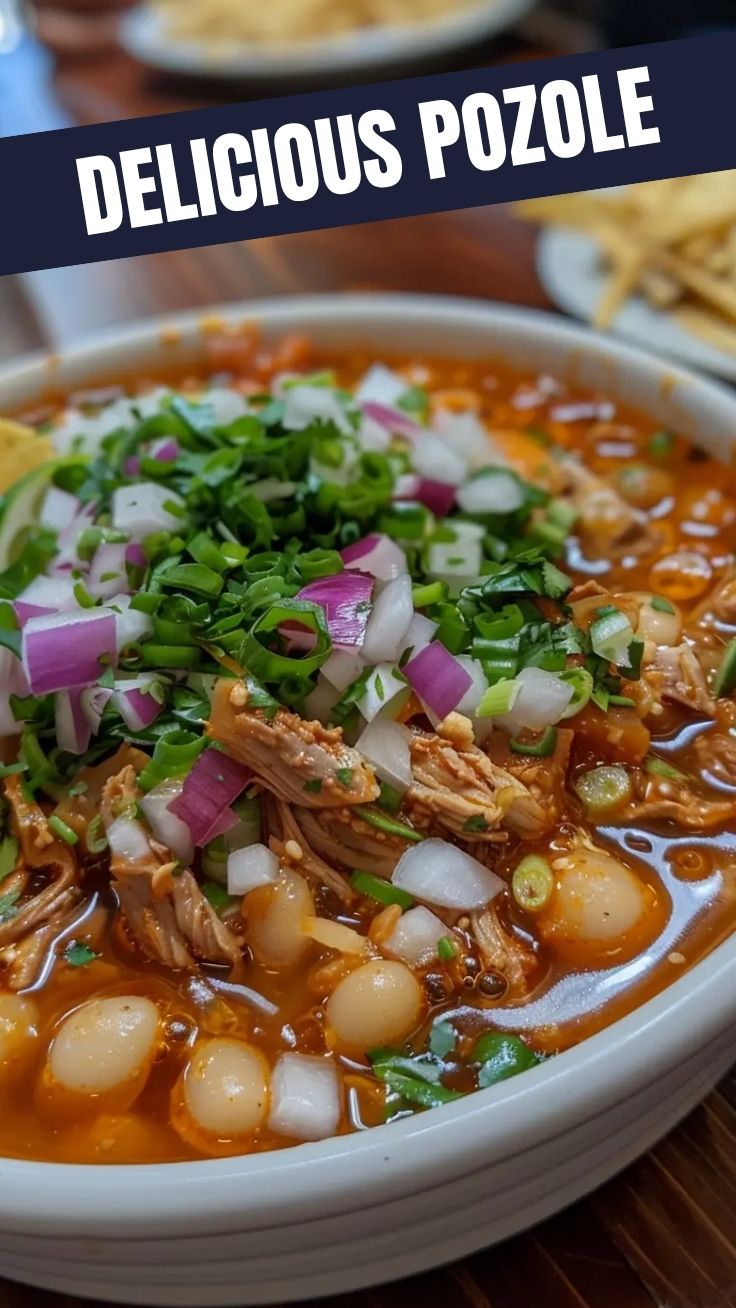
Shredded cabbage, minced white onion, sliced radishes, fresh cilantro, dried Mexican oregano, lime wedges, and crispy tostadas or tortilla chips are classic garnishes.