Why This Homemade Poke Bowl Beats Any Restaurant Version
Have you ever craved that fresh, vibrant Poke Bowl but hesitated because restaurant prices can reach $18 or more? You’re not alone. The good news is that preparing a restaurant-quality bowl at home costs roughly half the price and puts you in complete control of quality. When you build your own Hawaiian Poke from scratch, you select the freshest fish, adjust seasonings precisely to your palate, and avoid unwanted additives. This comprehensive guide walks you through every detail so you can recreate that magic in your kitchen.
—
Ingredients & Kitchen Tools
Sushi-Grade Fish (1 lb)
Opt for ahi tuna or salmon. Look for bright color, firm texture, and no fishy odor. Frozen sushi-grade options work excellently.
Sushi Rice (2 cups)
Short-grain Japanese rice provides that characteristic sticky texture. Rinse until water runs clear for best results.
Rice Vinegar (¼ cup)
Season your rice with this along with 1 tablespoon sugar and 1 teaspoon salt for authenticity.
Soy Sauce (3 tablespoons)
Use low-sodium tamari or coconut aminos for a gluten-free alternative.
Sesame Oil (1 tablespoon)
Toasted sesame oil adds nutty depth. Don’t substitute with regular vegetable oil.
Furikake Seasoning (2 tablespoons)
This Japanese rice seasoning includes sesame seeds, nori, and dried fish flakes. You can mix sesame seeds with crushed nori as an alternative.
Vegetables & Toppings
– 1 avocado, diced
– 1 cucumber, julienned
– ½ cup edamame
– ½ cup shredded carrots
– ¼ cup pickled ginger
– 1 sheet nori, crumbled
Kitchen Tools
– Sharp chef’s knife
– Rice cooker or medium saucepan with lid
– Large mixing bowl
– Cutting board
– Measuring spoons
—
Prep Time & Cooking Schedule
Total active time: 35 minutes
Rice cooking: 20 minutes (plus 10 minutes resting)
Fish marinating: 15 minutes
Assembly: 5 minutes
Plan ahead by cooking rice first. While rice rests, prepare your fish marinade and chop vegetables. This schedule keeps everything moving efficiently so your bowl comes together in perfect timing.
—
Step-by-Step Instructions
1. Prepare the Sushi Rice
Rinse 2 cups of sushi rice under cold water until the water runs clear. Cook according to your rice cooker directions or bring to a boil with 2½ cups water, then simmer covered for 18 minutes. Remove from heat and let rest for 10 minutes. Fold in seasoned rice vinegar mixture while rice is still warm.
2. Cube and Marinate the Fish
Using your sharpest knife, cut your sushi-grade fish into ½-inch cubes. Combine 3 tablespoons soy sauce, 1 tablespoon sesame oil, and 1 teaspoon honey in a bowl. Gently fold fish cubes into this mixture and refrigerate for exactly 15 minutes. Over-marinating breaks down the delicate texture.
3. Prepare the Vegetable Toppings
Dice avocado just before serving to prevent browning. Julienne cucumber into thin strips. If using frozen edamame, thaw under warm water and pat dry.
4. Assemble Your Bowl
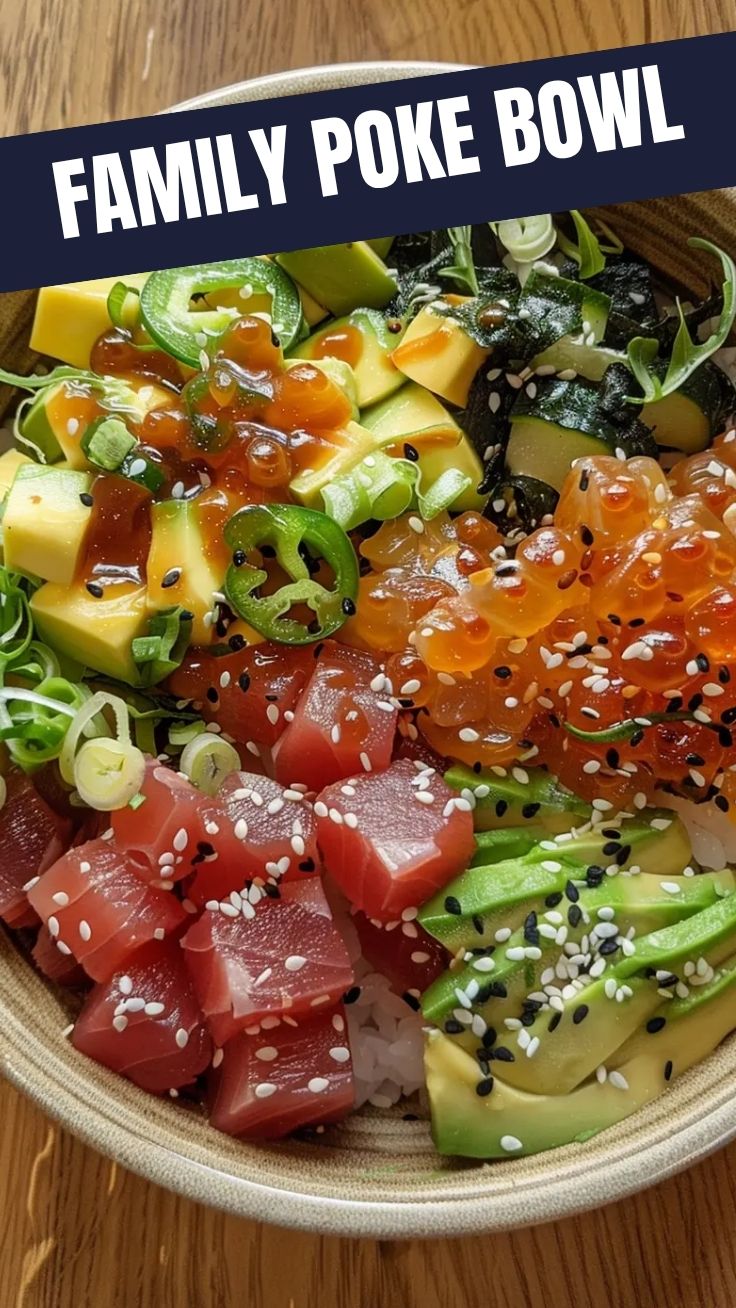
Place a generous scoop of seasoned rice at the bottom of each bowl. Arrange marinated fish artfully on one side. Fan out avocado slices, cucumber, edamame, and shredded carrots around the bowl. Sprinkle furikake and crumbled nori over everything.
Temperature Control Tip: Keep fish refrigerated until the last possible moment. Cold fish paired with warm rice creates the ideal contrast that defines a proper Poke Bowl. This technique ensures each bite delivers both temperature and textural balance, a hallmark of authentic Hawaiian Poke preparation.
Texture Cue: When cubing fish, clean your knife between cuts. Sticky residue from previous cuts can tear the flesh, leaving you with mushy pieces instead of clean, bouncy cubes.
—
Nutritional Benefits & Advantages
A single Poke Bowl delivers approximately 45 grams of protein, healthy omega‑3 fatty acids from the fish, and complex carbohydrates from sushi rice. Avocado provides heart‑healthy monounsaturated fats and fiber. Edamame adds plant‑based protein and folate. This meal supports muscle recovery, brain function, and sustained energy without heavy processing or refined ingredients. You control sodium levels by choosing low‑sodium soy sauce, making this bowl suitable for blood‑pressure management.
—
Tips Variations & Cooking Advice
Protein Swaps: Try cooked shrimp, crab, or tofu for a fully cooked version. Smoked salmon works beautifully but reduces marinating time to 5 minutes.
Vegan Adaptation: Replace fish with 1½ cups of cubed mango and 1 cup of marinated tempeh. Use coconut aminos instead of soy sauce.
Spice It Up: Add 1 teaspoon sriracha or gochujang to your marinade. Thinly sliced jalapeño makes an excellent garnish.
Dietary Modifications: For gluten‑free bowls, use tamari. For low‑carb versions, substitute rice with cauliflower rice or zucchini noodles. Dairy is naturally absent from this recipe.
—
Common Mistakes to Avoid
Overcooking Rice: Mushy rice ruins the bowl’s structure. Use a rice cooker with precise water ratios, or follow the absorption method exactly.
Soggy Vegetables: Pat all vegetables completely dry after washing. Excess moisture dilutes flavors and makes the bowl watery.
Uneven Fish Cubes: Cutting fish into inconsistent sizes leads to some pieces being over‑marinated while others remain under‑seasoned. Aim for uniform ½‑inch cubes.
Skipping the Resting Time: Rice needs that 10‑minute rest to absorb steam and set properly. Never skip this step.
—
Storage & Meal Prep Tips
Store components separately in airtight containers. Fish keeps up to 1 day in the refrigerator. Do not freeze marinated fish—freezing destroys its delicate texture. Rice stays fresh for 3 days when refrigerated. When reheating rice, sprinkle with water and microwave for 30 seconds covered. To prevent avocado browning, brush cut surfaces with lime juice. Assemble bowls only when ready to eat—pre‑assembled bowls become soggy within hours.
—
Conclusion
Mastering this Poke Bowl recipe empowers you to enjoy restaurant‑quality seafood bowls whenever cravings strike, without leaving your kitchen or overspending. The key lessons include using sushi‑grade fish, marinating for exactly 15 minutes, and building each bowl component with care. Paying respect to the traditions behind Hawaiian Poke elevates your homemade version beyond simple imitation. I encourage you to try this recipe this week, customize it with your favorite toppings, and share your creation in the comments below. Your perfect bowl awaits.
—
FAQs
Can I use frozen fish for this recipe?
Yes, but ensure it’s labeled “sushi‑grade” or “sashimi‑grade.” Thaw slowly in the refrigerator overnight, then pat completely dry before cubing.
How long should I marinate the fish?
Fifteen minutes is ideal. Longer marinating breaks down the fish’s texture and can make it mushy or overly salty.
What can I substitute for sushi rice?
Short‑grain white rice works best, but brown sushi rice or jasmine rice can substitute. Note that brown rice requires longer cooking time and extra water.
Why does my bowl taste bland?
You likely under‑seasoned the rice or skipped the furikake. Season rice while warm, and don’t skip the toppings—they provide essential flavor layers.
Can I make this bowl ahead for meal prep?
Store components separately. Fish keeps 1 day, rice 3 days. Assemble immediately before eating for best texture and flavor.
Quick way to grow a 5-Star Poke Bowl Garden
Ingredients
Equipment
Method
- Wash and dry your chosen salad greens thoroughly, then arrange them as the foundation in your poke bowl.
- Halve the cherry tomatoes and slice the cucumbers, adding them to the bed of greens for a refreshing crunch and vibrant color.
- Dice the ripe avocados, blanch the shelled edamame, and thinly slice the radishes and scallions, preparing them for an array of textures and flavors.
- Carefully arrange all the prepared toppings artfully on top of your greens and vegetables, ensuring an appealing presentation.
- Select your preferred protein from fresh tuna, salmon, or tofu; then, cube it into bite-sized pieces.
- Gently place the prepared protein over the other ingredients in your bowl, maintaining its visual appeal and creating a balanced distribution.
- Combine soy sauce, sesame oil, rice vinegar, honey or maple syrup, and grated fresh ginger in a small bowl, stirring until well combined.
- Drizzle this flavorful dressing generously over your poke bowl just before serving, enhancing all the ingredients with its savory and slightly sweet notes.