Why This Dairy-Free Butter Chicken Will Become Your New Weeknight Favorite
Have you ever craved the rich, velvety comfort of a classic Indian curry but hesitated because of lactose intolerance or dietary restrictions? You’re not alone. The good news is that you can achieve the same luscious, restaurant-quality taste right in your own kitchen—without a drop of cream or butter. This Butter Chicken recipe transforms a traditional indulgence into a lighter, dairy-free masterpiece that doesn’t sacrifice flavor. By cooking at home, you control every ingredient, from the spice blend to the fat content, ensuring a meal that’s both satisfying and tailored to your needs. Whether you’re a seasoned home cook or a curious beginner, this guide will walk you through each step with precision, helping you create a curry that rivals any takeout. And if you love bold, tomato-based Indian dishes, you’ll find that Chicken Tikka Masala shares a similar soul—a perfect companion recipe to explore once you’ve mastered this one.
—
Ingredients & Kitchen Tools
For the Marinade:
– 500 g boneless, skinless chicken thighs (or breast) – thighs stay juicier during cooking.
– ½ cup plain dairy-free yogurt (coconut or soy-based works well) – tenderizes the chicken.
– 1 tbsp lemon juice – adds acidity and brightness.
– 1 tsp ground cumin, 1 tsp ground coriander, ½ tsp turmeric, ½ tsp chili powder, ½ tsp garam masala – builds the foundational spice profile.
– 1 tsp grated fresh ginger and 2 cloves garlic (minced) – aromatics essential for depth.
– Salt to taste.
For the Curry Sauce:
– 2 tbsp coconut oil or ghee (if not strictly dairy-free) – for sautéing.
– 1 large onion, finely diced.
– 3 cloves garlic, minced.
– 1 tbsp fresh ginger, grated.
– 1 can (400 g) crushed tomatoes – the base of the sauce.
– 1 cup full-fat coconut milk – replaces heavy cream for richness.
– 1 tsp ground cumin, 1 tsp garam masala, ½ tsp paprika, ¼ tsp cayenne (optional) – layered spices.
– 1 tbsp tomato paste – deepens color and umami.
– 1 tsp honey or maple syrup – balances acidity.
– Fresh cilantro for garnish.
Kitchen Tools:
– Mixing bowls (medium and large).
– Skillet or heavy-bottomed pan.
– Baking sheet lined with parchment (if broiling chicken).
– Immersion blender or regular blender (optional, for silky sauce).
– Measuring spoons, chef’s knife, cutting board.
Optional Substitutions:
– Soy yogurt for coconut yogurt – adjust thickness.
– Cashew cream (soaked cashews blended with water) instead of coconut milk.
– Chicken breast can be used, but reduce cooking time to avoid dryness.
—
Prep Time & Cooking Schedule
| Task | Time Needed |
|——|————-|
| Marinating chicken | 30 minutes minimum (ideal: 2–4 hours) |
| Prep vegetables & spices | 15 minutes |
| Cooking curry sauce | 20 minutes |
| Broiling/finishing chicken | 10–12 minutes |
| Resting before serving | 5 minutes |
Total active time: about 45 minutes. Marinating can be done ahead (even overnight), making this a great meal-prep dish. Plan to start marinating in the morning if you want maximum flavor penetration.
—
Step-by-Step Instructions
1. Marinate the chicken: In a bowl, combine dairy-free yogurt, lemon juice, cumin, coriander, turmeric, chili powder, garam masala, ginger, garlic, and salt. Add chicken pieces, coat thoroughly, cover, and refrigerate for at least 30 minutes. (Pro tip: For deeper flavor, let it marinate overnight.)
2. Cook the chicken: Preheat your broiler or grill. Place chicken pieces on a lined baking sheet. Broil for 5–6 minutes per side until charred in spots but not fully cooked—they will finish in the sauce. Alternatively, pan-sear in a hot skillet with a little oil for 3–4 minutes per side. Set aside.
3. Build the sauce: In the same skillet (or a clean pot), heat coconut oil over medium heat. Add onion and cook until golden, about 6–8 minutes. Stir in garlic and ginger for 1 minute until fragrant.
4. Add tomato base: Pour in crushed tomatoes, tomato paste, cumin, garam masala, paprika, and cayenne. Simmer for 10 minutes, stirring occasionally, until thickened and slightly darkened.
5. Blend for silkiness (optional but recommended): Use an immersion blender directly in the pot, or transfer the sauce to a blender and puree until smooth. Return to pot.
6. Incorporate coconut milk and sweetener: Stir in coconut milk and honey/maple syrup. Bring to a gentle simmer. Taste and adjust salt, spice, or sweetener. The sauce should be rich, tangy, and slightly sweet.
7. Finish the chicken: Cut the broiled chicken into bite-sized pieces (if not already). Add to the sauce along with any accumulated juices. Simmer for 8–10 minutes on low heat, allowing the flavors to meld. The chicken should be tender and fully cooked.
8. Rest and serve: Remove from heat, cover, and let rest for 5 minutes. Garnish with fresh cilantro. Serve with basmati rice, naan, or quinoa.
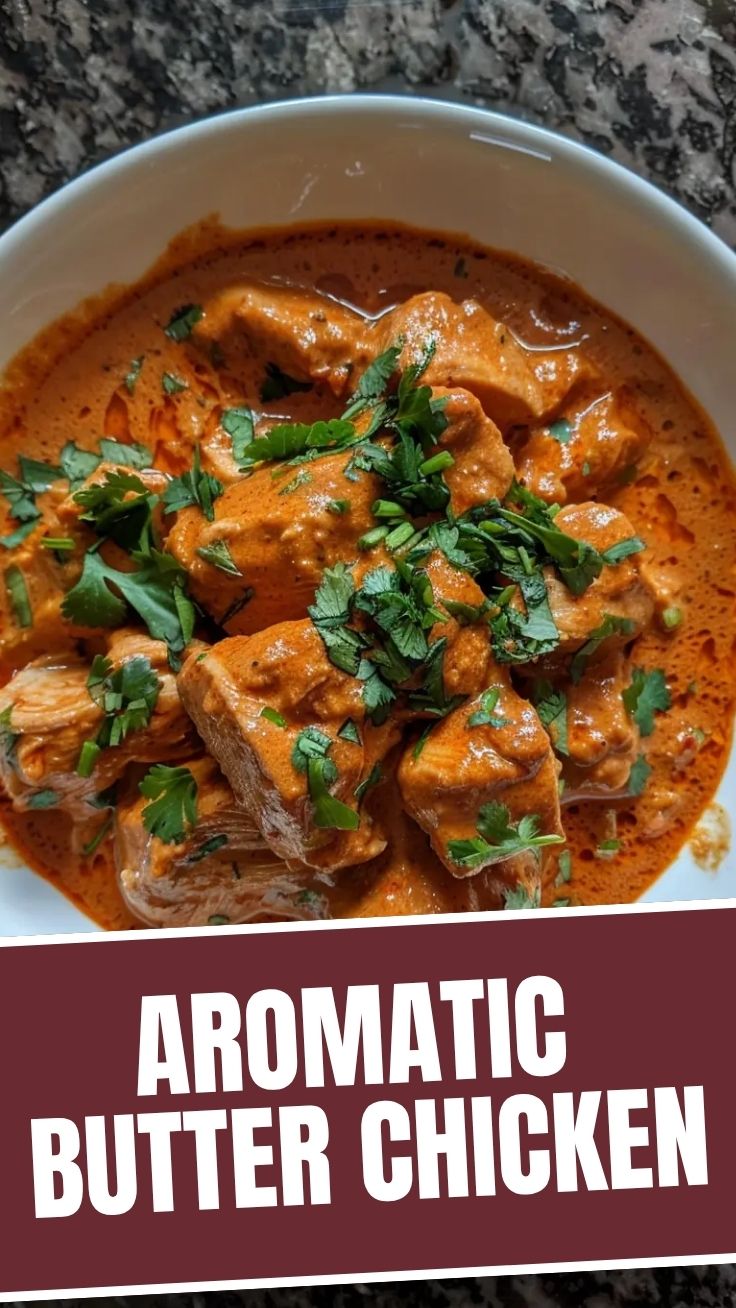
In this step, you can see how the creamy texture of this Butter Chicken mimics the richness of the original, while the spice layering is reminiscent of a well-executed Chicken Tikka Masala. Both dishes rely on a yogurt marinade and a tomato-cream base, but this version keeps things dairy-free without losing any comfort.
—
Nutritional Benefits & Advantages
This dairy-free butter chicken offers several health perks:
– Lower saturated fat compared to traditional recipes made with heavy cream and butter. Coconut milk provides medium-chain triglycerides (MCTs) that may support metabolism.
– High protein from chicken thighs (about 25 g per serving) aids muscle repair and satiety.
– Antioxidant-rich spices: Turmeric (curcumin) has anti-inflammatory properties; ginger aids digestion; cumin and coriander support gut health.
– Dairy-free and lactose-free – ideal for those with lactose intolerance or plant-based diets (if using vegan yogurt and skipping ghee).
– No refined sugars when using honey or maple syrup in moderation.
Compared to a standard butter chicken, this version cuts calories by roughly 30–40% while still delivering a satisfying, creamy mouthfeel.
—
Tips Variations & Cooking Advice
– Spice level: Adjust cayenne and chili powder to your heat preference. For a milder dish, reduce or omit cayenne.
– Make it vegan: Substitute chicken with firm tofu or chickpeas (add them after blending the sauce). Use vegan yogurt and skip the broiling step.
– Gluten-free: This recipe is naturally gluten-free; serve with rice or gluten-free naan.
– Smoky flavor: Add ½ tsp smoked paprika or a drop of liquid smoke to the sauce.
– Creamier texture: Use a can of full-fat coconut milk (not light) for maximum richness.
– Slow cooker method: After broiling chicken and making sauce, combine everything in a slow cooker and cook on low for 2–3 hours.
– Meal prep: Cook the sauce in bulk and freeze separately from the chicken. Combine when ready to serve.
—
Common Mistakes to Avoid
| Mistake | Solution |
|———|———-|
| Overcooking chicken leading to dryness | Use thighs instead of breast; broil only until charred, not fully done. |
| Sauce too acidic | Add a pinch of baking soda or extra sweetener to balance. |
| Sauce separated or grainy | Ensure canned coconut milk is well-shaken; cook sauce on low heat after adding. |
| Bland flavor | Marinate chicken long enough; don’t skip blooming spices in hot oil. |
| Too watery | Simmer the tomato base uncovered until thickened before adding coconut milk. |
—
Storage & Meal Prep Tips
– Refrigeration: Store in an airtight container for up to 4 days. The flavors often deepen overnight.
– Freezing: Freeze the sauce alone (without chicken) for up to 3 months. Defrost overnight in the fridge, then add freshly cooked chicken.
– Reheating: Gently warm on the stovetop over low heat, adding a splash of coconut milk or water if the sauce thickens. Avoid microwaving on high, which can cause the coconut milk to separate.
– Keeping chicken moist: Reheat slowly; if using frozen chicken, thaw completely before adding to sauce, then simmer for 5–7 minutes.
—
Conclusion
There you have it—a restaurant-quality Butter Chicken that’s entirely dairy-free yet every bit as indulgent as the classic. By crafting this dish at home, you’ve taken control of your ingredients, avoided hidden additives, and opened the door to endless customizations. The creamy, aromatic sauce pairs beautifully with rice or flatbread, and the leftovers are just as good the next day. If you enjoyed this recipe, you’ll likely love exploring a Chicken Tikka Masala as your next project—they share a similar backbone of yogurt-marinated chicken in a tomato-spice sauce, but the latter often uses cream and a slightly different spice blend. Either way, you’ve now got a reliable, crowd-pleasing curry in your repertoire. Give this recipe a try, snap a photo of your creation, and share your experience—we’d love to hear how it turned out!
—
FAQs
Q1: Can I use regular dairy yogurt instead of dairy-free?
Yes, but then the recipe won’t be dairy-free. Substitute plain full-fat Greek yogurt for the same tang and tenderness.
Q2: My sauce turned out too thin. What went wrong?
You may have added too much coconut milk or didn’t reduce the tomato base sufficiently. Simmer the sauce uncovered for 5–10 more minutes to thicken.
Q3: How do I avoid a bitter taste from the spices?
Bloom your spices (cumin, garam masala, etc.) in hot oil for 30 seconds before adding liquids. Never burn them—use medium heat.
Q4: Can I make this recipe without a blender?
Absolutely. Simply leave the sauce chunky (like a rustic curry). Alternatively, mash the cooked onions and tomatoes with a potato masher before adding coconut milk.
Q5: Is this recipe freezer-friendly?
Yes, but freeze the sauce separately from the chicken for best texture. When reheating, add fresh broiled or pan-seared chicken pieces for optimal moisture.
Butter Chicken
Ingredients
Equipment
Method
- Melt butter in a large skillet over medium heat and sauté chopped onion until translucent.
- Add minced garlic and grated ginger, cooking for another minute until fragrant.
- Stir in chicken cubes and cook until lightly browned on all sides.
- Pour in tomato puree, then add garam masala, turmeric, salt, and pepper; simmer for 10 minutes until chicken is cooked through.
- Finally, stir in heavy cream and cook for an additional 2-3 minutes until the sauce is heated through and slightly thickened.