The Ultimate Guide to Perfect Oatmeal Cookies: Crispy, Chewy, and Irresistible
Have you ever bitten into a store-bought cookie only to be disappointed by its dry texture or artificial taste? There’s nothing quite like the aroma of freshly baked Oatmeal Cookies wafting through your kitchen—a scent that promises warmth, comfort, and homemade goodness. Preparing these cookies from scratch not only ensures superior flavor and texture but also allows you to control the ingredients, making them a healthier choice for your family. In this comprehensive guide, we’ll walk you through every step to achieve bakery-quality results, whether you prefer them crispy-edged or soft and chewy. Along the way, we’ll explore variations like oatmeal raisin cookies and share expert tips to elevate your baking game.
Ingredients & Kitchen Tools
Essential Ingredients
– Rolled oats (old-fashioned): Provides hearty texture and chewiness. Avoid quick oats for best results.
– All-purpose flour: Gives structure. Substitute with gluten-free blend if needed.
– Unsalted butter: Softened to room temperature for proper creaming.
– Brown sugar (light or dark): Adds moisture and depth of flavor.
– Granulated sugar: Contributes to crispiness.
– Eggs: Large, at room temperature for better incorporation.
– Vanilla extract: Pure, not imitation, for rich aroma.
– Baking soda: Leavening agent for spread and lift.
– Salt: Balances sweetness.
– Cinnamon: Warm spice that complements oats.
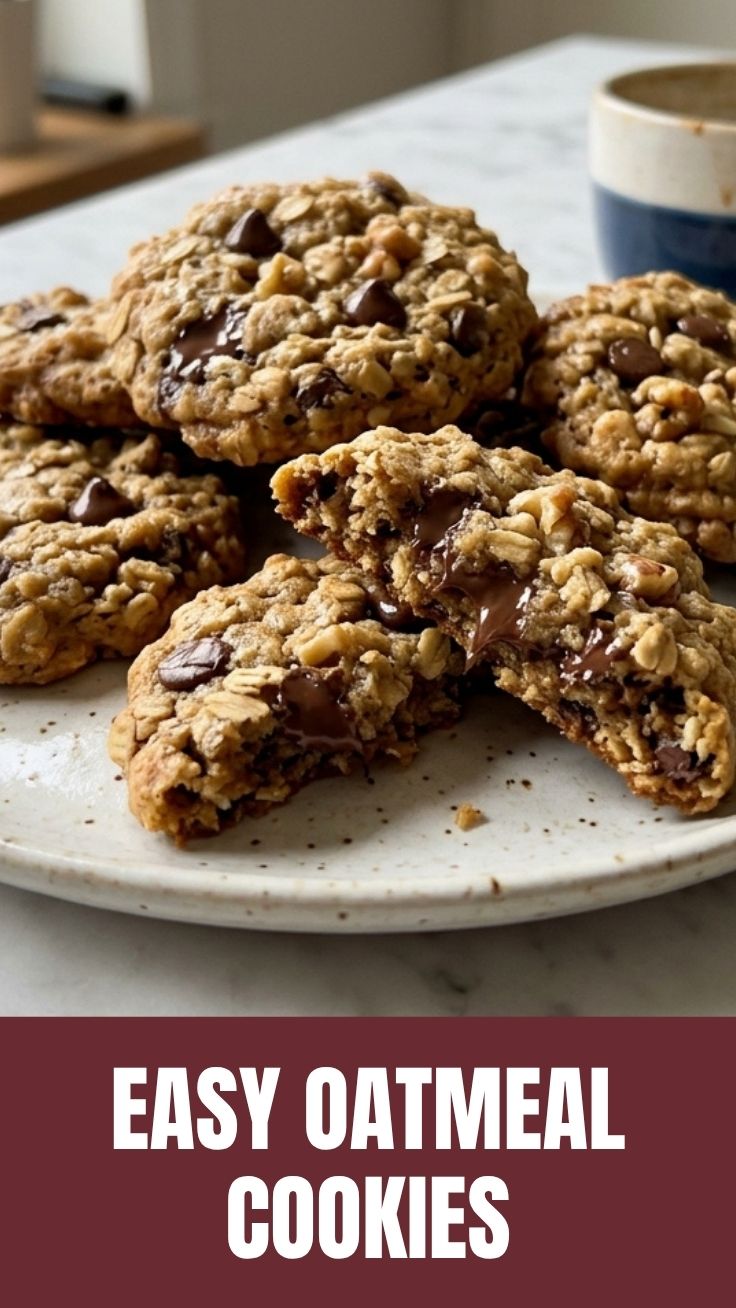
– Optional add-ins: Raisins, chocolate chips, chopped nuts, or dried cranberries.
Required Tools
– Mixing bowls: Large for dough, small for dry ingredients.
– Electric mixer: Stand or hand mixer for creaming butter and sugars.
– Baking sheets: Light-colored, nonstick or lined with parchment.
– Wire rack: For cooling cookies evenly.
– Measuring cups and spoons: Accurate measurements are critical.
– Cookie scoop: Ensures uniform size for even baking.
– Spatula: Flexible silicone for scraping bowl.
– Parchment paper: Prevents sticking and promotes browning.
Optional Substitutions
– Butter substitute: Vegan butter or coconut oil (chilled solid).
– Egg replacement: Flax egg (1 tbsp ground flax + 3 tbsp water).
– Sugar alternatives: Coconut sugar for deeper caramel notes.
– Gluten-free: Certified GF oat flour or 1:1 baking blend.
Prep Time & Cooking Schedule
– Prep Time: 15 minutes (gather ingredients, measure, soften butter)
– Chill Time: 30 minutes (critical for preventing excessive spread)
– Bake Time: 10-12 minutes per batch (conventional oven at 350°F/175°C)
– Cool Time: 5 minutes on sheet, then transfer to wire rack
> Planning Tip: Make dough ahead and refrigerate overnight. Cookies baked from chilled dough develop deeper flavor and better texture.
Step-by-Step Instructions
Creating perfect Oatmeal Cookies requires patience and attention to detail. Follow these steps precisely for consistent results batch after batch.
1. Preheat oven to 350°F (175°C). Line baking sheets with parchment paper.
2. Cream butter and sugars: In a large bowl, beat 1 cup (16 tbsp) softened unsalted butter with 1 cup brown sugar and ½ cup granulated sugar until light and fluffy—about 3 minutes. Scrape sides halfway through.
3. Add eggs and vanilla: Beat in 2 large eggs one at a time, then 2 tsp vanilla extract. Mixture should look smooth and slightly glossy.
4. Combine dry ingredients: In a separate bowl, whisk 1½ cups all-purpose flour, 1 tsp baking soda, 1 tsp cinnamon, and ½ tsp salt.
5. Mix wet and dry: Gradually add dry mixture to wet mixture on low speed until just combined—do not overmix.
6. Fold in oats: Stir in 3 cups rolled oats using a spatula. Add 1 cup raisins if making oatmeal raisin cookies.
7. Chill dough: Cover bowl and refrigerate for 30 minutes (minimum). This prevents spreading and deepens flavor.
8. Scoop and arrange: Use a 1.5-tablespoon cookie scoop to portion dough. Place 2 inches apart on prepared sheets.
9. Bake: One sheet at a time, bake 10-12 minutes. Edges should be golden brown, centers still soft.
10. Cool: Let cookies rest on hot sheet for 5 minutes—they continue cooking from residual heat. Transfer to wire rack to cool completely.
Texture cue: For crisper cookies, bake 1-2 minutes longer. For chewier results, remove when centers appear slightly underdone.
Nutritional Benefits & Advantages
Oatmeal Cookies offer surprising nutritional value compared to standard sugar cookies. Oats are rich in soluble fiber (beta-glucan), which supports heart health by lowering LDL cholesterol. A single serving (2 cookies) provides:
– ~180 calories (varies with add-ins)
– 3g fiber (12% daily value)
– 4g protein
– 10% daily iron
When you opt for oatmeal raisin cookies, you add antioxidants from raisins (flavonoids) and natural sweetness, allowing you to reduce granulated sugar. Cinnamon contributes anti-inflammatory properties and may help regulate blood sugar. By baking at home, you avoid preservatives, artificial flavors, and trans fats common in commercial cookies.
> Dietary advantage: This recipe can be adapted to be egg-free or dairy-free without sacrificing texture—perfect for those with dietary restrictions.
Tips Variations & Cooking Advice
Flavor Twists
– Sea salt finish: Sprinkle flaky sea salt on cookies before baking for sweet-salty contrast.
– Coconut-almond: Substitute ½ cup raisins with shredded coconut and slivered almonds.
– Chocolate lovers: Replace raisins with dark chocolate chunks and add ¼ cup cocoa powder to dry ingredients.
Dietary Adaptations
– Gluten-free: Use certified gluten-free oat flour and 1:1 baking blend (ensure oats are GF).
– Vegan: Replace butter with cold-pressed coconut oil, use flax eggs, and choose dairy-free chocolate chips.
– Lower sugar: Reduce brown sugar to ¾ cup and increase cinnamon to 1½ tsp.
Technique Upgrades
– Toasting oats: Toast rolled oats in dry skillet for 3 minutes before adding—deepens nutty flavor.
– Resting dough: Let dough rest 24 hours in fridge for complex caramel notes.
– Batch baking: Freeze scooped dough balls on sheet tray, then transfer to freezer bag for fresh cookies anytime.
Common Mistakes to Avoid
| Mistake | Solution |
|———|———-|
| Overmixing dough | Mix only until flour disappears—overworking develops gluten, making cookies tough. |
| Skipping chill time | Room-temperature dough spreads into thin, crispy discs. Always chill 30+ minutes. |
| Using quick oats | Quick oats produce mushy texture. Stick with old-fashioned rolled oats for chewiness. |
| Overcrowding sheet | Cookies need 2 inches of space. Bake in batches for even heat circulation. |
| Baking too long | Centers should appear puffy and slightly underdone. Residual heat completes cooking. |
| Not rotating pan | Halfway through baking, rotate sheet 180° for even browning. |
Storage & Meal Prep Tips
Counter storage: Place completely cooled Oatmeal Cookies in an airtight container with a slice of bread (replaces moisture absorbed). They stay fresh for 5 days at room temperature.
Freezer: Freeze baked cookies in single layer on sheet tray, then transfer to freezer bag. Reheat directly from frozen at 300°F for 5 minutes. Dough balls freeze beautifully—just add 2 minutes to bake time without thawing.
Reheating: For that just-baked texture, microwave one cookie for 10 seconds or warm in toaster oven at 300°F for 3 minutes.
Meal prep: Double the batch and freeze half the dough. You’re always 15 minutes away from fresh oatmeal raisin cookies.
Conclusion
Mastering homemade Oatmeal Cookies transforms a simple treat into a customizable, wholesome indulgence. By following these precise steps—from chilling the dough to watching for golden edges—you’ll consistently produce cookies with perfect crispy edges and chewy centers. Whether you stick with classic or experiment with oatmeal raisin cookies, the home-baked version always surpasses store-bought in flavor and nutrition. We’d love to see your results! Share your cookie snapshots in the comments or tag us on social media. For more baking inspiration, explore our collection of cookie recipes that put homemade first.
FAQs
1. Can I substitute all-purpose flour with whole wheat flour?
Yes, but replace only half the amount (use ¾ cup whole wheat + ¾ cup all-purpose). Whole wheat absorbs more moisture, so add 1-2 tbsp milk if dough seems dry.
2. Why did my cookies turn out flat and greasy?
Three common culprits: butter too soft (should be cool but pliable), skipping chill time, or baking soda expired. Test leavener by dropping in vinegar—should fizz vigorously.
3. How do I make these cookies dairy-free?
Replace butter with solid coconut oil (room temperature) or vegan butter sticks. Oat milk can substitute for any added liquid, though this recipe doesn’t require milk.
4. Can I reduce sugar without ruining texture?
Yes, reduce brown sugar to ¾ cup and granulated sugar to ¼ cup. Add ¼ cup unsweetened applesauce to maintain moisture—this also makes cookies slightly cake-like.
5. What’s the best way to keep cookies soft for days?
Add 2 tbsp cornstarch to dry ingredients (reduce flour by same amount). Store with a slice of bread in the container—replace bread every 2 days to prevent mold.
Best way to grow Oatmeal Cookies with 3 tips.Oatmeal Cookies
Ingredients
Equipment
Method
- Preheat oven to 350°F (175°C) and line baking sheets with parchment paper.
- In a medium bowl, whisk together flour, baking soda, salt, and cinnamon; set aside.
- In a large bowl, cream together softened butter, granulated sugar, and brown sugar until light and fluffy.
- Beat in the egg and vanilla extract until well combined.
- Gradually add the dry ingredients to the wet ingredients, mixing until just combined.
- Fold in the rolled oats and raisins (if using) until evenly distributed.
- Drop rounded tablespoons of dough onto the prepared baking sheets, spacing them about 2 inches apart.
- Bake for 10-12 minutes, or until the edges are golden brown and the centers are set.
- Let cookies cool on the baking sheets for a few minutes before transferring to a wire rack to cool completely.