The Ultimate Guide to the Best Homemade Beef Lasagna
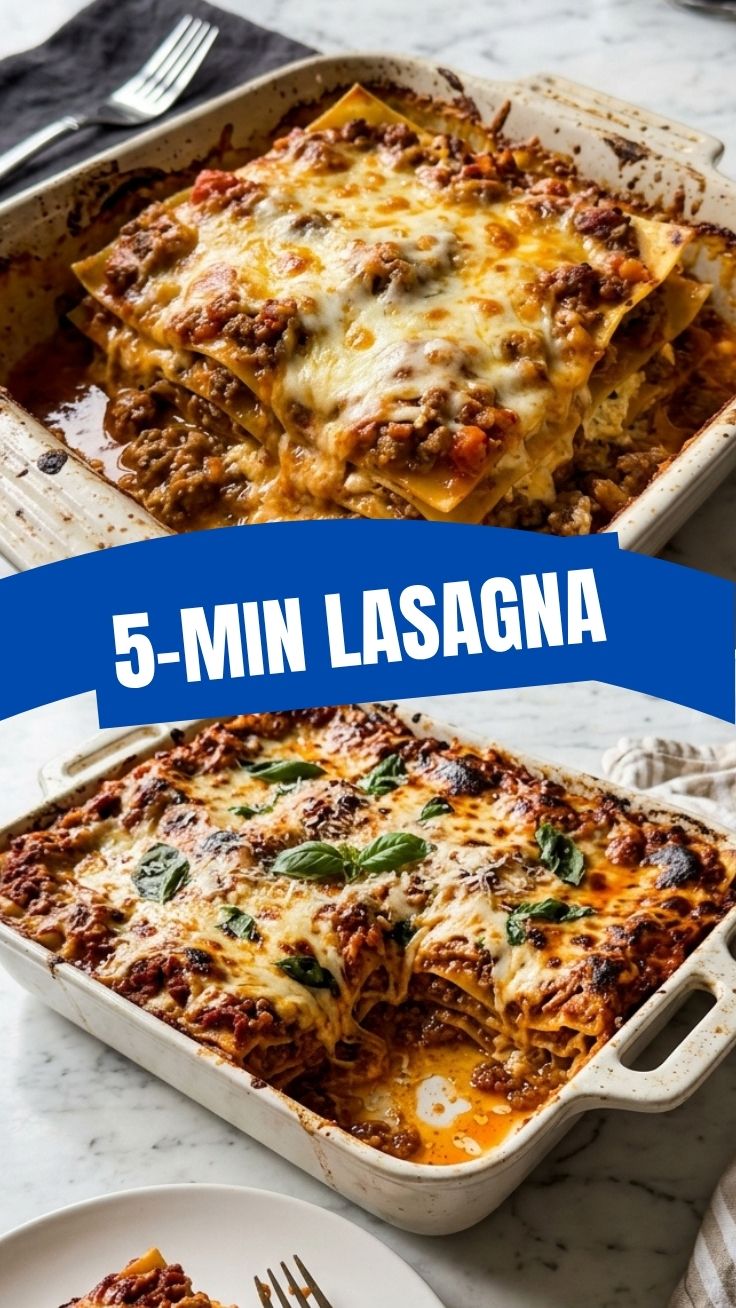
Have you ever craved that perfect, hearty, and cheesy comfort meal that feels like a warm hug on a plate? There’s a reason why this classic dish remains a family favorite for generations. Preparing it at home not only fills your kitchen with an irresistible aroma but also gives you complete control over the quality of ingredients, ensuring a healthier and far more flavorful result. This Lasagna recipe is a true celebration of Italian cuisine, transforming simple pantry staples into a layered masterpiece of rich meat sauce, creamy béchamel, and perfectly melted cheese.
Ingredients & Kitchen Tools
To build the perfect lasagna, you need the right building blocks and equipment. Here’s your complete shopping and prep list.
For the Meat Sauce (Ragù)
– 1 lb ground beef (80/20): Provides rich flavor; the fat content ensures a moist sauce. Swap: Ground pork or a mix of beef and Italian sausage.
– 1 medium yellow onion (diced): Aromatic base for the sauce.
– 3 cloves garlic (minced): Essential for depth of flavor.
– 1 can (28 oz) crushed tomatoes: Smooth texture; use San Marzano for a sweeter taste.
– 2 tbsp tomato paste: Concentrates umami and thickens the sauce.
– 1 tsp dried oregano & 1 tsp dried basil: Herb backbone of the sauce. Swap: 2 tbsp fresh herbs.
– Salt, black pepper, and a pinch of red pepper flakes: To taste.
For the Cheese Layers
– 15 oz whole-milk ricotta cheese: Creamy interior. Swap: Cottage cheese (drained) for a lighter option.
– 2 cups shredded low-moisture mozzarella: Best melt; avoid fresh mozzarella which makes the dish watery.
– 1 cup grated Parmesan cheese: Sharp, salty finish. Swap: Pecorino Romano for a stronger bite.
– 1 large egg: Binds the ricotta layer.
– Fresh parsley or basil (chopped): For color and freshness.
For the Noodles & Assembly
– 12 lasagna noodles (oven-ready or boiled): Oven-ready saves time; cook regular noodles until al dente (about 8 minutes).
– Olive oil: For sautéing.
Essential Tools
– Large, heavy-bottomed pot or Dutch oven: For simmering the sauce.
– 9×13-inch baking dish: Standard lasagna pan.
– Mixing bowls: For ricotta mixture.
– Cheese grater: Always grate your own cheese for better melt and flavor.
– Aluminum foil: To prevent burning the top.
Prep Time & Cooking Schedule
Planning ahead ensures your dinner is ready when you want it. Here’s the timeline:
– Prep Time: 30 minutes (chopping, grating, making sauce)
– Cooking Time (Sauce): 30 minutes (simmering)
– Assembly Time: 10 minutes
– Baking Time: 45 minutes at 375°F (190°C), plus 10 minutes resting
– Total Active Time: ~1 hour 15 minutes
Tip for Meal Planners: The sauce and cheese mixture can be made a day ahead. Assemble the lasagna the day before and refrigerate; add 10–15 minutes to the bake time.
Step-by-Step Instructions
Follow these steps to guarantee a perfectly structured lasagna without a soggy bottom or burned edges.
1. Make the Meat Sauce:
In a large Dutch oven over medium-high heat, add 1 tbsp olive oil. Brown the ground beef, breaking it apart with a spoon (about 5 minutes). Do not crowd the pan. Once browned, add the onion and cook until softened (3 minutes). Stir in garlic, tomato paste, oregano, and basil. Cook for 1 minute until fragrant. Pour in the crushed tomatoes, reduce heat to low, and simmer uncovered for 25 minutes. Season with salt and pepper. The sauce should thicken slightly.
2. Prepare the Ricotta Layer:
In a medium bowl, combine the ricotta, 1 cup of the mozzarella, ½ cup of the Parmesan, the egg, parsley, a pinch of salt, and a grind of black pepper. Mix well.
3. Cook the Noodles (if not oven-ready):
Bring a large pot of salted water to a boil. Cook noodles al dente according to package directions (usually 7–8 minutes). Drain carefully and lay them flat on a sheet of parchment paper to prevent sticking.
4. Layer Like a Pro:
Spread ¾ cup of meat sauce on the bottom of the 9×13 baking dish (this prevents sticking). Place 3 noodles side by side on top.
– Layer 1: Spread ⅓ of the ricotta mixture over the noodles. Top with ⅓ of the remaining meat sauce. Sprinkle with ½ cup mozzarella and 2 tbsp Parmesan.
– Layer 2: Repeat with 3 noodles, ½ of the remaining ricotta mixture, ½ of the remaining meat sauce, ½ cup mozzarella, and 2 tbsp Parmesan.
– Layer 3: Place last 3 noodles, top with remaining ricotta, and remaining meat sauce.
– Final Layer: Sprinkle the last 1 cup of mozzarella and ¼ cup of Parmesan on top.
5. Bake to Golden Perfection:
Cover tightly with foil (spray the foil with oil to prevent cheese sticking). Bake at 375°F (190°C) for 25 minutes. Remove foil and bake another 20 minutes until bubbling and the cheese is golden brown. This two-stage process is crucial for cooking the layers evenly without drying out the top. Let the lasagna rest for 10 minutes before slicing. This resting period allows the layers to set, ensuring clean slices and a stable structure—a hallmark technique in traditional Italian cuisine. When serving a classic Lasagna, this patience is key.
Nutritional Benefits & Advantages
A well-made beef lasagna is more satisfying than many processed meals. Here’s what each serving (approximately 1/8 of the dish) provides:
– Protein: Approximately 25–30 grams from beef, ricotta, and mozzarella, supporting muscle health and satiety.
– Calcium: Over 400 mg from dairy, crucial for bone health.
– Lycopene: Crushed tomatoes are rich in lycopene, a powerful antioxidant linked to heart health and reduced inflammation. Cooking tomatoes actually increases lycopene bioavailability.
– Carbohydrates: About 40g, mostly from noodles, providing steady energy.
– Dietary Fat: 18–22g (mostly unsaturated from olive oil and mozzarella), which aids vitamin absorption.
Advantage over restaurant lasagna: You control sodium levels, oil quantity, and the quality of the meat and cheese.
Tips Variations & Cooking Advice
Tailor this recipe to your preferences or dietary needs without sacrificing flavor.
– Vegetarian Version: Swap beef for 1 lb of sautéed mushrooms (cremini or portobello) and 1 cup of cooked lentils. Add 1 cup of spinach with the tomatoes.
– Gluten-Free: Use certified gluten-free oven-ready lasagna noodles. Be sure to slightly undercook them to avoid mushiness. Mix 1 tbsp cornstarch with 2 tbsp cold water to thicken the ricotta if needed.
– Dairy-Free/Lighter: Use a high-quality dairy-free mozzarella shred (look for one that melts). For ricotta, try a firm tofu blend blended with nutritional yeast, garlic, and a splash of lemon juice.
– Flavor Variations: Add a layer of sautéed spinach or roasted zucchini between the meat and cheese layers. For a kick, mix ½ tsp red pepper flakes into the meat sauce.
– Cooking Method: This recipe works great in a 9×13 dish but can be halved for an 8×8 pan (reduce bake time by 10 minutes).
Common Mistakes to Avoid
Avoid these pitfalls for a perfect lasagna every time.
| Mistake | What Happens | How to Fix |
| :— | :— | :— |
| Watery lasagna | Greasy, soupy layers that slide apart. | Solution: Do not rinse cooked noodles (the starch helps bind the sauce). Ensure your sauce is simmered to a thick consistency. If using fresh mozzarella, let it drain on paper towels for 15 minutes before adding. |
| Burnt top with cold center | Cheese chars while the middle stays cool. | Solution: Always bake covered for the first 25 minutes. The foil traps steam, cooking all layers evenly. |
| Soggy noodles | Noodles turn to mush. | Solution: Cook pasta al dente (1–2 minutes less than package directs). For oven-ready noodles, ensure the sauce is sufficiently liquid for them to soften during baking. |
| Hard, dry top layer | Top noodles are brittle and hard. | Solution: Ensure the final meat sauce layer extends to the edges of the dish. If the top looks dry after baking, brush with a little olive oil or extra tomato sauce. |
Storage & Meal Prep Tips
Lasagna is a meal prep superstar. Here’s how to keep it fresh.
– Refrigerator: Cool the lasagna completely (within 2 hours of baking). Cover tightly with plastic wrap or foil. Store for 3–4 days.
– Freezer: This lasagna freezes beautifully. Wrap the entire dish in a layer of plastic wrap, then a layer of heavy-duty foil. Alternatively, freeze portions in airtight containers. Freeze for up to 3 months.
– Reheating: For best texture, reheat in the oven at 350°F (175°C) for 15–20 minutes (covered with foil). For individual slices, use the microwave (1–2 minutes) or air fryer (5 minutes at 350°F). To refresh the top, broil for 1 minute at the end.
– Meal Prep Tip: Assemble the lasagna completely, but do not bake. Cover and refrigerate for up to 24 hours, or freeze unbaked. When ready to bake, add 15–20 minutes to the covered bake time if starting cold.
Conclusion
Making a layered beef lasagna from scratch is a rewarding project that fills your home with incredible aromas and your table with a show-stopping dish. The rich meat sauce, creamy ricotta, and bubbling golden cheese create a symphony of textures and flavors that defines comfort food at its best. Whether you are mastering this timeless Lasagna for a busy weeknight or a special family gathering, every bite reflects the warmth and tradition of authentic Italian cuisine. I encourage you to try this recipe, adjust it to your taste, and share your beautiful results in the comments below.
FAQs
Q: Can I use no-boil noodles for this recipe?
A: Absolutely. Simply use oven-ready noodles. Ensure your sauce has enough liquid (it should be slightly looser than normal) for the noodles to soften during baking. Proceed with the same layering and baking times.
Q: Why is my lasagna runny after baking?
A: The most common culprit is excess moisture from vegetables or cheese. Always drain ricotta or cottage cheese well. If using fresh mozzarella, slice it and let it sit on paper towels for 15 minutes. Also, simmer your meat sauce until it’s thick—a watery sauce will steam the noodles into mush.
Q: How do I prevent the cheese from sticking to the foil?
A: Spray the side of the foil that touches the cheese with non-stick cooking spray or brush it lightly with olive oil. This creates a barrier so when you peel it off, the cheese stays in place.
Q: Can I substitute cottage cheese for ricotta?
A: Yes, but with one step. Place cottage cheese in a fine-mesh strainer and let it drain for 30 minutes. Then blend it briefly in a food processor until smooth. This gives you a similar texture to ricotta without the grainy curds.
Q: What can I add to make it spicier?
A: Simple! Add ½ to 1 teaspoon of red pepper flakes directly to the meat sauce while it simmers. You can also use hot Italian sausage instead of some of the ground beef for an extra layer of heat and flavor.
Best way to grow perfect Lasagna in 7 stepsLasagna
Ingredients
Equipment
Method
- Prepare your "soil" by preheating the oven to 375°F (190°C) and browning the ground beef in a large skillet; drain any excess fat.
- Cultivate your "sauce seeds" by combining crushed tomatoes, tomato paste, minced garlic, chopped onion, olive oil, Italian seasoning, salt, and pepper in a pot, simmering for 20 minutes.
- Plant your "noodle rows" by spreading a thin layer of sauce in a 9x13 inch baking dish, then arranging a single layer of lasagna noodles over it.
- Nourish your "plants" with cheese by mixing ricotta, egg, and half of the Parmesan cheese, then spreading half of this mixture over the noodles.
- Water your "garden" with more sauce and sprinkle with mozzarella and ground beef, repeating the layers until all ingredients are used.
- Allow your "crop" to bake, covered, for 25 minutes, then uncover and bake for another 20-25 minutes until golden and bubbly.
- Harvest and enjoy your perfect lasagna after letting it rest for 10-15 minutes, garnished with fresh basil.