Unleash Your Inner Baker: Crafting the Perfect Homemade Focaccia Bread
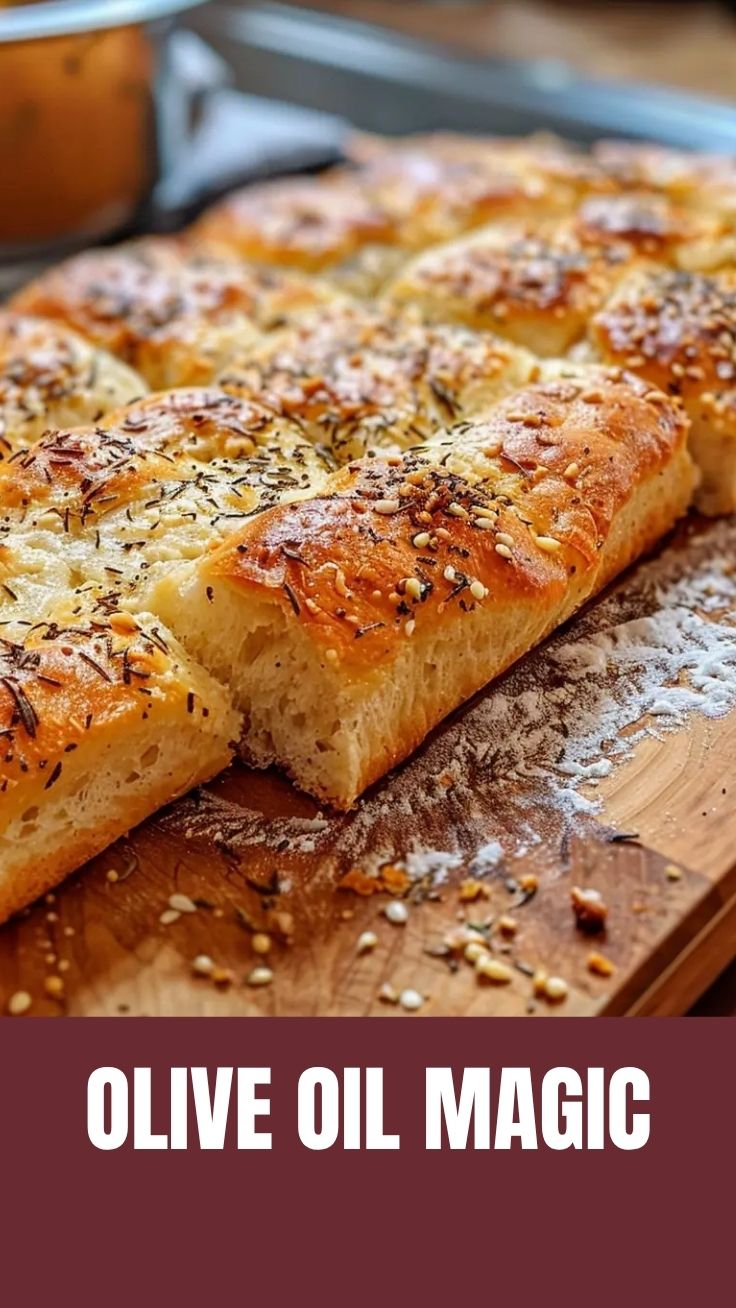
Ever wondered if you could recreate that irresistible aroma and fluffy texture of bakery-quality bread right in your own kitchen? The answer, unequivocally, is yes! Today, we’re diving deep into the art of making Focaccia Bread – a culinary masterpiece that’s surprisingly rewarding to prepare at home. Beyond the incredible flavor and satisfying chew, crafting your own focaccia offers a unique sense of accomplishment and allows for endless customization. Forget those store-bought imitations; this recipe will guide you to a truly authentic and outstanding Artisan Focaccia, perfect for dipping in olive oil, as a sandwich base, or alongside your favorite Italian dishes.
Ingredients & Kitchen Tools
- All-Purpose Flour (500g): The foundation of our bread. While strong bread flour can also be used, all-purpose provides a great balance of chew and tenderness.
- Warm Water (400ml): Crucial for activating the yeast. Aim for around 105-115°F (40-46°C) – think warm bathwater, not hot.
- Active Dry Yeast (7g / 2 ¼ teaspoons): The magic behind the rise. Ensure it’s fresh for optimal results.
- Fine Sea Salt (10g / 1 ¾ teaspoons): Enhances flavor and controls yeast activity. Do not confuse with coarse salt.
- Extra Virgin Olive Oil (60ml, plus extra for drizzling): Essential for flavor, texture, and preventing sticking. Use a good quality oil for the best taste.
- Granulated Sugar (5g / 1 teaspoon): A little sweetness helps activate the yeast and balances the salt.
- Flaky Sea Salt (for topping): Provides a beautiful crunch and burst of salinity.
- Fresh Rosemary (2-3 sprigs, finely chopped): Classic focaccia topping, adds an aromatic, peppery note.
- Baking Sheet (9×13 inch or similar): A sturdy sheet pan is ideal.
- Large Mixing Bowl: For combining ingredients and dough proofing.
- Plastic Wrap or Clean Kitchen Towel: To cover the dough during proofing.
- Measuring Cups & Spoons: For accurate ingredient quantities.
- Whisk: To dissolve yeast and sugar.
- Rubber Spatula or Danish Dough Whisk: For initial mixing.
Prep Time & Cooking Schedule
- Prep Time: 20 minutes (active mixing)
- First Proofing: 1.5 – 2 hours
- Second Proofing: 30 minutes
- Bake Time: 20-25 minutes
This recipe requires patience due to proofing times, but the active preparation is minimal. Plan to start your focaccia several hours before you intend to serve it, allowing ample time for the dough to develop flavor and rise properly. The long, slow fermentation is key to that characteristic chewy texture.
Step-by-Step Instructions
1. Activate the Yeast: In your large mixing bowl, combine the warm water, granulated sugar, and active dry yeast. Stir gently and let it sit for 5-10 minutes. It should become foamy, indicating the yeast is alive and active.
2. Combine Wet & Dry: Add 2 tablespoons of extra virgin olive oil and the fine sea salt to the yeast mixture. Gradually add the all-purpose flour, mixing with a rubber spatula or Danish dough whisk until a shaggy, hydrated dough forms. It will be quite wet and sticky – this is normal for Focaccia Bread dough. Do not overmix.
3. First Proofing: Drizzle a little olive oil over the surface of the dough, cover the bowl tightly with plastic wrap or a clean kitchen towel, and let it rise in a warm spot for 1.5 to 2 hours, or until doubled in size.
4. Prepare Baking Sheet: Generously drizzle 2-3 tablespoons of extra virgin olive oil onto your baking sheet. Spread it evenly to coat the entire surface.
5. Transfer and Stretch: Gently deflate the risen dough and carefully transfer it to the oiled baking sheet. Drizzle more olive oil over the top of the dough.
6. Second Proofing & Dimpling: Using your oiled fingertips, gently dimple the dough, pushing your fingers almost all the way through to the baking sheet. This creates those signature pockets and allows the toppings to nestle in. Sprinkle generously with fresh rosemary and flaky sea salt. Let the dough rest for another 30 minutes. This final proofing helps create a truly memorable Artisan Focaccia.
7. Preheat Oven & Bake: Preheat your oven to 425°F (220°C) with a rack in the middle. Bake for 20-25 minutes, or until the focaccia is golden brown and sounds hollow when tapped on the bottom.
8. Cool & Serve: Once baked, carefully transfer the focaccia to a wire rack to cool slightly. Serve warm or at room temperature.
Nutritional Benefits & Advantages
Homemade focaccia, especially when made with quality olive oil, offers more than just deliciousness. Extra virgin olive oil is packed with monounsaturated fats, which are beneficial for heart health. While bread is often seen as a carb-heavy food, the fermentation process can sometimes make the grains more digestible. You also have full control over the ingredients, allowing you to choose organic flours and fresh herbs, avoiding unwanted additives found in many pre-made options.
Tips, Variations & Cooking Advice
- Flavor Boosts: Experiment with toppings! Sun-dried tomatoes, sliced olives, caramelized onions, garlic, or a sprinkle of Parmesan cheese are all fantastic additions.
- Herb Combos: Thyme, oregano, or a mix of Italian herbs can replace or complement rosemary.
- Gluten-Free Option: For a gluten-free version, use a high-quality gluten-free all-purpose flour blend, often with a little xanthan gum added for structure. Keep in mind the texture will be slightly different.
- Hydration is Key: Don’t be tempted to add more flour if the dough seems too sticky. A high hydration is what gives focaccia its characteristic open crumb.
- For a Thicker Focaccia: Use a smaller baking dish (e.g., an 8×8 inch pan) for a chunkier, more substantial loaf.
Common Mistakes to Avoid
- Not Activating Yeast: If your yeast doesn’t foam, it’s likely dead or the water wasn’t the right temperature. Start fresh with new yeast.
- Overworking the Dough: Focaccia dough should be handled gently. Overworking will develop too much gluten, resulting in a tough, dense bread instead of a light and airy one.
- Not Enough Oil: Focaccia loves olive oil! Don’t skimp on oiling the pan or drizzling it on top; it contributes to both flavor and a crispy crust.
- Under-Baking: An underbaked focaccia will be pale and doughy in the center. Ensure it’s deeply golden brown for that perfect crust and cooked-through interior.
Storage & Meal Preps Tips
Store leftover focaccia at room temperature, wrapped in plastic wrap or an airtight container, for up to 2-3 days. To freeze, wrap individual slices or the whole loaf tightly in plastic wrap, then aluminum foil. It will keep for up to 3 months. To reheat, thaw if frozen, then warm in a preheated oven at 350°F (175°C) for 5-10 minutes, or until warmed through and crispy. This is an excellent make-ahead item; you can even prepare the dough the day before and let it do its first proof in the refrigerator overnight for enhanced flavor.
Conclusion
Mastering homemade Focaccia Bread is a deeply satisfying journey, transforming simple ingredients into a fragrant, golden masterpiece. This recipe provides a solid foundation for you to explore endless flavor combinations and truly make it your own. We encourage you to roll up your sleeves, embrace the process, and discover the joy of baking a perfect Artisan Focaccia from scratch. Share your amazing creations with us in the comments below – we can’t wait to see your culinary triumphs!
FAQs
Q1: Can I make focaccia ahead of time?
A1: Absolutely! You can let the dough undergo its first proof in the refrigerator overnight (8-12 hours). Just bring it to room temperature for about an hour before proceeding with the second proof and baking.
Q2: My focaccia didn’t rise. What went wrong?
A2: The most common culprit is inactive yeast or water that’s too hot or cold. Ensure your yeast is fresh and the water temperature is within the recommended range.
Q3: Can I use different herbs than rosemary?
A3: Yes! Thyme, oregano, marjoram, or even a mix of dried Italian herbs work wonderfully. You can also add fresh garlic slices or finely chopped green olives for extra flavor.
Q4: How do I get those classic dimples?
A4: After the second proof, generously oil your fingertips and gently press them deep into the dough, almost touching the bottom of the pan. This creates pockets for olive oil and toppings to gather during baking.
Q5: What’s the best way to serve focaccia?
A5: Focaccia is incredibly versatile! Enjoy it on its own with a good quality olive oil, use it for sandwiches, serve it alongside soups or salads, or as an appetizer with dips like hummus or a bruschetta spread.
Proven way to grow perfect Focaccia Bread
Ingredients
Equipment
Method
- In a large bowl, dissolve yeast and sugar in warm water, then let it sit for 5-10 minutes until foamy.
- Add flour and salt to the yeast mixture, then mix until a shaggy dough forms.
- Cover the bowl with plastic wrap and let it rest at room temperature for 1-2 hours, or until doubled in size.
- Gently transfer the dough to a well-oiled baking sheet, then dimple it all over with your fingertips.
- Drizzle generously with olive oil and sprinkle with rosemary and flaky sea salt, if desired.
- Bake in a preheated oven at 220°C (425°F) for 20-25 minutes, or until golden brown.