The Ultimate Guide to Perfect Homemade Dinner Rolls: Soft, Buttery, and Irresistible
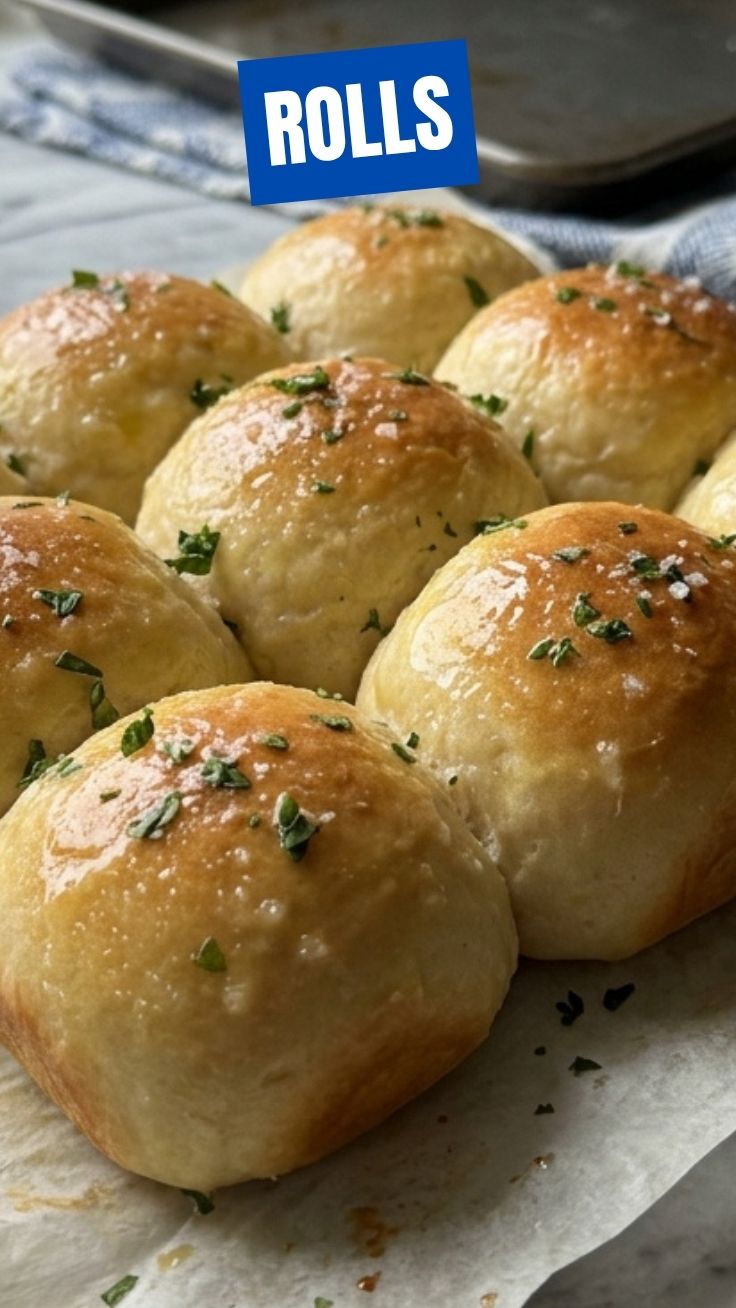
Have you ever pulled a tray of golden, fluffy rolls from the oven, only to watch them disappear within minutes? There’s something magical about the aroma of freshly baked bread filling your kitchen—a warm, comforting scent that promises connection and satisfaction. Whether you’re hosting a holiday feast or simply elevating a weeknight dinner, mastering homemade Dinner Rolls transforms a meal into an experience. Preparing them at home isn’t just about saving money; it’s about controlling ingredients, customizing flavors, and creating that irreplaceable “made with love” touch. This guide will walk you through every step, from mixing the dough to achieving that perfect golden crust, ensuring your rolls are soft, fluffy, and unforgettable.
Ingredients & Kitchen Tools
Essential Ingredients
– 3½ cups all-purpose flour (or bread flour for chewier texture) – Provides structure and gluten development.
– 1 packet (2¼ tsp) active dry yeast – The leavening agent; ensure it’s fresh for proper rise.
– 1 cup warm milk (110°F) – Activates yeast and adds tenderness; use whole milk for richness.
– ¼ cup granulated sugar – Feeds yeast and adds subtle sweetness.
– ¼ cup unsalted butter, melted – Enhances flavor and softness; substitute with vegan butter for dairy-free.
– 1 large egg – Adds richness and helps browning.
– 1 tsp salt – Balances sweetness and strengthens gluten.
– Optional: 2 tbsp honey – For extra moisture and a hint of floral sweetness.
Kitchen Tools
– Stand mixer with dough hook (or large bowl + wooden spoon)
– Measuring cups and spoons
– Kitchen scale (optional, but recommended for accuracy)
– 9×13-inch baking pan (or two 9-inch round pans)
– Clean kitchen towel (for covering dough)
– Pastry brush (for buttering tops)
– Instant-read thermometer (to check liquid temperature)
Substitutions
– Gluten-free: Use a 1:1 gluten-free flour blend with xanthan gum; expect slightly denser rolls.
– Dairy-free: Substitute milk with oat or almond milk, and use coconut oil instead of butter.
– Vegan: Replace the egg with a flax egg (1 tbsp ground flax + 3 tbsp water).
Prep Time & Cooking Schedule
– Prep Time: 20 minutes (active mixing and kneading)
– First Rise: 1–1½ hours (until doubled in size)
– Shaping Time: 15 minutes
– Second Rise: 30–45 minutes (until puffy)
– Baking Time: 15–18 minutes at 375°F
– Total Time: Approximately 2½ hours (largely hands-off)
Planning Tip: Start the dough in the morning for lunch rolls, or prepare it the night before and refrigerate the second rise overnight. This slow fermentation develops deeper flavor—perfect for busy schedules.
Step-by-Step Instructions
1. Activate the yeast: In a small bowl, combine warm milk (110°F) and 1 tablespoon of sugar. Sprinkle yeast on top and let sit for 5–10 minutes until frothy. If it doesn’t foam, your yeast may be expired—start over.
2. Mix the dough: In a stand mixer bowl, combine flour, remaining sugar, and salt. Add the yeast mixture, melted butter, and egg. Mix on low speed with the dough hook for 2 minutes, then medium speed for 4–6 minutes until the dough pulls away from the sides and is smooth and elastic.
3. First rise: Transfer dough to a lightly greased bowl, cover with a damp kitchen towel, and let rise in a warm spot (75–85°F) for 1–1½ hours until doubled. Pro tip: Place the bowl in an oven with the light on (no heat) for consistent warmth.
4. Shape the rolls: Punch down the dough and turn onto a floured surface. Divide into 12 equal pieces (about 60g each). Roll each piece into a smooth ball by cupping your hand and rolling against the surface. Place in a greased 9×13-inch pan, spacing evenly.
5. Second rise: Cover the pan with a towel and let rolls rise for 30–45 minutes until puffy and touching each other. Meanwhile, preheat your oven to 375°F. This is a critical moment in bread baking—the dough should feel springy when gently pressed.
6. Bake: Brush tops with melted butter and bake for 15–18 minutes until golden brown and internal temperature reaches 190°F. Cool in the pan for 5 minutes, then transfer to a wire rack.
Nutritional Benefits & Advantages
Homemade Dinner Rolls offer surprising nutritional advantages over store-bought versions. Each roll (based on this recipe) contains approximately 180 calories, 4g protein, and 3g fiber when made with whole wheat blend options. The controlled ingredients mean no preservatives, artificial flavors, or hydrogenated oils. Additionally, the fermentation process breaks down phytic acid in flour, improving mineral absorption. For a healthier twist, replace half the all-purpose flour with whole wheat pastry flour—you’ll boost fiber and B vitamins without sacrificing texture.
Tips Variations & Cooking Advice
– Flavor Boosters: Add 2 tbsp fresh rosemary or ½ cup grated Parmesan to the dough for savory rolls. For sweet rolls, mix in ½ cup dried cranberries and orange zest.
– Make-Ahead Dough: After shaping, refrigerate the pan covered overnight. Bring to room temperature for 30 minutes before baking.
– Dietary Adaptations: For gluten-free rolls, use a 1:1 gluten-free blend and add 1 tsp vinegar to help rise. Dairy-free? Swap butter for coconut oil and milk for oat milk.
– Portion Changes: Make mini rolls (24 per batch) for appetizers, or giant rolls (6 per batch) for burgers.
– Baking Stone Method: For a crisper crust, bake rolls on a preheated stone and add a pan of water to the oven for steam.
Common Mistakes to Avoid
– Over-kneading: Dough becomes tough. Stop when it’s smooth and elastic—test by stretching a small piece; it should form a thin “windowpane” without tearing.
– Under-proofing: Rolls will be dense and small. Ensure they double in size during the first rise and puff visibly before baking.
– Killing the yeast: Liquid above 120°F will kill yeast. Always test temperature with a thermometer or your wrist—it should feel like warm bath water.
– Opening the oven too early: Cold air can deflate rolls. Wait until at least the 12-minute mark to check doneness.
– Not using a thermometer: The internal temperature should read 190°F for perfectly baked rolls; under-baked rolls collapse and become gummy.
Storage & Meal Prep Tips
Refrigeration: Store completely cooled rolls in an airtight container at room temperature for up to 3 days. Add a slice of bread to the container—it absorbs excess moisture and keeps rolls soft.
Freezing: Wrap each roll individually in plastic wrap, then place in a freezer bag. They stay fresh for up to 3 months. Thaw overnight in the fridge or at room temperature for 30 minutes.
Reheating: Revive rolls in a 350°F oven for 5–7 minutes (wrap in foil to prevent over-browning). For an instant fix, microwave a roll for 15 seconds with a damp paper towel.
Meal Prep Option: Bake rolls fully, cool completely, and freeze. Before serving, reheat directly from frozen at 350°F for 10–12 minutes—they’ll taste freshly baked.
Conclusion
Mastering the art of homemade bread doesn’t require a bakery degree—just patience, quality ingredients, and a willingness to learn from every batch. These Dinner Rolls deliver the perfect balance of soft interior and golden crust, making them the ideal companion for soups, stews, or holiday feasts. Remember, bread baking is as much about the process as the result—enjoy the therapeutic act of kneading and the satisfaction of pulling that first warm roll apart. I encourage you to try this recipe, share your golden creations on social media, or experiment with the variations. Your kitchen is about to smell incredible.
FAQs
1. Can I use instant yeast instead of active dry yeast?
Yes! Reduce the rising time by about 15 minutes and skip the activation step—mix instant yeast directly with the flour.
2. Why are my rolls dense and heavy?
This usually means under-proofing or over-kneading. Ensure the dough doubles during the first rise and don’t knead past the windowpane stage.
3. Can I make these rolls without a stand mixer?
Absolutely. Mix with a wooden spoon until shaggy, then knead by hand on a floured surface for 8–10 minutes until smooth.
4. How do I avoid rolls that are too dry?
Measure flour correctly—spoon it into the measuring cup and level it off. Adding 1–2 tablespoons of milk if the dough feels stiff also helps.
5. What’s the best way to reheat frozen rolls?
Preheat oven to 350°F, wrap rolls in foil, and bake for 10–12 minutes straight from frozen. Brush with butter after reheating for a fresh-baked finish.
How to grow 3 perfect Dinner Rolls
Ingredients
Equipment
Method
- In a small bowl, combine warm milk, active dry yeast, and a pinch of the granulated sugar; let it sit for 5-10 minutes until foamy.
- In a large mixing bowl, whisk together the all-purpose flour, remaining granulated sugar, and salt.
- Pour the yeast mixture, melted butter, and egg into the dry ingredients; mix until a shaggy dough forms.
- Turn the dough out onto a lightly floured surface and knead for 5-7 minutes until it becomes smooth and elastic.
- Place the dough in a greased bowl, cover it with plastic wrap or a clean kitchen towel, and let it rise in a warm place for 1 to 1.5 hours, or until it has doubled in size.
- Gently punch down the risen dough to release the air, then divide it into three equal portions and shape each portion into a smooth ball.
- Arrange the shaped rolls on a parchment-lined baking sheet, cover loosely, and let them rise again for 30-45 minutes, or until puffy.
- Preheat your oven to 375°F (190°C) and bake the rolls for 15-18 minutes, or until they are golden brown.
- Allow the baked rolls to cool slightly on a wire rack before serving for the best taste.