Okay, here is a comprehensive, SEO-optimized blog post crafted according to your specific instructions, including the exact HTML links, keyword placement, and structural requirements.
—
The Ultimate Guide to Bakery-Style Homemade Cinnamon Rolls
Have you ever bitten into a mass-produced cinnamon roll, only to be met with a dry, dense texture and a synthetic-sweet icing that tastes more like chemistry than butter? There’s a reason why the scent of freshly baked bread and sugar is universally irresistible. It’s the promise of comfort, warmth, and genuine flavor. While grabbing a pre-packaged version is convenient, nothing compares to the transcendent experience of pulling a pan of homemade cinnamon rolls from your own oven. The soft, pillowy dough, the fragrant swirl of spiced sugar, and the luscious cream cheese frosting create a symphony of textures that no bakery chain can replicate. Mastering how to create the perfect cinnamon rolls from scratch isn’t just about following a recipe; it’s about understanding the science of yeast and the art of patience. This guide will walk you through every detail, ensuring your results are consistently spectacular.
Ingredients & Kitchen Tools
Here is everything you need to create these decadent rolls, complete with notes on why each ingredient matters and smart substitutions.
For the Dough:
– 3 ½ cups (440g) All-Purpose Flour: Provides the structure. Tip: Use a kitchen scale for the most accurate results. Bread flour can be used for a chewier texture.
– 1 packet (2 ¼ tsp) Active Dry or Instant Yeast: The leavening agent that makes the rolls fluffy. Substitution: Ensure your yeast is fresh by proofing it in warm milk first.
– ¾ cup (180ml) Whole Milk: Adds richness and tenderness. Substitution: 2% milk or unsweetened oat milk works well.
– ¼ cup (50g) Granulated Sugar: Feeds the yeast and adds slight sweetness to the dough.
– 1 Large Egg: Adds moisture, richness, and structure.
– ¼ cup (60g) Unsalted Butter, melted: Provides flavor and a tender crumb. Substitution: Vegan butter sticks for a dairy-free version.
– ½ tsp Salt: Enhances flavor and controls yeast activity.
For the Filling:
– ½ cup (115g) Unsalted Butter, softened to room temperature: Creates moisture for the sugar to meld with.
– ¾ cup (150g) Packed Brown Sugar: Provides deep molasses notes. Tip: Light or dark brown sugar both work; dark gives a stronger flavor.
– 2 tbsp Ground Cinnamon: The star spice. Tip: Buy high-quality Ceylon cinnamon for a milder, sweeter flavor or Cassia for a bolder kick.
For the Cream Cheese Frosting:
– 4 oz (113g) Cream Cheese, softened: The tangy base. Substitution: Mascarpone for a milder flavor.
– ¼ cup (60g) Unsalted Butter, softened
– 1 ½ cups (180g) Powdered Sugar, sifted
– 1 tsp Vanilla Extract
– Pinch of Salt
Kitchen Tools:
– Stand mixer with a dough hook (or a large mixing bowl and strong arm)
– Measuring cups and spoons
– Rolling pin
– 9×13 inch baking pan
– Kitchen towel or plastic wrap
– Spatula
– Cooling rack
Prep Time & Cooking Schedule
Proper timing is the secret to stress-free baking. This recipe involves two rises, so plan accordingly.
– Prep Time: 30 minutes (mixing and kneading)
– First Rise: 1.5 to 2 hours (until doubled in size)
– Assembly Time: 15 minutes (rolling, filling, cutting)
– Second Rise: 45 minutes to 1 hour (until puffy)
– Bake Time: 22-25 minutes at 350°F (175°C)
– Total Time: Approximately 3 hours
Context for Planning: This is a wonderful weekend project. You can also prepare the rolls through the second rise the night before, cover them tightly, and refrigerate. In the morning, let them sit at room temperature for 30-45 minutes while the oven preheats, then bake. This makes them a perfect “wow” breakfast for guests without the morning rush.
Step-by-Step Instructions
Achieving the perfect texture is about patience and technique. Don’t rush the yeast!
1. Activate the Yeast: Warm the milk to about 110°F (43°C) – it should feel like warm bathwater. If using active dry yeast, sprinkle it and a pinch of sugar on top. Let it sit for 5-10 minutes until foamy. Tip: If the milk is too hot, it will kill the yeast; too cold, it won’t activate.
2. Make the Dough: In your stand mixer bowl, combine the flour, sugar, and salt. Add the warm milk mixture, melted butter, and egg. Mix on low with the dough hook until a shaggy dough forms. Increase to medium speed and knead for 6-8 minutes until the dough is smooth, elastic, and slightly tacky to the touch but not sticky.
3. First Rise: Form the dough into a ball and place it in a lightly greased bowl, turning to coat. Cover with a clean kitchen towel and let it rise in a warm, draft-free place until doubled in size.
4. Prepare the Filling: While the dough rises, mix the softened butter, brown sugar, and ground Cinnamon in a small bowl until it forms a smooth paste.
5. Shape the Rolls: Punch down the risen dough and turn it out onto a lightly floured surface. Roll it into a 16×12-inch rectangle. Spread the cinnamon-butter paste evenly over the surface, leaving a ½-inch border on the long edge. Starting from the long side, tightly roll the dough into a log. Pinch the seam to seal.
6. Cut and Second Rise: Using a sharp serrated knife or unflavored dental floss, cut the log into 12 even rolls. Place them cut-side up in a greased 9×13 inch pan. Cover tightly and let them rise again until puffy and touching each other. This is the crucial moment where the focus on creating the perfect homemade cinnamon rolls pays off; under-proofing here leads to dense rolls.
7. Bake: Preheat your oven to 350°F (175°C). Bake the rolls for 22-25 minutes, or until they are golden brown on top and the center rolls are cooked through. Textural Tip: For extra gooey rolls, underbake by 2 minutes. For a firmer roll, bake to the full 25 minutes.
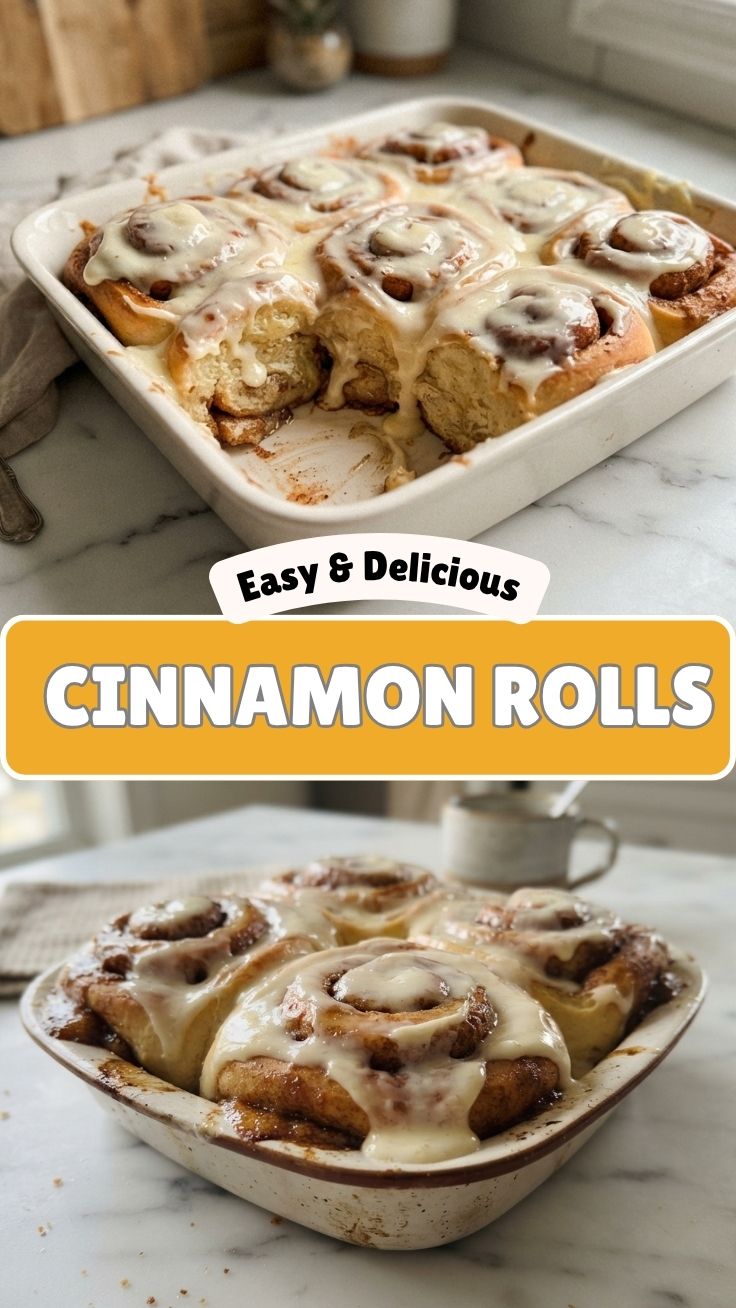
8. Frost and Serve: While the rolls are still warm (but not piping hot), spread the cream cheese frosting over the top. The residual heat will help it melt into all the nooks and crannies. Serving these warm is the true secret to perfect cinnamon rolls.
Nutritional Benefits & Advantages
While this is a treat to be enjoyed in moderation, it does offer some surprising benefits.
– Energy Source: The carbohydrates from the flour and sugar provide a quick, accessible energy boost.
– Calcium and Vitamin D: The milk and butter provide calcium, essential for bone health.
– Spice Benefits: Cinnamon is renowned for its anti-inflammatory properties and its ability to help regulate blood sugar levels, potentially slowing the absorption of sugar from the roll itself.
– Mental Wellness: The process of baking can be a meditative, stress-relieving activity, and the aroma of Cinnamon is scientifically linked to improved cognitive function and alertness.
Tips Variations & Cooking Advice
– Flavor Variations: Add ¾ cup of finely chopped pecans or walnuts to the brown sugar filling. For a chocolate twist, sprinkle ¼ cup of mini chocolate chips over the filling before rolling.
– Dietary Adaptations:
– Gluten-Free: Use a high-quality 1:1 gluten-free baking flour blend. The dough will be stickier, so oil your hands and rolling pin generously. Let the first rise happen in a warm oven (100°F) to help the xanthan gum work.
– Dairy-Free: Substitute the milk for oat milk, the butter for vegan butter sticks (like Miyoko’s or Earth Balance), and use a vegan cream cheese for the frosting.
– Cooking Methods: You can bake these in a cast-iron skillet for a rustic look and superior heat distribution. Reduce the oven temperature to 325°F and add 5-10 minutes to the baking time.
Common Mistakes to Avoid
1. Killing the Yeast: The biggest culprit. Liquid over 130°F will kill yeast. Always use a thermometer for the milk.
2. Not Enough Flour: A sticky dough that cannot be handled is a sign you need more flour during kneading, but be careful not to add too much, which will make the rolls dry. The dough should be tacky, like a post-it note.
3. Rolling Too Tight: While you need a tight roll, rolling so tight that the dough compresses will lead to a tough center. Roll evenly and gently.
4. Skipping the Second Rise: This is non-negotiable. The second rise creates the final airy fluffiness. If you bake them too soon after cutting, they will be dense and bready.
Storage & Meal Prep Tips
– Storing Leftovers: Place any uneaten rolls in an airtight container at room temperature for up to 2 days, or in the refrigerator for up to 5 days.
– Freezing: You can freeze the unbaked rolls after cutting them. Place them in the greased pan, cover tightly with plastic wrap and foil, and freeze for up to 3 months. To bake, thaw in the refrigerator overnight, then let them rise at room temperature for 2-3 hours before baking as directed. Baked rolls can also be frozen (without frosting) for up to 3 months.
– Reheating: The best way to revive a leftover roll is in the microwave for about 15-20 seconds. For a crispier exterior, reheat in a 300°F oven for 5-7 minutes. Always frost after reheating if the frosting was stored separately.
Conclusion
Making these homemade cinnamon rolls is more than just a recipe; it’s a rewarding experience that fills your home with an irresistible warmth. From the soft, yeasted dough to the sweet, spiced swirl and the tangy cream cheese finish, every element comes together to create a truly exceptional pastry. By following the detailed steps and understanding the why behind each technique, you are well on your way to mastering perfect cinnamon rolls that will be requested for every brunch and holiday morning. So preheat your oven, put on your apron, and get ready to create a batch of magic. Don’t forget to share a picture of your gorgeous rolls in the comments below—we’d love to see your results!
FAQs
Q: Can I use bread flour instead of all-purpose flour?
A: Yes! Bread flour has a higher protein content, which will result in a chewier, more structured roll. This is a great swap if you prefer a heartier texture. You may need to add an extra tablespoon of milk as bread flour absorbs more liquid.
Q: My rolls didn’t rise. What went wrong?
A: There are two primary reasons. First, your yeast might be dead—always proof it first. Second, the environment was too cold. The ideal temperature for yeast to thrive is between 75°F and 85°F (24-29°C). Place the bowl in a slightly warmed (off) oven with the light on to create a perfect proofing box.
Q: How do I know when the rolls are fully baked?
A: The top should be a deep golden brown. For the most accurate test, use an instant-read thermometer. The internal temperature of the center of the middle roll should reach 190°F (88°C). This ensures the dough is fully cooked but still soft.
Q: Can I make the frosting ahead of time?
A: Absolutely. Prepare the frosting and store it in an airtight container in the refrigerator for up to 5 days. Let it come to room temperature and give it a good stir before spreading it on the warm rolls. You may need to add a splash of milk to thin it out slightly.
Q: The filling leaked out of my rolls while baking. How can I prevent this?
A: This is called “filling blowout.” It usually happens if you use too much butter in the filling or if the butter is too soft. Use softened (not melted) butter for the filling. Also, be sure to pinch the seam of your log very tightly and place the rolls in the pan with the seam side down.
Proven way to grow 4 Cinnamon Rolls
Ingredients
Equipment
Method
- In a large bowl, whisk together flour, sugar, yeast, and salt.
- In a separate microwave-safe bowl, heat milk until warm (105-115°F/40-46°C), then stir in melted butter and egg.
- Pour the wet ingredients into the dry ingredients and mix until a shaggy dough forms, then knead on a lightly floured surface for 5-7 minutes until smooth and elastic.
- Place the dough in a lightly oiled bowl, cover with plastic wrap, and let rise in a warm place for 1-1.5 hours, or until doubled in size.
- While the dough rises, combine brown sugar and cinnamon in a small bowl.
- Once the dough has risen, punch it down and roll it into a 12x8 inch rectangle on a lightly floured surface.
- Spread the softened butter evenly over the dough, leaving a small border, then sprinkle the cinnamon-sugar mixture over the butter.
- Starting from a long side, tightly roll up the dough and pinch the seam to seal it.
- Cut the log into 4 equal pieces using a sharp knife or dental floss.
- Preheat your oven to 375°F (190°C) and lightly grease a 8x8 inch baking dish.
- Place the cinnamon rolls, cut-side up, in the prepared baking dish, leaving some space between them.
- Cover the dish with plastic wrap or a clean kitchen towel and let them rise again for 20-30 minutes, or until noticeably puffy.
- Bake for 18-22 minutes, or until golden brown and cooked through.
- While the cinnamon rolls cool slightly, beat together softened cream cheese, powdered sugar, softened butter, vanilla extract, and milk in a medium bowl until smooth and creamy.
- Spread the frosting generously over the warm cinnamon rolls and serve immediately.