Why Homemade Cinnamon Rolls Are Worth the Effort (And How to Nail the Recipe Every Time)
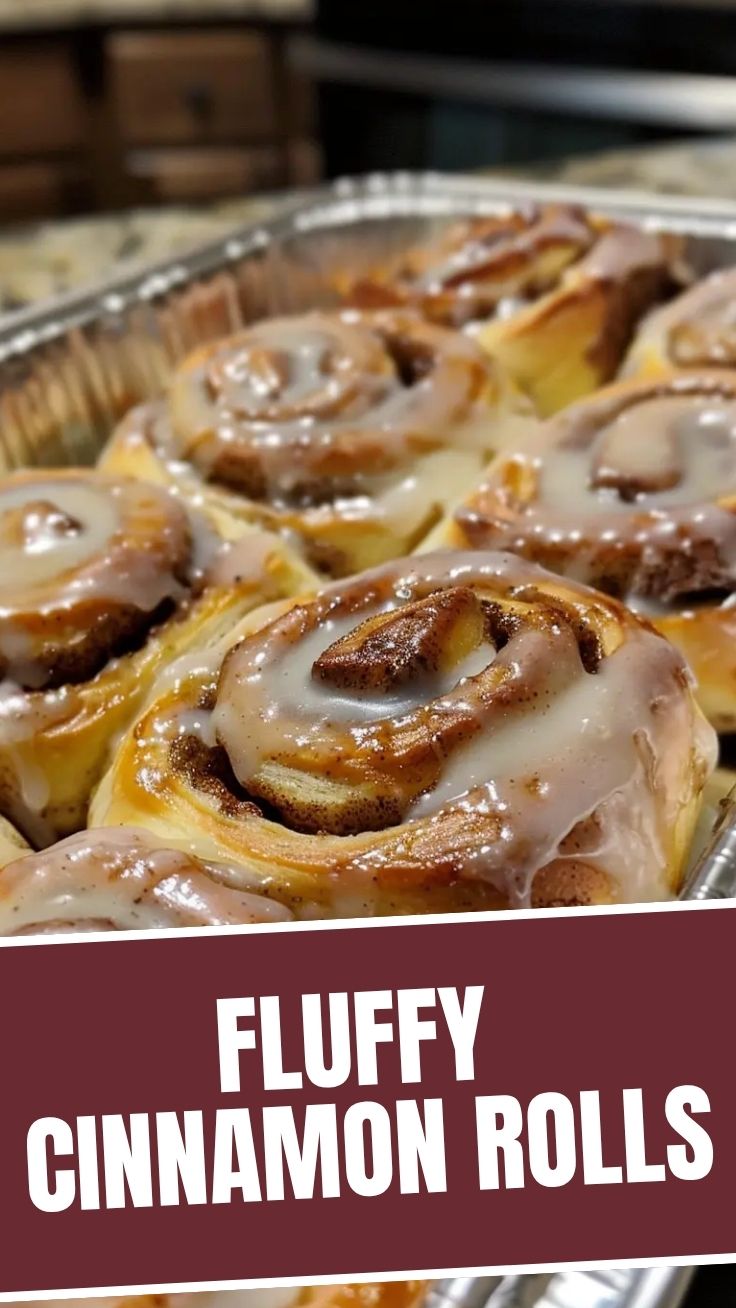
Have you ever pulled a tray of golden, fragrant cinnamon rolls out of the oven, only to watch them disappear within minutes? There’s something magical about the swirl of buttery dough, cinnamon sugar, and creamy glaze that makes this treat irresistible. While store-bought versions are convenient, nothing compares to the aroma and texture of freshly baked Cinnamon Rolls (Homemade). Preparing them at home gives you complete control over ingredients—from the quality of butter to the warmth of freshly ground cinnamon—and allows you to customize the sweetness or add creative twists. Whether you’re a seasoned baker or a curious beginner, mastering the classic Cinnamon Roll Recipe is a rewarding skill that transforms any morning or gathering into a special occasion.
—
Ingredients & Kitchen Tools
Ingredients (with clarifications)
– All-purpose flour (3½ cups) – Provides structure; bread flour (higher protein) yields chewier rolls.
– Active dry yeast (2¼ tsp) – Or instant yeast (no proofing needed); check expiration for best rise.
– Warm milk (1 cup, 110°F) – Whole milk adds richness; almond or oat milk works for dairy-free.
– Granulated sugar (¼ cup) – Feeds yeast and sweetens dough; coconut sugar is a substitute.
– Unsalted butter (6 tbsp, softened) – Salted butter can be used if you reduce added salt.
– Eggs (2 large, room temp) – Ensures even mixing and tender crumb.
– Salt (½ tsp) – Balances sweetness and strengthens gluten.
– Brown sugar (¾ cup, packed) – Use dark brown for deeper molasses flavor.
– Ground cinnamon (2 tbsp) – Freshly ground is best; Vietnamese cinnamon is spicier.
– Cream cheese (4 oz, softened) – For cream cheese glaze; substitute with mascarpone.
– Powdered sugar (1 cup) – Sift to avoid lumps in glaze.
– Vanilla extract (1 tsp) – Enhances aroma; almond extract adds a nutty note.
Kitchen Tools
– Stand mixer with dough hook (or large bowl + wooden spoon)
– Rolling pin
– 9×13-inch baking pan – Glass, ceramic, or metal; grease generously.
– Sharp serrated knife or unflavored dental floss (for clean cuts)
– Plastic wrap (for proofing)
– Pastry brush (for melted butter)
—
Prep Time & Cooking Schedule
– Prep time: 25 minutes (mixing, kneading, shaping)
– First proof (rise): 60–90 minutes (dough doubles in size)
– Second proof (in pan): 30–45 minutes (rolls puff up)
– Bake time: 20–25 minutes at 350°F (until golden brown)
– Cooling time: 10 minutes before glazing
Total time: ~2.5–3 hours (start in the morning or prepare dough the night before for a second proof in the fridge).
—
Step-by-Step Instructions
1. Activate the yeast: In a small bowl, combine warm milk (110°F), 1 tablespoon sugar, and yeast. Let sit 5–10 minutes until foamy (if no foam, yeast is dead—discard and start fresh). This is the foundation of your Cinnamon Roll Recipe.
2. Mix the dough: In a stand mixer bowl, whisk flour, remaining sugar, and salt. Add yeast mixture, eggs, and 3 tablespoons softened butter. Knead on low with dough hook for 8 minutes until dough is smooth and slightly sticky (add flour 1 tbsp at a time if too wet). The dough should pass the “windowpane test” (stretch a piece thin without tearing).
3. First proof: Place dough in a greased bowl, cover with plastic wrap, and let rise in a warm spot (75–80°F) until doubled—about 1 hour. Pro tip: turn your oven to “warm” (170°F) for 2 minutes, then turn off and place dough inside.
4. Shape the rolls: Punch down dough and roll into a 12×18-inch rectangle on a floured surface. Spread 3 tablespoons softened butter over surface. Mix brown sugar and cinnamon, then sprinkle evenly. Roll tightly from long edge, pinching seam. Cut into 12 equal rolls using serrated knife or floss (slide floss under, cross over top, and pull).
5. Second proof: Arrange rolls in greased 9×13 pan (leave space for expansion). Cover and let rise 30–45 minutes until puffy and touching slightly. For overnight, refrigerate after shaping—then let sit at room temp 30 minutes before baking.
6. Bake: Preheat oven to 350°F. Bake rolls for 20–25 minutes until golden brown and internal temp reaches 190°F. If tops brown too fast, tent with foil at 15 minutes.
7. Glaze: While rolls cool for 10 minutes, beat cream cheese, 3 tablespoons softened butter, powdered sugar, and vanilla until smooth. Spread over warm rolls—the glaze will melt slightly for a gooey finish.
—
Nutritional Benefits & Advantages
– Cinnamon: Rich in antioxidants (cinnamaldehyde) and may help regulate blood sugar by improving insulin sensitivity. Just 1 teaspoon has potent anti-inflammatory properties.
– Butter & cream cheese (in moderation): Provides fat-soluble vitamins (A, D, E, K) and helps absorb cinnamon’s antioxidants.
– Dough benefits: Homemade dough has no preservatives or hydrogenated oils—you control sugar and fat levels.
– Psychological reward: The process of kneading and smelling cinnamon baking is proven to reduce stress and boost mood.
—
Tips, Variations & Cooking Advice
– Flavor twist: Add ½ cup chopped pecans or walnuts + ¼ cup raisins to filling for a sticky bun vibe.
– Dietary swap: Use 1:1 gluten-free flour blend (with xanthan gum) for gluten-free rolls; add 1 tsp apple cider vinegar to help structure.
– Lighter version: Replace half the butter with unsweetened applesauce; reduce sugar by ¼ cup and add stevia.
– Alternative cooking: Air fry at 320°F for 10–12 minutes (single layer, spray pan).
– Spice upgrade: Add ¼ tsp cardamom or nutmeg to cinnamon filling for chai-style rolls. For an extra boost, this variation aligns with any Cinnamon Rolls (Homemade) experiment.
—
Common Mistakes to Avoid
| Mistake | Solution |
|———|———-|
| Dense, heavy rolls | Over-kneading or too much flour—dough should be slightly sticky. Check flour measurement (spoon & level). |
| Rolls unravel during baking | Roll tightly and pinch seam firmly. Also, ensure yeast is fresh. |
| Dry, crumbly texture | Over-baking or too much flour. Use accurate oven temp (small oven thermometer helps). |
| Uneven baking | Rolls at edges bake faster. Rotate pan halfway through. |
| Glaze too runny | Use room-temperature cream cheese and sifted powdered sugar. If thin, add 2 tbsp more sugar. |
—
Storage & Meal Prep Tips
– Refrigerator: Store baked (unglazed) rolls in an airtight container for up to 3 days. Glaze just before serving.
– Freezer (baked): Freeze unglazed rolls for up to 2 months. Thaw overnight in fridge, then warm at 300°F for 10 minutes before glazing.
– Freezer (unbaked): Place shaped rolls in pan, freeze until solid, then wrap tightly. Bake directly from frozen (add 5–10 minutes) or thaw overnight in fridge.
– Reheating: Microwave a single roll for 20 seconds (glaze will melt slightly) or bake at 325°F for 5–7 minutes for crisp edges.
—
Conclusion
Mastering Cinnamon Rolls (Homemade) at home is a game-changer—you get a warm, personalized treat with superior flavor and texture that no store-bought version can match. By following this Cinnamon Roll Recipe, you’ll create soft, gooey rolls with a golden crust every time. The key is patience during proofing and attention to dough texture. We’d love to hear how yours turned out—share a photo or tag a friend who needs this recipe in their life. For more bread and pastry inspiration, explore our other decadent dessert posts.
—
FAQs
1. Can I use rapid-rise yeast instead of active dry?
Yes—skip the first proofing step. Mix yeast with dry ingredients, then add warm milk (120–130°F). Only one rise is needed (30 minutes), but the texture will be slightly less airy.
2. How do I know when the dough is fully kneaded?
Perform the windowpane test: pinch a small piece of dough, stretch it gently between your fingers. If it forms a thin, translucent sheet without tearing, it’s ready.
3. My rolls are too dense—what went wrong?
Likely over-floured during kneading or insufficient proofing. Always measure flour by spooning into the cup and leveling off. Ensure proofing temperature is warm (75–80°F).
4. Can I make cinnamon rolls without a stand mixer?
Absolutely—mix by hand with a wooden spoon, then knead on a floured surface for 10–12 minutes. The dough is elastic enough when it springs back when poked.
5. How do I keep the glaze from sliding off?
Let rolls cool for at least 10 minutes before glazing, as the glaze will melt slightly and soak in. For thicker glaze, let it set at room temperature for 5 minutes before serving.
Best way to grow your Homemade Cinnamon Rolls dough
Ingredients
Equipment
Method
- To activate the yeast, warm milk and melt butter together until the mixture is lukewarm, then stir in sugar and yeast.
- Combine the activated yeast mixture with flour and egg to form a dough, then knead it on a floured surface until smooth and elastic.
- Place the dough in a greased bowl, cover with plastic wrap or a damp cloth, and let it rise in a warm place until doubled in size, which typically takes 1-2 hours.
- For a quicker rise, place the covered dough in an oven preheated to its lowest setting for a few minutes, then turned off, using the residual warmth. Alternatively, a warm, sunny spot or a proofing drawer can also accelerate rising.
- Once risen, gently punch down the dough to release air, then proceed with shaping your cinnamon rolls.