Why Homemade Guacamole Beats Store-Bought Every Time
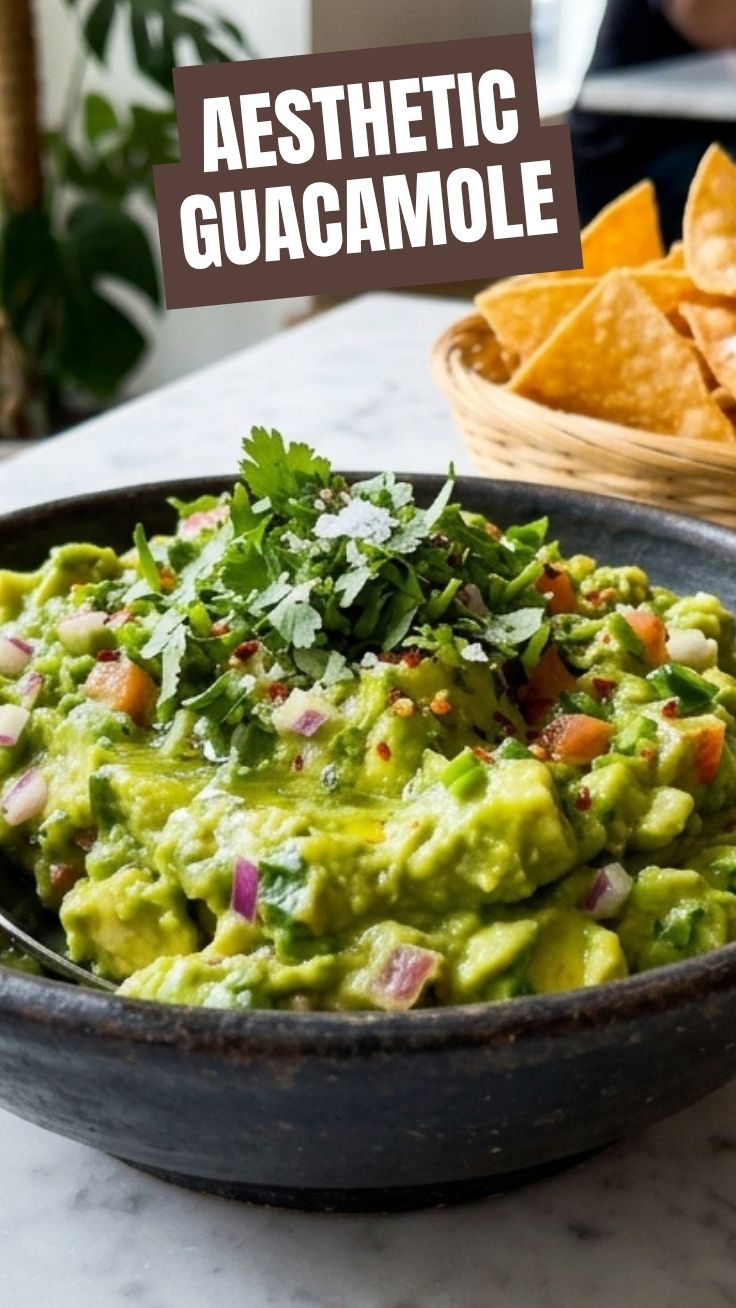
Have you ever wondered why restaurant-style Guacamole tastes so much fresher and more vibrant than anything you can buy pre-made? The secret isn’t a magic ingredient—it’s the combination of perfectly ripe avocados, fresh aromatics, and a technique that preserves texture and flavor. Making Chipotle guacamole at home not only saves you money but also gives you complete control over heat, seasoning, and freshness. In this guide, we’ll walk through every step to create a bowl of guacamole that rivals any restaurant’s version, using simple ingredients and foolproof methods.
—
Ingredients & Kitchen Tools
Ingredients
– 3 ripe Hass avocados – The gold standard for creamy texture. Look for avocados that yield slightly to gentle pressure.
– 1 medium lime, juiced – Fresh lime juice prevents browning and adds brightness. Bottled juice won’t give the same crisp acidity.
– ½ small red onion, finely diced – Adds sharpness. Soak in cold water for 10 minutes to mellow the bite if desired.
– 1 jalapeño or serrano pepper, minced – For heat. Remove seeds for milder flavor, or keep them for extra kick.
– ¼ cup fresh cilantro, chopped – Use leaves and tender stems only. If you’re cilantro-averse, substitute flat-leaf parsley.
– 1 medium Roma tomato, seeded and diced – Adds texture and acidity. Remove seeds and pulp to avoid watery guacamole.
– ½ teaspoon kosher salt – Start with less, then adjust to taste.
– Optional: 1 clove garlic, minced – Adds depth, but traditionalists may skip it.
Kitchen Tools
– Large mixing bowl
– Sharp chef’s knife
– Cutting board
– Fork or potato masher
– Citrus juicer or reamer
– Measuring spoons
– Airtight container for storage
—
Prep Time & Cooking Schedule
| Task | Time |
|——|——|
| Prep vegetables | 10 minutes |
| Halve and pit avocados | 2 minutes |
| Mash and mix | 5 minutes |
| Resting time (optional) | 5–10 minutes |
| Total time | 20 minutes |
Guacamole doesn’t require cooking, but letting it rest for 5–10 minutes allows the flavors to meld. Prepare it just before serving for the best texture and color. If you’re meal prepping, see the storage section below.
—
Step-by-Step Instructions
1. Prepare the aromatics – Finely dice the red onion, mince the jalapeño, and chop the cilantro. Seed and dice the tomato. Set aside.
2. Cut and pit the avocados – Slice each avocado lengthwise around the pit, twist to separate, and remove the pit. Score the flesh in a crosshatch pattern while still in the skin, then scoop into a large bowl with a spoon.
3. Mash to desired consistency – Use a fork or potato masher to break down the avocado. For chunky Guacamole, mash only a few times; for a smoother texture (like a Chipotle guacamole style), mash more thoroughly. Leave some chunks for texture.
4. Add lime juice and salt – Pour the lime juice over the avocado immediately to slow browning. Sprinkle with ½ teaspoon salt and mix gently.
5. Fold in the remaining ingredients – Add the onion, jalapeño, cilantro, and tomato. Fold gently with a spatula until evenly distributed. Taste and adjust salt or lime juice as needed.
6. Rest and serve – Let the guacamole sit for 5 minutes at room temperature to allow flavors to develop. Serve with tortilla chips, tacos, or as a topping for grilled meats.
—
Nutritional Benefits & Advantages
Guacamole is a nutrient-dense condiment that delivers heart-healthy monounsaturated fats from avocados, which can help lower bad cholesterol. Avocados are also rich in fiber, potassium, vitamin K, folate, and vitamin C. The lime juice provides a boost of antioxidants, while onions and jalapeños offer anti-inflammatory compounds. Because this recipe uses no added sugars or preservatives, it’s a clean, whole-food option suitable for keto, paleo, gluten-free, and dairy-free diets. One serving (about ¼ cup) contains roughly 120 calories, 10 grams of fat (mostly unsaturated), and 3 grams of fiber.
—
Tips Variations & Cooking Advice
– Spice level control – For mild guacamole, use only half a jalapeño and remove the seeds. For extra heat, add a minced serrano pepper or a pinch of cayenne.
– Creamy twist – Fold in 2 tablespoons of sour cream or Greek yogurt for a richer texture (not dairy-free).
– Fruit variations – Add diced mango, pineapple, or pomegranate seeds for sweetness and color contrast.
– Herb swap – Replace cilantro with fresh mint or basil for a completely different flavor profile.
– Chipotle guacamole variation – Stir in 1–2 teaspoons of adobo sauce from canned chipotles for a smoky, spicy depth. This version pairs beautifully with grilled meats and tacos.
– Portion adjustment – This recipe serves 4–6 as a dip. Double it for parties, but keep in mind that leftovers brown faster.
—
Common Mistakes to Avoid
– Using underripe or overripe avocados – Underripe avocados are hard and lack flavor; overripe ones turn brown and develop a bitter taste. The ideal avocado yields to gentle pressure and has a slight give near the stem.
– Over-mashing – Turning guacamole into a smooth paste destroys the appealing chunky texture. Mash just enough to combine.
– Skipping the lime juice – Lime juice is essential for both flavor and preventing oxidation. Without it, guacamole browns within minutes.
– Adding too much liquid – Seedy tomatoes or watery onions can make guacamole runny. Always seed the tomato and pat diced onion dry with a paper towel.
– Refrigerating before serving – Cold guacamole loses its creamy appeal. Serve at room temperature.
—
Storage & Meal Prep Tips
Guacamole is best eaten fresh, but you can store leftovers with minimal browning by pressing plastic wrap directly onto the surface (to eliminate air) and sealing the container. Refrigerate for up to 24 hours. For longer storage, add a thin layer of lime juice or water on top before covering—this creates a barrier against oxygen. Do not freeze guacamole, as the texture becomes watery and grainy upon thawing. If you’re meal prepping for the week, store the diced onions, peppers, and tomatoes separately and combine them with fresh avocado each day.
—
Conclusion
Homemade Guacamole is a simple, rewarding dish that elevates any meal with its creamy texture and bright, fresh flavors. By mastering the technique of balancing avocado ripeness, lime acidity, and seasoning, you can create a dip that outshines any store-bought version. Whether you prefer a classic preparation or a smoky Chipotle guacamole variation, this recipe gives you a versatile foundation to customize. Try it tonight, and don’t forget to share your results—your friends and family will thank you.
—
FAQs
1. Can I use frozen avocados?
Frozen avocados are acceptable for smoothies or sauces, but they lose their creamy texture when thawed, making them poor choices for guacamole. Stick with fresh, ripe avocados for the best results.
2. How do I keep guacamole from turning brown?
The key is minimizing air exposure. Press plastic wrap directly onto the surface of the guacamole, or store it with a layer of lime juice or water on top. Remove the liquid before serving.
3. Can I make guacamole without cilantro?
Absolutely. Replace cilantro with fresh flat-leaf parsley, chives, or even a handful of chopped mint. The flavor will change, but it will still be delicious.
4. How long does homemade guacamole last in the fridge?
Properly stored (with plastic wrap pressed onto the surface), guacamole stays fresh for up to 24 hours. After that, browning and texture changes become noticeable.
5. What’s the best way to ripen avocados quickly?
Place hard avocados in a paper bag with a banana or apple at room temperature. The ethylene gas released by the fruit speeds up ripening in 1–2 days. Do not use the microwave—it ruins the texture.
Proven way to grow perfect Guacamole
Ingredients
Equipment
Method
- Halve and pit the avocados, then scoop their flesh into a medium bowl.
- Mash the avocado with a fork or potato masher to your desired consistency.
- Stir in the lime juice, diced red onion, chopped cilantro, and minced jalapeño (if using).
- Season with salt and pepper, then taste and adjust as needed before serving.