Why Homemade Salsa Beats Store-Bought Every Time
Have you ever wondered why restaurant salsa tastes so much fresher and more vibrant than anything you can buy in a jar? The answer lies in the Salsa you create at home—it’s alive with flavor, customizable to your spice tolerance, and free from preservatives. Whether you’re dipping tortilla chips, topping tacos, or marinating grilled meats, homemade salsa transforms any meal. Plus, the rhythmic chopping and blending remind me of the lively steps of Salsa dancing—energetic, fun, and full of personality. In this guide, I’ll show you exactly how to master a classic red salsa, from ingredient selection to storage tips, using proven techniques that guarantee restaurant-quality results every time.
Ingredients & Kitchen Tools
Before you start, gather these essential items. Quality ingredients make all the difference in homemade salsa.
Ingredients:
– 6 Roma tomatoes – Meatier and less watery than other varieties, perfect for salsa.
– 1 medium white onion – Finely diced for sweetness and crunch.
– 2–3 jalapeño peppers – Adjust based on heat preference; remove seeds for milder salsa.
– ½ cup fresh cilantro – Chopped stems and all for maximum flavor.
– 3 cloves garlic – Minced fresh, not jarred.
– 1 lime – Juiced for acidity and brightness.
– 1 teaspoon salt – Start with less, adjust to taste.
– ½ teaspoon cumin – Adds earthy warmth.
– Optional: 1 serrano pepper – For extra heat without altering flavor profile.
Kitchen Tools:
– Cutting board and sharp chef’s knife
– Mixing bowl (glass or stainless steel)
– Food processor or molcajete (stone mortar) for texture control
– Fine-mesh strainer (if using canned tomatoes)
– Measuring spoons
Substitutions: For a fruitier twist, replace one tomato with a ripe mango. No fresh jalapeños? Use 1–2 canned chipotle peppers for smokiness.
Prep Time & Cooking Schedule
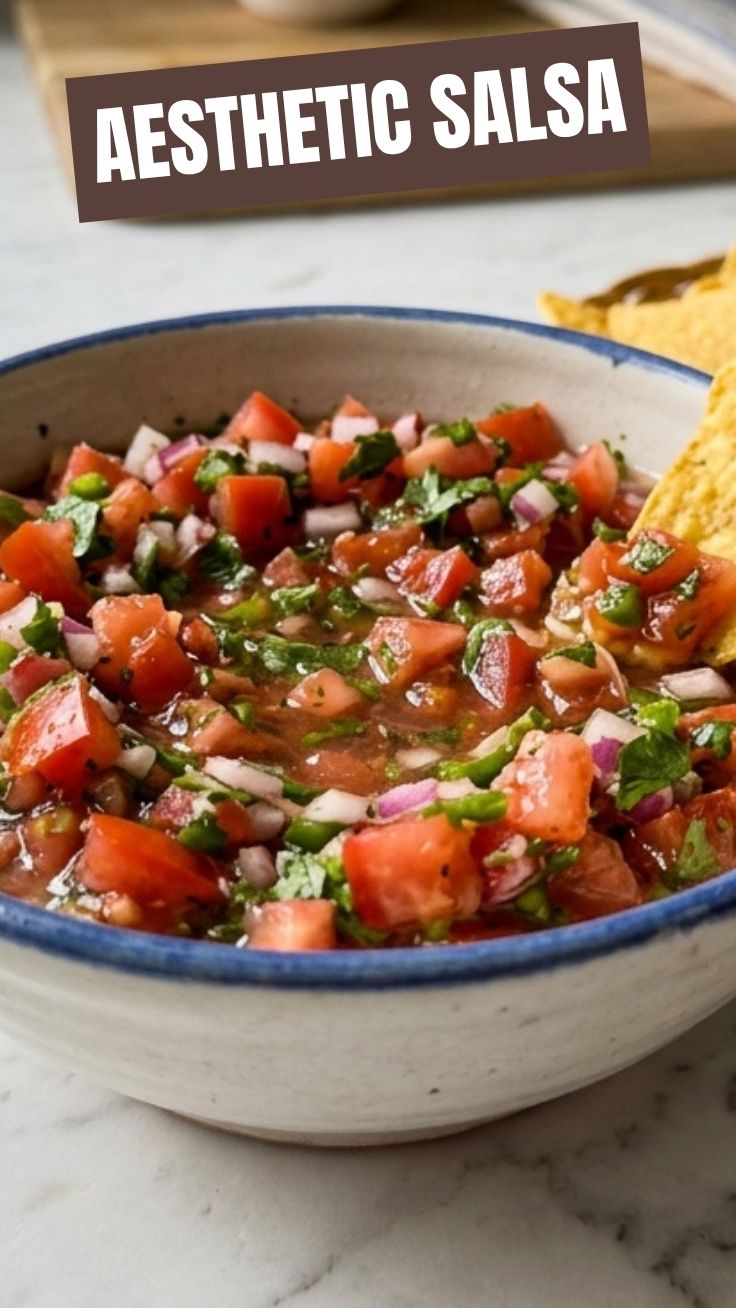
– Prep time: 15 minutes
– Resting time: 30 minutes (essential for flavor melding)
– Total time: 45 minutes
Plan ahead: Salsa tastes best when flavors marry for at least 30 minutes at room temperature. For busy weeknights, prep ingredients in the morning and combine just before serving. If you’re entertaining, double the recipe—it disappears fast.
Step-by-Step Instructions
Follow these steps to create the Salsa of your dreams, with the bold energy of Salsa dancing in every batch.
1. Prepare the tomatoes. For a roasted flavor, broil tomatoes on a baking sheet for 5–7 minutes until skin blisters. Let cool slightly, then remove skins. Alternatively, use raw for a fresher taste.
2. Dice the onion finely. Aim for ¼-inch pieces. Rinse under cold water in a strainer to mellow harshness, then pat dry.
3. Seed and mince the peppers. Wearing gloves, slice jalapeños in half, scrape out seeds (or leave for extra heat), and dice into tiny pieces.
4. Combine in a bowl. Add tomatoes, onion, peppers, cilantro, and garlic. Toss gently with a fork.
5. Season and rest. Stir in lime juice, salt, and cumin. Let sit uncovered at room temperature for 30 minutes. Taste and adjust salt or lime before serving.
6. Texture tip: For chunkier salsa, mash tomatoes with a fork. For smoother, pulse all ingredients in a food processor 3–4 times—don’t puree.
Temperature control: If using roasted tomatoes, cool completely before mixing to keep cilantro from wilting.
Nutritional Benefits & Advantages
Homemade salsa is a nutritional powerhouse. Tomatoes are rich in lycopene, an antioxidant linked to heart health, while raw onions provide quercetin for anti-inflammatory benefits. Cilantro aids digestion, and jalapeños contain capsaicin, which may boost metabolism. A ½-cup serving has only about 20–30 calories and 0 grams of fat, making it an ideal low-sodium alternative to store-bought versions (which often hide added sugars and preservatives).
Tips Variations & Cooking Advice
Flavor variations:
– Smoky chipotle salsa: Use 2 chipotle peppers in adobo instead of jalapeños.
– Tropical salsa: Add ½ diced mango and ¼ cup pineapple.
– Herby verde: Swap tomatoes for tomatillos and add fresh mint.
Dietary adaptations: This recipe is naturally gluten-free, dairy-free, and vegan. For low-FODMAP diets, omit onion and garlic; use garlic-infused oil instead.
Cooking methods: Char your ingredients on a grill or comal for deep flavor. Fire-roasted canned tomatoes work in a pinch.
Common Mistakes to Avoid
| Mistake | Solution |
|———|———-|
| Watery salsa | Pre-seed tomatoes and pat diced onion dry. Avoid over-processing. |
| Bitter taste | Balance acidity with a pinch of sugar or honey. |
| Heat too intense | Remove all seeds and membranes from peppers, or swap for bell pepper. |
| Bland flavor | Let salsa rest 30 minutes; add more salt or lime in small increments. |
| Cilantro overload | Start with ¼ cup; you can always add more but can’t remove. |
Storage & Meal Prep Tips
Refrigeration: Store in an airtight glass jar for up to 5 days. The flavors actually improve after 24 hours.
Freezing: Salsa freezes well for up to 3 months. Portion into ice cube trays for quick servings. Thaw overnight in the fridge and stir before use—slight water separation is normal.
Reheating: Not recommended for fresh salsa; serve cold or at room temperature. For cooked salsas (like roasted), warm gently on the stove.
Conclusion
Making your own Salsa at home is a skill that pays dividends in flavor, health, and creativity. As you master the balance of acidity, heat, and freshness, you’ll discover why this simple condiment rivals the complexity of Salsa dancing—every ingredient must move in harmony. Start with this base recipe, then experiment with your own twists. Share your results or tag me in your creations—I’d love to see your salsa journey unfold.
FAQs
1. Can I use canned tomatoes instead of fresh?
Yes. Drain a 14-ounce can of fire-roasted tomatoes. The flavor will be less bright but still delicious. Add ½ teaspoon sugar to balance acidity.
2. How do I make salsa less spicy?
Remove all seeds and white membranes from peppers. Swap jalapeño for bell pepper, or add 1 tablespoon of plain yogurt (if not vegan) to cool the heat.
3. My salsa tastes flat. What went wrong?
You likely need more acid (lime juice) or salt. Add these gradually, tasting after each addition. Let it rest 15 minutes before re-evaluating.
4. Can I leave out cilantro?
Absolutely. Replace with flat-leaf parsley or simply skip it. A pinch of dried oregano adds complexity.
5. How long does homemade salsa last in the fridge?
5–7 days in a sealed container. Discard if you see mold or smell fermentation.
Best way to grow Salsa: 5 Proven Tips
Ingredients
Equipment
Method
- Choose the right tomato varieties for salsa, such as Roma or beefsteak, which have less water content and more flesh.
- Plant peppers that offer a good balance of heat and flavor, like jalapeños or serranos, ensuring they get plenty of sunlight.
- Grow sweet onions for a milder taste or red onions for a sharper flavor; both thrive in well-drained soil.
- Cultivate cilantro in a partially shaded area to prevent bolting and ensure a continuous harvest.
- Consider growing lime trees in pots if you are in a cooler climate, or plant them in a sunny spot in warmer regions for fresh lime juice.