The Ultimate Guide to Perfectly Creamy Mashed Potatoes
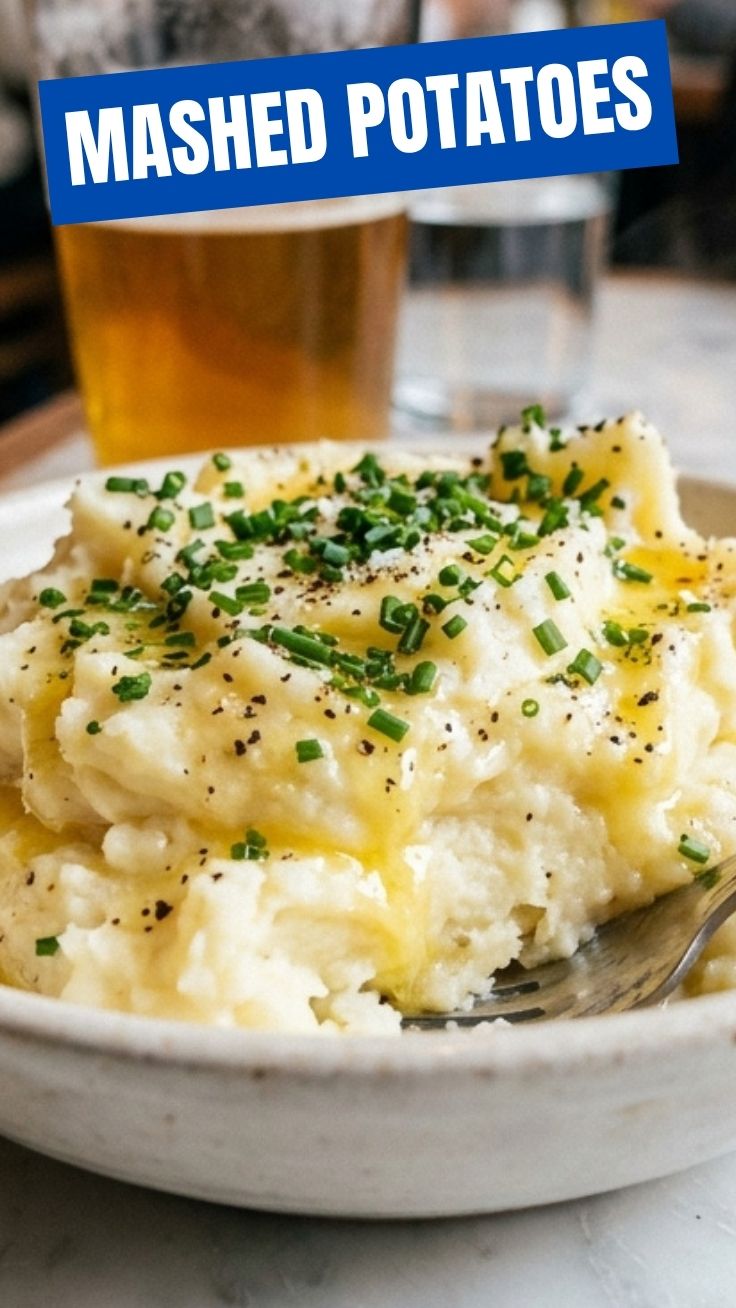
Have you ever wondered why restaurant mashed potatoes taste so much creamier and more flavorful than what you whip up at home? The secret isn’t a hidden ingredient—it’s technique. Mastering homemade mashed potatoes transforms a simple side dish into the star of any meal. Whether you’re preparing for a holiday feast or a cozy weeknight dinner, learning to make Mashed Potatoes from scratch is a culinary skill worth developing. You might be surprised to discover that the best potato recipes start with understanding the fundamental principles of starch, fat, and texture. This guide will walk you through every step to ensure your mashed potatoes are consistently smooth, rich, and unforgettable.
Ingredients & Kitchen Tools
Essential Ingredients
– 2 lbs Yukon Gold potatoes – Their medium starch content and buttery flavor create the creamiest texture. Avoid Russets for mashing (too starchy and gluey).
– 1/2 cup unsalted butter – Adds richness; salted butter works if you reduce added salt.
– 3/4 cup whole milk – Full-fat milk creates the silkiest mash. Substitute heavy cream for extra decadence.
– 1 tsp salt – Enhances flavor; adjust to taste.
– 1/4 tsp white pepper – Blends invisibly; black pepper works but leaves specks.
Optional Substitutions
– Dairy-free: Use oat milk and vegan butter.
– Low-fat: Replace butter with olive oil and milk with unsweetened almond milk.
– Garlic lovers: Add 3 roasted garlic cloves while mashing.
Required Tools
– Large pot (5-6 quart)
– Colander
– Potato masher, ricer, or food mill (ricer produces silkiest texture)
– Measuring cups and spoons
– Wooden spoon or spatula
Prep Time & Cooking Schedule
| Stage | Time | Notes |
|——-|——|——-|
| Prep time | 10 minutes | Wash, peel, and quarter potatoes |
| Cooking time | 20-25 minutes | Boil until fork-tender |
| Mashing & mixing | 5 minutes | Work quickly while potatoes are hot |
| Resting time | 2-3 minutes | Let butter melt fully before serving |
Planning tip: Boil potatoes first, then prepare your main dish while they cook. Mash just before serving for the freshest texture.
Step-by-Step Instructions
1. Wash and peel the potatoes, then cut into uniform 2-inch chunks for even cooking.
2. Place in cold salted water in a large pot—starting cold prevents the outside from cooking faster than the inside.
3. Bring to a boil over high heat, then reduce to medium-high. Simmer uncovered for 20-25 minutes until a paring knife slides through easily with no resistance.
4. Drain thoroughly in a colander. Let steam escape for 30 seconds—excess moisture makes watery mash.
5. Return potatoes to the hot pot over low heat for 1 minute, shaking often. This dries them for better butter absorption.
6. Mash immediately while piping hot. For the silkiest texture, use a potato ricer or food mill. If using a masher, avoid overworking—stop when no large lumps remain.
7. Add butter in small pieces, stirring gently until fully melted and incorporated.
8. Warm the milk separately (don’t boil—just heat until steaming). Pour in gradually while stirring with a wooden spoon, adding only enough to reach your desired consistency.
9. Season with salt and white pepper to taste. Taste and adjust before serving—cold potatoes require more seasoning later.
Pro tip: The key to preventing gumminess is handling the starch carefully. Over-mashing releases too much starch, creating a glue-like texture. Stop as soon as ingredients are combined. This careful approach sets these Mashed Potatoes apart from ordinary versions. As with many potato recipes, the cooking method matters more than the ingredient list.
Nutritional Benefits & Advantages
Mashed potatoes offer surprising nutritional value when prepared thoughtfully. One serving (about 1 cup) provides:
– Carbohydrates: 35g for sustained energy
– Fiber: 3g from skins (if leaving them on)
– Vitamin C: 30% DV—supports immune function
– Potassium: 620mg—more than a banana, helps regulate blood pressure
– Calcium: 80-100mg from dairy additions
Health advantages: Potatoes are naturally gluten-free, fat-free, and cholesterol-free. When you control the butter and milk, this dish can fit into heart-healthy eating patterns. Leaving the skins on boosts fiber by 50% and adds B vitamins.
Tips, Variations & Cooking Advice
Flavor Variations
– Herb-infused: Stir in 2 tbsp chopped chives, parsley, or dill after mashing.
– Cheesy: Fold in 1/2 cup grated Parmesan or sharp cheddar before serving.
– Smoky: Add 1/4 tsp smoked paprika and 2 slices cooked crumbled bacon.
Dietary Adaptations
– Gluten-free: Naturally gluten-free—double-check packaged seasonings.
– Dairy-free: Use unsweetened oat milk and vegan butter; add 1 tbsp nutritional yeast for cheesy flavor.
– Low-carb: Replace half the potatoes with steamed cauliflower; mash together.
Alternative Methods
– Oven-roasted potatoes: For crispy texture variation, consider trying different potato recipes like baked smashed versions.
– Instant Pot method: Cook peeled quartered potatoes on high pressure for 8 minutes with 1 cup water. Drain and proceed normally.
– Make ahead: Mash, cool, and refrigerate for up to 2 days. Reheat with extra butter and milk.
Common Mistakes to Avoid
| Mistake | Why it happens | Solution |
|———|—————-|———-|
| Gummy texture | Over-mashing releases excess starch | Use a ricer instead; stop mashing once smooth |
| Watery mash | Not draining well enough after boiling | Let potatoes steam dry for 30 seconds |
| Lumpy consistency | Uneven potato sizes during boiling | Cut all pieces uniformly 2 inches |
| Cold mash | Butter and milk added cold or too slowly | Warm liquids and work quickly |
| Bland flavor | Not enough salt or underseasoning | Taste before serving; potatoes need more salt than you expect |
Storage & Meal Prep Tips
Refrigeration
– Store in an airtight container for 3-4 days
– Press plastic wrap directly onto surface before sealing to prevent skin formation
Freezing
– Spoon into freezer-safe bags, flatten, and seal
– Freeze for up to 3 months
– Thaw overnight in refrigerator before reheating
Reheating
– Stovetop: Add 2 tbsp milk per cup of mash, warm over medium-low heat, stirring frequently
– Microwave: Cover bowl with damp paper towel, heat in 30-second bursts, stirring between
– Oven: Spread in baking dish, dot with butter, cover with foil, bake at 350°F for 15 minutes
Texture tip: Reheated mash won’t be identical to fresh—add extra butter or cream to restore richness.
Conclusion
Perfect mashed potatoes are within reach for any home cook who understands a few key principles: start with the right potato (Yukon Golds), cook them until tender but not waterlogged, dry them thoroughly, and handle the starch with care. This approach to Mashed Potatoes ensures you avoid common pitfalls like gumminess or lumps every time. The beauty of this recipe lies in its adaptability—whether you prefer classic butter-and-milk simplicity or want to explore creative variations. Remember that the best potato recipes start with mastering the basics. Try this recipe tonight, adjust the seasonings to your taste, and share your results with fellow cooking enthusiasts. Your perfect mash is only one batch away.
FAQs
Q1: Can I use Russet potatoes for mashed potatoes?
Yes, but they require careful handling. Russets are high-starch and can become gluey if over-mashed. Use a ricer, add warm liquids immediately, and stop mixing the moment ingredients combine.
Q2: Why are my mashed potatoes always too thin?
You’re likely adding too much liquid or not drying the potatoes adequately after boiling. Start with less milk than you think you need, adding only 1/4 cup at a time until reaching desired consistency.
Q3: Can I make mashed potatoes without a ricer or masher?
Absolutely. Use a food mill, a sturdy fork, or even the bottom of a clean glass. For restaurant-smooth texture, push cooked potatoes through a fine-mesh sieve—it takes effort but delivers perfection.
Q4: How do I fix salty mashed potatoes?
Add a raw peeled potato chunk to the simmering mash for 5 minutes—it will absorb excess salt. Alternatively, stir in extra plain milk, heavy cream, or unsalted butter to dilute.
Q5: What’s the best way to keep mashed potatoes warm for a gathering?
Transfer to a slow cooker set to “warm” setting, stir in an extra tablespoon of butter, and cover. They’ll stay creamy for up to 2 hours. Stir occasionally to prevent a crust from forming.
Quick way to grow perfect Mashed Potatoes in 3 steps
Ingredients
Equipment
Method
- Peel and quarter the potatoes, then place them in a large pot and cover with cold water.
- Bring the water to a boil, then reduce heat and simmer for 15-20 minutes until the potatoes are tender when pierced with a fork.
- Drain the cooked potatoes thoroughly and return them to the pot.
- Add butter and warm milk to the pot, then mash the potatoes until smooth and creamy.
- Season the mashed potatoes with salt and pepper to taste, then serve hot.