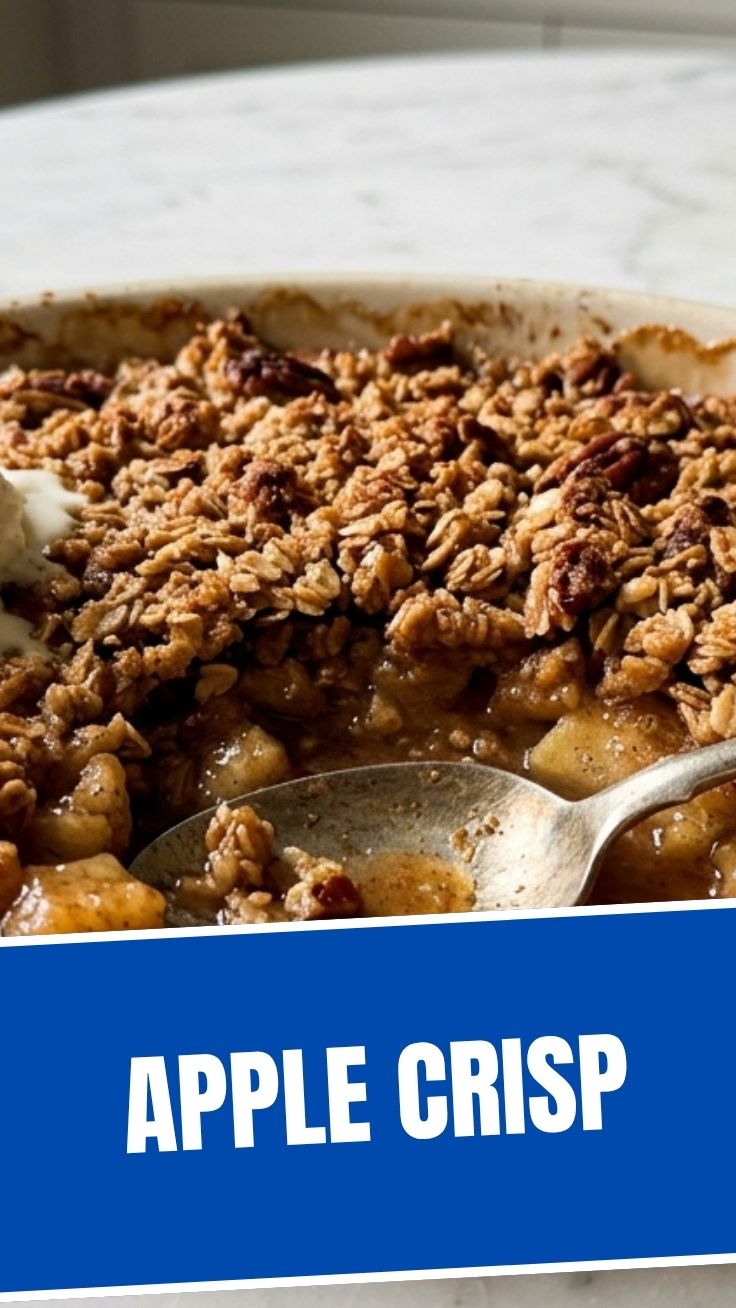
Ingredients
Equipment
Method
Preparation
- Choose a sunny location with well-draining soil and ensure proper spacing for each tree (at least 15-20 feet apart). Dig holes that are twice as wide as the root ball and just as deep, breaking up any compacted soil in the process.
Planting
- Carefully remove saplings from their containers, gently loosen the roots, and place each sapling in a prepared hole ensuring the graft union is 2-3 inches above ground level. Backfill the hole with a mix of gardening soil and compost, lightly firming around the base to remove air pockets.
- Water thoroughly after planting until the soil is saturated; this helps settle the soil and provides initial moisture. Optionally, you can add mycorrhizal fungi inoculant or a slow-release fertilizer at this stage, following product instructions.
Initial Care
- Install tree stakes next to each sapling, approximately 6-12 inches away from the trunk, and secure the tree to the stake with tree ties to provide support as the tree establishes. Water the trees regularly, especially during dry periods, aiming for deep watering that reaches the root zone.
Notes
For optimal growth, consider soil testing before planting to adjust pH and nutrient levels. Protect young trees from pests and diseases through regular inspection and appropriate organic treatments if necessary. Prune annually during the dormant season to maintain shape and promote fruit production.