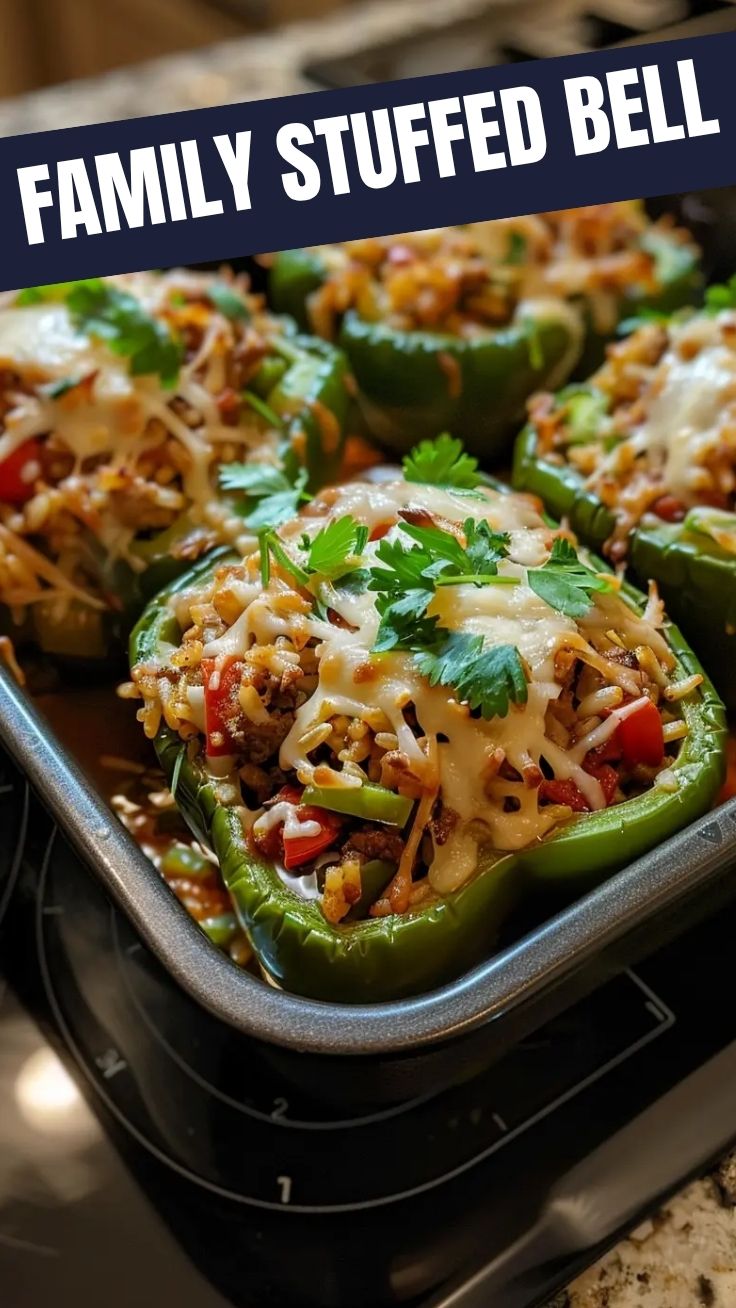
Ingredients
Equipment
Method
Start Seeds Indoors (Secret #1: Early Start)
- Start bell pepper seeds 8-10 weeks before your last expected frost date to give them a head start.
- Use a high-quality seed starting mix and plant seeds about 1/4 inch deep in seed trays or small pots.
- Provide consistent warmth (75-85°F or 24-29°C is ideal) and strong light from a grow light or a very sunny window.
Prepare the Soil (Secret #2: Rich & Well-Draining)
- Once your seedlings are ready for transplanting, choose a location in your garden that receives at least 6-8 hours of direct sunlight daily.
- Amend the soil with plenty of compost or other organic matter to improve fertility and drainage; bell peppers prefer slightly acidic to neutral soil (pH 6.0-6.8).
Proper Spacing (Secret #3: Give Them Room)
- When transplanting, space pepper plants about 18-24 inches apart in rows that are 24-36 inches apart; adequate spacing ensures good air circulation and reduces disease risk.
Consistent Watering (Secret #4: Keep Them Thirsty, Not Drowning)
- Bell peppers need consistent moisture, especially during flowering and fruiting.
- Water deeply once or twice a week, checking the soil moisture regularly and avoiding overhead watering to prevent fungal issues.
Fertilize Regularly (Secret #5: Feed Those Peppers!)
- Begin fertilizing your pepper plants with a balanced fertilizer once they start producing fruit.
- Follow package instructions for application rates, and consider a fertilizer with slightly higher phosphorus and potassium for blooming and fruiting.
Provide Support (Secret #6: Prevent Breakage)
- As bell pepper plants grow and bear fruit, they can become top-heavy.
- Use stakes, cages, or trellises to support the plants and prevent branches from breaking under the weight of the peppers.
Pest and Disease Management (Secret #7: Vigilance is Key)
- Regularly inspect your plants for signs of pests or diseases.
- Address any issues promptly with organic pest control methods or appropriate treatments; good air circulation and proper watering can also help prevent many problems.
- Practice crop rotation to minimize soil-borne diseases.
Harvesting
- Harvest bell peppers when they reach their full size and desired color, typically 60-90 days after transplanting.
- Use pruning shears or a sharp knife to cut the stem, leaving about an inch attached to the pepper; regular harvesting encourages more fruit production.
Notes
These secrets will help anyone from a beginner to an experienced gardener achieve a successful and abundant bell pepper harvest. Remember to adjust your care routine based on your specific climate and growing conditions.