Master the Perfect Pan-Seared Ribeye: Your Ultimate Guide
Have you ever dreamt of creating a restaurant-quality steak in your own kitchen, complete with a beautiful, caramelized crust and a juicy, tender interior? Many believe that perfecting a Steak (Pan-Seared Ribeye) is the domain of professional chefs, but with the right techniques, anyone can achieve culinary greatness. Preparing this at home not only saves you money but also allows for complete control over the quality of ingredients and the cooking process, ensuring a personalized and supremely satisfying meal. Today, we’re diving deep into the art of achieving that flawless Pan-Seared finish, transforming a simple cut of meat into an unforgettable dining experience.
Ingredients & Kitchen Tools
To embark on your journey to the perfect Steak (Pan-Seared Ribeye), gather these essentials:
- Ribeye Steak (1.5-inch thick, 1-1.5 lb): The star of the show. Opt for a well-marbled cut for maximum flavor and tenderness. Ribeye’s fat content renders beautifully, contributing to its rich taste.
- Kosher Salt (1-2 tsp): Essential for seasoning; its larger crystals help draw out moisture and create a better crust.
- Freshly Ground Black Pepper (1 tsp): Adds aromatic depth and a subtle peppery bite.
- High Smoke Point Oil (2 tbsp, e.g., Grapeseed, Avocado, or Canola): Crucial for preventing burning at high temperatures and achieving a crisp crust. Avoid olive oil, which can burn.
- Unsalted Butter (2-3 tbsp): Used at the end to baste the steak, adding a rich, nutty flavor and a beautiful sheen.
- Garlic (3-4 cloves, smashed): Infuses the butter with aromatic notes during basting.
- Fresh Rosemary or Thyme Sprigs (2-3): Enhances the overall aroma and flavor profile during basting.
- Cast Iron Skillet (10-12 inch): The ultimate tool for searing devido to its excellent heat retention and even heat distribution. A heavy-bottomed stainless steel skillet can also work.
- Tongs: For safely flipping the steak and handling it without piercing.
- Instant-Read Meat Thermometer: Your secret weapon for perfectly cooked steak, ensuring accurate doneness.
- Cutting Board: A sturdy surface for seasoning, searing, and resting.
- Aluminum Foil: For tenting the steak during resting.
Prep Time & Cooking Schedule

- Prep Time: 15 minutes (includes bringing steak to room temperature)
- Cook Time: 8-12 minutes (depending on desired doneness and steak thickness)
- Resting Time: 10 minutes
For optimal results, remove your ribeye from the refrigerator at least 30-60 minutes before cooking. This allows the meat to come closer to room temperature, ensuring more even cooking. Season generously right before searing, as salting too far in advance can draw out moisture prematurely. Plan your sides to be ready just as the steak finishes resting.
Step-by-Step Instructions
1. Pat Dry & Season: Thoroughly pat the Steak (Pan-Seared Ribeye) dry with paper towels. This is a critical step for achieving a perfect crust. Season generously on all sides with kosher salt and black pepper.
2. Preheat Skillet: Place your cast iron skillet over high heat for 3-5 minutes, until it’s smoking lightly. A hot pan is paramount for a proper sear.
3. Add Oil: Add the high smoke point oil to the hot skillet, swirling to coat the bottom.
4. Sear First Side: Carefully place the steak in the hot skillet. Do not overcrowd the pan. Sear for 2-3 minutes per side, pressing down occasionally with tongs to ensure full contact with the hot surface. This creates that desirable deep brown, flavorful crust characteristic of a perfectly Pan-Seared steak.
5. Flip & Continue Searing: Flip the steak and sear the second side for another 2-3 minutes.
6. Baste with Aromatics: Reduce heat to medium. Add butter, smashed garlic, and herb sprigs to the pan. Once the butter is melted and foamy, tilt the pan slightly and, using a spoon, continuously baste the steak with the herbed butter for 1-2 minutes, flipping occasionally, until an internal temperature of 125°F-130°F (medium-rare) or desired doneness is reached.
7. Rest the Steak: Transfer the steak to a cutting board and tent loosely with aluminum foil. Let it rest for at least 10 minutes. This allows the juices to redistribute throughout the meat, ensuring a tender and moist result.
8. Slice & Serve: Slice against the grain into thick pieces and serve immediately.
Nutritional Benefits & Advantages
Ribeye steak, while known for its robust flavor and marbling, also offers significant nutritional benefits. It’s an excellent source of high-quality protein, essential for muscle growth and repair. It’s rich in iron, zinc, and B vitamins (B12, niacin, B6), which are vital for energy production, immune function, and overall metabolic health. The healthy fats present in a well-marbled ribeye, when cooked properly, contribute to satiety and nutrient absorption, making it a satisfying and nutrient-dense meal.
Tips, Variations & Cooking Advice
- Reverse Sear: For thicker steaks (over 2 inches), consider the reverse sear method. Bake in a low oven (250°F) until almost desired doneness, then finish with a quick, high-heat pan sear.
- Herb Crust: Before searing, press finely chopped fresh herbs (rosemary, thyme, sage) onto the seasoned steak for an extra layer of flavor.
- Compound Butter: Prepare a compound butter beforehand by mixing softened butter with finely chopped herbs, garlic powder, and a pinch of chili flakes. Place a pat on the rested steak just before serving.
- Spice Rubs: Experiment with various spice rubs instead of just salt and pepper for different flavor profiles (e.g., coffee rub, smoky paprika rub).
- Alternative Fats: For a smokier flavor, try searing in beef tallow instead of oil.
Common Mistakes to Avoid
- Not Drying the Steak: A wet surface prevents a proper sear, leading to a steamed rather than crusted exterior. Always pat dry thoroughly.
- Cold Steak: Cooking a steak straight from the fridge results in uneven cooking – burnt outside, raw inside. Allow it to come to room temperature.
- Overcrowding the Pan: If cooking multiple steaks, work in batches. Overcrowding drops the pan temperature, hindering a good sear.
- Not Letting the Pan Get Hot Enough: A lukewarm pan will not create that beautiful crust. Wait for the oil to shimmer or a wisp of smoke to appear.
- Skipping the Rest: Resting is non-negotiable. Without it, all the delicious juices will run out when you cut it, leaving you with dry meat.
- Overcooking: A meat thermometer is your best friend. Know your desired temperature and pull the steak a few degrees before, as it will continue to cook during resting.
Storage & Meal Prep Tips
Leftover Steak (Pan-Seared Ribeye) can be stored in an airtight container in the refrigerator for up to 3-4 days. For best results, slice any remaining steak thinly before refrigerating. To reheat, gently warm the slices in a skillet over medium-low heat with a small amount of beef broth or butter to prevent drying out. Avoid microwaving, as it can make steak tough and rubbery. Cooked steak can also be frozen for up to 2-3 months, though texture may be slightly compromised. Thaw overnight in the refrigerator before reheating. Thin slices are excellent for steak salads, sandwiches, or tacos for quick meal prep options.
Conclusion
Mastering the perfect Steak (Pan-Seared Ribeye) is an incredibly rewarding culinary skill that provides a lifetime of delicious meals. By following these detailed steps, understanding the science behind the sear, and applying the Pan-Seared technique with confidence, you can consistently achieve a steak that rivals any high-end restaurant. Don’t be afraid to experiment and personalize your approach. We encourage you to try this recipe, share your impressive results, and savor every juicy, flavorful bite!
FAQs
Q1: How do I know when my steak is done without a thermometer?
A1: While a thermometer is highly recommended for accuracy, you can use the “touch test.” A medium-rare steak will feel soft but with some spring, while a well-done steak will feel firm. This method requires practice and is less reliable.
Q2: Can I use olive oil for searing?
A2: It’s best to avoid extra virgin olive oil as it has a low smoke point and can burn, imparting a bitter taste. Opt for higher smoke point oils like grapeseed, avocado, or canola.
Q3: My steak has a grey band around the edges; what did I do wrong?
A3: This often means the steak was cooked too long at a lower temperature or didn’t come to room temperature before cooking. Ensure your pan is screaming hot for the initial sear and that the steak is dried and tempered.
Q4: How long should I rest the steak?
A4: A good rule of thumb is to rest the steak for at least half the amount of time it was cooked, or a minimum of 5-10 minutes. For a thick ribeye, 10 minutes is ideal.
Q5: Can I season the steak in advance?
A5: While some chefs advocate for salting hours in advance (dry brining), salting immediately before searing is generally sufficient for a great crust and flavor. If you do salt in advance, ensure it’s at least 40 minutes before cooking, as salt will initially draw out moisture before reabsorbing it.
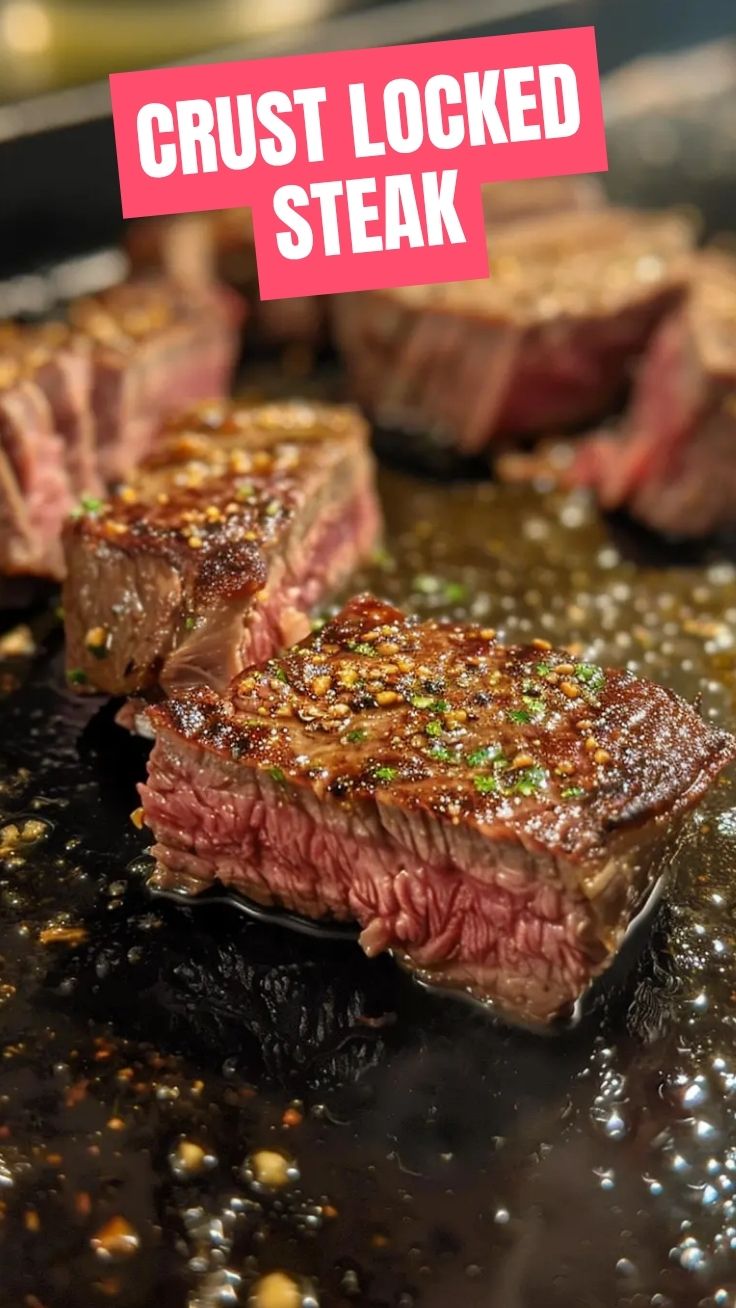
Quick way to grow a Perfect Steak (Pan-Seared Ribeye) in 6 Steps
Ingredients
Equipment
Method
- Pat the ribeye steak dry with paper towels and season generously with salt and pepper on both sides to ensure a good crust.
- Heat a cast-iron skillet over high heat for 3-5 minutes until it's smoking hot, then add a tablespoon of olive oil just before placing the steak.
- Carefully place the steak in the hot skillet and sear for 2-3 minutes per side until a deep brown crust forms.
- Reduce heat to medium, add butter, smashed garlic, and rosemary to the skillet, then baste the steak continuously for 1-2 minutes by spooning the melted butter over it.
- Using tongs, sear the edges of the steak for about 1 minute per edge until evenly browned, ensuring all sides develop a crust.
- Remove the steak from the skillet and let it rest on a cutting board for 5-10 minutes before slicing against the grain and serving.