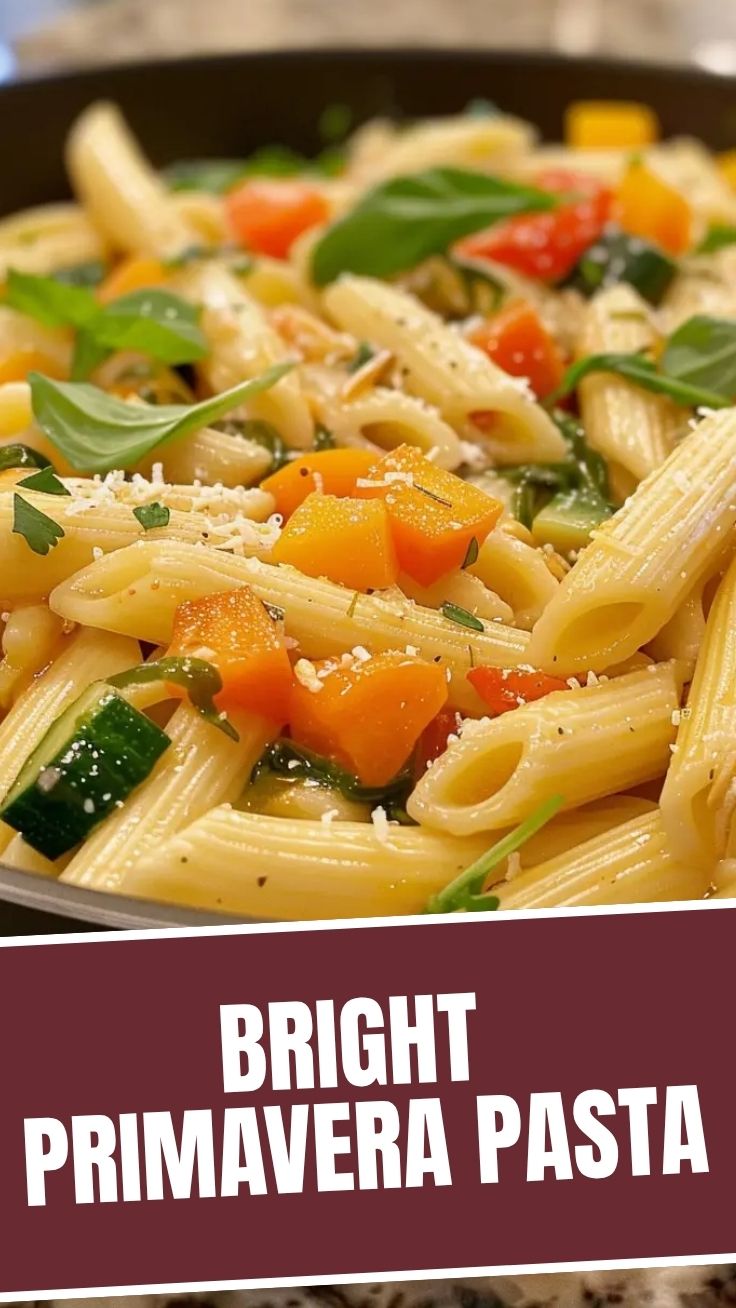
Fresh & Vibrant Pasta Primavera: A Spring Celebration in Every Bite
Have you ever bitten into a bowl of pasta that felt more like a chore than a celebration? The beauty of a well-made Pasta Primavera lies in its ability to transform humble seasonal vegetables into a show-stopping main course. Preparing this dish at home not only saves you money but also gives you complete control over the quality of ingredients, the level of doneness, and the final flavor profile. Whether you are looking for a quick weeknight dinner or a dish to impress guests, mastering this Primavera pasta recipe will elevate your cooking repertoire immediately.
Ingredients & Kitchen Tools
Essential Ingredients
– 1 lb pasta (penne, fettuccine, or farfalle work best – they hold sauce well)
– 2 tbsp olive oil (extra virgin for flavor, regular for high-heat cooking)
– 3 cloves garlic, minced (fresh, not jarred, for best aroma)
– 1 small zucchini, sliced into half-moons
– 1 yellow squash, similarly diced
– 1 cup cherry tomatoes, halved (Sun Gold variety adds sweetness)
– 1 cup asparagus, cut into 1-inch pieces (woody ends removed)
– ½ cup frozen peas (thawed; they add sweetness without cooking time)
– ¼ cup fresh basil, chiffonade
– ½ cup grated Parmesan cheese (plus more for serving)
– Salt and black pepper, to taste
– Red pepper flakes (optional; for heat)
Optional Substitutions
– Gluten-free pasta or chickpea pasta works well; adjust cooking time by 1–2 minutes.
– Substitute mushrooms for zucchini if you want an earthy flavor.
– Use nutritional yeast instead of Parmesan for a dairy-free version.
Kitchen Tools Needed
– Large pot (6–8 quarts) for boiling pasta
– Colander for draining
– Large skillet or sauté pan (12-inch)
– Chef’s knife and cutting board
– Wooden spoon or tongs
– Measuring cups and spoons
Prep Time & Cooking Schedule
| Task | Time Required |
|——|————–|
| Vegetable prep (wash, chop, slice) | 10 minutes |
| Pasta cooking time | 8–12 minutes (depending on pasta type) |
| Sautéing vegetables | 8–10 minutes |
| Combining and serving | 2 minutes |
| Total active time | 25–30 minutes |
Plan to start boiling your pasta water before you begin chopping vegetables. The key is to finish the sauce simultaneously with the pasta so everything stays hot and the vegetables retain their bright color and crisp-tender texture.
Step-by-Step Instructions
1. Bring a large pot of salted water to a rolling boil. Add 1 tablespoon of salt per gallon of water – this seasons the pasta from within. Cook your pasta 1 minute less than package directions for al dente results.
2. While pasta cooks, heat olive oil in a large skillet over medium-high heat. Add the garlic and red pepper flakes if using; cook for 30 seconds until fragrant but not browned.
3. Add the firmer vegetables first. Toss in the zucchini, yellow squash, and asparagus. Sauté for 3–4 minutes, stirring occasionally, until they begin to soften and develop golden-brown edges. The high heat creates a subtle caramelization that adds depth to this Pasta Primavera.
4. Reduce heat to medium and add cherry tomatoes and peas. Cook for another 2 minutes until tomatoes just begin to blister and release their juices. Season with salt and pepper to taste.
5. Reserve ½ cup of pasta cooking water before draining. The starchy water is liquid gold for creating a silky sauce.
6. Add the drained pasta directly to the skillet with the vegetables. Toss everything together over low heat, adding the reserved pasta water a tablespoon at a time until a light, emulsified sauce forms. This is where a good Primavera pasta recipe shines – the starch bonds with the olive oil to coat every strand.
7. Remove from heat, stir in fresh basil and Parmesan cheese. Toss gently for 30 seconds; the residual heat will melt the cheese. Serve immediately with extra Parmesan on top.
Nutritional Benefits & Advantages
This dish is a nutritional powerhouse. The rainbow of vegetables provides a wide spectrum of antioxidants – lycopene from tomatoes, lutein and zeaxanthin from zucchini and squash, and vitamin K from asparagus. The olive oil delivers heart-healthy monounsaturated fats that help absorb fat-soluble vitamins. A typical serving (about 1½ cups) contains approximately 380–420 calories, 12–14 grams of protein (more with whole-wheat pasta), and 8–10 grams of fiber, depending on your pasta choice. This fiber content supports digestive health and promotes satiety, making it an excellent option for weight management.
Tips Variations & Cooking Advice
– Lemon zest boost: Add 1 teaspoon of fresh lemon zest just before serving for brightness that cuts through the richness.
– Herb swap: Replace basil with fresh mint or parsley for a different aromatic profile.
– Protein addition: Stir in grilled chicken, shrimp, or white beans during the final toss for a heartier meal.
– Light version: Reduce olive oil to 1 tablespoon and use vegetable broth instead of pasta water for the sauce – saves about 60 calories per serving.
– Seasonal adaptation: In fall, substitute butternut squash cubes and kale; in summer, corn and bell peppers work wonderfully.
– No-crust method: For a raw vegan twist, spiralize zucchini as “pasta,” massage with olive oil and lemon, then toss with raw vegetables. Let sit 20 minutes to soften.
Common Mistakes to Avoid
– Overcooking vegetables: Mushy, waterlogged vegetables ruin the fresh appeal. Cook them just until crisp-tender – about 4–6 minutes total.
– Underseasoning: Pasta needs aggressive salting. If your dish tastes flat, you likely forgot to salt the pasta water adequately.
– Skipping the pasta water: Without that starchy liquid, your sauce will be thin and separate. Always reserve at least ½ cup.
– Adding all vegetables at once: Dense vegetables (asparagus, squash) take longer to cook than delicate ones (peas, tomatoes). Layer them to achieve perfect doneness for each.
– Rinsing the pasta: Never rinse cooked pasta unless making a cold salad. The surface starch helps sauce adhere.
Storage & Meal Prep Tips
– Refrigeration: Store cooled leftovers in an airtight container for up to 3 days. The vegetables will soften further but remain flavorful.
– Freezing: Not recommended – frozen vegetables become mushy upon thawing, and the creamy sauce can separate. If you must freeze, consider freezing the sauce separately and making fresh pasta later.
– Reheating: Add a splash of water or broth when reheating in a skillet over medium-low heat. Microwave in 30-second bursts, stirring in between, to avoid drying out.
– Meal prep hack: Pre-chop all vegetables and store them in separate bags in the fridge for up to 2 days. Cook pasta and vegetables fresh when ready to serve.
Conclusion
This Pasta Primavera is a celebration of spring’s bounty – vibrant, nutritious, and deceptively simple to execute. The beauty of this Primavera pasta recipe lies in its adaptability; once you understand the basic technique of layering vegetables and using starchy pasta water, you can customize it endlessly based on what’s in season. Whether you serve it as a light lunch, a weeknight dinner, or a side dish for grilled proteins, this recipe delivers restaurant-quality results in under 30 minutes. I encourage you to try it this week, adjust the vegetables to your preference, and share your creation in the comments below.
FAQs
Q: Can I use any pasta shape for Pasta Primavera?
Yes, but shapes with ridges or curves (farfalle, penne, fusilli) trap the sauce better than long strands. If you prefer spaghetti or linguine, chop the vegetables into smaller pieces for easier eating.
Q: How do I keep vegetables from getting soggy in the pan?
Work in batches if necessary – overcramming the pan lowers temperature and steams vegetables instead of sautéing them. Cook in a single layer, and don’t move them too often; let them develop color before stirring.
Q: My sauce is too watery. What went wrong?
You either added too much pasta water too quickly, or the tomatoes released excessive liquid before cooking down. Solution: Cook the sauce 1–2 minutes longer over medium heat to reduce, or add 1 tablespoon of cornstarch slurry (cornstarch mixed with cold water).
Q: Is Pasta Primavera naturally vegetarian or vegan?
Yes, it’s naturally vegetarian. To make it vegan, simply omit Parmesan or use a plant-based alternative. Nutritional yeast provides a cheesy, savory flavor without dairy.
Q: Can I double this recipe for a crowd?
Absolutely, but use two separate pans for sautéing vegetables to avoid overcrowding. Cook pasta in a larger pot. Adjust seasoning carefully – doubling the ingredients does not always mean doubling the salt; taste as you go.
Best way to grow a perfect Pasta Primavera in 30 minutes
Ingredients
Equipment
Method
- Cook pasta according to package directions; drain and set aside, reserving 1/2 cup of pasta water.
- Heat olive oil in a large skillet over medium heat. Add garlic, bell pepper, and zucchini; cook for 3-5 minutes until tender-crisp.
- Add broccoli and cherry tomatoes to the skillet; cook for another 2-3 minutes. Pour in vegetable broth and bring to a simmer.
- Stir in the cooked pasta, Parmesan cheese, and fresh basil. If needed, add some reserved pasta water to create a light sauce. Season with salt and pepper to taste.
- Serve immediately, garnished with extra Parmesan cheese and basil if desired.