The Ultimate Guide to Perfectly Golden Garlic Bread: A Step-by-Step Recipe
Have you ever craved that perfect slice of crispy, buttery, and aromatic Garlic Bread that you get at your favorite Italian restaurant? The kind with a golden-brown crust that shatters when you bite into it, revealing a soft, fluffy center infused with rich, savory flavor? While it may seem simple, achieving that restaurant-quality result at home is a true culinary art. By preparing it yourself, you control the quality of ingredients, the intensity of the flavor, and the texture, ensuring a superior experience that no store-bought version can match. In this guide, you will learn the professional secrets to making the best Garlic Bread using a rich Garlic Butter compound, transforming an ordinary loaf into an extraordinary side dish or appetizer.
Ingredients & Kitchen Tools
For the Garlic Butter:
– 1 cup (2 sticks) unsalted butter (softened to room temperature) – Key for spreadability; salted butter works but reduce added salt.
– 6–8 large garlic cloves (minced or pressed) – Fresh garlic is non-negotiable; avoid pre-minced jarred garlic for the best flavor.
– 1/4 cup fresh parsley (finely chopped) – Adds color and freshness; dried parsley is a pale substitute.
– 1/2 teaspoon salt – Use kosher or sea salt.
– 1/4 teaspoon black pepper – Freshly ground is best.
– 1/4 cup grated Parmesan cheese (optional) – Adds umami and a crisp, cheesy crust.
For the Bread:
– 1 large loaf French bread or ciabatta – Choose a crusty, artisanal loaf; avoid soft sandwich bread.
– 1 tablespoon olive oil (optional, for brushing) – Helps the crust get extra crispy.
Kitchen Tools:
– Mixing bowl
– Chef’s knife and cutting board
– Garlic press or microplane
– Butter knife or spatula
– Baking sheet
– Aluminum foil (optional, for softer bread)
– Oven thermometer (to ensure accurate temperature)
Optional Substitutions:
– Dairy-free: Use vegan butter and nutritional yeast instead of Parmesan.
– Gluten-free: Use a gluten-free baguette or ciabatta.
– Herb swap: Replace parsley with fresh basil, oregano, or chives.
Prep Time & Cooking Schedule
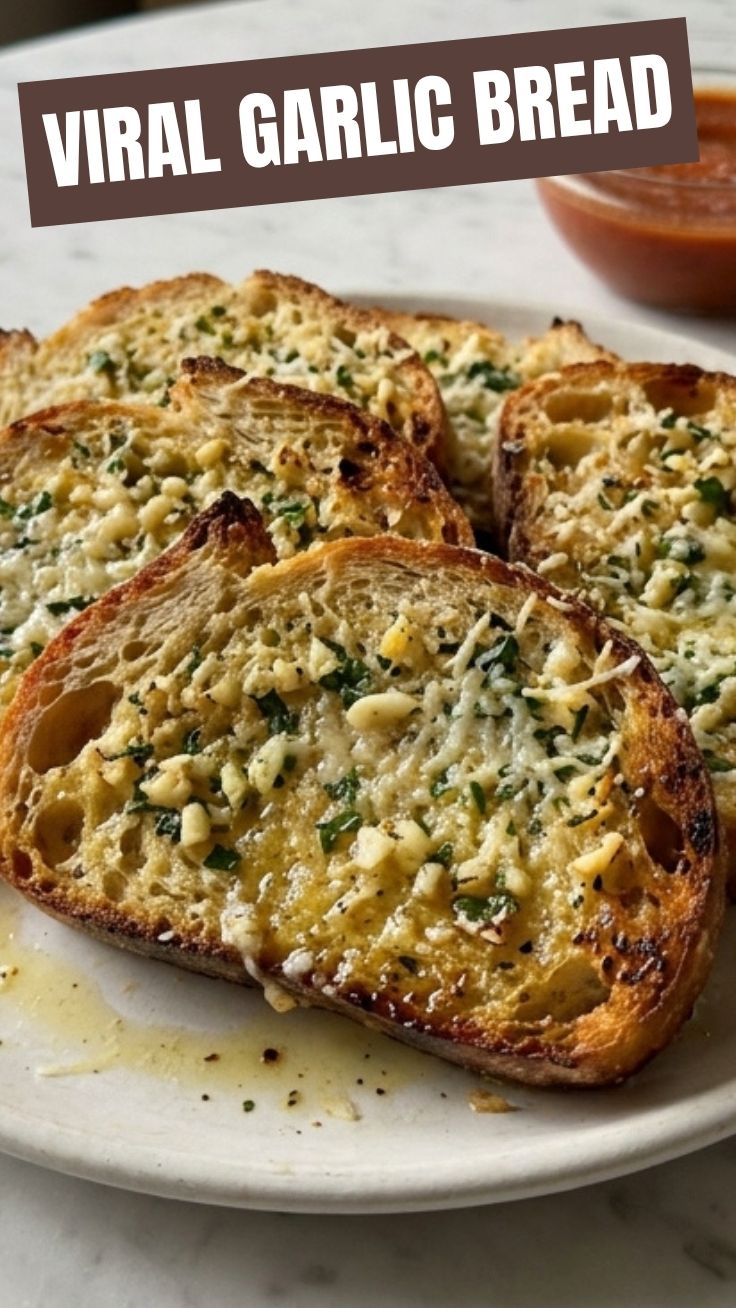
– Prep Time: 10 minutes (for making the garlic butter and slicing the bread)
– Cook Time: 12–15 minutes (for baking)
– Total Time: 22–25 minutes
Context for Planning: This is a fast recipe, ideal for last-minute dinner guests or a quick weeknight side. The garlic butter can be made up to 3 days in advance and stored in the refrigerator, but bring it to room temperature for easier spreading. The bread slices best when slightly stale, so if you have time, let the loaf sit out uncovered for an hour before starting.
Step-by-Step Instructions
1. Preheat your oven to 400°F (200°C). Position an oven rack in the middle. Using an oven thermometer ensures accuracy.
2. Make the Garlic Butter: In a mixing bowl, combine the softened unsalted butter, minced garlic, fresh parsley, salt, black pepper, and optional Parmesan cheese. Mix thoroughly with a spatula until uniform. Tip: Smell the mixture—it should be intensely garlicky but not harsh. This compound Garlic Butter is the heart of the recipe and can also be used for pasta, roasted vegetables, or steak.
3. Prepare the Bread: Slice the loaf of French bread in half lengthwise. For extra crispiness, brush the cut sides with olive oil. Texture cue: The bread should feel firm but not rock-hard.
4. Spread the Butter: Using a butter knife, generously spread the garlic butter mixture onto the cut sides of the bread, ensuring even coverage from edge to edge. Don’t be shy—this is where the flavor lives.
5. Bake the Bread: Place the bread halves, buttered side up, directly on a baking sheet. Bake for 10 minutes, then rotate the pan and bake for another 2–5 minutes, until the edges are deep golden brown and the butter is bubbling. Temperature control: If the top browns too quickly, tent loosely with foil; if it’s not browning, increase oven temperature to 425°F for the last 2 minutes.
6. Finish and Serve: Remove from the oven and let rest for 1 minute. Slice into individual pieces and serve immediately while hot and crispy. As the Garlic Bread cools, the butter solidifies slightly, so timing is everything.
Nutritional Benefits & Advantages
A single serving of this garlic bread provides a surprising range of nutritional benefits:
– Garlic is rich in allicin, a compound linked to reduced blood pressure and improved immune function.
– Butter provides fat-soluble vitamins A, D, E, and K2, essential for bone health and skin integrity.
– Parsley is packed with vitamin K, vitamin C, and antioxidants.
– Olive oil (if used) adds heart-healthy monounsaturated fats.
Per serving (2 slices): Approximately 220 calories, 14g fat, 20g carbs, 4g protein. Advantage: Homemade garlic bread avoids the preservatives, excessive sodium, and stale texture of pre-packaged versions, allowing you to control portion size and ingredient quality.
Tips, Variations & Cooking Advice
Flavor Variations:
– Cheesy Garlic Bread: Add 1/2 cup shredded mozzarella or provolone on top of the butter before baking.
– Spicy Kick: Mix 1/2 teaspoon red pepper flakes into the garlic butter.
– Herb Garden: Add 1 teaspoon dried oregano or thyme to the butter.
Alternative Cooking Methods:
– Grilled: Place buttered bread on a preheated grill (medium heat) for 2–3 minutes per side.
– Air Fryer: Cook at 350°F for 5–7 minutes, until crispy.
– Toaster Oven: Perfect for small batches; cook at 375°F for 8–10 minutes.
Portion Changes & Dietary Adaptations:
– Dairy-Free: Use vegan butter and omit Parmesan (or use nutritional yeast).
– Gluten-Free: Use a certified gluten-free baguette; reduce bake time by 3 minutes.
– Low-Carb: Use a keto-friendly almond flour baguette.
Common Mistakes to Avoid
1. Using cold butter: Cold butter won’t spread evenly, leading to dry patches. Always soften the butter to room temperature (about 65°F).
2. Burning the garlic: Over-mincing and over-baking can turn garlic bitter. Use fresh cloves, mince finely but not to a paste, and bake no longer than 15 minutes.
3. Soggy bread: This happens when the butter is too watery or the bread is too soft. Use a crusty loaf and don’t overload with wet ingredients (e.g., fresh basil stems).
4. Uneven cooking: Slices of different thicknesses cook at different rates. Try to slice the loaf evenly, about 1.5 inches thick, or cook whole halves for uniform heat distribution.
5. Skipping the rest time: Letting the bread rest for just 1 minute allows the butter to set slightly, preventing a greasy mouthfeel.
Storage & Meal Prep Tips
– Refrigeration: Store leftover garlic bread in an airtight container or zip-top bag at room temperature for up to 2 days (if it has lots of butter) or in the fridge for up to 4 days.
– Freezing: Wrap each slice tightly in foil and place in a freezer bag. Freeze for up to 1 month.
– Reheating: For best texture, reheat in a 350°F oven or air fryer for 5–7 minutes. Avoid microwaving, which makes the bread soggy. Tip: If frozen, bake directly from frozen at 375°F for 10 minutes.
Conclusion
Making restaurant-quality garlic bread at home is simpler than you think—it comes down to using fresh ingredients, mastering a simple Garlic Butter, and controlling the bake time for that perfect golden crust. You’ve learned how to avoid common pitfalls, adapt the recipe for dietary needs, and store leftovers without sacrificing quality. Now, it’s your turn: grab a crusty loaf, whip up that Garlic Bread, and serve it alongside your favorite pasta, soup, or salad. We’d love to see your results—share a photo in the comments, tag us on social media, or tell us about your favorite variation. Happy cooking!
FAQs
1. Can I use pre-minced garlic from a jar?
Yes, but it will lack the pungent, fresh flavor of raw cloves. If using jarred garlic, use 2 tablespoons and reduce the salt slightly, as it often contains sodium.
2. What if my bread burns on top but is still soft inside?
This often happens when the oven is too hot or the bread is too thick. Lower the temperature to 375°F and bake for 15–18 minutes, or cover loosely with foil for the last 5 minutes.
3. How do I make garlic bread dairy-free?
Substitute the butter with a high-quality vegan butter (look for one with at least 10g fat per tablespoon) and omit the Parmesan. The texture will be slightly less rich but still delicious.
4. Why is my garlic butter bitter?
Bitterness comes from burnt garlic. Ensure the garlic is minced evenly, and don’t bake longer than 15 minutes at 400°F. You can also blanch the garlic in boiling water for 30 seconds before mincing to reduce bitterness.
5. Can I prepare the garlic bread ahead of time?
Absolutely! Assemble the garlic bread (spread with butter) up to 2 hours in advance, wrap in plastic wrap, and refrigerate. Bake just before serving, adding 2–3 minutes to the cook time.
Best way to grow your perfect Garlic Bread in 3 steps
Ingredients
Equipment
Method
- Preheat your oven to 375°F (190°C) and prepare the garlic butter by combining softened butter, minced garlic, chopped parsley, and salt in a small bowl until well mixed.
- Slice the baguette lengthwise down the middle, then spread the prepared garlic butter evenly over the cut sides of both halves; sprinkle with optional Parmesan cheese if desired.
- Place the bread butter-side up on a baking sheet and bake for 10-15 minutes, or until the edges are golden brown and crispy, then slice into individual portions and serve warm.