Why This Summer Tomato Sauce Will Change Your Cooking Forever
Is there anything more disappointing than a jarred tomato sauce that tastes flat and overly acidic? What if you could capture the sweet, sun-ripened essence of summer in a sauce that takes only 30 minutes to prepare? Mastering a truly spectacular Fresh Tomato Sauce (Summer) is the single most valuable skill you can take from peak season produce. When you make it at home, you control the quality of ingredients, avoid unnecessary preservatives, and unlock a depth of flavor no store-bought version can match. Similarly, exploring Seasonal Tomato Sauce Recipes helps you adapt your cooking to what’s freshest at the market, reducing food waste and maximizing taste. This guide will walk you through every step of creating the perfect fresh tomato sauce, from selecting the ripest fruit to storing it for future use.
—
Ingredients & Kitchen Tools
Ingredients
– 2 lbs ripe Roma or San Marzano tomatoes – These meaty varieties have fewer seeds and less water, giving you a thicker, sweeter sauce.
– 3 tbsp extra-virgin olive oil – Use a fruity olive oil for drizzling at the end; a less expensive one for cooking.
– 4 cloves garlic, thinly sliced – Slicing instead of mincing prevents bitterness and adds gentle garlic flavor.
– 1 medium yellow onion, finely diced – Adds natural sweetness and savory depth.
– 1 tsp salt (plus more to taste) – Start with less; tomatoes vary in natural salt content.
– ½ tsp black pepper – Freshly ground is best.
– 1 tbsp tomato paste (optional) – Thickens sauce naturally, especially if your tomatoes are very watery.
– ½ cup fresh basil leaves, torn – Adds a signature aromatic finish.
– Pinch of sugar (optional) – Only if your tomatoes lack sweetness.
Kitchen Tools & Utensils
– Large heavy-bottomed pot or Dutch oven – Distributes heat evenly and prevents scorching.
– Sharp chef’s knife – Essential for clean cuts on tomatoes and aromatics.
– Cutting board
– Wooden spoon or silicone spatula – For stirring without scratching your pot.
– Immersion blender or food mill – For achieving your preferred texture; a potato masher works too.
– Fine-mesh strainer – If you prefer a seedless sauce (optional).
– Mason jars or airtight containers – For storage and meal prep.
Optional Substitutions
– Use cherry or grape tomatoes for a sweeter, more concentrated sauce (no need to peel).
– Substitute shallots for onion if you want a milder flavor.
– For a vegan version, skip optional parmesan rind additions.
—
Prep Time & Cooking Schedule
– Prep time: 15 minutes (washing, dicing tomatoes, slicing garlic, chopping onion)
– Cook time: 25–35 minutes (from first sizzle to finished sauce)
– Total time: 40–50 minutes
Context for planning: This sauce moves quickly once it starts. Have all ingredients measured and ready before turning on the heat. The active work is mainly in the first 10 minutes; after that, the sauce mostly simmers unattended. Plan to serve immediately, or set aside time to cool for storage. This recipe yields about 3½ cups of sauce.
—
Step-by-Step Instructions
1. Prepare the tomatoes. Bring a large pot of water to a boil. Score a shallow “X” on the bottom of each tomato. Blanch for 30–60 seconds until the skin starts to peel, then transfer to an ice bath. Peel, core, and roughly chop. If you want a chunkier sauce, chop coarsely; for a smoother final product, chop finer.
2. Sauté the aromatics. In a large heavy pot over medium heat, add olive oil. Once it shimmers, add diced onion and cook 4–5 minutes until translucent. Add sliced garlic and cook 30 seconds more until fragrant but not brown (browned garlic turns bitter).
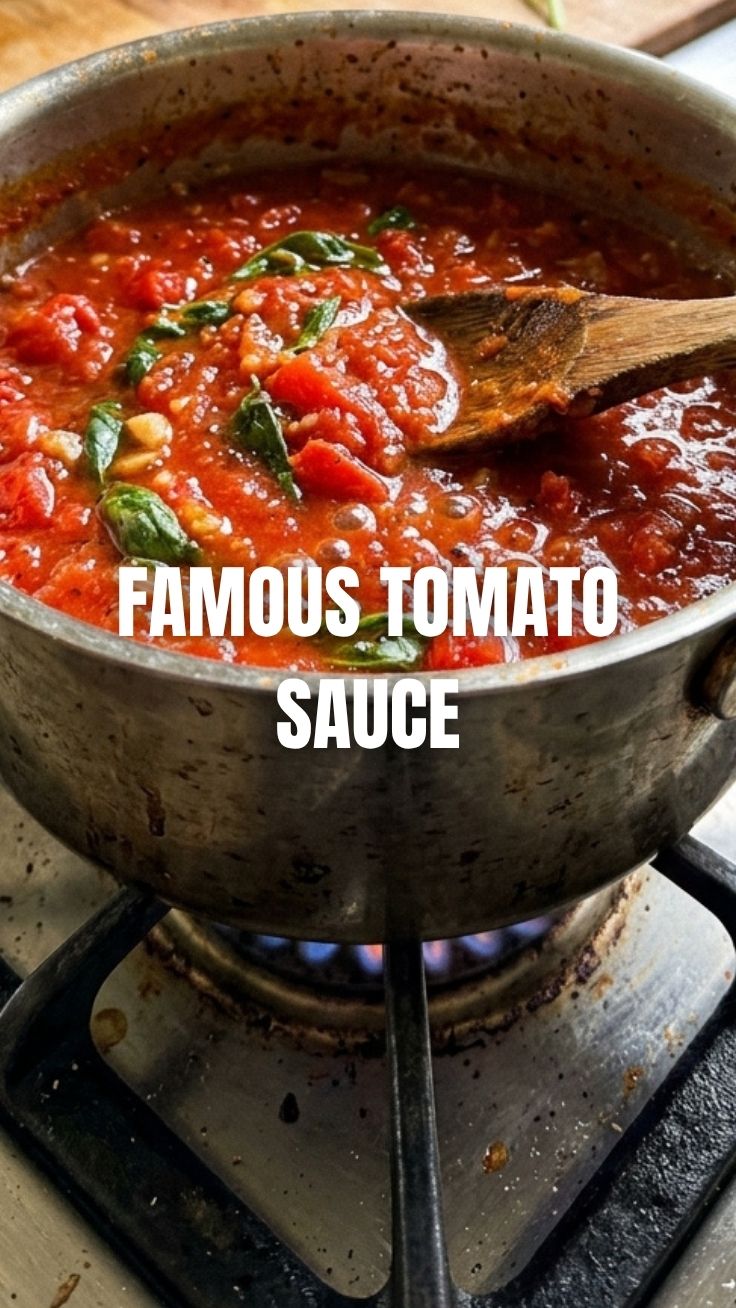
3. Cook down the tomatoes. Add your chopped tomatoes to the pot along with salt and pepper. Increase heat to medium-high and bring to a gentle boil. Immediately reduce heat to a steady simmer. Cook uncovered for 20–25 minutes, stirring occasionally. The sauce should reduce by about one-third and look slightly thicker.
4. Blend or leave chunky. Use an immersion blender directly in the pot for a smooth sauce. Alternatively, process through a food mill for an exceptionally silky texture. For a rustic, chunky sauce, simply crush the softened tomatoes with a potato masher.
5. Finish and season. Off the heat, stir in torn fresh basil. Taste and adjust salt. If the sauce tastes acidic, add a pinch of sugar. For an extra layer of savory depth, stir in 1 tablespoon of tomato paste dissolved in a little warm water. This technique used in any quality Fresh Tomato Sauce (Summer) intensifies the tomato flavor without overwhelming the delicate freshness. For truly creative Seasonal Tomato Sauce Recipes, consider adding a pinch of red pepper flakes or a splash of balsamic vinegar after cooking.
—
Nutritional Benefits & Advantages
This fresh tomato sauce is packed with health benefits thanks to whole, unprocessed ingredients. Tomatoes are an excellent source of lycopene, a powerful antioxidant linked to reduced risk of heart disease and certain cancers. Cooking tomatoes actually increases the bioavailability of lycopene, so this sauce maximizes that benefit. A one-cup serving contains only about 90 calories, 4 grams of fiber, and provides 40% of your daily vitamin C needs. The olive oil offers healthy monounsaturated fats that aid in the absorption of fat-soluble vitamins from the tomatoes. Additionally, using this sauce as a base for pasta, pizza, or soups is a great way to incorporate more vegetables into your diet without sacrificing flavor.
—
Tips, Variations & Cooking Advice
– Flavor variations: Add a parmesan rind to the pot while simmering for a nutty, savory finish. Stir in a splash of heavy cream or coconut cream for a rosé-style sauce. Roast the tomatoes at 400°F for 20 minutes before cooking for a deeper, smokier flavor.
– Ingredient swaps: Replace basil with oregano, thyme, or parsley for a different herbal profile. Use red onion instead of yellow for a slightly sharper flavor.
– Alternative cooking methods: Slow-cooker method: combine all ingredients (except basil) in a slow cooker and cook on low for 6–8 hours. Instant Pot method: sauté aromatics on Sauté mode, add tomatoes, pressure cook on high for 5 minutes, then blend.
– Portion changes: This recipe scales easily. For a larger batch, double all ingredients and increase cook time by 5–10 minutes.
– Dietary adaptations: This sauce is naturally gluten-free, vegan, and dairy-free. It works perfectly for low-carb and keto diets if served over zucchini noodles or alongside protein.
—
Common Mistakes to Avoid
– Skipping the blanching step. Unpeeled tomato skins can make the final sauce tough and stringy. Always take the 60 seconds to blanch and peel.
– Cooking at too high a heat. High heat can cause the sauce to scorch on the bottom of the pot, creating a burnt, bitter flavor. Keep the sauce at a gentle simmer, not a rolling boil.
– Not tasting and adjusting seasoning. Commercially grown tomatoes vary widely in sweetness and acidity. Taste your sauce at the end and adjust with salt, sugar, or a splash of vinegar as needed.
– Overcrowding the pot. Using too small a pot means the tomatoes will steam instead of caramelize, resulting in a watery sauce. Use a pot large enough that the tomatoes are in a single layer with light stirring.
– Adding fresh herbs too early. Adding basil at the beginning of cooking will cause it to lose its bright, aromatic flavor. Always add delicate herbs at the very end, off the heat.
—
Storage & Meal Prep Tips
– Refrigeration: Store cooled sauce in an airtight container or mason jar in the refrigerator for up to 5–7 days. Press a layer of plastic wrap directly onto the surface of the sauce before sealing to prevent a skin from forming.
– Freezing: This sauce freezes beautifully for up to 3 months. Pour cooled sauce into freezer-safe bags or containers, leaving ½ inch of headspace for expansion. Lay bags flat for quick, even thawing.
– Reheating: Reheat gently on the stovetop over medium-low heat, stirring occasionally. If the sauce has thickened after freezing, add a tablespoon of water or pasta cooking water to loosen it. Avoid microwaving in metal containers.
– Canning: For long-term storage at room temperature, follow proper water-bath canning guidelines. This sauce is acidic enough for safe canning, but always use a tested recipe and processed jars.
—
Conclusion
Creating a vibrant, homemade tomato sauce from summer’s peak produce is one of the most rewarding kitchen projects you can tackle. The bright, sweet flavor of ripe tomatoes blended with simple aromatics transforms everyday pasta into a restaurant-quality meal. Whether you stick to the essential Fresh Tomato Sauce (Summer) or branch out into other Seasonal Tomato Sauce Recipes, this recipe is incredibly versatile and forgiving. We encourage you to try it with your favorite pasta, use it as a pizza base, or serve it alongside grilled proteins. Experiment with herbs, adjust the texture to your liking, and don’t forget to share your results in the comments below. For more summer-inspired cooking ideas, explore our collection of garden-to-table recipes.
—
FAQs
1. Can I use canned tomatoes instead of fresh for this recipe?
Yes, absolutely. When fresh tomatoes are out of season, high-quality canned San Marzano tomatoes are an excellent substitute. Use a 28-ounce can, drain off half the liquid, and skip the blanching step. The cooking time will remain about the same.
2. My sauce tastes too acidic. What can I do?
First, make sure you’ve added enough salt—that helps balance acidity. A pinch of sugar (or a tiny bit of honey) works wonders. Alternatively, a small piece of carrot simmered in the sauce and then removed can naturally sweeten it. A splash of cream will also tame acidity.
3. How do I prevent my sauce from turning watery?
Start by choosing Roma or other paste-type tomatoes, which have less water content. If your sauce still seems thin, simmer it uncovered for an extra 5–10 minutes to let moisture evaporate. Avoid adding extra liquid like broth unless absolutely necessary.
4. Can I freeze the sauce with basil already in it?
Yes, but basil loses some of its bright color and aroma after freezing. For best results, add fresh basil only after reheating the thawed sauce. Alternatively, you can freeze the sauce without herbs and add them fresh when serving.
5. How do I make this sauce spicier or more savory?
For heat, add ¼ teaspoon of red pepper flakes when you sauté the garlic. For a savory, umami boost, stir in ½ teaspoon of fish sauce (trust me, don’t worry about the fishiness) or a tablespoon of miso paste dissolved in a little warm water. Both of these tricks are used in professional kitchens to deepen tomato flavor.
Best way to grow 3x Fresh Tomato Sauce (Summer)
Ingredients
Equipment
Method
- Plant tomato seeds or seedlings in nutrient-rich potting soil, ensuring adequate spacing for growth.
- Water regularly, providing consistent moisture without overwatering, and fertilize as recommended for tomato plants.
- Provide support with stakes or cages to help the plants grow upright and support the fruit.
- Harvest tomatoes when they are ripe, typically red and firm, which can take several weeks after planting.