The Ultimate Creamy Coleslaw Recipe: Your New Go-To Side Dish
Have you ever bitten into a burger or a piece of fried chicken and felt that something was missing? That something is the perfect creamy, crunchy, tangy Coleslaw that balances the richness of the main course. While grabbing a tub from the store is convenient, nothing compares to the freshness and control you get when you make it at home. You can adjust the sweetness, the acidity, and the crunch exactly to your liking. This comprehensive guide will walk you through creating a restaurant-quality coleslaw recipe that will become a staple in your kitchen, ensuring you never settle for bland, soggy slaw again.
Ingredients & Kitchen Tools
Before you start, gathering the right ingredients and tools ensures a smooth cooking process.
Ingredients:
– Green Cabbage (1 medium head): The foundational crunch. Shred it thinly for the best texture.
– Carrots (2 medium): Adds natural sweetness and vibrant color. Grate them fresh.
– Mayonnaise (1 cup): The creamy base. Use full-fat for the richest flavor.
– Apple Cider Vinegar (2 tablespoons): Provides the necessary tang to cut through the fat.
– Sugar (3 tablespoons): Balances the acidity. You can adjust based on preference.
– Celery Seed (1 teaspoon): The secret ingredient for that classic, authentic flavor.
– Salt and Black Pepper: To enhance all other flavors. Season to taste.
– Optional Add-ins: Dijon mustard for extra tang, finely diced onion for a sharp bite, or buttermilk for a thinner, tangier dressing.
Kitchen Tools:
– Large Mixing Bowl: For combining slaw and dressing.
– Chef’s Knife & Cutting Board: Essential for shredding cabbage and grating carrots.
– Box Grater or Food Processor: Speeds up the shredding process for veggie prep.
– Whisk or Fork: For emulsifying the dressing.
– Colander: For rinsing and draining cabbage if desired.
Prep Time & Cooking Schedule
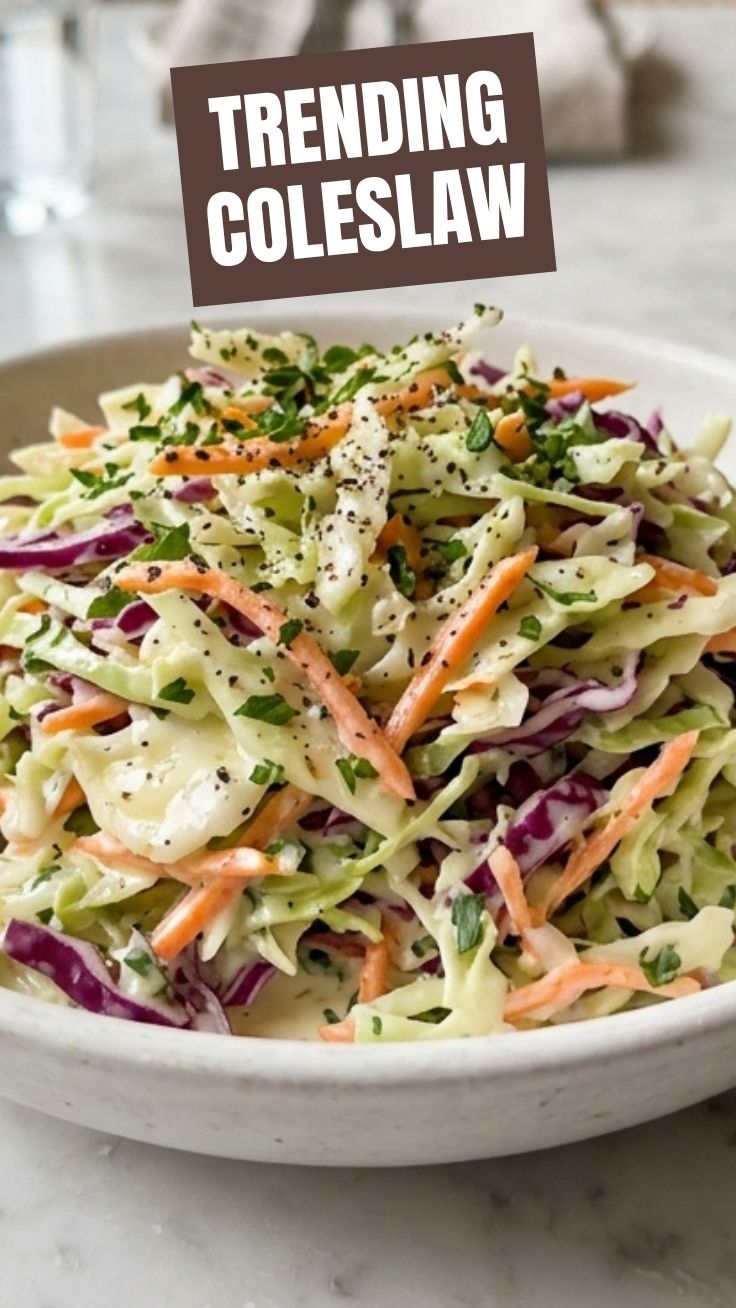
– Prep Time: 15 minutes
– Chilling Time: 1 hour minimum (2 hours is ideal)
– Total Time: 1 hour 15 minutes
The most critical step is patience. While you can eat this Coleslaw immediately after mixing, the flavor and texture improve dramatically after resting in the refrigerator. The chilling time allows the dressing to meld with the vegetables, softening the sharp edge of the raw cabbage and creating that harmonious, iconic flavor profile. Plan to make this at least an hour before your meal for optimal results.
Step-by-Step Instructions
1. Prepare the Vegetables: Finely shred the green cabbage, discarding the tough core. Grate the carrots on the large holes of a box grater. For the best texture, avoid using a food processor that cuts too finely, as it can turn the cabbage watery.
2. Make the Creamy Dressing: In your large mixing bowl, whisk together the mayonnaise, apple cider vinegar, sugar, celery seed, ½ teaspoon of black pepper, and ¼ teaspoon of salt. Taste the dressing; it should be tangy and slightly sweet.
3. Combine and Coat: Add the shredded cabbage and grated carrots to the bowl with the dressing. Use a large spatula to toss everything thoroughly until every piece of vegetable is evenly coated. This is the moment your Coleslaw truly comes together. Using this simple coleslaw recipe, you avoid the preservatives of store-bought versions.
4. Rest and Chill: Cover the bowl with plastic wrap and refrigerate for at least one hour. For the best results, stir the mixture halfway through the chilling time to redistribute the dressing. The cabbage will shrink slightly as it absorbs the liquid, creating the perfect tender-crisp texture.
Nutritional Benefits & Advantages
This Coleslaw is more than just a tasty side dish; it offers significant health benefits. Cabbage is a low-calorie cruciferous vegetable packed with vitamin C, vitamin K, and fiber, which supports digestive health. Carrots provide beta-carotene, an antioxidant that promotes good vision and immune function. By making this dressing at home, you control the quality of the oil and can reduce the sugar content compared to many commercial brands, making this a guilt-free addition to any meal.
Tips Variations & Cooking Advice
– Spicy Kick: Add 1-2 tablespoons of horseradish or a pinch of cayenne pepper to the dressing for a zesty edge.
– Dairy-Free Version: Substitute the mayonnaise with a high-quality vegan mayo and use maple syrup instead of sugar for a deeper flavor.
– Flavor Swap: Replace apple cider vinegar with white wine vinegar or fresh lemon juice for a different acidic profile.
– Protein Boost: Add shredded chicken, canned tuna, or chickpeas to turn this side into a main-course lunch salad.
– Texture Tip: After shredding, sprinkle cabbage with salt and let it sit in a colander for 15 minutes. Pat it dry before adding to the dressing. This removes excess moisture, preventing a watery slaw.
Common Mistakes to Avoid
– Watery Slaw: This is the most frequent issue. It happens when cabbage releases water into the dressing. The fix? Salt and drain your cabbage for 15 minutes before mixing, or ensure you pat it completely dry after washing.
– Soggy Texture: Avoid dressing the slaw too far in advance. If you plan to have leftovers for 2-3 days, dress only what you will eat immediately and store the veggies and dressing separately.
– Overpowering Vinegar: Start with 1 tablespoon of vinegar instead of 2. You can always add more, but you cannot remove it. Taste the dressing before mixing it with the vegetables.
– Bland Flavor: This recipe hinges on salt. A lack of salt makes the dressing taste flat. Always season generously with kosher salt and fresh black pepper.
Storage & Meal Prep Tips
Storing your Coleslaw correctly extends its shelf life and maintains its crunch. Transfer leftovers to an airtight container and store in the refrigerator for up to 3-4 days. The flavor often improves on the second day, but the texture will soften over time.
– Freezing: Do not freeze this coleslaw. The mayonnaise-based dressing will separate and become grainy, and the cabbage will become mushy upon thawing.
– Reheating: Coleslaw is served cold. There is no need to reheat it.
– Meal Prep: For weekly meal prep, keep the shredded vegetable blend and the dressing in separate containers in the fridge. Combine only the portion you plan to eat that day. This keeps your slaw fresh and crunchy for up to a week.
Conclusion
In summary, mastering this classic Coleslaw is a game-changer for home cooks who want to elevate simple meals. It is incredibly forgiving, easy to customize, and relies on pantry staples. By following this straightforward coleslaw recipe, you guarantee a side dish that is simultaneously creamy, crunchy, tangy, and sweet. We challenge you to make a batch this weekend and taste the difference homemade makes. Share your results in the comments below or tag us in your photos online. Happy cooking!
FAQs
1. Can I use red cabbage instead of green?
Yes, absolutely! Red cabbage works perfectly and creates a beautiful, vibrant pink or purple coleslaw. Just be aware that red cabbage is slightly tougher and more peppery, so you may want to let it marinate a bit longer to soften.
2. How do I make this coleslaw recipe less sweet?
Reduce the sugar to 1 tablespoon or omit it entirely if you prefer a tangy-savory flavor. You can also add an extra splash of apple cider vinegar to increase the acidity.
3. My coleslaw is too watery, what can I do to fix it?
If you have already mixed the dressing, pour the soggy slaw into a colander and let it drain for 15 minutes. Then, remix it in a clean bowl. For future batches, always salt and drain the cabbage before mixing.
4. Can I use store-bought coleslaw mix instead of shredding my own cabbage?
Yes, using a pre-shredded bag is a great time-saver. However, the texture is often finer and less crisp. For the best results, look for a mix with larger, thicker shreds.
5. How long before serving should I make this coleslaw?
For maximum crunch and flavor, make it 2 to 4 hours before you plan to serve it. This allows the flavors to meld without the vegetables becoming overly soft. Avoid making it more than 24 hours in advance.
Proven way to grow 5 Coleslaw
Ingredients
Equipment
Method
- Prepare your planting area by filling pots with potting soil or tilling a garden plot.
- Plant the coleslaw seeds according to packet instructions, ensuring proper depth and spacing.
- Water the seeds thoroughly after planting and maintain consistent moisture as they grow.