Master the Pit: Unleashing Authentic BBQ Brisket (Texas Style) in Your Own Backyard
Ever dreamt of that melt-in-your-mouth, smoky, and utterly unforgettable brisket you’ve savored at the best Texas BBQ joints? What if I told you that achieving that legendary flavor profile, the kind that makes your taste buds sing, is entirely within your reach, right in your own backyard? Today, we’re embarking on a culinary journey to craft the ultimate BBQ Brisket (Texas Style), a dish that’s more than just food – it’s an experience. Forget those bland, dry imitations; we’re diving deep into the art and science of low-and-slow cooking to unlock the full potential of this iconic cut. Mastering homemade smoked brisket isn’t just about feeding your family; it’s about connecting with a rich culinary tradition, elevating your grilling game, and impressing everyone at your next gathering. Get ready to transform a humble piece of beef into a veritable masterpiece of flavor and tenderness.
Ingredients & Kitchen Tools
Crafting the perfect Texas-style brisket requires a thoughtful selection of both ingredients and equipment. Here’s what you’ll need:
- For the Brisket:
* 10-14 lb Full Packer Brisket: Look for a USDA Prime or Choice grade with good marbling. The “full packer” includes both the point and the flat.
* Coarse Kosher Salt: Essential for a deep dive and flavor crust.
* Coarse Black Pepper: Freshly ground for the best flavor.
* Optional Binder (Yellow Mustard or Hot Sauce): Helps the rub adhere, doesn’t impact final flavor.
- For the Spritz (Optional, but Recommended):
* 1 cup Apple Cider Vinegar: Adds moisture and a touch of tang.
* 1 cup Water: Dilutes the vinegar.
* 1 tbsp Worcestershire Sauce: Umami depth.
- Essential Kitchen Tools:
* Offset Smoker, Pellet Smoker, or Charcoal Grill with Indirect Heat Setup: Crucial for maintaining low, consistent temperatures.
* Large Cutting Board: For trimming and slicing.
* Sharp Boning Knife or Brisket Trim Knife: For precise trimming of fat.
* Large Disposable Aluminum Pans: For resting the brisket and catching drippings.
* Heavy-Duty Aluminum Foil or Butcher Paper: For the “Texas Crutch” (wrapping the brisket). Butcher paper is preferred for a crisper bark.
* Instant-Read Meat Thermometer: Absolutely vital for accurate temperature readings.
* Probe Thermometer: For continuous monitoring of internal temperature.
* Heat-Resistant Gloves: For handling hot brisket.
* Spritz Bottle: For applying the spritz.
* Cutting Board & Long Slicing Knife: For serving.
Prep Time & Cooking Schedule
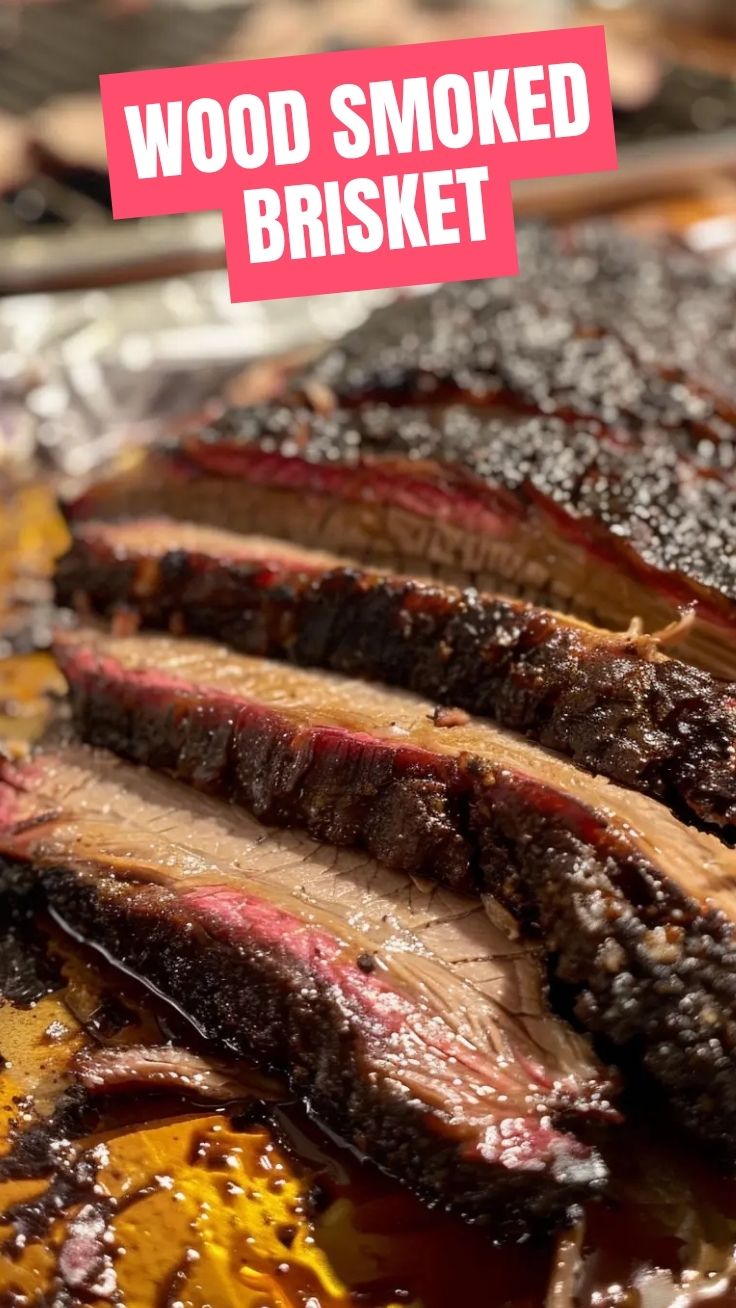
Patience is a virtue, especially with brisket. Understanding the timeline is key to success.
- Prep Time: 30-60 minutes (Trimming & Seasoning)
- Cook Time: 10-18 hours (Variable, depending on brisket size and smoker consistency)
- Resting Time: 2-4 hours (Crucial for tenderness)
Plan Ahead: A full packer brisket can take anywhere from 12-18 hours to cook, plus a minimum 2-hour rest. For a Saturday dinner, start your cook early Friday evening or even overnight into Saturday morning. Consistent temperature management throughout this long cook is paramount for tender, juicy results.
Step-by-Step Instructions
Embarking on the journey of a BBQ Brisket (Texas Style) is a true test of patience and technique. Here’s how to achieve perfection:
1. Trim the Brisket: Start with a full packer brisket. Trim the hard, thick fat to about 1/4 inch thickness across the fat cap. Remove any silver skin or overly aggressive pockets of fat on the lean side. The goal is even fat distribution for rendering and moisture.
2. Season Generously: If using, apply a thin layer of mustard or hot sauce as a binder. Then, liberally season all sides of the brisket with a 50/50 mix of coarse kosher salt and coarse black pepper. Don’t be shy; the bark is crucial.
3. Preheat Your Smoker: Get your smoker stabilized at a consistent temperature of 225-250°F (107-121°C). Use wood like post oak, hickory, or mesquite for that authentic Texas flavor.
4. Smoke the Brisket: Place the brisket, fat side up (or towards the heat source, if applicable to your smoker), directly on the grates. Close the lid and maintain your temperature.
5. Spritz (Optional, After ~4 Hours): Once the bark has set (usually around 4-5 hours), you can begin spritzing the brisket every 45-60 minutes with your apple cider vinegar mixture. This helps keep the surface moist and encourages bark development.
6. The Stall & The Texas Crutch: The brisket will typically “stall” around 150-170°F (65-77°C) internal temperature, where evaporative cooling slows the cooking. Once the bark is sufficiently developed and the internal temperature hits 165-175°F (74-79°C), wrap the smoked brisket tightly in butcher paper or heavy-duty aluminum foil. This helps push through the stall and retain moisture.
7. Continue Cooking to Tenderness: Return the wrapped brisket to the smoker. Continue cooking until the internal temperature reaches 200-205°F (93-96°C) AND, more importantly, it feels probe tender – meaning an instant-read thermometer slides into the meat with little to no resistance, like pushing into warm butter.
8. The Critical Rest: This is non-negotiable. Once probe tender, remove the brisket from the smoker, still wrapped, and place it in an empty cooler or a warm oven (turned off, using residual heat) for at least 2 hours, but preferably 3-4 hours. This allows the muscle fibers to relax and reabsorb juices, resulting in unparalleled tenderness and moisture.
9. Slice Against the Grain: Unslice your masterpiece. Locate the grain of the meat and slice against it for maximum tenderness, typically 1/4 to 1/2 inch thick slices. Remember that the point and flat portions have different grain directions, so you’ll need to separate them to slice correctly.
Nutritional Benefits & Advantages
Beyond its incredible flavor, brisket offers several nutritional advantages. It’s a significant source of high-quality protein, essential for muscle building, repair, and overall body function. While it is a fattier cut, much of the unhealthy saturated fat is trimmed away, and the remaining intramuscular fat (marbling) melts during the long cook, contributing to flavor and tenderness while providing beneficial mono- and polyunsaturated fats. Brisket is also rich in essential B vitamins (B12, niacin, B6), iron, and zinc, which are vital for energy metabolism, blood health, and immune function. The low-and-slow smoking process, using natural wood, also avoids the higher temperatures that can generate harmful compounds in other cooking methods, making it a flavorful and relatively wholesome choice for a celebratory meal.
Tips, Variations & Cooking Advice
- Wood Selection: Post oak is the quintessential Texas choice. Hickory offers a stronger, classic smoke flavor, while mesquite is even more intense. Experiment to find your favorite.
- No Smoker? No Problem (Almost): While a dedicated smoker is ideal, you can achieve decent results on a charcoal grill using a snake method for indirect heat or even in an oven after an initial smoke phase with a smoke generator.
- Injection (Advanced): For even more moisture and flavor, consider injecting the brisket with a liquid blend of beef broth, Worcestershire, and butter before seasoning.
- Brisket Ends (Burnt Ends): The fatty point of the brisket, after separating from the flat, can be cubed, re-seasoned, sauced, and returned to the smoker for another 2-3 hours to create incredible “burnt ends.”
- Rub Variations: While salt and pepper are traditional, feel free to add a touch of garlic powder, onion powder, or a hint of paprika for subtle flavor variations.
Common Mistakes to Avoid
- Under-trimming or Over-trimming: Too much fat prevents bark formation and renders poorly; too little risks a dry brisket. Aim for a consistent 1/4 inch fat cap.
- Cooking by Time, Not Temperature & Tenderness: Brisket is done when it’s done. Always rely on internal temperature readings and the crucial probe tenderness test.
- Cutting Too Soon (Skipping the Rest): The biggest mistake! Cutting immediately after cooking will cause all the precious juices to flood out, resulting in a dry brisket. The rest is absolutely non-negotiable.
- Inconsistent Smoker Temperature: Wild temperature swings will lead to uneven cooking and a tough, dry product. Invest in good temperature monitoring.
- Opening the Smoker Too Often: “If you’re lookin’, it ain’t cookin’.” Every time you open the lid, you lose heat and smoke, extending cooking time.
Storage & Meal Prep Tips
Leftover BBQ Brisket (Texas Style) is a treasure!
- Refrigeration: Once completely cooled, slice any remaining brisket and store it tightly wrapped in plastic film and then in an airtight container for up to 3-4 days in the refrigerator. Include a little of the rendered fat or pan drippings to keep it moist.
- Freezing: For longer storage, tightly wrap individual portions of sliced brisket in plastic wrap, then aluminum foil, and place in freezer-safe bags or containers. It will last for up to 2-3 months.
- Reheating: The best way to reheat is low and slow. Place sliced brisket in an oven-safe dish with a splash of beef broth or water, cover tightly with foil, and reheat at 250-275°F (120-135°C) until warmed through. Alternatively, microwave on low power for short bursts, but this can sometimes dry it out. Avoid high heat reheating to maintain its tender texture.
Conclusion
Crafting an authentic BBQ Brisket (Texas Style) is a journey of dedication and flavor, culminating in a culinary masterpiece that truly stands apart. From understanding the nuances of trimming and seasoning to mastering the art of low-and-slow smoking and the critical resting phase, every step contributes to that unforgettable taste and texture. Embracing the challenge of homemade smoked brisket is not just about making a meal; it’s about creating memories and sharing an experience steeped in rich barbecue tradition. Don’t be intimidated – with patience and the right techniques, you too can achieve pitmaster-level results. We encourage you to try this recipe, savor every tender bite, and share your triumphs with your friends and family. Your guests will thank you!
FAQs
Q1: My brisket turned out tough. What went wrong?
A1: Most likely, it wasn’t cooked long enough or rested properly. Brisket needs to reach “probe tender,” typically around 200-205°F (93-96°C) internal temperature, before wrapping and resting for at least 2-4 hours to allow juices to redistribute and muscle fibers to relax.
Q2: Can I use a smaller brisket cut like just the flat?
A2: Yes, but the flat is leaner and more prone to drying out. For your first attempt, a full packer is recommended as the point’s fat protects the flat. If using only the flat, consider injecting it with beef broth for added moisture.
Q3: What type of wood is best for Texas-style brisket?
A3: Post oak is the traditional choice, offering a clean, robust smoke flavor. Hickory is a good alternative and widely available. Avoid too much mesquite as it can overpower the beef flavor for some.
Q4: My bark didn’t get as dark or crispy as I wanted. Any tips?
A4: Ensure you’ve used a generous salt and pepper rub. Don’t spritz too early (wait until the bark sets) or too frequently. Using butcher paper instead of foil for the “Texas Crutch” allows for better airflow, preserving the bark’s crispness. High heat fluctuations early in the cook can also prevent proper bark formation.
Q5: How do I know where to separate the point and the flat for slicing?
A5: After the brisket has rested, gently feel along the joint where the flat and the fatter point meet. There’s a layer of fat that separates the two muscles. You can carefully slice along this fat line to separate them, then slice each portion against its respective grain.
Proven way to Cook your BBQ Brisket (Texas Style)
Ingredients
Equipment
Method
- Trim the fat of your brisket, leaving about a 1/4-inch fat cap. Mix salt, pepper, garlic powder, and onion powder to create your rub; liberally apply it all over the brisket.
- Preheat your smoker to 225-250°F (107-121°C). Place the brisket fat-side up or towards the main heat source and smoke until it reaches an internal temperature of about 165-175°F (74-79°C), typically 6-8 hours or until a deep bark forms (the stall). Spritz with apple cider vinegar and water mixture every hour after the first 3 hours to keep it moist.
- Wrap the brisket tightly in butcher paper or foil once it hits the stall, then continue smoking until it's probe-tender, usually around 200-205°F (93-96°C), which can take another 4-6 hours. Remove from smoker, heavily wrap in towels, and rest in a cooler for at least 2-4 hours before slicing against the grain for optimal tenderness.