Unlock Restaurant-Quality Flavor: Your Ultimate Guide to Blackened Salmon at Home
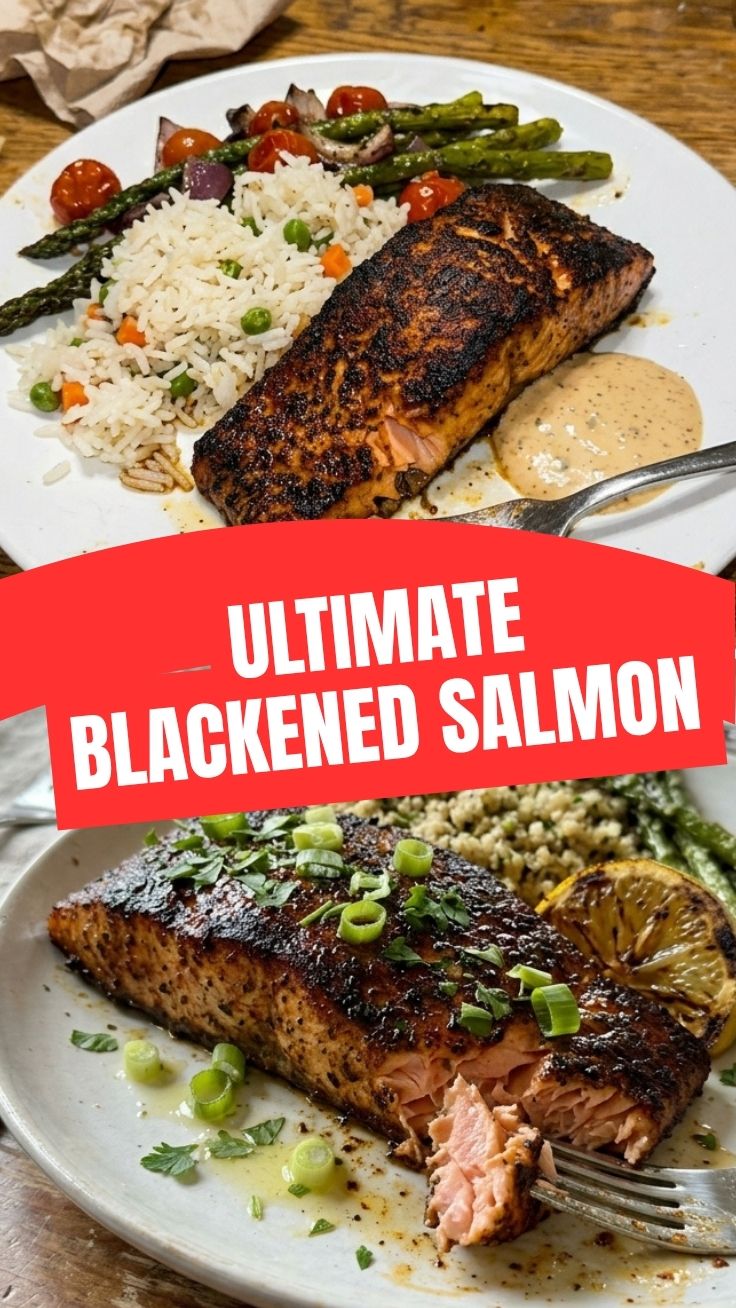
Have you ever craved that perfectly spiced, smoky, crispy-edged fish fillet from your favorite seafood joint but dreaded the price tag? You’re not alone. The good news is that you can replicate that magic in your own kitchen in under 30 minutes. This guide will walk you through everything you need to know to create a stunning Blackened Salmon that features a bold, peppery crust, while also exploring the equally fiery Cajun Salmon variation for those who crave extra heat. Mastering this Blackened Salmon recipe at home is valuable because it saves money, controls spice levels, and delivers a protein-packed meal that feels indulgent without the guilt. Unlike deep-frying, blackening uses high heat to sear spices directly onto the fillet, locking in moisture and creating that signature crust. By the end of this post, you’ll have the skills to impress dinner guests or simply treat yourself to a top-tier weeknight dinner with minimal cleanup.
Ingredients & Kitchen Tools
Essential Ingredients
– Salmon fillets (skin-on, 6 oz each): Skin protects the delicate flesh from the intense heat and helps the fillet hold its shape. Opt for wild-caught if possible for a richer flavor.
– Unsalted butter (2 tbsp melted): Used for basting. Unsalted lets you control sodium levels without over-salting the spice blend.
– Neutral oil (avocado or grapeseed, 1 tbsp): These have high smoke points (over 400°F), essential for blackening without burning the spices.
– Spice blend: Your blackening mix is the star. Use a combination of:
– Paprika (smoked or sweet)
– Garlic powder and onion powder
– Dried thyme and oregano
– Cayenne pepper (adjust to taste)
– Black and white pepper
– Salt (use kosher for better adherence)
– Lemon wedges: Serve on the side for a fresh, acidic finish that cuts through the richness.
Kitchen Tools
– Cast-iron skillet or heavy-bottomed stainless steel pan: Cast iron retains heat evenly, crucial for a consistent crust. Avoid non-stick as it can’t handle the high searing temp.
– Fish spatula (thin, slotted): Allows you to flip the delicate fillet cleanly without breaking it.
– Instant-read thermometer: Guarantees perfectly cooked salmon (internal temp 125°F–130°F for medium).
– Small bowl: For mixing dry spices before coating the fish.
Optional Substitutions
– Dairy-free alternative: Swap butter for clarified ghee or a plant-based butter with high smoke point.
– Milder spice version: Reduce or omit cayenne; use regular paprika instead of smoked.
– Add a citrus kick: Replace 1 tsp of salt in the spice mix with lemon zest powder for an extra layer of flavor.
Prep Time & Cooking Schedule
| Stage | Time | Details |
|——-|——|———|
| Prep (mixing & patting dry) | 10 mins | Combine spices; dry salmon with paper towels to ensure crust sticks. |
| Resting (optional) | 5–10 mins | Let spice-covered fillets sit at room temperature for better adhesion. |
| Cooking | 8–10 mins | 4–5 mins per side depending on thickness (1-inch fillet). |
| Resting after cooking | 3–5 mins | Tent with foil to let juices redistribute; finish with lemon. |
| Total hands-on time | ~25 mins | Plan accordingly, especially if you’re serving sides like rice or veggies. |
Note: If using frozen salmon, thaw completely in the fridge overnight and pat very dry—moisture is the enemy of a good blackened crust.
Step-by-Step Instructions
1. Blend the spices: In a small bowl, combine 2 tbsp paprika, 1 tbsp garlic powder, 1 tsp onion powder, 1 tsp dried thyme, 1 tsp dried oregano, ½ tsp cayenne (more if you want a true Cajun Salmon profile), ½ tsp white pepper, ½ tsp black pepper, and 1 tsp salt. Mix thoroughly.
2. Prepare the fillets: Pat each salmon fillet completely dry with paper towels. This step is non-negotiable—moisture will steam the fish and ruin the crust. Lightly brush the flesh side with a thin layer of neutral oil (not butter, which burns).
3. Coat generously: Sprinkle the spice mixture liberally over the flesh side. Press it down firmly so it adheres. Flip and repeat on the skin side, but use a lighter hand there since you’ll be flipping it.
4. Heat the skillet: Place your cast-iron pan over medium-high heat until it’s ripping hot—a drop of water should sizzle instantly. Add the remaining neutral oil and tilt the pan to coat the base.
5. Sear the crust: Place the fillets skin-side down in the hot pan. Do not move them for 4–5 minutes. The crust will form naturally as the spices toast. The color should be deep mahogany, not burnt. This initial sear is what defines a great Blackened Salmon texture.
6. Flip and finish: Use the fish spatula to carefully flip. Add a pat of butter on top of each fillet. Let it cook for another 3–4 minutes until the internal temperature reaches 125°F–130°F. The butter will baste the crust, enriching the spice flavor. Remove from heat immediately.
7. Rest and serve: Transfer fillets to a warm plate, squeeze fresh lemon juice on top, and tent with foil for 3 minutes. Serve with a crisp salad, steamed greens, or fluffy rice.
Nutritional Benefits & Advantages
Salmon is a nutritional powerhouse. A 6-ounce fillet provides about 35 grams of high-quality protein, crucial for muscle repair and satiety. It is one of the richest natural sources of omega-3 fatty acids (EPA and DHA), which support heart health, reduce inflammation, and boost brain function. The blackening method uses minimal added fats (just a thin oil coating), keeping the calorie count lower than cream-based sauces or heavy batters. The spice blend also offers benefits: cayenne contains capsaicin, which may boost metabolism, while garlic and thyme provide antioxidant and antimicrobial properties. One fillet covers over 100% of your daily vitamin D needs and is an excellent source of selenium, a mineral important for thyroid health. Because the cooking time is short, the fish retains more of its naturally occurring nutrients compared to slower cooking methods.
Tips Variations & Cooking Advice
– Make-ahead spice mix: Triple the dry spices and store in an airtight jar for up to 3 months. This speeds up weeknight prep significantly.
– Grill method: For a smoky twist, use a cast-iron skillet on the grill grate. The grill adds char flavor while the pan ensures even heat distribution. Cook times remain similar.
– Gluten-free / dairy-free: The basic recipe is gluten-free by nature. For dairy-free, replace butter with additional oil or plant-based butter, but watch the smoke point.
– Add a cream sauce: For a contrasting texture, serve with a dollop of yogurt-based dill sauce or a lemon-caper beurre blanc. The acidic tang complements the spicy crust.
– Swap the fish: The same technique works beautifully on thick white fish like halibut or red snapper. Adjust cooking time based on thickness.
Common Mistakes to Avoid
| Mistake | Consequence | Fix |
|———|————-|—–|
| Using wet fillets | Spices fall off; fish steams instead of sears | Pat dry thoroughly with paper towels before seasoning |
| Skimping on heat | Crust doesn’t develop; fish turns pale and soft | Preheat the pan until shimmering and test with a water drop |
| Overcrowding the pan | Temperature drops; fish releases moisture | Cook in batches if needed—leave space between fillets |
| Cooking by time only | Overcooked or undercooked center | Always use an instant-read thermometer; exact times vary by fillet thickness |
| Using salted butter initially | Butter solids burn and taste bitter | Melt butter after flipping the fish, not during the first sear |
Storage & Meal Prep Tips
– Refrigerator: Store leftover Blackened Salmon in an airtight container lined with paper towels to absorb excess moisture. It stays fresh for up to 3 days.
– Freezing: Wrap each cooled fillet tightly in plastic wrap, then foil, and place in a freezer bag. Freeze for up to 2 months. The crust may soften slightly upon reheating, but the flavor remains intact.
– Reheating: For best results, reheat in a 275°F oven for 8–10 minutes. This gentle heat restores warmth without drying the fish or burning the spices. Avoid the microwave—it makes the skin rubbery and the crust soggy.
– Meal prep tip: Cook fillets on Sunday, flake the cooled fish, and use it in salads, grain bowls, or wraps throughout the week. Pair with roasted veggies and quinoa for balanced lunches.
Conclusion
By now, you’ve seen that creating a restaurant-worthy Blackened Salmon at home is entirely achievable with the right tools, heat management, and a robust spice blend. The signature charred crust paired with the moist, flaky interior is a testament to this simple yet powerful cooking technique. Whether you stick to the classic version or dial up the heat for a bold Cajun Salmon experience, the satisfaction of a perfectly cooked fillet never gets old. This recipe is forgiving enough for weeknights yet impressive enough for special occasions. I encourage you to try it, experiment with your preferred spice level, and share your results—or tag a photo online. For more quick seafood ideas, check out our guides on lemon herb trout or teriyaki glazed cod. Your perfect blackened crust is just a skillet away.
FAQs
Can I use skinless salmon fillets?
Yes, but handle gently. Skinless fillets overcook faster and are more prone to falling apart. Reduce cooking time by 1 minute per side. The skin also protects against sticking, so ensure your pan is well-oiled and hot.
What’s the difference between blackened and Cajun seasoning?
Both share paprika and garlic, but blackening spice usually includes more herbs (thyme, oregano) and is heavier on pepper, while Cajun seasoning often includes celery salt and a bit more cayenne for heat. You can absolutely use a premade Cajun mix for this Cajun Salmon approach—just add a little extra paprika for color.
Why does my crust taste bitter?
Bitterness usually comes from burned garlic or butter solids. Ensure your pan is hot but not smoking before adding oil. Also, add butter only after flipping the fish, not in the beginning. If the spices burn before the fish cooks, the pan is too hot. Lower the heat to medium next time.
How do I know when the salmon is done?
The best method is an instant-read thermometer inserted into the thickest part. For medium (flaky, not dry), aim for 125°F–130°F. For well-done, 135°F. The fish should also flake easily with a fork, but the center should still look slightly translucent when you pull it off—carryover cooking will finish it.
Can I double the spice recipe for a larger batch?
Absolutely. The spice blend scales perfectly. Just remember to pat each fillet dry individually and coat them right before cooking. If you season too early (more than 15 minutes ahead), the salt will draw moisture out of the fish, creating steam instead of a crisp crust.
Proven way to grow a perfect Blackened Salmon meal
Ingredients
Equipment
Method
- Pat the salmon fillets dry with paper towels; this helps create a crispy crust. Season both sides generously with blackening seasoning, ensuring an even coat.
- Melt butter in a cast-iron skillet over medium-high heat until it just begins to smoke. Carefully place the salmon fillets skin-side up in the hot skillet.
- Cook for 3-4 minutes per side, depending on thickness, until a dark crust forms and the salmon is cooked through but still flaky.
- Remove the salmon from the skillet and let it rest for a couple of minutes before serving. Optionally, serve with roasted asparagus and a lemon wedge for a complete meal.