Sizzling Fajitas (Chicken or Beef) – The Ultimate Homemade Tex-Mex Feast
Is there anything more satisfying than the sound of sizzling meat and peppers arriving at your table? That iconic hiss, the cloud of aromatic steam, and the vibrant colors of charred vegetables make fajitas a true sensory experience. While restaurant versions are tempting, preparing Fajitas (Chicken or Beef) at home puts you in complete control of quality, spice level, and freshness. The secret lies in a well-balanced fajita seasoning that transforms simple proteins into a flavor-packed centerpiece. This recipe delivers restaurant-quality results with minimal fuss—perfect for weeknight dinners or casual entertaining.
Ingredients & Kitchen Tools
For the Fajitas (Chicken or Beef):
– 1.5 lbs boneless skinless chicken breasts (or flank steak) – trim excess fat for cleaner flavor
– 3 bell peppers (mix of red, yellow, green) – sliced into ¼-inch strips for even cooking
– 1 large red onion – halved and sliced into ½-inch wedges
– 3 tablespoons vegetable oil – divided; avocado oil works well for high-heat cooking
– 8 small flour or corn tortillas – warmed before serving
– Optional: sour cream, guacamole, pico de gallo, shredded cheese, lime wedges
For the Fajita Seasoning (makes about 3 tablespoons):
– 2 teaspoons chili powder
– 1 teaspoon smoked paprika
– 1 teaspoon ground cumin
– ½ teaspoon garlic powder
– ½ teaspoon onion powder
– ½ teaspoon dried oregano
– ¼ teaspoon cayenne pepper (adjust for heat preference)
– 1 teaspoon salt
– ½ teaspoon black pepper
Kitchen Tools:
– Large cast-iron skillet or heavy-bottomed pan – retains heat for proper searing
– Sharp knife and cutting board
– Mixing bowls for seasoning and marinating
– Tongs for flipping meat and vegetables
– Measuring spoons
Prep Time & Cooking Schedule
– Prep time: 15 minutes (including slicing vegetables and mixing seasoning)
– Marinating time: 30 minutes (minimum; up to 4 hours for deeper flavor)
– Cooking time: 12–15 minutes total (meat and vegetables cooked separately then combined)
– Resting time: 5 minutes for meat after cooking
– Total time: Approximately 1 hour
This schedule allows the fajita seasoning to penetrate the meat while you prepare other components. The active cooking is surprisingly quick—most of the time is hands-off marinating.
Step-by-Step Instructions
Step 1: Prepare the Fajita Seasoning
Combine all seasoning ingredients in a small bowl. This homemade blend delivers a smoky, slightly earthy profile with gentle heat—far superior to store-bought packets that often contain anti-caking agents and excess salt. Store any leftover seasoning in an airtight container for up to three months.
Step 2: Season and Marinate the Meat
Slice chicken breasts horizontally into two even cutlets (about ½-inch thick) or cut flank steak against the grain into 3-inch strips. Pat dry with paper towels—moisture prevents proper searing. Rub 2 tablespoons of oil over the meat, then coat generously with 2 tablespoons of the fajita seasoning. Massage the seasoning into every surface. Cover and refrigerate for at least 30 minutes.
Step 3: Prepare the Vegetables
While the meat marinates, slice bell peppers into ¼-inch strips and onions into ½-inch wedges. Keep vegetables separate from raw meat to avoid cross-contamination.
Step 4: Cook the Protein
Heat your cast-iron skillet over medium-high heat until it begins to smoke slightly—this takes about 3 minutes. Add 1 tablespoon oil, then carefully place the seasoned chicken or beef in a single layer. Do not overcrowd; cook in batches if needed. For chicken, cook 4–5 minutes per side until golden brown and internal temperature reaches 165°F (75°C). For beef, cook 3–4 minutes per side for medium-rare. Transfer to a cutting board and let rest for 5 minutes.
Step 5: Sauté the Vegetables
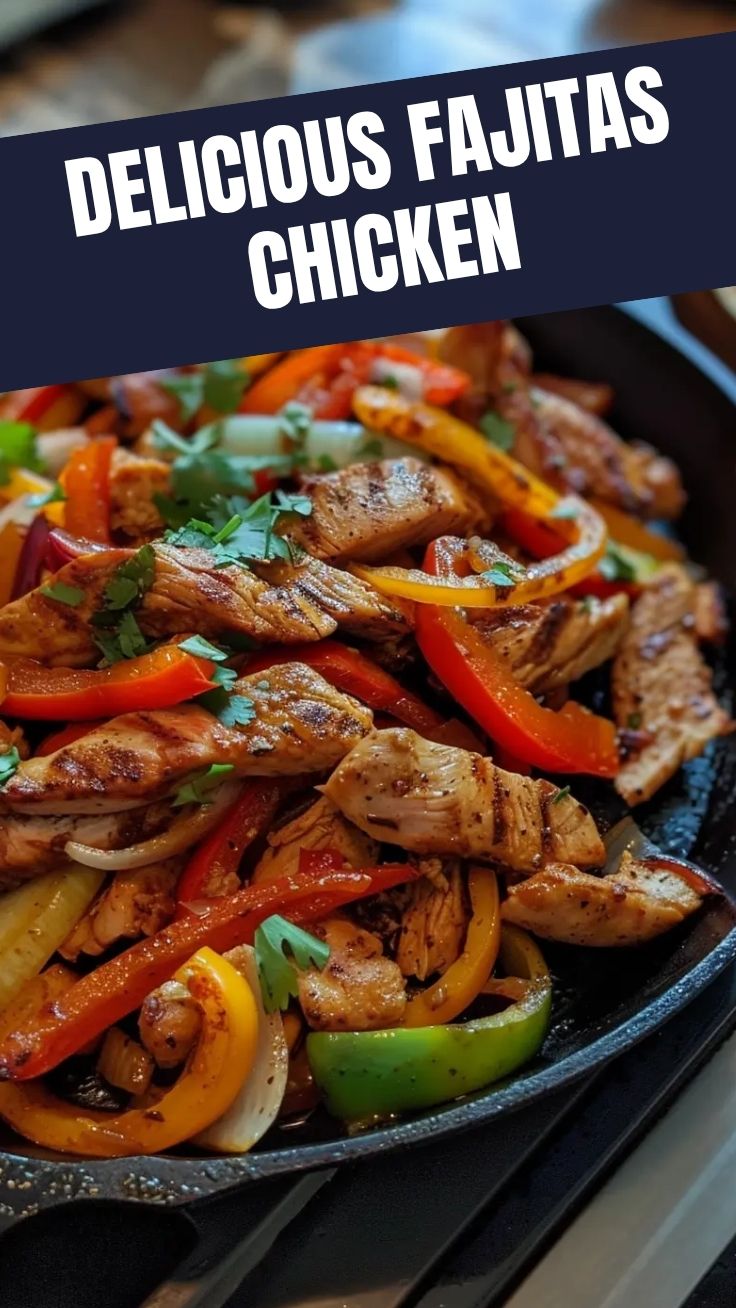
In the same skillet (now carrying flavorful browned bits), add remaining oil. Toss in peppers and onions. Cook undisturbed for 2 minutes to develop char marks, then stir occasionally for another 3–4 minutes until tender-crisp. The high heat creates that signature smoky flavor while keeping vegetables slightly firm.
Step 6: Slice and Combine
Slice rested meat against the grain into thin strips. Return sliced meat to the skillet with vegetables, toss together, and heat through for 1 minute. Squeeze fresh lime juice over everything just before serving.
Step 7: Assemble and Serve
Warm tortillas directly over a gas flame (or in a dry skillet) for 30 seconds per side until pliable and lightly charred. Fill with the sizzling mixture and your choice of toppings.
The magic of Fajitas (Chicken or Beef) lies in this precise temperature control—searing at high heat creates caramelization while the fajita seasoning releases its aromatic oils into the pan.
Nutritional Benefits & Advantages
Fajitas offer impressive nutritional value when made from scratch. Chicken provides lean protein (about 31g per 4-ounce serving) essential for muscle maintenance and satiety. Bell peppers deliver more vitamin C than oranges—one cup contains 190% of the daily recommended intake. The cumin and smoked paprika in your homemade seasoning contain antioxidant compounds that support digestive health and reduce inflammation.
Compared to restaurant versions, homemade fajitas typically contain 40% less sodium and 30% fewer calories because you control the oil and seasoning amounts. The vegetable-to-meat ratio is also customizable, allowing you to increase fiber intake significantly. Using corn tortillas instead of flour makes the dish naturally gluten-free while adding resistant starch beneficial for gut health.
Tips, Variations & Cooking Advice
Flavor Variations:
– Smoky Chipotle: Add 1 teaspoon chipotle powder and 2 teaspoons adobo sauce from canned chipotles to the seasoning
– Citrus-Marinated: Replace 1 tablespoon oil with fresh lime juice and orange juice in the marinade for brighter flavor
– Spicy Mango: Top finished fajitas with fresh mango salsa for sweet-heat contrast
Dietary Adaptations:
– Gluten-Free: Use certified corn tortillas and ensure your spice blend doesn’t contain anti-caking agents
– Dairy-Free: Skip cheese and sour cream; use guacamole or cashew crema instead
– Low-Carb/Keto: Serve over lettuce wraps or cauliflower rice; increase oil to 3 tablespoons per serving
Cooking Method Alternatives:
– Grill: Cook meat over direct high heat for 4–5 minutes per side, then grill vegetables in a cast-iron pan or foil packet
– Sheet Pan: Spread seasoned meat and vegetables on a baking sheet and roast at 425°F for 15–20 minutes, flipping halfway
– Instant Pot: Use sauté function to sear meat, then pressure cook on high for 5 minutes with ½ cup broth; add vegetables after releasing pressure
Portion Changes:
– For a crowd, multiply ingredients by number of guests and cook in batches to maintain proper searing temperature
– For meal prep, double the amount of vegetables and use leftovers in grain bowls or omelets
Common Mistakes to Avoid
1. Overcrowding the Skillet
Adding too much meat or vegetables at once lowers the pan temperature, causing steaming instead of searing. Work in batches and allow the pan to regain heat between batches.
2. Using Wet Ingredients
Moisture is the enemy of caramelization. Pat the meat completely dry before applying seasoning, and ensure washed vegetables are thoroughly dried before cooking.
3. Underseasoning the Vegetables
Peppers and onions need direct contact with the seasoning, not just residual flavor from the meat. Sprinkle a pinch of your seasoning blend over the vegetables while cooking.
4. Skipping the Resting Step
Cutting meat immediately after cooking releases juices onto the cutting board instead of staying within the fibers. Always rest covered loosely with foil for at least 5 minutes.
5. Overcooking Bell Peppers
The ideal fajita vegetable texture is tender-crisp with char marks—not soft and limp. Cook just 4–5 minutes total for peppers that maintain their structure.
Storage & Meal Prep Tips
Refrigeration: Store cooked fajita meat and vegetables together in an airtight container for up to 4 days. Keep tortillas and toppings separate to prevent sogginess.
Freezing: The cooked filling freezes exceptionally well for up to 3 months. Cool completely before transferring to freezer-safe bags or containers. Thaw overnight in the refrigerator before reheating.
Reheating Instructions:
– Skillet method (best): Reheat in a hot skillet over medium-high heat for 2–3 minutes, adding 1 tablespoon water to create steam that prevents drying
– Microwave alternative: Heat in 30-second intervals at 70% power, stirring between bursts
– Avoid: Reheating tortillas in the microwave—they become rubbery. Use a dry skillet or oven instead
Meal Prep Strategy: Prepare the seasoning blend, slice all vegetables, and marinate the meat up to 24 hours in advance. Store components separately. When ready to cook, the active preparation takes under 20 minutes.
Conclusion
Mastering Fajitas (Chicken or Beef) at home unlocks a world of Tex-Mex possibilities that far exceed takeout quality. The key takeaway is that proper heat management and a well-crafted fajita seasoning make all the difference between good and extraordinary results. This recipe adapts to your schedule, dietary needs, and flavor preferences while delivering consistent, sizzling perfection every time. Whether you’re hosting friends or craving a quick yet impressive dinner, these fajitas bring restaurant theater to your own kitchen with far less effort than you’d imagine. Give this recipe a try, experiment with the variations, and share your sizzling creation with friends—they’ll be asking for the recipe before the last tortilla is gone.
Frequently Asked Questions
Q: Can I use pre-made fajita seasoning instead of making my own?
A: While convenient, store-bought blends often contain excess salt, sugar, and anti-caking agents. Homemade fajita seasoning takes 5 minutes and allows you to control every flavor element. If using pre-made, reduce added salt elsewhere and expect a milder flavor profile.
Q: How do I prevent chicken from drying out during cooking?
A: Two critical steps: slice breast horizontally into even cutlets (about ½-inch thick), and use an instant-read thermometer to pull the chicken at exactly 165°F. Resting for 5 minutes allows juices to redistribute.
Q: What’s the best cut of beef for fajitas?
A: Flank steak or skirt steak are traditional choices. Both benefit from marinating to tenderize. Slice against the grain after resting—this shortens muscle fibers and ensures each bite is tender rather than chewy.
Q: My tortillas always break when I try to fold them. What am I doing wrong?
A: Cold or stale tortillas crack easily. Warm them directly over a gas flame (turning with tongs every 15 seconds) or in a dry cast-iron skillet for 30 seconds per side. The heat makes them pliable. Stack warmed tortillas wrapped in a clean kitchen towel to keep them soft.
Q: Can I make these fajitas vegetarian?
A: Absolutely! Replace the protein with portobello mushrooms (sliced ¼-inch thick), extra-firm tofu (pressed and cubed), or jackfruit (drained and shredded). Use the same fajita seasoning and cooking technique—mushrooms and jackfruit benefit from a slightly longer cook time (8–10 minutes) to develop caramelization.