The Secret to Perfectly Creamy Mashed Potatoes Every Time
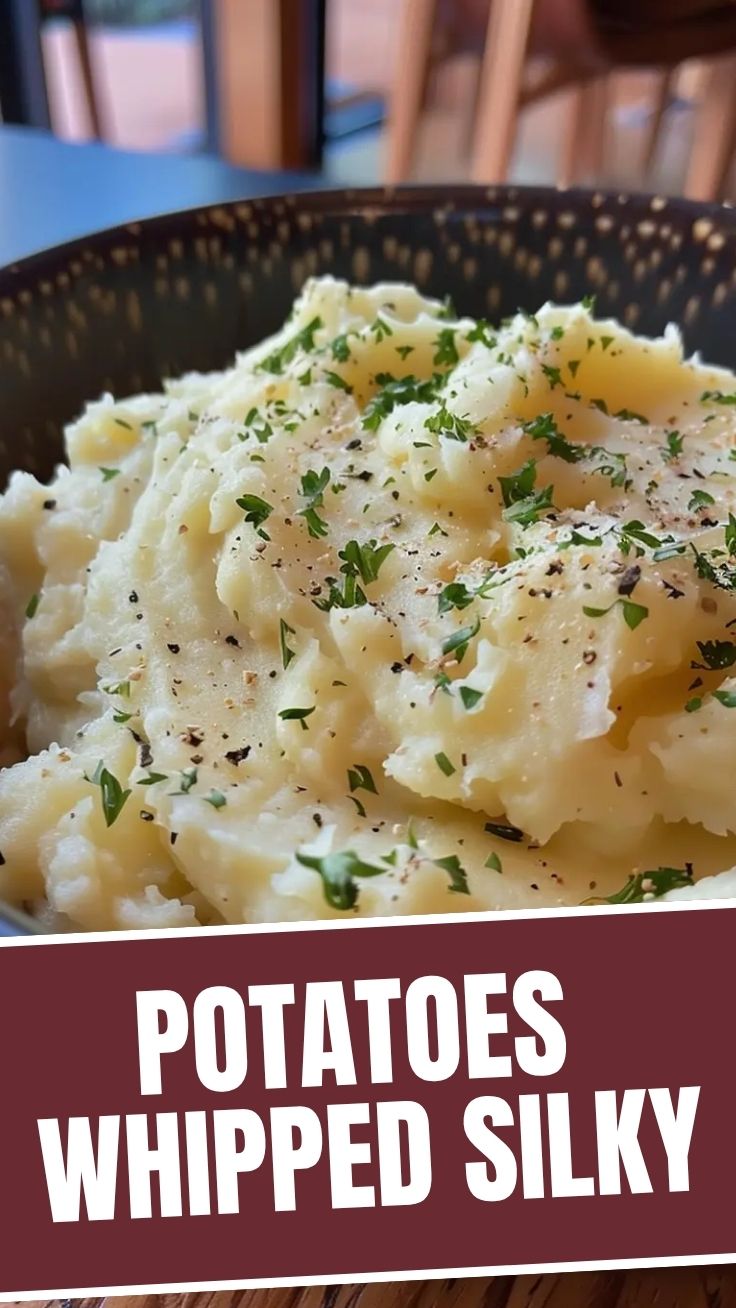
Ever wondered how some people achieve that unbelievably smooth, rich, and utterly irresistible bowl of Mashed Potatoes? It’s not just about boiling potatoes and mashing them; there’s an art to it, a culinary secret waiting to be uncovered. Preparing your own homemade mashed potato recipe at home isn’t just about saving money; it’s about control – control over ingredients, flavor, and texture. Ditch the bland, lumpy versions and embrace a dish that truly elevates any meal. This comprehensive guide will walk you through crafting the ultimate creamy side dish that will have everyone asking for your secret.
Ingredients & Kitchen Tools
Crafting the perfect mash requires a thoughtful selection of both produce and equipment. Here’s what you’ll need:
- 2 pounds Russet or Yukon Gold Potatoes: These varieties are ideal due to their high starch content, which results in a fluffy, creamy texture. Avoid waxy potatoes as they can become gummy.
- 1/2 cup Warm Milk or Cream: Whole milk, half-and-half, or heavy cream will all work, adding moisture and richness. Warm liquid incorporates better and keeps the potatoes hot.
- 1/4 cup Unsalted Butter: Quality butter is non-negotiable for flavor. Unsalted allows you to control the seasoning precisely.
- 1-2 cloves Garlic (optional): Minced or roasted, garlic adds a subtle depth of flavor.
- Salt and Freshly Ground Black Pepper: To taste. Essential for balancing and enhancing flavors.
- Optional Garnishes: Fresh chives, parsley, or a dollop of sour cream for added zest and presentation.
Kitchen Tools:
- Large Pot: For boiling the potatoes.
- Potato Masher, Ricer, or Food Mill: A ricer or food mill produces the lightest, fluffiest results, minimizing lumps. A traditional masher works well for a slightly chunkier texture.
- Large Mixing Bowl: To combine all ingredients.
- Measuring Cups and Spoons: For precise ingredient amounts.
- Peeler: To easily remove potato skins.
Prep Time & Cooking Schedule
- Prep Time: 15 minutes
- Cook Time: 20-25 minutes
- Resting Time: 5 minutes (after mashing, before serving)
Plan ahead! The beauty of this dish is its relatively quick turnaround. You can peel and cut your potatoes a few hours in advance and store them in cold water to prevent browning. This makes it a fantastic contender for holiday meals or busy weeknights, as the bulk of the work can be done while other dishes are cooking.
Step-by-Step Instructions
Follow these steps for achieving that coveted, velvety smooth texture.
1. Prepare the Potatoes: Peel the potatoes and cut them into 1.5 to 2-inch chunks. Aim for uniform pieces to ensure even cooking. Place them in a large pot and cover with cold water by about an inch. Add a generous pinch of salt to the water – this seasons the potatoes from the inside out.
2. Boil Until Tender: Bring the water to a boil over high heat, then reduce heat to medium and simmer until the potatoes are fork-tender, about 15-20 minutes. Don’t overcook them, or they’ll absorb too much water.
3. Drain Thoroughly: This is a crucial step for the best Mashed Potatoes. Drain the potatoes completely in a colander. For an extra fluffy result, return the drained potatoes to the hot, empty pot over low heat for 1-2 minutes, shaking occasionally, to steam off any excess moisture.
4. Mash or Rice: Transfer the hot, drained potatoes to a large mixing bowl. Using a potato ricer, food mill, or sturdy masher, process the potatoes until smooth. If using a ricer, press them directly into the bowl. Avoid over-mashing, which can lead to a gummy texture. This meticulous attention to detail is what sets apart a good mashed potato recipe.
5. Incorporate Dairy and Butter: In a small saucepan, gently warm the milk or cream and butter (and minced garlic, if using) until the butter is melted. Gradually add the warm liquid mixture to the mashed potatoes, mixing gently until just combined and creamy. Do not overmix.
6. Season and Serve: Season generously with salt and freshly ground black pepper to taste. Taste and adjust as needed. Serve immediately, perhaps with an extra pat of butter and fresh chives.
Nutritional Benefits & Advantages
Beyond their comforting appeal, mashed potatoes offer several health benefits. Potatoes are an excellent source of Vitamin C, B6, potassium, and dietary fiber, especially if you opt for skins-on variations in certain recipes. They are also a good source of complex carbohydrates, providing sustained energy. When made from scratch, you control the amount and type of fats and dairy, allowing for healthier adjustments compared to ultra-processed alternatives, making them a nourishing component of a balanced meal.
Tips, Variations & Cooking Advice
- Garlic Infusion: For a deeper garlic flavor, simmer whole garlic cloves with the potatoes, then mash them together.
- Herbaceous Delight: Stir in fresh herbs like finely chopped rosemary, thyme, or chives at the end.
- Cheesy Goodness: Add grated Parmesan, cheddar, or Gruyère for a savory twist.
- Dairy-Free: Substitute the milk/cream with vegetable broth or a plant-based milk alternative (like oat or almond milk) and use a dairy-free butter substitute.
- Spicy Kick: A pinch of cayenne pepper or a dash of hot sauce can add a subtle heat.
- Consistency Control: If too thick, add a splash more warm milk. If too thin, try adding a tablespoon of potato flakes (not instant mashed potato mix) to absorb excess moisture, or cook over low heat, stirring constantly, to evaporate some liquid.
Common Mistakes to Avoid
- Using the Wrong Potatoes: Waxy potatoes (like red or new potatoes) are better for salads or roasting, not mashing, as they result in a gummy texture. Stick to high-starch varieties.
- Starting in Hot Water: Always start potatoes in cold water. This allows them to cook evenly from the outside in.
- Not Draining Properly: Excess water is the enemy of fluffy potatoes. Ensure they are thoroughly drained and even slightly steamed dry.
- Over-Mashing: Overworking potatoes, especially with an electric mixer, breaks down their starches, leading to a gluey, unpleasant consistency. Stick to a masher, ricer, or food mill.
- Using Cold Dairy/Butter: Cold ingredients will cool down your potatoes too quickly and won’t incorporate as smoothly. Always warm them slightly.
- Under-Seasoning: Potatoes need a good amount of salt to sing. Taste and adjust as you go.
Storage & Meal Prep Tips
Leftover mashed potatoes can be a delight! Store them in an airtight container in the refrigerator for up to 3-4 days. They freeze remarkably well too; portion them into freezer-safe bags or containers and they’ll keep for up to 2-3 months. To reheat, gently warm them in a saucepan over low heat, stirring frequently, adding a splash of milk or broth to restore creaminess. For larger batches, reheat in the oven (covered) at 300°F (150°C) until warmed through, stirring occasionally.
Conclusion
Mastering the art of creamy Mashed Potatoes transforms a simple side dish into a culinary masterpiece. By following these detailed steps, paying attention to ingredient choices, and avoiding common pitfalls, you’re now equipped to create the most decadent and delicious mashed potato recipe your family and friends have ever tasted. Don’t hesitate to experiment with the suggested variations to truly make this recipe your own. Whip up a batch tonight and savor the incredible difference that homemade perfection brings to your table!
FAQs
Q1: Can I make mashed potatoes ahead of time for a party?
A1: Yes! You can prepare them a few hours in advance. Keep them warm in a slow cooker on the “warm” setting with a splash of milk, or reheat gently on the stovetop or in the oven, adding more liquid as needed.
Q2: What’s the best way to get rid of lumps?
A2: A potato ricer or food mill is your best friend for ultra-smooth, lump-free mashed potatoes. If using a hand masher, ensure potatoes are thoroughly cooked and mash them diligently, breaking down all chunks.
Q3: My mashed potatoes are too thin; how can I fix them?
A3: If your mash is too runny, you can try adding a tablespoon of potato flakes (not instant potato mix) to absorb some liquid, or return it to a pot over low heat, stirring constantly, to evaporate excess moisture.
Q4: Can I use low-fat milk or dairy-free alternatives?
A4: Absolutely! Skim milk or plant-based milks (like almond or oat) can be used for a lighter version, though they might slightly affect the richness and texture. Dairy-free butter substitutes also work well.
Q5: What are the best potato varieties for mashing?
A5: Russet potatoes are excellent for a fluffy, drier mash, while Yukon Golds offer a naturally buttery flavor and creamy texture. Both are high in starch and ideal for mashing.
Best way to grow Incredible Mashed Potatoes
Ingredients
Equipment
Method
- Wash, peel, and cut the potatoes into even-sized chunks.
- Place the potato chunks in a large pot, cover with cold water, and add a pinch of salt.
- Bring to a boil, then reduce heat and simmer until the potatoes are very tender.
- Drain the potatoes thoroughly and return them to the empty pot or a large bowl.
- Mash the potatoes until smooth, then add the softened butter, warm milk, and warm heavy cream.
- Mix until well combined and fluffy, then season with salt and pepper to taste before serving.