The Ultimate Guide to Baking Perfect Shortbread Cookies at Home
Have you ever craved a cookie that’s buttery, crisp, and melts in your mouth without being overly sweet? That’s the magic of shortbread cookies—a timeless classic that’s surprisingly simple to master. While store-bought versions are convenient, nothing compares to the aroma of freshly baked shortbread filling your kitchen. By preparing them at home, you control the quality of ingredients, customize flavors, and avoid preservatives. In this guide, we’ll walk you through every step to create bakery-worthy [Shortbread Cookies](https://homecookedrecipe.com/cherry-almond-shortbread-cookies/) that are rich, tender, and absolutely irresistible. Along the way, we’ll also explore the key to achieving that perfect melt-in-your-mouth texture: a superior butter shortbread base. Let’s dive in!
Ingredients & Kitchen Tools
Ingredients
– Unsalted butter (1 cup / 226g) – softened to room temperature. Salted butter can be used but reduce added salt.
– Powdered sugar (½ cup / 60g) – creates a finer, tender crumb. Granulated sugar works but yields a slightly grainier texture.
– All-purpose flour (2 cups / 240g) – provides structure. For a lighter texture, swap ¼ cup with cornstarch.
– Salt (¼ tsp) – enhances flavor. Omit if using salted butter.
– Vanilla extract (1 tsp) – pure extract gives the best flavor. Almond extract is a fragrant alternative.
Kitchen Tools
– Stand mixer (or hand mixer) – for creaming butter and sugar.
– Baking sheets – lined with parchment paper or silicone mats.
– Rolling pin – for even thickness.
– Cookie cutters – any shape you like, or use a knife for squares.
– Wire rack – for cooling cookies evenly.
– Plastic wrap – for chilling dough.
Prep Time & Cooking Schedule
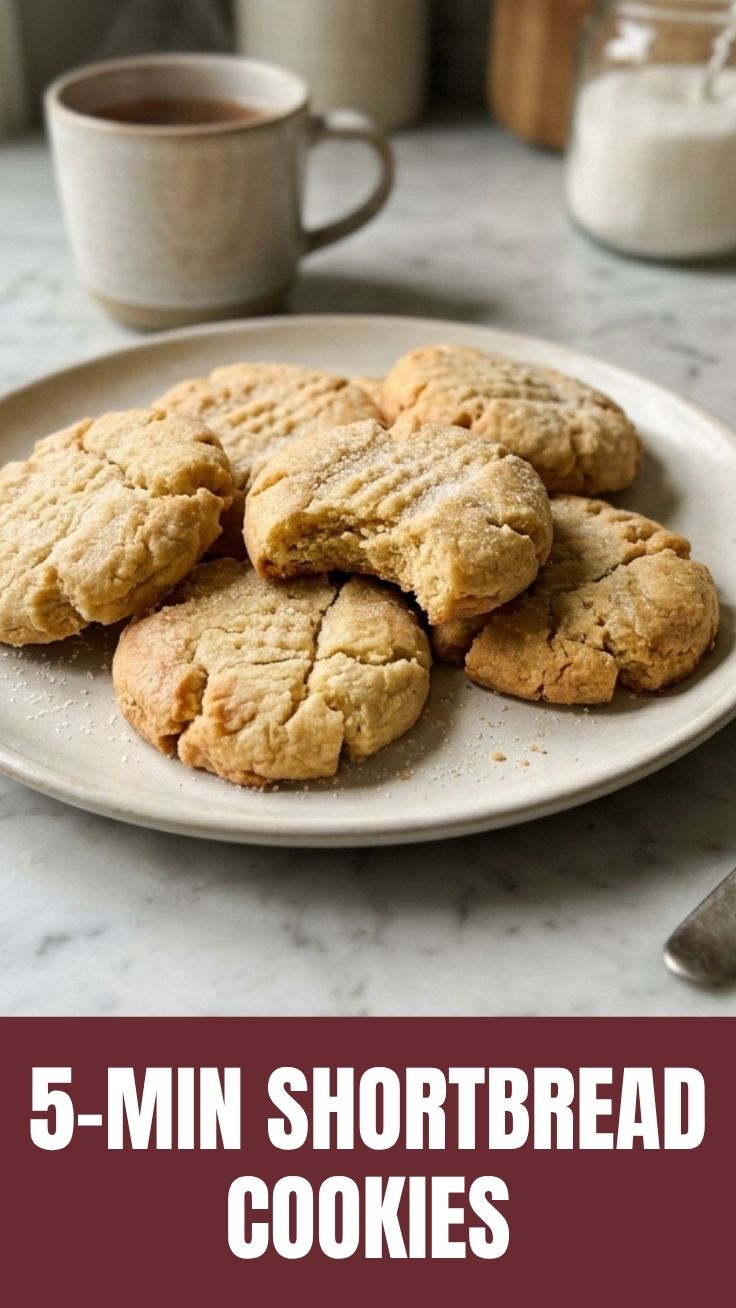
– Prep time: 15 minutes (plus 30 minutes chilling time for the dough)
– Cook time: 12–15 minutes per batch
– Total time: about 1 hour (including chilling)
– Resting time: Cookies continue to firm up as they cool on the sheet for 5 minutes before transferring.
Plan ahead: The dough can be made a day in advance and refrigerated. This resting period allows the gluten to relax and the butter to re-solidify, preventing spreading and ensuring a crisp, tender bite.
Step-by-Step Instructions
1. Cream the butter and sugar – In a large bowl, beat softened unsalted butter and powdered sugar on medium speed until light and fluffy (about 2 minutes). Scrape down the sides.
2. Add dry ingredients – In a separate bowl, whisk together flour and salt. Gradually add to the butter mixture, mixing on low until just combined. Do not overmix; the dough should look crumbly but hold together when pressed.
3. Chill the dough – Turn the dough onto a floured surface, shape into a disc, wrap in plastic, and refrigerate for at least 30 minutes. This step is crucial for achieving that classic shortbread cookies texture—it prevents spreading and yields a clean, sharp edge.
4. Roll and cut – On a lightly floured surface, roll the dough to ¼-inch thickness. Use a floured cookie cutter to cut shapes. Re-roll scraps once.
5. Bake – Place cookies 1 inch apart on parchment-lined baking sheets. Bake at 350°F (175°C) for 12–15 minutes, until edges are lightly golden. The centers will still be pale.
6. Cool – Let cookies rest on the sheet for 5 minutes, then transfer to a wire rack. For an extra touch of richness, brush warm cookies with melted butter before cooling—this is the secret to an exceptional butter shortbread experience.
Pro tip: For even browning, rotate the baking sheet halfway through. If you prefer a deeper flavor, dust the warm cookies with a light sprinkling of sea salt.
Nutritional Benefits & Advantages
Shortbread cookies are a treat best enjoyed in moderation, but they offer a few surprising benefits when made with quality ingredients. Butter provides fat-soluble vitamins A, D, E, and K, plus conjugated linoleic acid (CLA) which may support metabolism. The low sugar content (compared to many cookies) means less impact on blood sugar. Using unsalted butter lets you control sodium levels. Additionally, the simple ingredient list avoids common allergens like eggs and nuts (unless you add them). For a healthier twist, you can substitute up to 30% of the flour with whole wheat pastry flour, adding fiber without sacrificing tenderness.
Tips, Variations & Cooking Advice
– Flavor variations: Add 1 teaspoon of lemon zest, ½ teaspoon of cardamom, or 2 tablespoons of finely chopped dried lavender.
– Ingredient swaps: For a dairy-free version, use plant-based butter (look for one with high fat content). Coconut oil yields a different texture but can work.
– Alternative methods: Press the dough into a square pan and bake as bars, then cut while warm.
– Dietary adaptations: Gluten-free? Replace all-purpose flour with a 1:1 gluten-free blend that includes xanthan gum.
– Portion changes: Make mini cookies for afternoon tea, or large 3-inch rounds for a rustic look.
Common Mistakes to Avoid
– Overmixing the dough – This develops gluten, making cookies tough. Mix just until flour disappears.
– Skipping the chill – Warm dough spreads into thin, greasy cookies. Always chill at least 30 minutes.
– Using melted butter – The texture becomes greasy and dense. Softened room-temperature butter is essential.
– Overbaking – Shortbread should be pale; remove when edges are just golden. They continue to set on the hot sheet.
– Too much flour – Press dough together gently; if it’s dry and crumbly, add a teaspoon of cold water at a time.
Storage & Meal Prep Tips
– Room temperature: Store in an airtight container for up to 1 week. Layer with parchment paper to prevent sticking.
– Refrigeration: Keeps for 2 weeks (though texture may soften slightly).
– Freezing: Freeze baked cookies in a single layer, then transfer to a freezer bag for up to 3 months. Thaw at room temperature for 15 minutes.
– Freezing dough: Shape into a log, wrap tightly, and freeze up to 3 months. Slice and bake directly from frozen (add 2 minutes to bake time).
– Reheating: To restore crispness, warm cookies in a 300°F oven for 3–5 minutes.
Conclusion
Perfecting shortbread cookies at home is a rewarding experience that yields a buttery, delicate treat ideal for any occasion. By understanding the role of each ingredient and following the proper technique, you can create a batch that rivals any bakery. Remember, the foundation of an exceptional shortbread lies in the quality of the butter shortbread base—choose high-fat butter, chill the dough, and bake with patience. Once you taste the difference, you’ll never go back to store-bought. Try this recipe today, share your results with friends, and explore more variations like cherry almond or raspberry swirl for year-round enjoyment.
FAQs
1. Can I use salted butter instead of unsalted?
Yes, simply omit the added salt in the recipe. The final flavor will be slightly saltier, which many people enjoy.
2. Why did my shortbread spread too much?
Most likely the dough was not chilled long enough, or the butter was too warm. Chill for a full 30 minutes, and if your kitchen is warm, refrigerate cut cookies on the baking sheet for 10 minutes before baking.
3. How do I make my shortbread extra tender?
Replace ¼ cup of flour with cornstarch or rice flour. This reduces gluten development, resulting in a melt-in-your-mouth texture.
4. Can I freeze shortbread dough?
Absolutely. Shape into a log or disc, wrap tightly, and freeze for up to 3 months. Thaw in the refrigerator overnight before rolling and cutting.
5. What’s the best way to store shortbread cookies to keep them crisp?
Store in an airtight container with a slice of bread or a silica gel packet. The bread absorbs excess moisture, keeping your cookies crunchy for a week.
Best way to grow 3 Shortbread Cookies
Ingredients
Equipment
Method
- Preheat your oven to 325°F (160°C) and line a baking sheet with parchment paper.
- In a medium bowl, cream together the softened unsalted butter and granulated sugar until light and fluffy.
- Gradually add the all-purpose flour and a pinch of salt to the butter mixture, mixing until just combined and a soft dough forms.
- Divide the dough into three equal portions and shape each into a small, round disk.
- Place the dough disks onto the prepared baking sheet and prick each with a fork several times to create a decorative pattern and prevent puffing.
- Bake for 15-18 minutes, or until the edges are lightly golden, then remove from the oven and let cool on the baking sheet for 5 minutes before transferring to a wire rack to cool completely.