The Ultimate Guide to Making Creamy Hummus and Guacamole at Home
Have you ever wondered why restaurant-style Hummus and Guacamole taste so much better than store-bought versions? The secret lies in fresh ingredients and proper technique. Preparing these vibrant dips at home not only saves money but also allows you to control the texture, seasoning, and quality of every bite. Whether you are hosting a party or simply craving a healthy snack, mastering these two staples will elevate your culinary repertoire. The key to a silky-smooth hummus guacamole pairing is understanding the balance of creamy legumes and ripe avocados.
Ingredients & Kitchen Tools
For Hummus:
– Chickpeas (canned or dried): Canned are convenient; dried offer superior creaminess after cooking.
– Tahini: Sesame paste for rich, nutty depth. Stir well before using.
– Lemon juice: Freshly squeezed for brightness; bottled lacks acidity.
– Garlic clove: Use raw for pungency or roasted for sweetness.
– Ice water: Secret to ultra-fluffy texture.
– Olive oil: Extra-virgin for drizzling.
– Salt and cumin: Season to taste.
For Guacamole:
– Ripe avocados: Slightly soft to the touch. Avoid hard or bruised ones.
– Lime juice: Preserves color and adds tang.
– Red onion: Finely diced for crunch.
– Cilantro: Fresh leaves only; stems are bitter.
– Jalapeño: Seeded for less heat; leave seeds for spice lovers.
– Tomato: Seeded and diced (optional, adds freshness).
– Salt and pepper: Adjust per preference.
Kitchen Tools:
– Food processor or high-speed blender
– Chef’s knife and cutting board
– Citrus juicer
– Mixing bowls
– Spatula
– Garlic press (optional)
Substitutions: Use Greek yogurt for creamier hummus; substitute cilantro with parsley if disliked.
Prep Time & Cooking Schedule
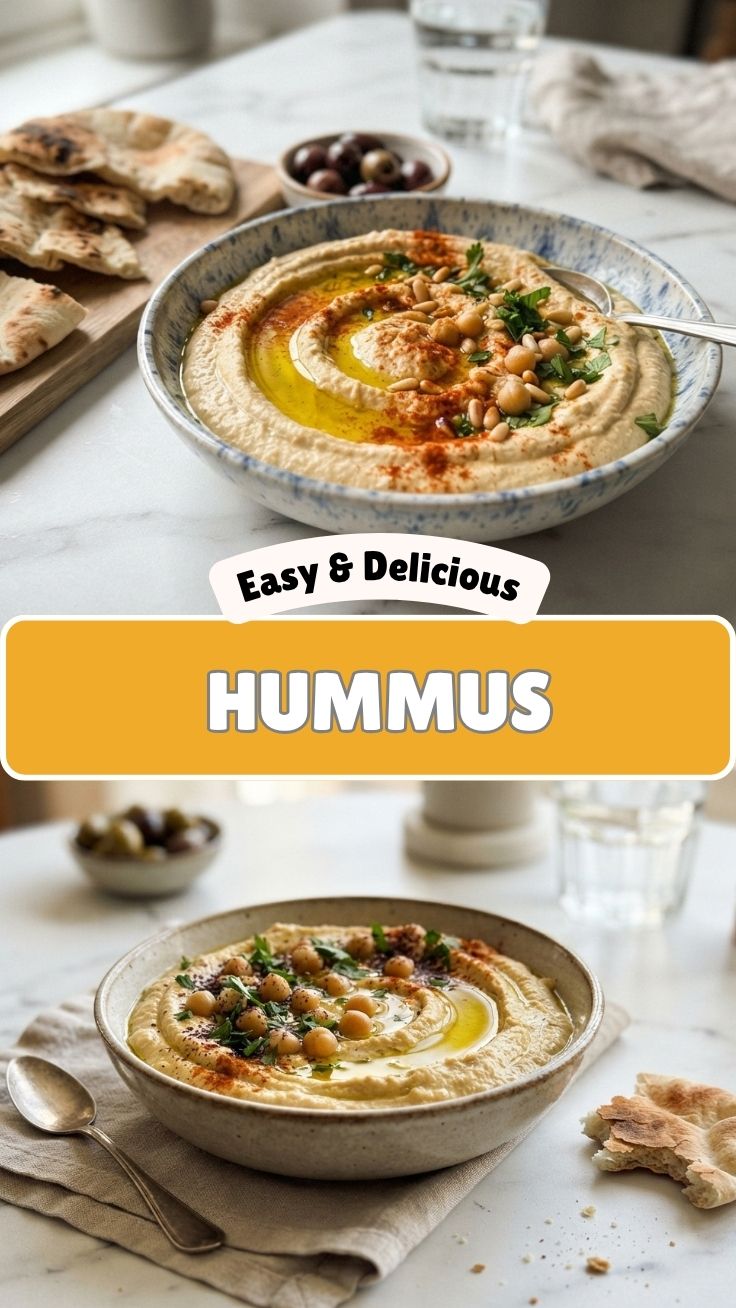
This recipe requires minimal active time but yields maximum flavor. Prep time: 15 minutes for hummus (if using canned chickpeas) and 10 minutes for guacamole. Cooking time: 0 minutes (no-cook recipe). Chilling time: 30 minutes for hummus to allow flavors to meld. Plan to prepare both dips just before serving for the freshest taste, though hummus can be made a day ahead.
Step-by-Step Instructions
Hummus:
1. Drain and rinse chickpeas (if canned). For extra creaminess, remove skins by rubbing chickpeas in a towel—this removes the outer membrane.
2. Blend tahini and lemon juice in a food processor for 1 minute until pale and creamy.
3. Add garlic, salt, cumin, and olive oil. Process for 30 seconds.
4. Add chickpeas and process for 1 minute. Scrape sides.
5. With motor running, drizzle in 3–4 tablespoons ice water until desired creamy consistency. Process for 3–4 minutes—this emulsifies the dip. Pro tip: Temperature control matters—cold water prevents overheating and keeps the hummus light.
6. Taste and adjust seasoning. Add more lemon juice or salt as needed. The perfect hummus guacamole pair shares this bright, tangy profile.
Guacamole:
1. Halve avocados and remove pits. Scoop flesh into a bowl.
2. Mash with a fork to desired chunkiness—some prefer smooth, others rustic.
3. Add lime juice, onion, cilantro, jalapeño, and tomato. Fold gently.
4. Season with salt and pepper. Taste for texture cues: it should be creamy but not watery.
5. Serve immediately or press plastic wrap directly onto surface to prevent browning.
Nutritional Benefits & Advantages
Both dips are nutritional powerhouses. Hummus provides plant-based protein, fiber from chickpeas, and healthy fats from tahini and olive oil. It supports heart health and stabilizes blood sugar. Guacamole is rich in monounsaturated fats from avocados, which aid in nutrient absorption and reduce inflammation. Combined, this duo delivers essential vitamins (B6, C, E, K) and minerals (potassium, magnesium). A single serving of hummus guacamole offers satiety without heavy calories—ideal for weight management and clean eating.
Tips Variations & Cooking Advice
– Flavor variations: Add roasted red peppers to hummus; mix mango into guacamole for sweetness.
– Ingredient swaps: Use black beans instead of chickpeas for hummus; replace avocado with edamame for a lower-fat guacamole.
– Alternative methods: No food processor? Mash chickpeas by hand for rustic hummus.
– Dietary adaptations: Both are naturally gluten-free, dairy-free, and vegan. For a keto-friendly version, reduce hummus portion and increase guacamole.
– Portion changes: Double the recipe for parties; halve for solo snacking.
Common Mistakes to Avoid
– Mistake 1: Overcooking dried chickpeas (causes mushy texture). Solution: Cook until fork-tender but not falling apart.
– Mistake 2: Skipping the ice water in hummus. Solution: It aerates the dip; without it, hummus is dense.
– Mistake 3: Using unripe avocados for guacamole. Solution: Let sit at room temperature for 2–3 days if firm.
– Mistake 4: Overmashing guacamole (becomes gluey). Solution: Leave some chunks for texture.
– Mistake 5: Adding too much garlic raw. Solution: Start with one clove; taste before adding more.
Storage & Meal Prep Tips
– Hummus: Store in airtight container in refrigerator for up to 5 days. Drizzle olive oil on top to prevent drying. Freeze for up to 3 months in freezer-safe bags—thaw overnight in fridge.
– Guacamole: Best consumed fresh, but can be stored with lime juice and plastic wrap pressed directly onto surface. Refrigerate for up to 1 day. Do not freeze—texture degrades.
– Reheating: Hummus can be served cold or at room temperature. Microwave for 20 seconds if chilled. Guacamole should never be reheated.
– Meal prep tip: Chop onions and cilantro in advance; combine with avocado only when ready to serve.
Conclusion
Mastering these dips transforms simple ingredients into crowd-pleasing staples. The secret to success is patience with processing and freshness of produce. Whether you serve this hummus guacamole with pita chips, vegetable sticks, or as a sandwich spread, the balanced creaminess and tang will impress. Try this recipe today, share your results with friends, or experiment with add-ins like smoked paprika or pomegranate seeds. Remember, practice perfects the process—each batch brings you closer to dip perfection.
FAQs
1. Can I use dried chickpeas instead of canned?
Yes, but soak overnight and cook for 1–2 hours until tender. Reserve cooking liquid to thin hummus if needed.
2. Why is my hummus grainy?
Likely underprocessed or tahini was not stirred. Blend for 3–4 full minutes and use ice water for smoothness.
3. How do I fix salty hummus?
Add more tahini or a peeled potato during blending to absorb excess salt.
4. What if my guacamole turns brown?
Press plastic wrap directly onto the surface or add extra lime juice. Store in an airtight container.
5. Can I make hummus without tahini?
Yes, substitute with Greek yogurt, sunflower seed butter, or simply omit for a lighter dip—though flavor will differ.
Master Hummus: 5 Key Recipes
Ingredients
Equipment
Method
- In a food processor, combine chickpeas, tahini, lemon juice, garlic, cumin, and salt.
- Process until smooth, gradually adding cold water until desired consistency is reached.
- Taste and adjust seasoning as needed, then transfer to a serving bowl.
- For Roasted Red Pepper Hummus, add drained roasted red peppers to the food processor with other ingredients.
- For Spicy Sriracha Hummus, incorporate sriracha sauce to taste during blending.
- For Avocado Hummus, blend in ripe avocado and use lime juice instead of lemon.
- For Sun-dried Tomato Hummus, add drained sun-dried tomatoes and dried oregano to the mixture.
- Drizzle with olive oil and sprinkle with paprika, chopped parsley, red pepper flakes, or fresh basil.
- Serve with pita bread, fresh vegetables, or as a spread in sandwiches.