The Ultimate Guide to Soft and Fluffy Dinner Rolls
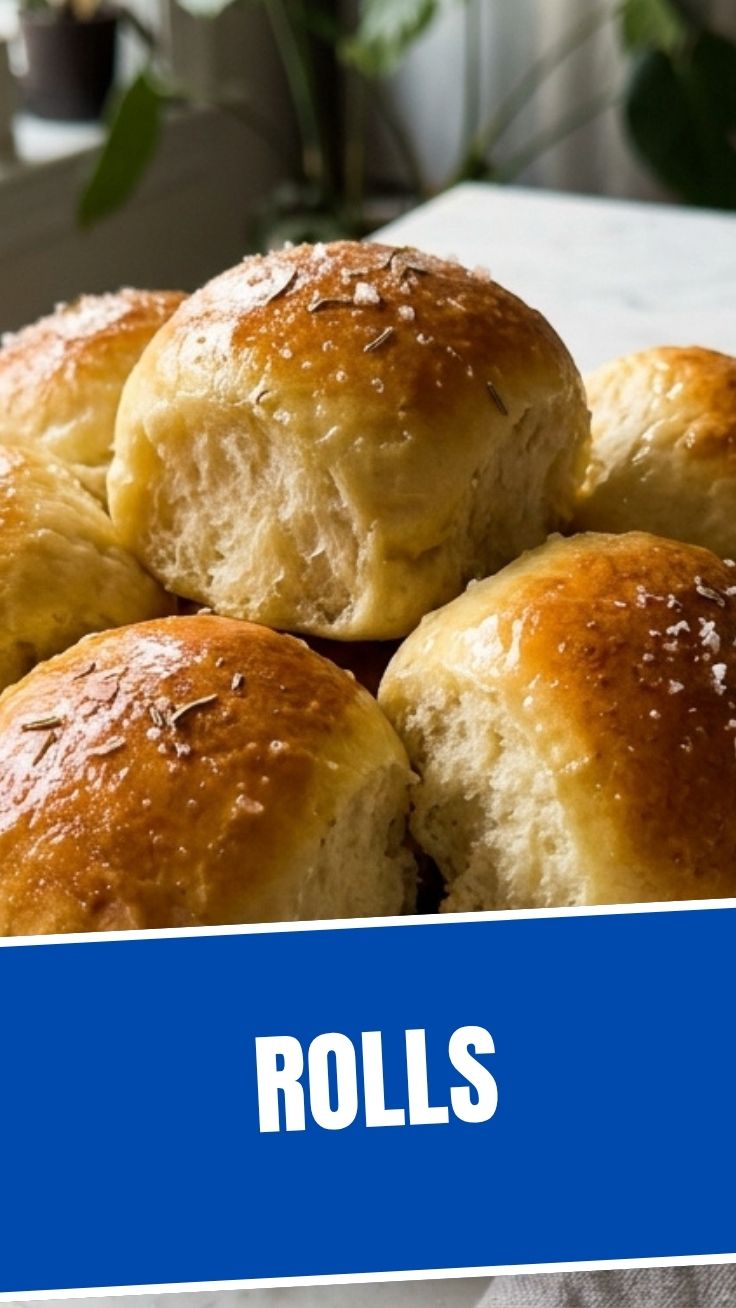
Is there anything more comforting than pulling apart a warm, fluffy roll fresh from the oven? Mastering Dinner Rolls from scratch is a deeply satisfying skill that pays off in delicious dividends. While convenient, store-bought options simply cannot compete with the aroma, texture, and love infused in a batch made in your own kitchen. The satisfaction of creating homemade dinner rolls is unmatched, instantly elevating a simple weeknight supper into a memorable feast. This comprehensive guide covers everything from ingredients to storage, ensuring you achieve bakery-quality results consistently.
Ingredients & Kitchen Tools
Ingredients:
– 1 cup whole milk (105-115°F): Warms the dough and activates the yeast.
– 2 ¼ tsp active dry yeast (1 packet): The essential leavening agent.
– ¼ cup granulated sugar: Provides food for the yeast and balanced sweetness.
– 1 large egg: Adds rich color, structure, and tenderness.
– ¼ cup unsalted butter, melted: Delivers that signature soft texture and flavor.
– 1 tsp salt: Strengthens gluten structure and balances flavor.
– 3 ½ to 4 cups all-purpose flour: The structural foundation; add gradually.
Kitchen Tools:
– Stand mixer with dough hook (or large mixing bowl and wooden spoon).
– 9×13 baking pan or 12-inch cast iron skillet.
– Kitchen thermometer for precise liquid temperature.
– Pastry brush for buttering.
– Clean kitchen towel or plastic wrap for the rising process.
Prep Time & Cooking Schedule
– Active Prep Time: 20 minutes
– First Rise: 1 hour
– Second Rise: 30–45 minutes
– Baking Time: 18–22 minutes
– Total Time: Approximately 2 hours 10 minutes
Planning Tip: The dough can be refrigerated immediately after the first rise for up to 24 hours. This develops a deeper, yeastier flavor and splits the workload across two days.
Step-by-Step Instructions
This foolproof method ensures your Dinner Rolls turn out perfectly golden and pillowy every single time.
1. Activate the Yeast
Combine the warm milk (105-115°F), a pinch of the sugar, and the yeast. Let it sit undisturbed for 5–10 minutes until the surface becomes frothy and bubbly. This confirms your yeast is alive—the single most critical step for light, fluffy Dinner Rolls.
2. Mix the Dough
In your stand mixer bowl, combine the activated yeast, remaining sugar, melted butter, egg, and salt. Add 3 cups of flour and mix on low speed. Gradually incorporate the remaining flour, ¼ cup at a time, until the dough pulls away from the sides of the bowl. The key to tender homemade dinner rolls is adding only enough flour so the dough remains slightly tacky but workable.
3. Knead to Perfection
Switch to the dough hook and knead on medium-low speed for 8–10 minutes. The dough should become smooth, elastic, and pass the windowpane test—stretch a small piece thin enough to see light through without tearing.
4. First Rise
Shape the dough into a ball, place it in a greased bowl, turning once to coat. Cover tightly with plastic wrap and let it rise in a warm, draft-free spot for 1 hour, or until doubled in volume.
5. Shape and Second Rise
Gently punch down the dough to release trapped gases. Turn it onto a lightly floured surface and divide it into 12 equal pieces. Shape each piece into a smooth ball by pulling the edges under and pinching at the base. Arrange them in a greased baking pan, cover loosely, and let rise for 30–45 minutes until puffy and touching.
6. Bake to Golden Brown
Preheat your oven to 375°F (190°C). Brush the tops gently with melted butter and bake on the middle rack for 18–22 minutes, until deeply golden and the internal temperature reaches 190°F. Brush with another generous layer of butter immediately upon removing from the oven—this step creates the signature soft, glossy crust.
Nutritional Benefits & Advantages
Baking your own Dinner Rolls at home gives you full control over every ingredient. You eliminate the preservatives, dough conditioners, and high-fructose corn syrup often found in store-bought alternatives. Real butter provides healthy saturated fats, eggs add complete protein, and the fermentation process makes the nutrients more bioavailable. Making homemade dinner rolls allows you to easily customize the recipe for a healthier profile—swap in whole wheat flour for extra fiber or reduce the sugar for a less sweet version that pairs beautifully with savory dishes.
Tips Variations & Cooking Advice
– Flavor Boosters: Fold in minced garlic, fresh rosemary, shredded cheddar cheese, or everything bagel seasoning before the second rise.
– Dairy-Free Adaptation: Substitute the milk with unsweetened oat or almond milk and use high-quality vegan butter or olive oil.
– Whole Wheat Version: Replace 1 cup of all-purpose flour with whole wheat flour. Add an extra tablespoon of milk, as whole wheat absorbs more moisture.
– Make-Ahead Strategy: After shaping the rolls in the pan, cover tightly and refrigerate for up to 24 hours. Allow them to come to room temperature and finish the second rise before baking.
– Sweet Roll Variation: Increase sugar to ⅓ cup and add 1 teaspoon vanilla extract. Serve with honey butter or cinnamon honey glaze.
Common Mistakes to Avoid
– Killing the Yeast: Liquid over 130°F kills yeast instantly. Always use a thermometer to keep the milk between 105–115°F.
– Over-flouring the Dough: Adding too much flour results in dense, heavy rolls. The dough should feel soft and slightly tacky to the touch.
– Under-proofing: Rushing the rises leads to compact Dinner Rolls with poor texture. Wait until the dough has truly doubled in size.
– Skipping the Butter Wash: The post-bake butter application is not optional—it seals in moisture and delivers that signature soft crust.
Storage & Meal Prep Tips
Room Temperature: Store leftover rolls in an airtight container or zip-top bag at room temperature for up to 3 days. Wrapping them in a clean kitchen towel before bagging helps maintain moisture.
Freezing: Cool completely, then place rolls in a freezer-safe bag. They keep beautifully for up to 3 months.
Reheating: The best method for reviving day-old or frozen rolls is wrapping them in aluminum foil and warming in a 350°F oven for 10–15 minutes. For a quick fix, microwave a single roll for 15–20 seconds, but avoid overheating which can make them rubbery.
Conclusion
Baking Dinner Rolls from scratch is a deeply rewarding culinary skill that brings people together around the dinner table. The aroma alone transforms any meal into a special occasion. We hope this guide empowers you to consistently create perfect homemade dinner rolls that your family will rave about. Try this recipe, experiment with the variations, and share your beautiful results—happy baking!
FAQs
Can I use instant yeast instead of active dry yeast?
Yes, substitute instant yeast 1:1. Mix it directly with the dry ingredients and skip the activation step. The rise times may be slightly shorter.
Why are my rolls turning out dry?
Dry rolls typically result from over-baking or adding too much flour during mixing. Watch the rolls closely in the oven and brush generously with butter immediately after baking to seal in moisture.
Can this recipe be made gluten-free?
A quality 1:1 gluten-free flour blend (containing xanthan gum) can work, but the texture will be denser. The dough will be much stickier, so handle it with wet hands to prevent sticking.
How do I prevent the bottoms from burning?
Bake the rolls on the middle oven rack. If the tops brown too quickly, tent the pan loosely with foil for the last 5–7 minutes of baking. A reliable oven thermometer ensures accurate temperature.
Can I freeze the dough before baking?
Absolutely. Freeze the shaped rolls in the pan until solid, then transfer to a freezer bag. When ready to bake, thaw overnight in the refrigerator, let them finish the second rise at room temperature, and bake as directed, adding a few extra minutes.
Quick way to grow 4 Dinner Rolls
Ingredients
Equipment
Method
- In a large bowl, whisk together the flour, yeast, sugar, and salt.
- In a separate bowl, combine the warm milk, melted butter, and egg.
- Gradually add the wet ingredients to the dry ingredients, mixing until a shaggy dough forms.
- Knead the dough on a lightly floured surface for about 5-7 minutes, until it is smooth and elastic.
- Place the dough in a lightly oiled bowl, cover with a clean kitchen towel, and let it rise in a warm place for 15-20 minutes, or until doubled in size.
- Preheat your oven to 375°F (190°C) and lightly grease a baking sheet.
- Divide the dough into 4 equal pieces and shape each piece into a smooth roll.
- Place the rolls on the prepared baking sheet, leaving some space between them.
- Bake for 15-20 minutes, or until golden brown and cooked through.