Here is your comprehensive, SEO-optimized blog post crafted with generative precision.
—
Have you ever wondered why restaurant-style creamy potatoes taste so much better than the instant boxed version, even though the ingredients are almost identical? The secret isn’t a secret ingredient—it is technique. Preparing a classic side dish from scratch turns a simple meal into a memorable feast. When you take the time to master the process, you gain control over texture, flavor, and nutrition. Plus, the satisfaction of creating a silky, buttery base that perfectly soaks up a rich, savory sauce is unmatched. This guide will teach you how to achieve that perfect balance every single time, starting with the best mashed potatoes you have ever made.
Ingredients & Kitchen Tools
Getting the right tools and ingredients ready before you start makes the entire cooking process smoother and prevents last-minute scrambling.
Core Ingredients:
– 2 lbs Yukon Gold or Russet potatoes: Yukon Golds offer a naturally buttery flavor and creamy texture. Russets are fluffier but require more butter. Peel them for a smooth result or leave the skin on for a rustic version.
– 1/2 cup unsalted butter (1 stick): Cut into cubes for even melting. Salted butter can be used, but adjust the added salt later.
– 1/2 cup whole milk or heavy cream: Whole milk creates a lighter mash, while heavy cream yields a decadent, rich result.
– 1 tsp salt (plus more for the water): Use kosher salt for seasoning the water and fine sea salt for finishing.
– 1/4 tsp white pepper (optional): Adds heat without the black specks that can mar the pure white color.
Essential Kitchen Tools:
– Large Pot (5-6 quart): For boiling the potatoes.
– Potato Masher or Ricer: A ricer creates the smoothest, lump-free mash. A hand masher gives a more rustic, hearty texture. Avoid a food processor, which makes potatoes gluey.
– Colander: For draining.
– Wooden Spoon or Silicone Spatula: For folding in the butter and cream.
Optional Substitutions:
– Dairy-Free: Use unsalted vegan butter and oat milk or unsweetened cashew milk.
– Lower Fat: Substitute half the butter with extra virgin olive oil and use low-fat milk.
– Garlic Lovers: Boil 3-4 peeled garlic cloves with the potatoes and mash them in.
Prep Time & Cooking Schedule
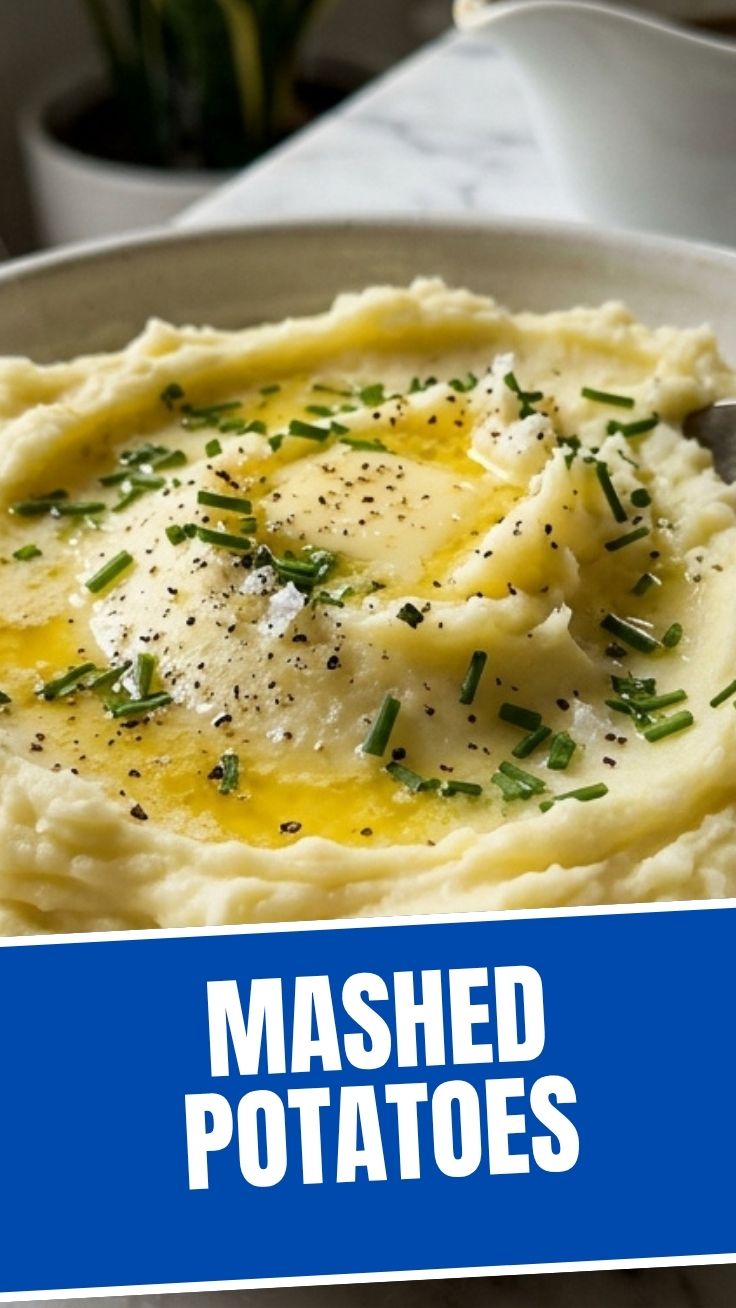
Timing is everything when you are coordinating a main course and a side. This recipe is designed to be forgiving, but a little planning ensures the best texture.
– Prep Time: 10 minutes (peeling and cutting)
– Cook Time: 20-25 minutes (boiling until fork-tender)
– Mashing & Mixing Time: 5 minutes
– Total Active Time: 15 minutes
– Resting Time: 2-3 minutes (letting the potatoes steam dry after draining)
How to plan: You can boil the potatoes up to an hour ahead. Simply leave them in the hot water off the heat, covered. Drain and mash right before serving. However, for the fluffiest results, mash them immediately after draining while they are steaming hot.
Step-by-Step Instructions
Follow these steps closely to avoid a gummy or watery mash. The goal is a pillow-like, creamy consistency that serves as the perfect canvas.
1. Prepare and Boil: Peel the potatoes and cut them into uniform 1.5-inch cubes. Place them in a large pot and cover with cold water by 1 inch. Add 2 teaspoons of salt. Why cold water? It ensures the potatoes cook evenly from the outside in, preventing a mushy exterior before the center is done.
2. Cook Until Fork-Tender: Bring the water to a boil over high heat, then reduce to a gentle simmer. Cook for 15-20 minutes. Test by piercing a cube with a fork; it should slide off easily with no resistance. Do not overcook or they will absorb too much water and become watery.
3. Drain and Steam Dry: Drain the potatoes in a colander. Return the empty pot to the stove over low heat for 30 seconds to evaporate any moisture. Return the potatoes to the dry pot and let them sit for 2-3 minutes. This crucial step removes excess steam, allowing the potatoes to absorb the butter and cream better instead of becoming soupy.
4. Mash and Season: Add the butter cubes and mash vigorously until the butter is melted and no large lumps remain. Pour in the warm milk (or cream) in a steady stream while continuing to mash. Season with salt and white pepper to taste.
5. Finish and Serve: Stir gently to combine. If you are making a classic holiday spread, you can now ladle a warm, rich gravy over the top or serve it on the side. The contrast of the silky mash with the savory sauce is the highlight of the plate.
Nutritional Benefits & Advantages
While creamy comfort food is often seen as an indulgence, there are genuine nutritional benefits to this homemade version.
– Potassium Power: Potatoes are one of the best sources of potassium of any vegetable or fruit, which is essential for heart health and muscle function.
– Energy Source: The complex carbohydrates in potatoes provide sustained energy, especially when eaten with the skin (for rustic versions).
– Controlled Fats: By making it at home, you control the quality and quantity of the fat. You can use grass-fed butter for healthy fatty acids and avoid the hydrogenated oils found in many instant mixes.
– Vitamins: Potatoes provide a good dose of Vitamin C and B6, which support immune function and energy metabolism.
Tips Variations & Cooking Advice
– Creamy Variation: Instead of regular milk, use 1/3 cup cream cheese and 1/2 cup milk for an ultra-creamy, tangy flavor reminiscent of steakhouse versions.
– Roasted Garlic Twist: Before boiling, wrap a whole head of garlic in foil with olive oil and roast at 400°F for 40 minutes. Squeeze the soft cloves into the mash.
– Herb Infusion: Stir in 2 tablespoons of chopped fresh chives, parsley, or thyme right before serving.
– Dairy-Free Version: Use a high-quality vegan butter and unsweetened oat milk. Oat milk has a creaminess similar to dairy without the strong flavor of almond milk.
– Crispy Top: For a crunchy texture, transfer the mash to a baking dish, top with breadcrumbs and cheese, and broil for 2-3 minutes.
Common Mistakes to Avoid
– Overworking the Potatoes: This is the number one mistake. Mashing too aggressively or using a blender releases too much starch, turning your creamy mash into a sticky, gluey paste. Use a masher or ricer, and stop once the butter is incorporated.
– Adding Cold Dairy: Pouring cold milk or cream into hot potatoes will cause them to seize up and become dense. Always warm your milk and butter together before adding them.
– Skipping the Salt in the Water: If you don’t salt the cooking water, you will need to add a lot of salt at the end, which can make the mash taste “salty” rather than “seasoned.” The water should taste like sea water.
– Using Waxy Potatoes: Red or new potatoes have a low starch content and a waxy texture. They will turn out sticky and heavy. Stick to Russets or Yukon Golds.
Storage & Meal Prep Tips
Storage: Leftover potatoes can be stored in an airtight container in the refrigerator for up to 4 days. To maintain moisture, press a piece of plastic wrap directly onto the surface of the mash before sealing the lid.
Reheating: The best method is to reheat them on the stovetop over low heat, adding a tablespoon of milk or cream for every 2 cups of mash. Stir frequently to prevent scorching. You can also reheat them in a microwave at 50% power in 30-second intervals, stirring between each.
Freezing: Mashed potatoes freeze well, but the texture can become slightly grainy upon thawing. To freeze, spoon them into a freezer-safe bag, flatten it, and freeze for up to 3 months. Thaw in the fridge overnight, then reheat with extra butter and milk to restore creaminess.
Conclusion
Mastering this classic side dish is a game-changer for your home cooking. By focusing on the right potatoes, proper cooking technique, and warm dairy, you can achieve a restaurant-quality result that pleases every palate. Whether you are pairing it with a roast chicken or a holiday turkey, this creamy base is the ultimate comfort food. Remember, the perfect mashed potatoes are only as good as the sauce they accompany, so do not forget a rich gravy to tie it all together. We encourage you to try this recipe for your next family dinner and share a photo of your results. We would love to see how it turns out!
FAQs
1. Can I use a food processor to make this faster?
No, we strongly advise against it. A food processor whirls the potatoes so fast that it breaks down the starch cells, creating an unpleasantly gummy, gluey texture that cannot be fixed.
2. How do I fix mashed potatoes that are too salty?
If you have over-salted your mash, try adding a raw, peeled potato wedge to the pot and letting it sit for 5-10 minutes. The raw potato will absorb some of the excess salt. Alternatively, add more unsalted butter and milk to dilute the salt, then adjust the seasoning with pepper.
3. Can I make them ahead of time for a dinner party?
Yes! Boil and mash the potatoes up to 2 days ahead. Place them in a buttered baking dish, cover, and refrigerate. About 30 minutes before serving, dot the top with butter and reheat in a 350°F oven until warm, about 20-25 minutes.
4. Why are my potatoes watery?
This usually happens if the potatoes were cut too small and overcooked, absorbing too much water. Always start with cold, salted water and cook only until fork-tender. Also, ensure you let the potatoes steam dry in the hot pot for a few minutes after draining.
5. What is the best way to keep mashed potatoes warm for a buffet?
Transfer them to a slow cooker set on the “Warm” setting (not “Low” or “High”). Stir in an extra tablespoon of butter to keep them from drying out. They can stay warm and creamy for up to 2 hours this way.
Quick Way to Grow 7 lbs of Mashed Potatoes
Ingredients
Equipment
Method
- Wash and peel the potatoes, then cut them into roughly 1-inch cubes.
- Place the potato cubes in a large pot and cover with cold water by about an inch. Add a pinch of salt to the water.
- Bring the water to a boil over high heat, then reduce heat to medium and simmer until the potatoes are very tender, about 15-20 minutes.
- Drain the potatoes thoroughly, then return them to the empty pot or a large mixing bowl.
- Add the butter and milk to the hot potatoes, then mash with a potato masher until smooth and creamy.
- Season with salt and pepper to taste, then serve hot.