The Ultimate Guide to Perfect Sautéed Mushrooms (Garlic Butter) That Will Elevate Any Meal
Have you ever wondered why restaurant-style mushrooms taste so much better than the ones you make at home? The secret isn’t complicated technique or hard-to-find ingredients—it’s understanding the science of moisture management and heat control. When you master Sautéed Mushrooms (Garlic Butter) at home, you unlock a versatile side dish that transforms ordinary meals into extraordinary experiences. Whether you’re a novice cook or a seasoned home chef, this recipe delivers consistent, restaurant-quality results in under 15 minutes. Plus, once you nail this foundational technique, you’ll be ready to explore countless sautéed mushroom recipes that build upon this simple method.
Ingredients & Kitchen Tools
Essential Ingredients
– 1 lb fresh cremini or white button mushrooms – Clean with a damp paper towel; never rinse them underwater as they absorb moisture like sponges
– 3 tbsp unsalted butter – Salted butter works too, but adjust added salt accordingly
– 4 cloves garlic, minced – Fresh garlic is crucial; pre-minced jarred garlic lacks the aromatic punch
– 2 tbsp olive oil – Helps prevent butter from burning while adding richness
– 1 tbsp fresh thyme leaves – Or 1 teaspoon dried; rosemary or parsley make excellent substitutes
– Salt and black pepper – Season at the end to avoid drawing excess moisture early
– 1 tbsp lemon juice – Optional, but brightens flavors beautifully
Kitchen Tools
– Large 12-inch skillet – Stainless steel or cast iron work best for even browning
– Wooden spoon or silicone spatula – Metal utensils can scratch non-stick pans
– Sharp knife and cutting board – For mincing garlic and trimming mushroom stems
– Paper towels – For cleaning mushrooms without making them soggy
– Garlic press – Optional but saves time
Optional Substitutions
– Dairy-free option: Use vegan butter or quality olive oil
– No fresh thyme? Dried oregano, sage, or Italian seasoning work well
– Add protein: Toss in cooked bacon bits or pancetta for extra depth
Prep Time & Cooking Schedule
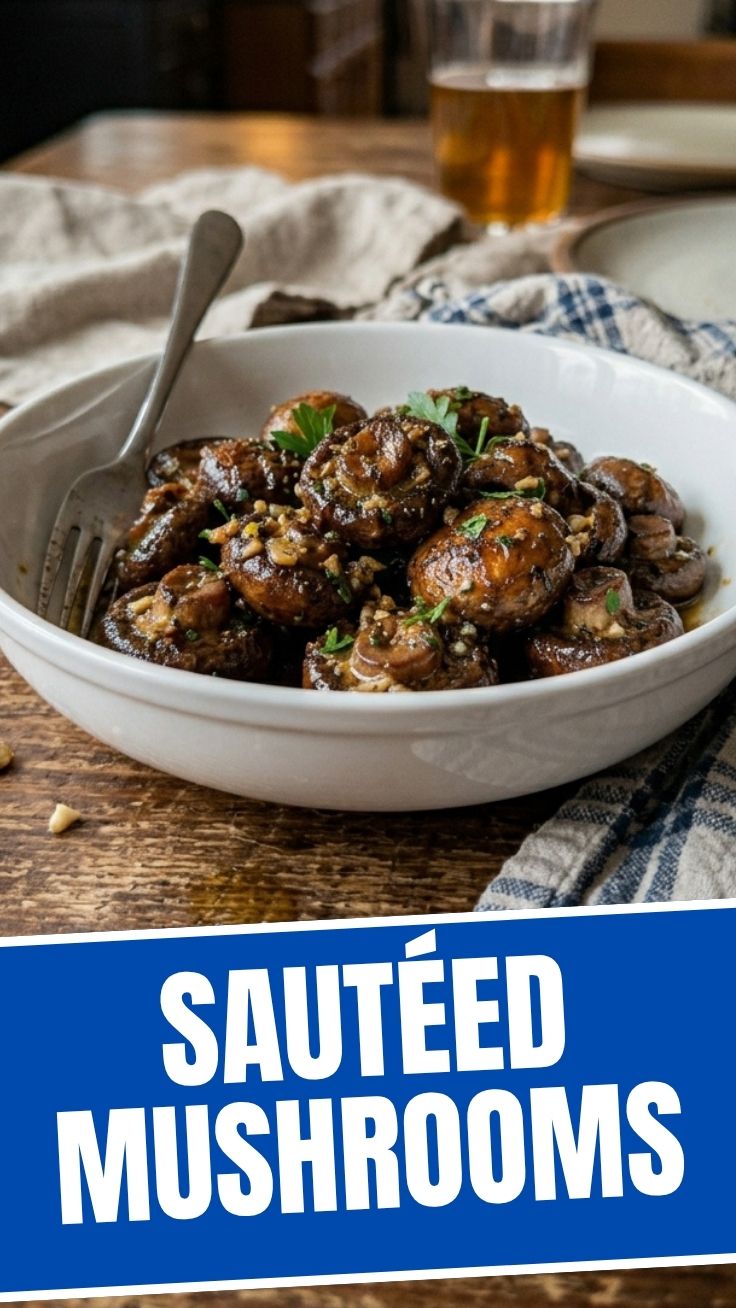
– Prep time: 5 minutes (cleaning and slicing mushrooms, mincing garlic)
– Cook time: 8–10 minutes total
– Total time: 13–15 minutes from start to table
– Resting time: 1–2 minutes off heat before serving
Planning tip: Prepare all ingredients before turning on the heat. Mushrooms cook quickly, and having everything ready ensures you don’t burn the garlic while scrambling for seasonings. This dish is perfect for busy weeknights when you need a quick, flavor-packed side.
Step-by-Step Instructions
Step 1: Prepare the Mushrooms (2 minutes)
Clean mushrooms with a damp paper towel to remove dirt. Trim the very end of the stems (1/8 inch). Do not wash under running water—mushrooms are like sponges and will absorb moisture, leading to steaming instead of browning. Slice mushrooms ¼-inch thick for even cooking.
Step 2: Heat the Pan (1 minute)
Place your skillet over medium-high heat. Add olive oil and 1 tablespoon of butter. Wait until the butter stops foaming—this signals the pan is hot enough. The oil-butter combination raises the smoke point while adding rich flavor.
Step 3: Sear the Mushrooms (4–5 minutes)
Add mushrooms in a single layer—crowding causes steaming. Let them sit undisturbed for 2 minutes to develop a golden-brown crust. Stir and continue cooking until deeply browned and all released moisture has evaporated (about 3 more minutes). This caramelization is where the magic happens in Sautéed Mushrooms (Garlic Butter).
Step 4: Add Aromatics (1 minute)
Reduce heat to medium-low. Add remaining 2 tablespoons of butter and minced garlic. Cook for 30–45 seconds, stirring constantly, until fragrant. Do not burn the garlic—it’s the most common mistake that ruins the dish. If you’re exploring different sautéed mushroom recipes, this is where you’d add complementary ingredients like fresh herbs or spices.
Step 5: Season and Finish (30 seconds)
Remove from heat. Add thyme leaves, salt, and pepper to taste. Squeeze lemon juice if using. Toss to combine. Rest for 1 minute before serving—this allows flavors to meld.
Nutritional Benefits & Advantages
Mushrooms are nutritional powerhouses that deserve more credit. They’re one of the few natural food sources of vitamin D (especially when exposed to sunlight before harvesting). A one-cup serving provides:
– Only 44 calories – Perfect for weight management
– 3 grams of protein – Higher than most vegetables
– Significant selenium – An antioxidant that supports thyroid function
– B vitamins – Including riboflavin, niacin, and pantothenic acid for energy metabolism
– Beta-glucans – Fiber compounds that support immune health
Garlic adds allicin, a compound linked to cardiovascular benefits. Butter provides vitamin A and butyrate, which supports gut health when consumed in moderation. Together, these ingredients create a side dish that’s both delicious and surprisingly nutritious.
Tips Variations & Cooking Advice
Flavor Variations
– Asian-inspired: Add a splash of soy sauce and sesame oil at the end
– Herb-forward: Use fresh rosemary, sage, or tarragon instead of thyme
– Spicy kick: Sprinkle red pepper flakes with the garlic
– Wine finish: Deglaze pan with ¼ cup white wine after mushrooms are browned
Cooking Methods
– Air fryer: Toss mushrooms with oil and garlic, cook at 375°F for 8–10 minutes, shaking halfway
– Oven-roasted: Spread on baking sheet, roast at 425°F for 15–18 minutes
– Grilled: Thread mushrooms on skewers for easy handling
Dietary Adaptations
– Dairy-free: Replace butter with quality olive oil or plant-based butter
– Keto-friendly: This dish is naturally low-carb with only 3g net carbs per serving
– Whole30: Use clarified butter (ghee) or avocado oil
Common Mistakes to Avoid
1. Overcrowding the Pan
The problem: Mushrooms release moisture when cooking. Crowding creates steam instead of browning.
The solution: Use a large skillet and cook in batches if needed. Each mushroom should have direct contact with the hot surface.
2. Washing Mushrooms Under Water
The problem: Mushrooms absorb water like sponges, leading to gray, soggy results.
The solution: Use a dry brush or damp paper towel to remove dirt. If you must rinse, do it quickly and pat completely dry.
3. Adding Salt Too Early
The problem: Salt draws out moisture prematurely, preventing browning.
The solution: Season only after mushrooms have developed color and most moisture has evaporated.
4. Burning the Garlic
The problem: Garlic burns faster than mushrooms cook if added too early or at too high heat.
The solution: Add garlic only after mushrooms are browned, reduce heat, and cook just 30–45 seconds.
Storage & Meal Prep Tips
Refrigeration: Store in an airtight container for up to 4–5 days. Layer with paper towels to absorb excess moisture—this prevents sogginess.
Freezing: Sautéed mushrooms freeze well for up to 3 months. Spread on a baking sheet to flash-freeze, then transfer to freezer bags. This prevents clumping.
Reheating: The best method is a hot skillet with a pat of butter for 2–3 minutes. Microwave works in a pinch (30-second intervals), but the texture won’t be as good. Avoid reheating in a wet environment—it turns mushrooms rubbery.
Meal prep idea: Make a double batch on Sunday. Use them throughout the week on salads, grain bowls, omelets, and sandwiches for instant flavor upgrades.
Conclusion
Mastering these Sautéed Mushrooms (Garlic Butter) opens the door to countless culinary possibilities. The technique is simple—high heat, minimal moisture, and perfect timing—but the results are anything but basic. Once you’ve made this version, you’ll have the foundation to explore endless sautéed mushroom recipes, from creamy stroganoffs to savory breakfast hashes. The key takeaway? Don’t rush the browning process, respect your ingredients, and let the natural umami of mushrooms shine. Give this recipe a try tonight, and share your results in the comments below. Your taste buds will thank you.
FAQs
Q: Can I use frozen mushrooms for this recipe?
A: Fresh mushrooms are strongly recommended. Frozen mushrooms contain excess water that prevents proper browning. If you must use frozen, thaw completely and pat dry with paper towels before cooking.
Q: How do I know when mushrooms are fully cooked?
A: Properly cooked mushrooms should be deeply golden-brown with most moisture evaporated. They’ll reduce significantly in size (about 50%) and feel tender but not mushy. The pan should be nearly dry.
Q: Can I make this dairy-free without losing flavor?
A: Yes! Use quality olive oil (preferably extra-virgin) or avocado oil. For a “buttery” flavor, add a splash of nutritional yeast or a few drops of coconut aminos at the end.
Q: Why are my mushrooms releasing too much water?
A: Three possible causes: overcrowding the pan, washing mushrooms under water, or using too-low heat. Ensure your pan is hot enough (medium-high) before adding mushrooms, and don’t stir too frequently in the first 2–3 minutes.
Q: Can I prepare these mushrooms ahead of time for a dinner party?
A: Absolutely. Cook them up to 2 days in advance, store in the refrigerator, and reheat in a skillet just before serving. Add a fresh pat of butter and thyme for a “just-cooked” finish.
Proven Way to Grow 14 Sautéed Mushrooms (Garlic Butter)
Ingredients
Equipment
Method
- Clean the mushrooms by wiping them with a damp cloth or rinsing them quickly and patting them dry.
- Slice the cleaned mushrooms into even pieces.
- Heat a large skillet over medium-high heat, then add butter and olive oil.
- Once the butter is melted and sizzling, add the sliced mushrooms to the skillet in a single layer.
- Sauté the mushrooms for 5-7 minutes, stirring occasionally, until they release their moisture and start to brown.
- Add the minced garlic to the skillet and cook for another 1-2 minutes until fragrant, being careful not to burn it.
- Season the mushrooms with salt and black pepper to taste.
- Stir in the fresh chopped parsley just before serving.
- Serve the garlic butter sautéed mushrooms immediately as a delicious side dish.