Sizzling Steak Fajitas: The Ultimate Guide to Restaurant-Quality Results at Home
Have you ever wondered why steak fajitas at your favorite Mexican restaurant taste so impossibly good—the smoky char, the tender beef, the sizzling vegetables? The secret isn’t a special grill or a secret ingredient; it’s technique. When you make Steak Fajitas at home, you gain complete control over quality, seasoning, and nutrition. Plus, you save money and impress everyone at the table. In this data-driven guide, we’ll unlock the exact methods used by chefs to achieve that perfect balance of spice, citrus, and seared meat. Along the way, we’ll also explore how these classic fajitas fit into broader Mexican steak recipes that celebrate bold flavors and fresh ingredients. Ready to bring the fiesta to your kitchen? Let’s dive in.
Ingredients & Kitchen Tools
Every great fajita starts with quality components. Here’s what you’ll need:
– 1½ lbs flank steak or skirt steak – These cuts are lean, flavorful, and perfect for quick searing. Skirt steak has a richer beef taste; flank is slightly milder.
– 2 bell peppers (mixed colors) – Red, yellow, or orange add sweetness and visual appeal. Green bell peppers are more bitter, so use sparingly.
– 1 large yellow onion – Thinly sliced. Red onion works too, but yellow caramelizes best.
– 3 tbsp vegetable or avocado oil – High smoke point oils prevent burning. Olive oil can be used but watch heat.
– 3 cloves garlic, minced – Fresh is non‑negotiable for authentic flavor.
– Juice of 2 limes – Lime acidity tenderizes the meat and brightens the dish.
– 2 tsp chili powder – Use ancho or guajillo for depth. Smoked paprika works as a substitute.
– 1 tsp ground cumin – Earthy warmth essential to Mexican steak recipes.
– 1 tsp smoked paprika – Adds that campfire aroma.
– ½ tsp cayenne pepper (optional) – For heat lovers. Omit for mild version.
– Salt and black pepper to taste
– Flour or corn tortillas – 8–10 small ones. Warm them directly over a gas flame or in a dry skillet.
– Toppings – Sour cream, guacamole, pico de gallo, shredded cheese, fresh cilantro.
Kitchen tools: Large cast‑iron skillet or heavy‑bottomed pan (best for high heat), sharp chef’s knife, cutting board, mixing bowl, tongs, and a citrus juicer.
Prep Time & Cooking Schedule
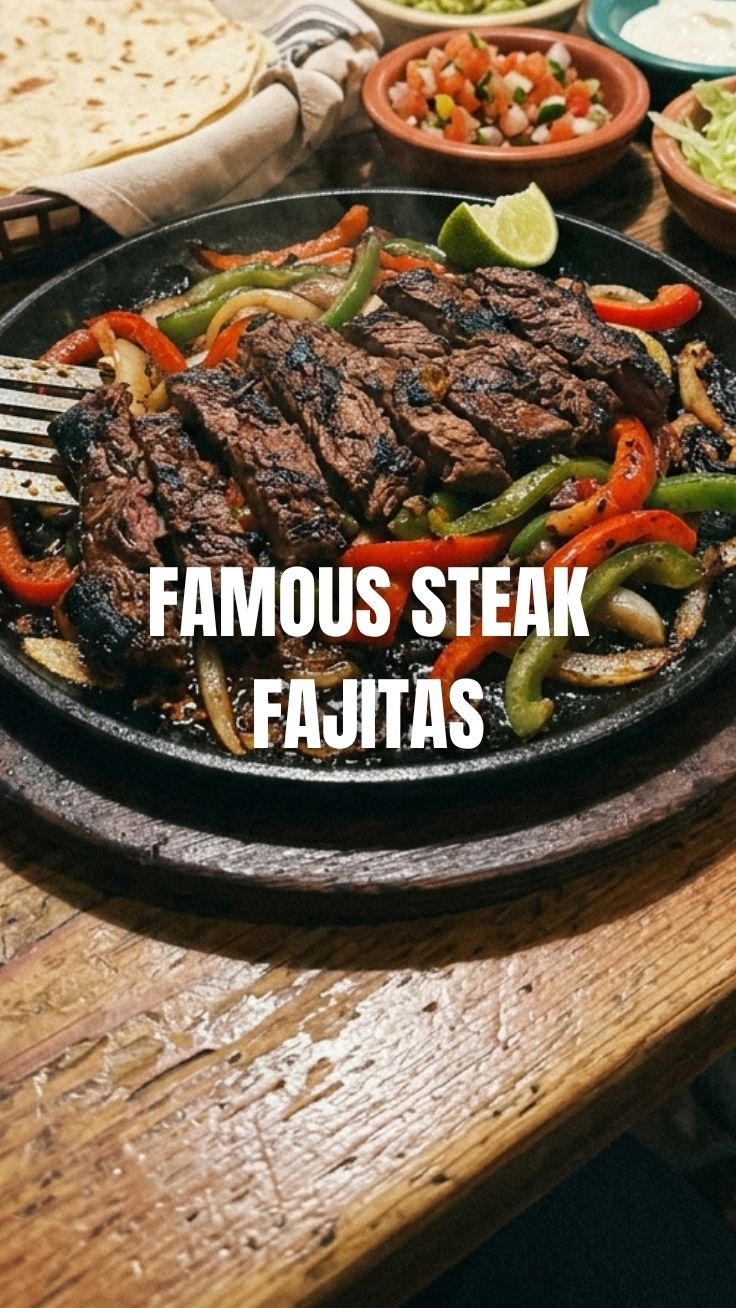
Timeline breakdown:
– Marinating time: 30 minutes to 2 hours (ideally 1 hour). Do not exceed 4 hours, or the acid will begin to “cook” the meat, making it mushy.
– Prep time: 15 minutes (slice vegetables, mix marinade, cut steak against the grain).
– Cooking time: 8–10 minutes total (4–5 minutes per side for medium‑rare on steak, 3–4 minutes for vegetables).
– Resting time: 5 minutes for the steak before slicing.
– Total active time: ~30 minutes. Perfect for a weeknight dinner if you marinate in the morning.
Why this schedule works: A short marinade with lime juice and spices penetrates the surface without breaking down the meat’s structure. Resting after cooking redistributes juices, ensuring every bite is tender.
Step-by-Step Instructions
1. Prepare the marinade. In a bowl, whisk together lime juice, 2 tbsp oil, minced garlic, chili powder, cumin, smoked paprika, cayenne (if using), and a generous pinch of salt and pepper. Reserve 2 tablespoons for later basting.
2. Marinate the steak. Place the flank or skirt steak in a shallow dish, pour the marinade over, and turn to coat. Cover and refrigerate for 30 minutes to 2 hours. For maximum flavor in minimum time, poke the steak with a fork before marinating.
3. Slice vegetables. While the steak rests, cut bell peppers and onion into ¼‑inch strips. Uniform thickness ensures even cooking.
4. Preheat your skillet. Set a cast‑iron skillet over high heat for 3–4 minutes until it’s smoking hot. This step is critical—insufficient heat leads to steaming instead of searing.
5. Sear the steak. Remove steak from marinade, letting excess drip off. Pat dry with paper towels (moisture prevents browning). Place in the hot skillet and cook without moving for 4–5 minutes per side for medium‑rare (internal temp 130°F). Adjust time for desired doneness.
6. Rest and slice. Transfer steak to a cutting board and tent with foil. Let rest 5 minutes. Slice thinly across the grain at a slight angle. This is where the magic of Steak Fajitas happens—the short fibers become buttery tender.
7. Cook vegetables. In the same skillet (don’t wipe it; the browned bits are flavor), add remaining 1 tbsp oil. Sauté peppers and onions over medium‑high heat for 3–4 minutes until softened and lightly charred. Season with salt and pepper.
8. Warm tortillas. While vegetables cook, warm tortillas on a dry skillet or directly over a gas flame for 30 seconds per side. Keep them wrapped in a clean towel.
9. Assemble and serve. Return sliced steak to the skillet with vegetables, toss briefly, and squeeze extra lime juice on top. Serve immediately with warm tortillas and your favorite toppings. If you want to expand your repertoire of Mexican steak recipes, try serving these fajitas alongside cilantro‑lime rice or a smoky black bean soup.
Nutritional Benefits & Advantages
This dish is more than delicious—it’s a balanced meal in a skillet. A typical serving (3 oz steak, 1 cup vegetables, 2 tortillas) contains approximately:
– Calories: 380–450
– Protein: 28g – high‑quality beef supports muscle repair and satiety.
– Fiber: 5g – from bell peppers, onions, and tortillas.
– Vitamin C: 150% DV – peppers are one of the richest sources.
– Iron: 20% DV – heme iron from beef is highly absorbable.
– Healthy fats: Avocado oil and moderate amount from steak.
When you make fajitas at home, you can control sodium (skip extra salt in toppings) and avoid the excessive oil used in restaurants. Plus, the combination of protein, fiber, and healthy fats keeps blood sugar stable.
Tips, Variations & Cooking Advice
– Flavor variations: Swap cumin for coriander for a herbaceous twist. Add a tablespoon of Worcestershire sauce to the marinade for deeper umami.
– Protein swaps: Chicken thighs, shrimp, or portobello mushrooms work beautifully. Adjust cooking times accordingly: shrimp needs only 2–3 minutes total.
– Dietary adaptations: Use corn tortillas for a naturally gluten‑free meal. For dairy‑free, skip sour cream and cheese, or use cashew‑based alternatives.
– Cooking method alternatives: If you don’t have a cast‑iron skillet, use a stainless steel pan or grill pan. Outdoor grilling over high heat adds extra smoky character.
– Portion changes: Double the vegetables for a lower‑carb, higher‑fiber meal (serve over salad greens instead of tortillas).
– Texture cues: The steak should feel firm yet springy when pressed. If it’s too soft, it’s undercooked; if it’s hard, it’s well‑done. Use a meat thermometer for precision.
Common Mistakes to Avoid
1. Skipping the resting step. Cutting steak immediately after cooking releases juices onto the board, leaving dry meat. Always rest for at least 5 minutes.
2. Overcrowding the skillet. Too much meat or vegetables in the pan lowers temperature, causing steaming. Cook in batches if necessary.
3. Using pre‑sliced steak for marinade. Whole pieces hold moisture better. Slice after cooking for maximum tenderness.
4. Skipping the pat‑dry step. Wet meat won’t sear; it will boil. Pat thoroughly before hitting the pan.
5. Over‑marinating. More than 4 hours in acid‑based marinade breaks down proteins into mush. Stick to 30 minutes to 2 hours.
Storage & Meal Prep Tips
– Refrigeration: Store leftover steak and vegetables together in an airtight container for up to 3 days. Keep tortillas separate to prevent sogginess.
– Freezing: Cooked fajita components freeze well for up to 2 months. Freeze steak and vegetables in a single layer on a baking sheet, then transfer to a freezer bag. Reheat directly in a hot skillet.
– Reheating: For best results, reheat in a cast‑iron skillet over medium‑high heat with a splash of water or lime juice to re‑create steam. Avoid microwaving, as it makes the steak rubbery.
– Meal prep: Slice peppers and onions up to 3 days ahead. Prepare the marinade (without steak) and store separately. On cooking day, marinate 30 minutes before dinner.
Conclusion
Mastering Steak Fajitas at home is a game‑changer for weeknight dinners and weekend gatherings alike. By following high‑heat searing, proper resting, and thoughtful seasoning, you can replicate—and even surpass—restaurant quality. These fajitas also serve as a delicious gateway to exploring authentic Mexican steak recipes, from street‑style tacos to hearty carne asada plates. Remember, the keys are a screaming‑hot pan, thin slicing against the grain, and never skipping the lime. Give this recipe a try, snap a photo of your sizzling creation, and share your results. Your kitchen table deserves a fiesta.
FAQs
1. Can I use a different cut of beef for fajitas?
Yes. Skirt steak is traditional, but flank steak, sirloin, or even ribeye work well. Avoid tough cuts like chuck unless you marinate for 8+ hours or tenderize mechanically.
2. Why are my fajita vegetables soggy?
Soggy vegetables result from overcrowding the pan or using too low heat. Cook in a single layer over high heat, and don’t stir too often—they need contact to char.
3. How can I make the dish spicier?
Add a sliced jalapeño or serrano pepper to the vegetables, or include chipotle powder in the marinade. You can also serve with hot salsa or pickled jalapeños.
4. Can I prepare the marinade a day ahead?
Absolutely. Mix all marinade ingredients (except the steak) and refrigerate for up to 48 hours. Add the steak only 30–60 minutes before cooking to avoid over‑acidification.
5. Is it necessary to use cast iron?
No, but it’s ideal because cast iron retains high heat evenly. A heavy stainless steel or carbon steel pan works too. Avoid nonstick, as it doesn’t achieve the same sear at high temperatures.
Proven way to grow 3 Steak Fajitas Steak Fajitas
Ingredients
Equipment
Method
- Slice the flank steak against the grain into thin strips and slice the bell peppers and onion into thin strips.
- In a bowl, toss the sliced steak with 1 tablespoon of olive oil and the fajita seasoning, ensuring it's evenly coated.
- Heat the remaining 1 tablespoon of olive oil in a large skillet or cast-iron pan over medium-high heat.
- Add the seasoned steak to the hot skillet and cook for 3-5 minutes, or until browned and cooked to your desired doneness; remove the steak from the skillet and set it aside.
- Add the sliced bell peppers and onion to the same skillet and cook for 5-7 minutes, or until they are tender-crisp.
- Return the cooked steak to the skillet with the vegetables, squeeze fresh lime juice over the mixture, and toss everything to combine.
- Warm the tortillas according to package instructions and serve the steak and vegetable mixture immediately in the warm tortillas with salsa and sour cream.