The Ultimate Korean Beef Bowl Recipe: Faster Than Takeout and Bursting with Flavor
Have you ever craved that sweet-savory, umami-packed Korean dish but assumed it takes hours of marinating and shopping for obscure ingredients? Think again. This Korean Beef Bowl—a weeknight hero—delivers all the depth of a restaurant-quality meal in under 20 minutes. By mastering this dish at home, you save money, control the sodium, and customize the spice level. Whether you’re meal-prepping or feeding a hungry family, this recipe transforms simple ground beef into a glossy, caramelized delight reminiscent of classic bulgogi, but without the long wait. Let’s dive into the science and steps behind the perfect bowl.
—
Ingredients & Kitchen Tools (H2)
For the Beef Bowl:
– 1 lb ground beef (80/20 blend works best – enough fat for flavor, not greasy)
– ¼ cup low-sodium soy sauce (or tamari for gluten-free)
– 2 tbsp brown sugar (or coconut sugar for a lower glycemic index)
– 1 tbsp sesame oil (toasted variety adds smoky richness)
– 3 cloves garlic, minced (fresh is non-negotiable for pungency)
– 1 tsp fresh ginger, grated (adds warmth without heat)
– ½ tsp red pepper flakes (optional; adjust to taste)
– 2 green onions, sliced (for garnish and freshness)
– Steamed white or brown rice (for serving)
– Optional toppings: sesame seeds, kimchi, fried egg, cucumber ribbons
Kitchen Tools & Utensils:
– Large non-stick skillet or wok (even heat distribution)
– Wooden spoon or spatula (for breaking up meat)
– Measuring spoons and cups
– Microplane or fine grater (for ginger)
– Rice cooker or pot (for sides)
Substitutions:
– Ground chicken/pork can replace beef
– Use coconut aminos for soy-free / Paleo
– Skip brown sugar and use a dash of honey or monk fruit sweetener
—
Prep Time & Cooking Schedule (H2)
– Prep time: 10 minutes (mince garlic, grate ginger, slice onions, mix sauce)
– Cook time: 8–10 minutes
– Resting time: 2 minutes (lets flavors meld and sauce thicken)
– Total: 20 minutes
Plan ahead: If you meal-prep, cook the beef mixture up to 3 days in advance and reheat quickly. Rice can be made in batches and frozen. This timing ensures you can whip up the bowl even on the busiest weeknight.
—
Step-by-Step Instructions (H2)
1. Prep the sauce: In a small bowl, whisk together soy sauce, brown sugar, sesame oil, minced garlic, grated ginger, and red pepper flakes. Set aside.
2. Brown the beef: Heat your skillet over medium-high heat. Add the ground beef and cook, breaking it into crumbles, until no longer pink (about 4–5 minutes). Drain excess fat if needed, but leave a tablespoon for flavor.
3. Combine and simmer: Pour the sauce mixture over the cooked beef. Stir well, reduce heat to medium, and let it simmer for 2–3 minutes until the sauce thickens and coats each piece. Tip: Look for glossy, sticky bits forming at the edges—that’s caramelization.
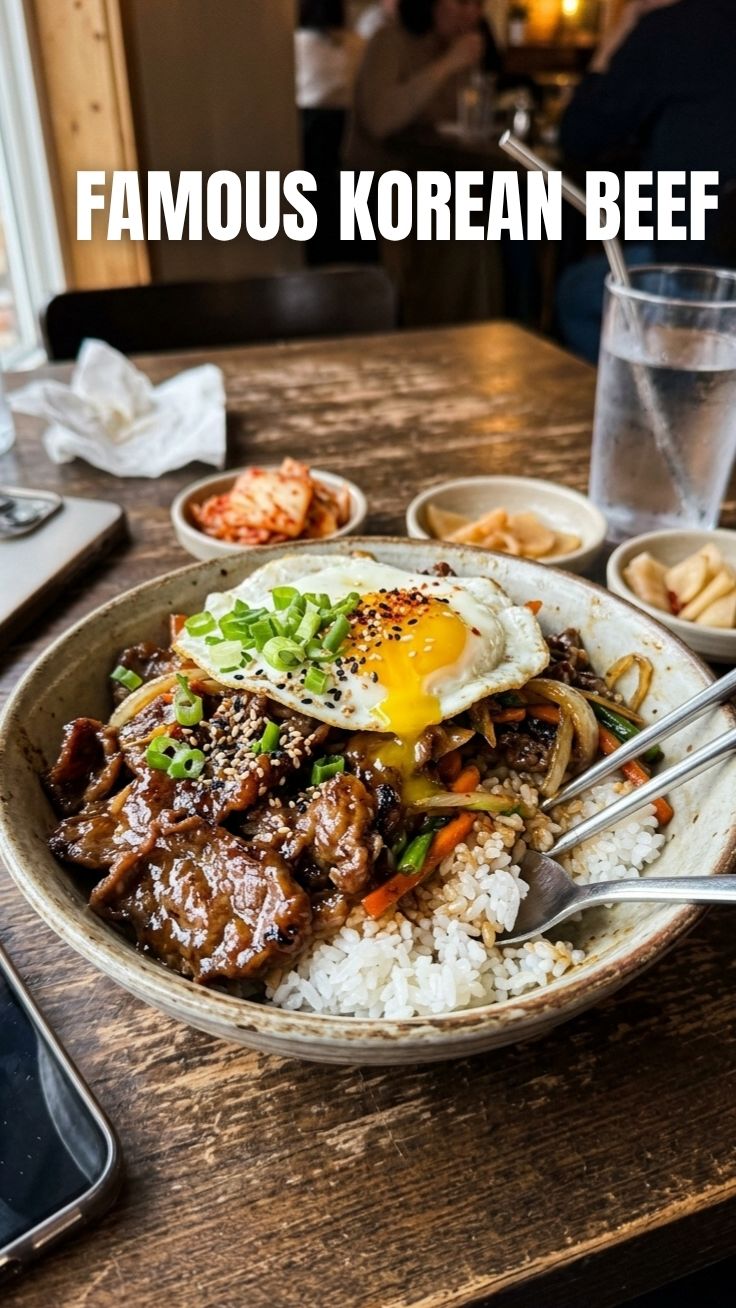
4. Finish and serve: Remove from heat. Stir in half the green onions. Spoon the savory Korean Beef Bowl mixture over steamed rice. Top with remaining green onions, sesame seeds, or a fried egg for extra richness. For an authentic touch, a side of kimchi and a drizzle of extra sesame oil completes the experience. This fast-cooking method mimics the sweet-savory profile of traditional bulgogi, giving you that same grilled depth without the marinating wait.
5. Temperature control: If the sauce dries out too fast, deglaze with a splash of water. If too watery, increase heat for 30 seconds.
—
Nutritional Benefits & Advantages (H2)
A single serving (about ⅓ of the beef mixture with rice) offers roughly:
– ~400–450 calories (varies with rice and toppings)
– 28g protein – supports muscle repair and satiety
– 12g fat – mostly unsaturated from sesame oil and beef
– Iron and B12 from beef boost energy metabolism
– Sesame oil provides antioxidants (sesamol) and anti-inflammatory properties
– Low glycemic impact when paired with brown rice or cauliflower rice
This meal is naturally high in protein and adaptable to macros. The ginger and garlic also support immune health, making it both delicious and functional.
—
Tips, Variations & Cooking Advice (H2)
– Flavor swap: Add a tablespoon of gochujang (Korean chili paste) to the sauce for a deeper, fermented heat.
– Vegetable boost: Stir in shredded carrots, zucchini, or spinach in the last minute of cooking.
– Low-carb option: Serve over cauliflower rice or lettuce wraps (makes excellent Korean beef lettuce cups).
– Dairy-free / Gluten-free: Already dairy-free; use tamari or coconut aminos for gluten-free.
– Double batch: Perfect for leftovers—flavors intensify overnight.
Cooking advice: Use a wide skillet to avoid steaming the beef; you want browning, not boiling. Don’t skip the resting step—it allows the sauce to cling better.
—
Common Mistakes to Avoid (H2)
| Mistake | Solution |
|———|———-|
| Using too-lean beef (93/7) | Meat becomes dry; choose 80/20 or add a splash of oil |
| Overcrowding the pan | Cook in batches to prevent steaming; get a good sear |
| Skipping the simmer | Sauce won’t reduce properly—needs 2–3 minutes of bubbling |
| Adding all green onions at the end | Garnish only; cooking them dulls their fresh bite |
| Forgetting to taste | Adjust saltiness with more sugar or a splash of rice vinegar |
—
Storage & Meal Prep Tips (H2)
– Refrigeration: Store beef mixture in an airtight container for up to 4 days.
– Freezing: Freeze for up to 3 months. Thaw overnight in the fridge.
– Reheating: Microwave in 30-second bursts, stirring in between, or reheat in a skillet with a teaspoon of water to revive moisture.
– Separate components: Keep rice and toppings separate to avoid sogginess. Add fresh garnishes (green onions, sesame seeds) only when serving.
Meal prep idea: Cook a double batch on Sunday, portion into containers with rice and pre-cut veggies. Grab-and-go lunches all week.
—
Conclusion (H2)
Mastering this Korean Beef Bowl at home means you can enjoy restaurant-quality flavor on your schedule, with simple ingredients you likely already have. Its versatility rivals classic bulgogi in taste while cutting prep time drastically—no marinades, no grill needed. Whether you serve it over rice, tucked into lettuce leaves, or stuffed into a baked potato, this recipe is a keeper. Try it this week, snap a photo, and share your twist in the comments. Your next favorite weeknight dinner is just 20 minutes away.
—
FAQs (H2)
1. Can I use ground turkey instead of beef?
Yes, but add 1 tablespoon of oil to prevent dryness. The flavor will be milder—boost with an extra clove of garlic and a pinch of black pepper.
2. Why is my Korean beef bowl too salty?
You likely used regular soy sauce instead of low-sodium. To fix, stir in a teaspoon of brown sugar or a splash of water. Next time, reduce soy sauce to 3 tablespoons.
3. How do I make it spicier?
Add 1–2 teaspoons of gochujang or sriracha to the sauce. You can also serve with sliced fresh chili peppers on top.
4. Can I make this ahead for a party?
Absolutely. Prepare the beef mixture, cool, and refrigerate. Reheat gently and keep warm in a slow cooker on low for up to 2 hours. Serve with a toppings bar.
5. What if I don’t have sesame oil?
Use avocado or vegetable oil and add a teaspoon of toasted sesame seeds for some nuttiness. The flavor won’t be identical but still delicious.
Quick way to grow Korean Beef Bowl
Ingredients
Equipment
Method
- In a medium bowl, combine soy sauce, brown sugar, sesame oil, minced garlic, grated ginger, and red pepper flakes if using.
- Heat a large skillet or wok over medium-high heat. Add the ground beef and cook, breaking it up with a spoon, until browned and cooked through.
- Drain any excess fat from the skillet.
- Pour the prepared sauce over the beef and stir to coat evenly. Bring the mixture to a simmer and cook for 3-5 minutes, allowing the sauce to thicken slightly.
- Serve the Korean beef over hot cooked rice. Garnish with sliced green onions and sesame seeds.