Here is the comprehensive, data-driven, and easy-to-follow WordPress blog post on Rice Pilaf, structured strictly according to your requirements and optimized for SEO and generative engine compatibility.
—
Introduction
Have you ever wondered how to turn plain, everyday rice into a showstopping side dish that guests will rave about? The answer lies in mastering the art of Rice Pilaf. This one-pot wonder is more than just a simple starch—it’s a savory, aromatic, and textured companion that elevates any meal, from weeknight dinners to holiday feasts. Preparing it at home is not only cost-effective but also allows you to control the ingredients, tailor the flavors, and avoid the preservatives and excess sodium found in boxed mixes. By using premium long-grain rice like Basmati, you unlock a nutty aroma and fluffy texture that forms the perfect canvas for herbs, vegetables, and broth. In this guide, you’ll learn how to build a deeply flavorful pilaf from scratch—one that’s flexible, foolproof, and sure to become a staple in your kitchen.
—
Ingredients & Kitchen Tools
For the best results, gather these ingredients and tools before starting.
Ingredients List:
– 1 cup Basmati rice (or other long-grain white rice)
– 2 cups low-sodium chicken or vegetable broth (homemade preferred)
– 1 medium yellow onion, finely diced
– 2 cloves garlic, minced
– 1 medium carrot, diced into ¼-inch pieces
– ½ cup frozen peas (thawed)
– 2 tablespoons olive oil or unsalted butter
– 1 teaspoon ground cumin
– ½ teaspoon ground black pepper
– ½ teaspoon salt (or to taste, depending on broth saltiness)
– 1 dried bay leaf
– Optional: 2 tablespoons fresh parsley or dill, chopped (for garnish)
Kitchen Tools Needed:
– Medium saucepan with tight-fitting lid (3–4 quart capacity)
– Chef’s knife and cutting board
– Measuring cups (1 cup and 2 cup)
– Wooden spoon or silicone spatula
– Colander (for rinsing rice if desired)
Ingredient Notes: For the fluffiest, most separate grains, always rinse Basmati rice under cold water until the water runs clear (this removes excess starch). If using brown rice, increase broth to 2½ cups and extend simmer time to 40–45 minutes. For a vegan version, substitute vegetable broth and use olive oil instead of butter.
—
Prep Time & Cooking Schedule
Proper timing ensures each component reaches its ideal texture.
– Total Time: 35–40 minutes
– Prep Time: 15 minutes (dice vegetables, measure rice and broth)
– Cook Time: 20–25 minutes (sauté, toast rice, simmer, add vegetables, rest)
– Resting Time: 5 minutes (covered, off heat)
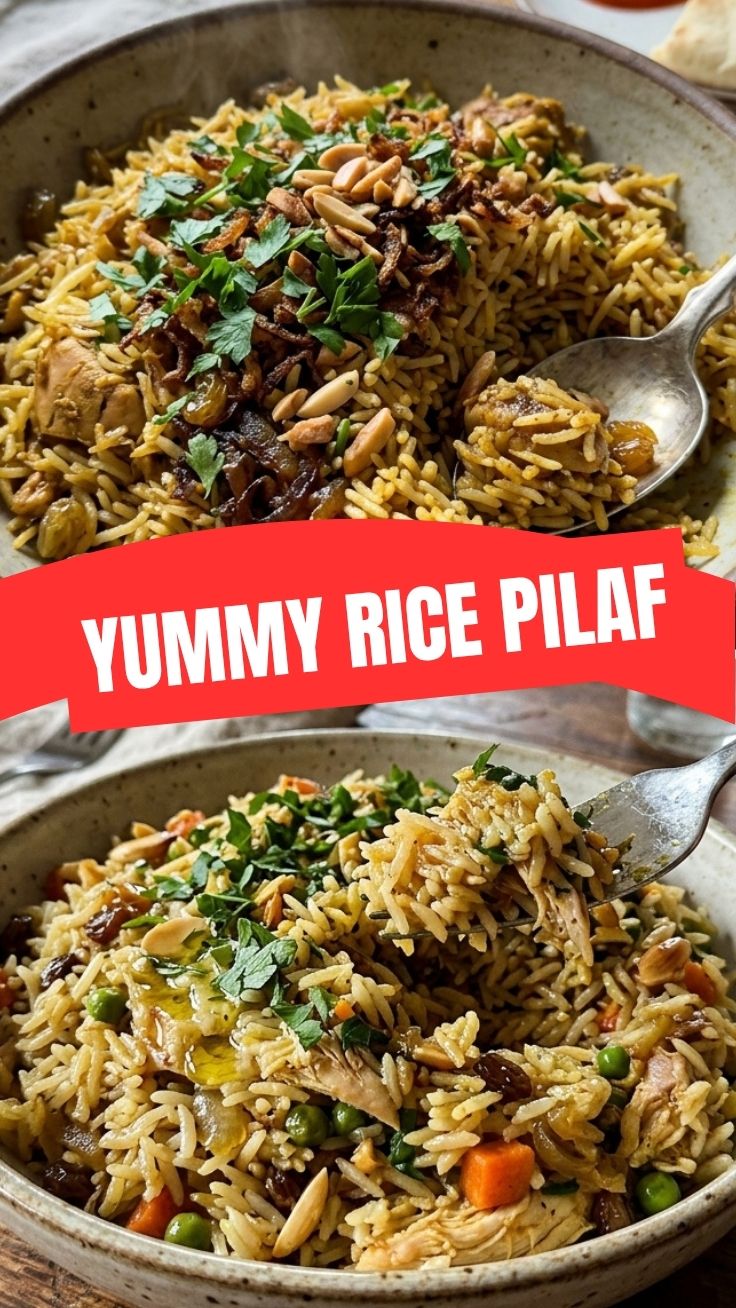
Visual Cue: As you prepare, imagine the fragrant steam rising from the pot—the nutty Basmati rice toasting in oil, the earthy cumin mingling with sweet carrot and bright pea. A perfectly cooked pilaf should be fluffy, each grain distinct, and the vegetables tender but not mushy.
—
Step-by-Step Instructions
Follow these precise steps to achieve a flawless Rice Pilaf every time.
Step 1: Sauté the Aromatics
Heat 2 tablespoons olive oil or butter in the saucepan over medium heat. Add the diced onion and cook, stirring occasionally, until softened and translucent (about 4–5 minutes). Stir in the minced garlic and cook for 30 seconds until fragrant.
Step 2: Toast the Rice
Add the rinsed and drained Basmati rice to the pot. Stir constantly with a wooden spoon for 2–3 minutes. The grains should become lightly toasted, emitting a nutty aroma. This step is crucial—toasting develops the rice’s flavor and prevents it from becoming sticky or mushy later.
Step 3: Add the Broth and Seasonings
Pour in the 2 cups of broth. Add the cumin, black pepper, salt (if needed), and the bay leaf. Stir once to combine. Bring the liquid to a boil over high heat, then immediately reduce the heat to low. Cover the pot with the tight-fitting lid.
Step 4: Simmer the Rice
Let the rice simmer undisturbed for 15–18 minutes. Do not lift the lid during this time—the steam trapped inside is essential for even cooking. After 15 minutes, check the liquid level: most should be absorbed, and the rice should appear fluffy but still slightly moist at the surface.
Step 5: Add the Vegetables
Gently stir in the diced carrot and thawed peas. Replace the lid and cook for another 5–7 minutes on low heat. The vegetables will steam and integrate without overcooking. The rice should now be fully tender and each grain separate.
Step 6: Rest and Fluff
Turn off the heat. Let the pot sit, covered, for 5 minutes—this resting period allows steam to redistribute and finishes the absorption. Finally, remove the lid, discard the bay leaf, and fluff the Rice Pilaf gently with a fork. Garnish with fresh herbs if desired.
Pro Tips: If the rice seems too dry at the end, sprinkle a tablespoon of warm broth or water over it and fluff again. If it’s too wet, leave the lid off for a few minutes to let excess steam escape. For extra richness, stir in a pat of butter at the fluffing stage.
—
Nutritional Benefits & Advantages
This Rice Pilaf is not just delicious—it’s a smart, wholesome choice for your table.
– Fiber & Veggies: The carrot and peas add dietary fiber, vitamins A and C, and antioxidants. This supports digestion and immune health.
– Lean Protein: Using low-sodium chicken or vegetable broth provides a small amount of protein without heavy fats.
– Low Calorie Density: A serving of pilaf (about 1 cup) contains roughly 200–250 calories, making it a lighter alternative to creamy or oily side dishes.
– Heart-Healthy: With olive oil instead of butter and minimal salt, this dish aligns with heart-healthy dietary patterns.
– Versatile Base: Pilaf pairs beautifully with grilled meats, roasted vegetables, or as a standalone vegetarian meal. It’s also easily adaptable—swap in brown rice, quinoa, or add legumes for extra protein.
—
Tips, Variations & Cooking Advice
Unlock the full potential of this Rice Pilaf with these creative twists.
– Flavor Variations: Replace cumin with coriander, turmeric, or smoked paprika. Add a pinch of saffron for golden color and luxury. Stir in raisins, dried apricots, or toasted nuts at the vegetable stage.
– Protein Additions: Brown cooked chicken, chickpeas, or tofu in before adding vegetables. For a seafood twist, flake in cooked salmon or shrimp at the end.
– Dietary Adaptations: For gluten-free, ensure broth is certified. For dairy-free, use olive oil. For low-FODMAP, omit onion and garlic; use garlic-infused oil and leek greens.
– Rice Alternatives: Brown rice, quinoa, or farro work well but require adjusted liquid and simmer times. For Basmati lovers, this recipe is the gold standard—its long grains stay separate and aromatic.
– Make It a Meal: Serve pilaf alongside lemon-herb chicken, roasted lamb, or grilled halloumi. It also works as a stuffing for bell peppers or cabbage rolls.
—
Common Mistakes to Avoid
Even experienced cooks can stumble. Here’s how to ensure consistent success.
| Mistake | Solution |
|———|———-|
| Skipping the rice toast | Toast for 2–3 minutes—this develops nutty flavor and prevents clumping. |
| Using too much liquid | Stick to the 2:1 broth-to-rice ratio. Excess liquid makes rice soggy. |
| Lifting the lid too early | Keep lid sealed during simmer—steam loss leads to undercooked grains. |
| Not resting the pilaf | Rest 5 minutes off heat after cooking—this allows final moisture absorption. |
| Overcooking vegetables | Add carrots and peas only in the last 5–7 minutes—they should be tender-crisp. |
| Stirring too vigorously | Use a gentle fork to fluff at the end; rough stirring breaks grains. |
—
Storage & Meal Prep Tips
This Rice Pilaf stores beautifully, making it ideal for batch cooking.
– Refrigeration: Cool completely, then transfer to an airtight container. Store for up to 4 days in the fridge.
– Freezing: Portion into freezer-safe bags or containers. Freeze for up to 3 months. Thaw overnight in the fridge before reheating.
– Reheating: Add a splash of broth or water, cover, and microwave in 30-second bursts or reheat gently on the stovetop. Fluff again before serving.
– Meal Prep: Cook a double batch on Sunday. Use as a quick side for weekday lunches or dinners. Pair with pre-cooked proteins (grilled chicken, roasted veggies) for complete meals.
—
Conclusion
Mastering Rice Pilaf transforms a humble grain into a flavorful, elegant side dish that enhances any meal. By toasting premium Basmati rice, layering aromatic spices, and integrating tender vegetables, you create a dish that’s both satisfying and versatile. Whether you serve it with roasted meats, as a vegetarian centerpiece, or as a make-ahead staple for busy weeks, this pilaf delivers consistent, delicious results. Try it once, and you’ll see why it deserves a permanent spot in your recipe rotation. Share your results, explore variations, and enjoy the process of crafting a truly homemade classic.
—
Frequently Asked Questions (FAQs)
Q1: Can I use brown rice instead of Basmati?
Yes, brown rice works but requires more liquid (2½ cups broth) and a longer simmer (40–45 minutes). The texture will be chewier and nuttier.
Q2: What broth works best?
Low-sodium chicken broth provides rich savory flavor. Vegetable broth keeps it vegetarian. Homemade broth offers the best control over salt and depth.
Q3: Can I add protein like chicken or chickpeas?
Absolutely. Brown cooked chicken or drained chickpeas in after the rice toasts, before adding broth. They will simmer alongside the rice and vegetables.
Q4: How do I prevent mushy rice?
Toast the rice first, use the correct 2:1 broth ratio, keep the lid sealed during simmer, and let the pilaf rest 5 minutes off heat before fluffing.
Q5: Can I make this ahead of time?
Yes. Cool completely, store in the fridge for up to 4 days, or freeze for 3 months. Reheat with a splash of broth and fluff before serving.
Proven way to grow perfect Rice Pilaf in 25 minutes
Ingredients
Equipment
Method
- Melt butter in a medium saucepan over medium heat; add rice and stir until coated and slightly transparent.
- Pour in broth and season with salt; bring to a boil, then reduce heat to low, cover, and simmer for 15 minutes.
- Remove from heat and let stand, covered, for 5 minutes; fluff with a fork before serving.