Why You’ll Never Buy Bottled Dressing Again After Making This Lemon Tahini Dressing at Home
Have you ever wondered why restaurant salads always taste so much more vibrant and satisfying than the ones you toss together at home? The secret isn’t the greens or the toppings—it’s almost always the dressing. A great dressing transforms simple ingredients into a crave-worthy meal, and none does it better than a creamy, tangy, nutty Lemon Tahini Dressing. Learning to prepare this versatile sauce at home is a game-changer because you control the quality, adjust the flavor to your exact preference, and skip the preservatives and stabilizers found in store-bought versions. This lemon tahini dressing pairs beautifully with grain bowls, roasted vegetables, or as a dip for crudités, and it shares the same bright, herbaceous DNA as a classic Mediterranean sauce that elevates everything it touches. Once you taste how fresh and balanced homemade dressing can be, you’ll never reach for a bottle again.
—
Ingredients & Kitchen Tools (H2)
For the Lemon Tahini Dressing
– Tahini (½ cup): Well-stirred, runny tahini is essential. If your jar is thick and separated, whisk it vigorously before measuring.
– Fresh lemon juice (¼ cup, about 2 lemons): Always use fresh—bottled juice lacks the bright, floral notes that make this dressing shine.
– Water (¼ cup, plus more to thin): Ice-cold water helps emulsify the tahini for a smoother texture.
– Extra-virgin olive oil (2 tablespoons): Adds richness and helps the dressing coat ingredients evenly.
– Garlic (1 small clove, grated or minced): A microplane works best to avoid biting into large chunks.
– Maple syrup or honey (1 tablespoon): Balances the bitterness of tahini and the acidity of lemon.
– Sea salt (½ teaspoon, or to taste): Flaky salt dissolves more easily than coarse kosher.
– Optional: Fresh herbs (2 tablespoons chopped parsley or dill): Adds a fresh, aromatic lift.
Kitchen Tools
– Mixing bowl (medium-sized): A wide bowl makes whisking easier.
– Whisk: For manual emulsification.
– Citrus juicer or reamer: Extracts maximum juice with minimal effort.
– Fine-mesh strainer: Only needed if you prefer an ultrasmooth dressing without garlic bits.
– Airtight jar or container: For storing the finished dressing.
—
Prep Time & Cooking Schedule (H2)
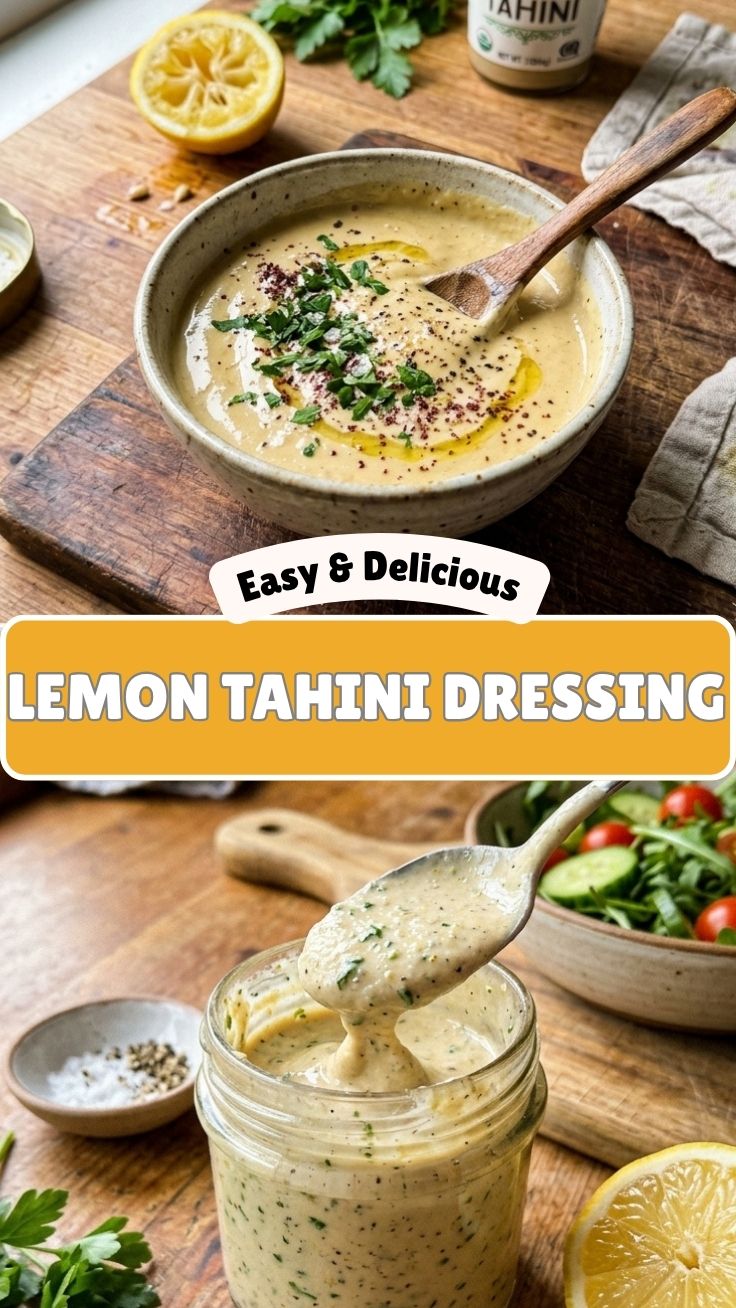
This dressing comes together in 10 minutes of active prep time with no cooking required. However, it benefits from a 15-minute resting period after mixing. Why rest? Tahini and lemon juice need a few minutes to fully meld, mellowing the raw garlic bite and allowing the flavors to round out. You can use it immediately, but letting it sit at room temperature while you prepare the rest of your meal yields a noticeably more harmonious result.
Plan to make this dressing at least 25 minutes before serving if you include the resting time, or up to 1 week ahead if refrigerating. The resting time also doubles as a chance to prep your salad ingredients, grains, or whatever dish you are pairing with this incredible Mediterranean sauce.
—
Step-by-Step Instructions (H2)
1. Whisk the tahini and lemon juice together: In a medium bowl, combine ½ cup well-stirred tahini and ¼ cup fresh lemon juice. Whisk vigorously for about 30 seconds. At first, the mixture will seize up and turn thick and pasty—this is completely normal and means your tahini is high quality. Keep whisking until it lightens slightly.
2. Add water and emulsify: Pour in ¼ cup ice-cold water and continue whisking. The dressing will loosen and become smooth and creamy. If it still looks too thick after 30 seconds, add another tablespoon of water. The desired consistency should be just thicker than heavy cream, as it will thin slightly when you add the remaining ingredients.
3. Incorporate oil, garlic, and sweetener: Drizzle in 2 tablespoons olive oil while whisking constantly. Add the grated garlic, 1 tablespoon maple syrup or honey, and ½ teaspoon sea salt. Whisk until the dressing is glossy and fully combined. Taste and adjust—you might want more salt, more lemon, or a touch more sweetness depending on your dish.
4. Rest and season: Let the dressing sit at room temperature for 15 minutes. After resting, taste again. The garlic will have mellowed, and the flavors will be more integrated. This is the best moment to make final adjustments. If the dressing thickened during resting, stir in a teaspoon of warm water to bring it back to your desired consistency.
5. Finish with herbs (optional): Stir in chopped parsley or dill right before serving. Adding herbs earlier can dull their color and vibrancy. This final touch reinforces the fresh, herbal notes that make this Lemon Tahini Dressing such a perfect companion to any Mediterranean sauce-inspired dish.
Pro tip: If you are meal-prepping for the week, leave out the herbs until serving. They stay fresh longer when added individually to each portion.
—
Nutritional Benefits & Advantages (H2)
This dressing is a nutritional powerhouse disguised as a condiment. Tahini, made from ground sesame seeds, is rich in healthy unsaturated fats, calcium, magnesium, and iron. The sesame seeds also contain sesamin and sesamolin, compounds with antioxidant and anti-inflammatory properties. Fresh lemon juice provides a generous dose of vitamin C, which boosts immune function and aids in iron absorption from the tahini. Olive oil adds heart-healthy monounsaturated fats and polyphenols. Unlike many commercial dressings that rely on soybean oil, sugar, and emulsifiers, this homemade version contains clean, whole-food ingredients with no additives.
Because it is naturally vegan, gluten-free, and dairy-free, this dressing fits into a wide range of dietary patterns. The maple syrup or honey contributes only a small amount of natural sugar per serving (roughly 2 grams per tablespoon of dressing), making it a better choice than sugary bottled alternatives. One tablespoon contains about 80 calories, mostly from beneficial fats that promote satiety and help your body absorb fat-soluble vitamins from your vegetables.
—
Tips Variations & Cooking Advice (H2)
– Flavor variation – roasted garlic: Roast a whole head of garlic at 400°F for 35 minutes, squeeze out the cloves, and mash them into the tahini base. Omit raw garlic for a mellow, buttery version.
– Herb swap: Replace parsley or dill with fresh mint, cilantro, or basil for a different regional twist. Mint pairs especially well with lamb or chickpea bowls.
– Citrus experiment: Substitute half the lemon juice with lime or orange juice for a sweeter, more tropical profile.
– Spicy kick: Whisk in ¼ teaspoon cayenne pepper, smoked paprika, or harissa paste for heat.
– Thicker dip: Reduce water to 3 tablespoons for a dipping sauce consistency perfect for roasted potatoes or falafel.
– Dairy-free: This recipe is already dairy-free, but if you want extra creaminess, stir in 1 tablespoon of unsweetened coconut cream.
– Low-fat option: Omit the olive oil and increase water by 2 tablespoons. The dressing will be lighter but still creamy from the tahini.
—
Common Mistakes to Avoid (H2)
– Using un-stirred tahini: Tahini naturally separates. If you scoop from the top without stirring, you will get mostly oil and not enough sesame solids, resulting in a thin, bitter dressing. Always stir the jar thoroughly before measuring.
– Skipping the resting time: Raw garlic and tahini need a few minutes to soften and combine. Using the dressing immediately often yields a harsh, bitter taste that mellows beautifully after a short rest.
– Adding all the water at once: Pour water gradually. Different tahini brands absorb liquid differently. Adding too much water too quickly can make the dressing soupy and difficult to stabilize.
– Overseasoning with salt early: Lemon juice and tahini both contain natural sodium. Add salt in small increments, taste, and adjust after the resting period.
– Storing in a metal container: Acidic lemon juice can react with metal, giving the dressing a metallic taste. Use glass or BPA-free plastic containers for storage.
—
Storage & Meal Prep Tips (H2)
Store this dressing in an airtight glass jar in the refrigerator for up to 7 days. The flavors will deepen over the first 24 hours, but the fresh herb notes will fade after day 3. If you plan to use the dressing over a full week, add fresh herbs only to each serving.
Thickening is normal after refrigeration. To restore the original consistency, let the dressing sit at room temperature for 10 minutes, then whisk in warm water one teaspoon at a time until it becomes pourable again. Avoid microwaving, as high heat can break the emulsion.
For meal prep, portion the dressing into small 2-ounce containers. This makes it easy to grab one for lunch and prevents cross-contamination. If freezing, note that the emulsion may separate slightly upon thawing. A vigorous shake or whisk will bring it back together, but the texture will be slightly grainier. Freezing is best reserved for dressings without fresh herbs.
—
Conclusion (H2)
Mastering this Lemon Tahini Dressing at home gives you a versatile, nutrient-dense condiment that rivals any restaurant version. By following the simple steps and tips outlined here, you will consistently create a smooth, balanced dressing that enhances everything from salads to grain bowls to roasted vegetables. It shares the same bright, herbaceous DNA as a classic Mediterranean sauce, making it a staple that can flex into countless meals throughout the week. The real magic lies in how such simple ingredients—tahini, lemon, garlic, and olive oil—can come together into something so much greater than the sum of their parts. I encourage you to make a batch this week, experiment with one of the variations, and see how it transforms your everyday cooking. When you taste the difference homemade makes, you will wonder why it took you so long to try.
—
FAQs (H2)
Can I substitute peanut butter or almond butter for tahini?
You can, but the flavor profile will shift dramatically. Peanut butter adds a distinctly roasted, sweet note that pairs better with Asian-style dressings. Almond butter works well and is still Mediterranean-friendly, but the result will be nuttier and less neutral than tahini.
Why did my dressing turn out bitter?
Bitterness usually comes from one of three sources: (1) using old or improperly stored tahini, (2) over-toasted sesame seeds in the tahini, or (3) squeezing lemon seeds into the juice. Taste your tahini alone before starting. If it is bitter, it will not improve with mixing. Use a fresher jar.
How can I thin my dressing without making it watery?
Instead of plain water, use the liquid from a can of chickpeas (aquafaba), unsweetened almond milk, or a splash of vegetable broth. These liquids add body and flavor while thinning the dressing.
Can I make this dressing oil-free?
Yes. Simply omit the olive oil and increase the water by 2 tablespoons. The tahini provides enough natural fat to keep the dressing creamy. You may need to add a small pinch more salt to compensate for lost flavor.
How long does this dressing stay fresh in the fridge?
Stored in an airtight glass jar, it stays fresh for up to 7 days. After day 5, check for any off smells or separation that does not reincorporate with whisking. If you used fresh garlic, the flavor will become stronger over time—consider adding garlic fresh to each serving if you are sensitive to raw garlic intensity.
Quick way to grow any salad with this 1 Lemon Tahini DressingLemon Tahini Dressing
Ingredients
Equipment
Method
- Combine all ingredients in a small bowl or jar.
- Whisk or shake until well combined and creamy.