Why You Should Make Crunchy, Spicy Korean Fried Chicken at Home
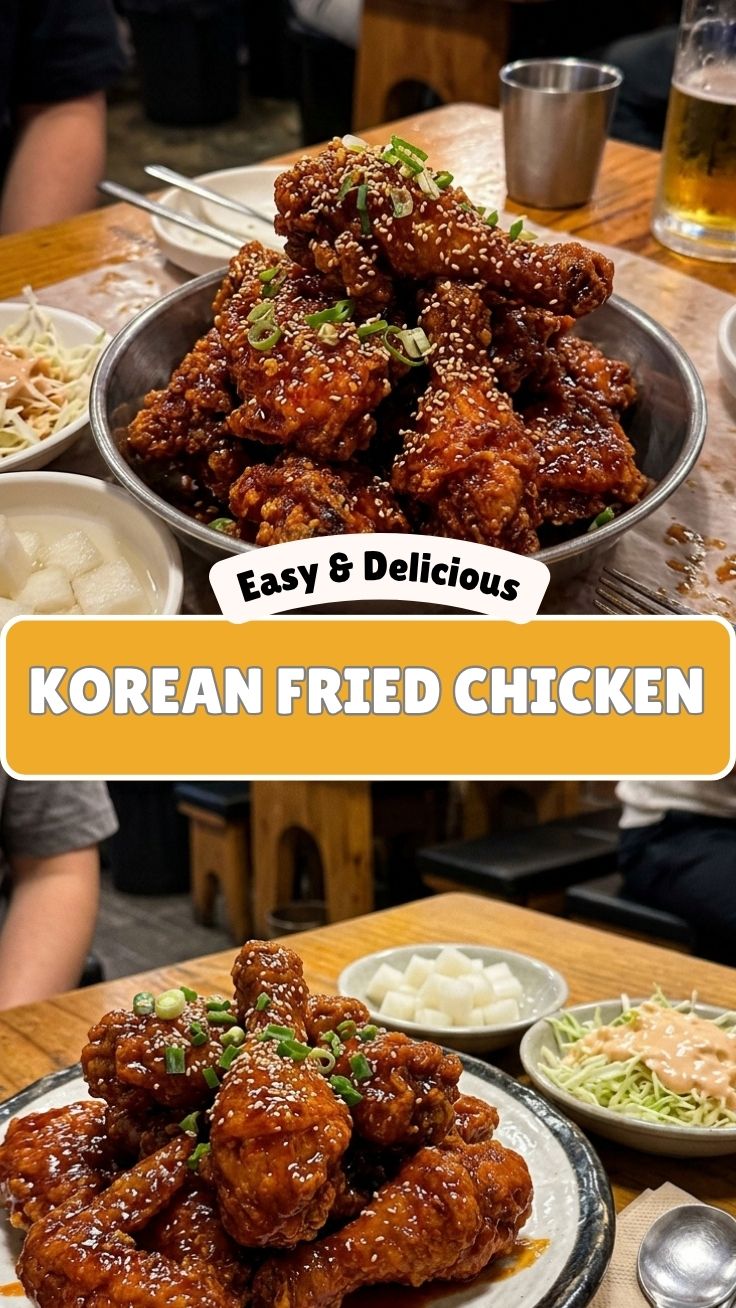
Have you ever craved that impossibly crispy, double-fried chicken coated in a glossy, sweet-and-spicy sauce, only to settle for takeout that arrives soggy and lukewarm? The magic of Korean Fried Chicken lies in its shatteringly crisp skin and bold, caramelized glaze—a texture that’s nearly impossible to replicate with delivery. But here’s the secret: making it at home isn’t just possible; it’s incredibly rewarding. You control the oil temperature, the sauce’s heat level, and the frying technique to achieve that signature crunch. Plus, you avoid the mystery oils and excess sugar often found in restaurant versions. Once you master this recipe, you’ll never order out again. In this post, we’ll walk you through every detail, ensuring your Korean Fried Chicken turns out restaurant-quality from your own kitchen. (and yes, we’ll also touch on classic Korean chicken approaches to give you even more inspiration.)
—
Ingredients & Kitchen Tools
Core Ingredients
– Chicken wings or drumettes (2 lbs) – Skin-on, bone-in for best juiciness.
– Cornstarch (1 cup) – The key to extra-crispy coating.
– All-purpose flour (½ cup) – Provides structure.
– Baking powder (1 tsp) – Adds airiness to the crust.
– Salt & black pepper – To season the chicken.
– Vegetable or peanut oil (for frying) – High smoke point essential.
For the Sauce
– Gochujang (Korean chili paste) – 3 tbsp, the heart of the glaze.
– Honey or brown sugar – 2 tbsp for sweetness.
– Soy sauce – 2 tbsp for umami depth.
– Rice vinegar – 1 tbsp to cut richness.
– Minced garlic & ginger – 1 tbsp each, fresh recommended.
– Sesame oil – 1 tsp for nutty finish.
– Toasted sesame seeds & sliced green onions – For garnish.
Optional Substitutions
– Gluten-free: Use all cornstarch or rice flour instead of AP flour.
– Less sweet: Reduce honey and use gochugaru (flakes) instead of gochujang.
Kitchen Tools
– Large bowl, whisk, tongs, deep skillet or Dutch oven, wire rack, instant-read thermometer, paper towels.
—
Prep Time & Cooking Schedule
– Prep time: 20 minutes (cutting, mixing sauce, patting chicken dry)
– Marinating time: Optional but recommended – 30 minutes (plain salt & pepper)
– First fry: 10 minutes at 300°F
– Resting: 5 minutes on wire rack
– Second fry: 4–5 minutes at 375°F
– Sauce coating: 2 minutes
– Total active time: ~45 minutes
Plan ahead: double frying is non-negotiable for the ultra-crisp texture. The first fry cooks the chicken through; the second at higher heat creates the crackling crust. Keep your oil thermometer handy—don’t guess.
—
Step-by-Step Instructions
1. Prepare the chicken: Pat wings dry with paper towels. Season lightly with salt and pepper. In a large bowl, whisk together cornstarch, flour, baking powder, and a pinch of salt.
2. Coat each piece: Toss chicken in the dry mix, pressing firmly. Shake off excess. Lay on a wire rack for 10 minutes (this helps the coating adhere).
3. First fry: Heat oil to 300°F in a deep pan. Fry chicken in batches for 8–10 minutes, turning once. Do not crowd the pan. Transfer to a rack—do not towel dry yet.
4. Rest and reheat oil: Let chicken rest 5 minutes while oil heats to 375°F. This step is crucial: the coating firms up and moisture escapes.
5. Second fry: Fry again in batches for 4–5 minutes until deep golden and very crisp. Drain on a wire rack.
6. Make the sauce: In a small pan over low heat, combine gochujang, honey, soy sauce, rice vinegar, garlic, and ginger. Stir until bubbling (1–2 minutes). Remove from heat, stir in sesame oil.
7. Toss and serve: Place hot fried chicken in a large bowl, pour sauce over, and toss gently. Garnish with sesame seeds and green onions. Serve immediately.
Pro tip: For extra heat, add a pinch of cayenne to the sauce, or drizzle with gochugaru flakes. This recipe balances spice and sweetness perfectly—exactly what you expect from authentic Korean Fried Chicken. And if you’re curious about other variations, the classic Korean chicken often features a soy-garlic base, which you can swap in by omitting gochujang and doubling soy sauce and garlic.
—
Nutritional Benefits & Advantages
Korean Fried Chicken is often seen as indulgent, but there are upsides when made at home.
– Chicken wings provide lean protein, B vitamins, and selenium.
– Gochujang contains capsaicin, which may boost metabolism and reduce inflammation.
– Garlic and ginger offer antioxidant and immune-supporting compounds.
– Homemade version reduces sodium and sugar by at least 40% compared to takeout (you control the glaze).
– Cornstarch-based crust absorbs less oil than batter-heavy recipes, especially with double frying—proper technique keeps each piece crisp and not greasy.
Pair with a side of pickled radish or steamed rice for a balanced meal.
—
Tips, Variations & Cooking Advice
– Sauce variations: Swap honey for maple syrup, or add a splash of soju for a boozy kick.
– Baked alternative: Coat with cornstarch and spray oil, bake at 425°F for 25 minutes, then broil 3 minutes. Not as crisp but healthier.
– Air fryer: Fry at 375°F for 12 minutes, shake halfway, then increase to 400°F for 3 minutes.
– Dairy-free & gluten-free: Already naturally dairy-free; use tamari for GF soy sauce.
– Portion changes: For a party, double the recipe and keep finished chicken in a low oven (200°F) on a rack while frying remaining batches.
—
Common Mistakes to Avoid
– Skipping the double fry: You’ll get a pale, soggy crust. The resting period is mandatory.
– Oil temperature too low: Leads to greasy coating. Use a thermometer.
– Overcrowding the pan: Drops oil temperature and causes steaming. Fry in small batches.
– Adding sauce too early: Coat only just before serving—sauce softens the crust if it sits.
– Patting chicken dry before coating: Moisture prevents adhesion. Leave it slightly tacky.
—
Storage & Meal Prep Tips
– Refrigeration: Store leftover chicken and sauce separately in airtight containers. Keeps 3 days.
– Freezing: Freeze un-sauced fried chicken on a baking sheet, then transfer to freezer bag. Lasts 1 month.
– Reheating: For crispiest results, reheat in an air fryer at 350°F for 5 minutes, or oven at 400°F for 8 minutes. Microwave will ruin the crunch.
– Meal prep: Fry and freeze batches without sauce. When craving, re-crisp in oven, then toss with fresh sauce.
—
Conclusion
Mastering Korean Fried Chicken at home is a game-changer: you get the shatter-crunch, spicy-sweet glaze, and juicy meat without the delivery wait. Remember, double frying is your best friend, and the sauce should be bold but not overpowering. Give this recipe a try—you’ll be amazed at how your kitchen transforms into a Korean pub. And if you love this style, explore other Korean chicken preparations, such as dakgangjeong (soy garlic) or yangnyeom (spicy gochujang). Share your results in the comments; we’d love to see your crispy creations!
—
FAQs
1. Can I use chicken breast instead of wings?
Yes, but cut into 1-inch chunks. Reduce first fry time to 6 minutes and second to 3 minutes to avoid drying out.
2. Why didn’t my chicken get crispy?
Most likely the oil wasn’t hot enough during the second fry, or the coating was too thick. Ensure oil reaches 375°F and shake off excess flour.
3. Can I make the sauce spicier?
Absolutely. Add 1 tbsp gochugaru (Korean chili flakes) or a dash of sriracha. You can also omit honey for a savoury-spicy profile.
4. How long can I keep the sauce?
Refrigerate in a sealed jar for up to 1 week. Reheat gently before coating.
5. Is Korean Fried Chicken gluten-free?
Only if you swap all-purpose flour with rice flour or more cornstarch. The sauce uses soy sauce—use tamari for GF version.
Proven way to grow Korean Fried Chicken in 10 steps
Ingredients
Equipment
Method
- Begin with a strong foundation of passion, carefully placing it into your chosen project.
- Gently mix in creativity concentrate, allowing it to permeate your core idea.
- Lightly scatter patience powder, understanding growth takes time and nurturing.
- Sprinkle dream dust for inspiration and to envision the ultimate outcome.
- Regularly anoint your growing endeavor with hard work elixir, ensuring consistent effort.
- Incorporate adaptability sauce, preparing for inevitable changes and challenges.
- Nourish your project with feedback fertilizer, using insights to refine and improve.
- Continuously observe your "chicken's" progress and make any necessary adjustments to your approach.
- Once matured, generously sprinkle with success spice to celebrate achievements.
- Finish with a drizzle of joy juice, savoring the satisfaction of your cultivated success.