The Ultimate Homemade Salsa Recipe with Fresh Tomatoes
Have you ever wondered why restaurant salsa tastes so much brighter and more satisfying than anything from a jar? The secret lies in using peak‑season ingredients and a simple technique that unlocks layers of flavor. There’s nothing quite like making your own Homemade Salsa using Fresh tomatoes. Not only do you control the heat, acidity, and texture, but you also avoid preservatives and added sugar. This recipe is designed to be foolproof, scalable, and endlessly adaptable—whether you want a chunky garden salsa or a smoky roasted version. Preparing it at home takes under 30 minutes and costs a fraction of store‑bought options. Let’s dive into the simple steps that will transform your taco night, burrito bowls, and even your morning eggs.
Ingredients & Kitchen Tools
Ingredients (makes about 3 cups)
– Fresh tomatoes – 1.5 lbs (about 4 medium). Use vine‑ripened for sweetness or Roma for thicker texture.
– White onion – ½ medium, finely diced (about ¾ cup). Red onion works too, for a milder bite.
– Jalapeño – 1–2 (seeded for less heat, leave seeds for more). Serrano peppers are a spicier alternative.
– Cilantro – ½ cup loosely packed, chopped. Flat‑leaf parsley can substitute if you dislike cilantro.
– Lime juice – 2–3 tablespoons (from 1–2 limes). Bottled lime juice is acceptable in a pinch.
– Garlic – 1–2 cloves, minced. Roasted garlic adds a sweeter, deeper flavor.
– Salt – ½ teaspoon, plus more to taste. Kosher or sea salt preferred.
– Optional – 1 tablespoon olive oil, ½ teaspoon cumin, 1 tablespoon honey or agave (for balanced sweetness), or ¼ cup chopped pineapple or mango for a tropical twist.
Kitchen Tools
– Cutting board & chef’s knife – essential for even dicing.
– Mixing bowl – medium size, preferably glass or ceramic.
– Food processor – optional but helpful for a smoother salsa; pulse rather than puree for chunky texture.
– Citrus juicer – or a fork and bowl for squeezing limes.
– Colander – if you choose to deseed tomatoes for a less watery salsa.
– Storage containers – airtight jars or bowls for refrigeration.
Prep Time & Cooking Schedule
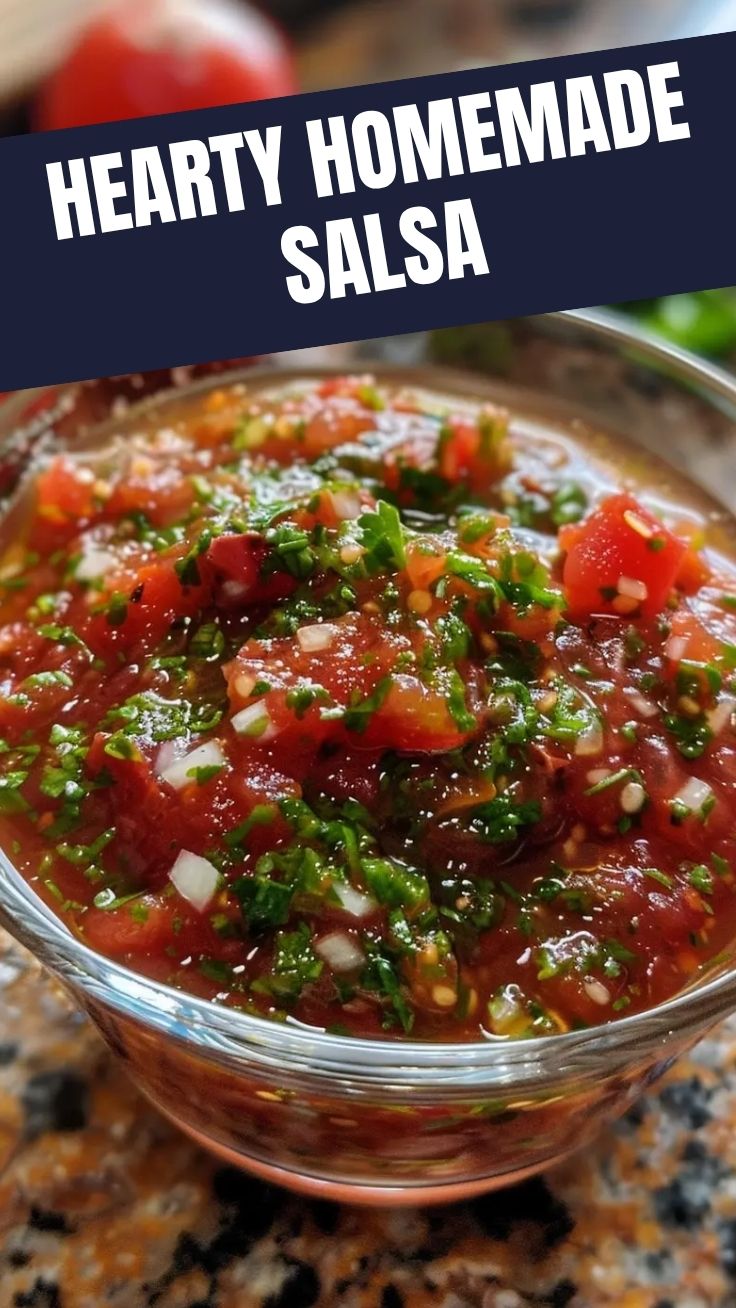
– Prep time: 15 minutes (washing, dicing, mincing)
– No cooking required – this is a fresh, raw salsa. If you prefer roasted salsa, add 10 minutes for broiling tomatoes and peppers.
– Resting time: 20 minutes to let flavors meld (optional but recommended). Refrigerating for at least 30 minutes improves the taste significantly.
– Total time (if resting included): about 45 minutes.
This timeline makes it ideal for meal prep: you can make the salsa while other dishes cook, then let it rest while you finish dinner. If you’re in a rush, you can serve it immediately—just know the flavors will be less integrated.
Step-by-Step Instructions
1. Prepare the produce – Wash all vegetables thoroughly. Core the fresh tomatoes and cut them in half horizontally. If you want a thicker, less watery salsa, gently squeeze out the seeds and jelly over a bowl (reserve the liquid for soups or sauces). Finely dice the tomatoes into ¼‑inch pieces. Dice the onion, mince the jalapeño (seeds optional), chop the cilantro, and mince the garlic.
2. Combine ingredients – In a mixing bowl, add the diced tomatoes, onion, jalapeño, cilantro, garlic, and lime juice. Stir gently to combine. Season with salt. At this point, taste a small amount. If the acidity feels sharp, add a pinch of sugar or honey. If it’s too mild, add more lime juice or a dash of cumin.
3. Adjust texture – For a chunky “pico de gallo” style, keep everything rustic. For a smoother salsa, transfer half the mixture to a food processor and pulse 3–4 times, then stir back into the chunky portion. This technique preserves texture while blending flavors—a trick used by professional chefs.
4. Rest and season – Let the salsa rest at room temperature for 20 minutes. This step is critical for allowing the salt to draw out juices and marry the flavors. After resting, taste again and adjust salt, lime, or heat. Remember that homemade salsa often tastes better the next day, so don’t oversalt now.
5. Serve or store – Spoon into a serving bowl. Garnish with extra cilantro and a squeeze of lime. This salsa pairs perfectly with tortilla chips, tacos, grilled meats, or as a topping for eggs.
Pro tips for temperature control: If using a food processor, do not overwork the mixture; pulse in short bursts to avoid a watery puree. For a smoky depth, broil the tomatoes and jalapeños on a sheet pan at 450°F for 5–7 minutes until charred, then let cool before dicing. This transforms the flavor profile while still keeping the salsa fresh.
Now that you’ve mastered the technique, you can confidently prepare a batch of homemade salsa every week, especially when fresh tomatoes are at their peak in summer.
Nutritional Benefits & Advantages
This salsa is naturally low in calories (about 25 per ¼ cup) and packed with vitamins. Fresh tomatoes provide lycopene, a powerful antioxidant linked to heart health, and vitamin C boosts immunity. Onions and garlic offer prebiotic fiber and anti‑inflammatory compounds. Lime juice adds a dose of vitamin C and aids iron absorption. Cilantro may help detoxify heavy metals. Because there’s no added oil or sugar (unless you choose to), this recipe fits most dietary patterns: vegan, gluten‑free, low‑carb, and Whole30‑friendly. The high water content also supports hydration. Making it at home ensures you avoid the excess sodium and preservatives found in many commercial salsas.
Tips, Variations & Cooking Advice
– Roasted version: Broil tomatoes, jalapeños, and half an onion until charred. Let cool, then peel and chop. This creates a deeper, sweeter flavor.
– Fruit additions: Diced mango, pineapple, or peach add sweetness and a tropical twist. Reduce the lime slightly to balance.
– Herb swaps: Replace cilantro with flat‑leaf parsley, basil, or mint for a different character.
– Heat control: Use habanero for serious spice (remove seeds and ribs), or omit peppers entirely for a mild family‑friendly salsa.
– Portion changes: Double the recipe for parties—the salsa keeps well. For a smaller batch, use 3–4 roma tomatoes and adjust other ingredients proportionally.
– Dietary adaptations: Naturally gluten‑free, dairy‑free, and vegan. For a lower‑sodium version, skip added salt and rely on lime and cumin.
– Alternative cooking methods: If you want a cooked salsa, simmer all ingredients (except lime and cilantro) in a saucepan for 10 minutes, then cool and add lime and cilantro. This yields a canned‑style salsa with longer shelf life.
Common Mistakes to Avoid
– Using bland, out‑of‑season tomatoes – Winter supermarket tomatoes lack flavor. If you can’t find good fresh tomatoes, supplement with a can of fire‑roasted diced tomatoes (drained). Alternatively, add a pinch of sugar and extra lime to brighten the taste.
– Overseasoning too early – Salt and lime intensify as the salsa sits. Start with less; you can always add more after resting.
– Skipping the rest time – Salsa straight from the bowl will taste flat. Even 15 minutes of rest allows the flavors to meld and the onions to mellow.
– Using a food processor too aggressively – Pureeing the salsa turns it into a watery mess. Pulse only a portion, or chop all ingredients by hand for the best texture.
– Not adjusting for acidity – If your tomatoes are very sweet or very tart, balance with extra lime (for sweet) or a pinch of sugar (for tart). Taste and tweak before serving.
Storage & Meal Prep Tips
Store leftover salsa in an airtight container in the refrigerator for up to 5 days. The flavors actually improve after 24 hours. Avoid leaving it at room temperature for more than 2 hours. For longer storage, freeze salsa in ice cube trays; once frozen, transfer cubes to a zip‑top bag and store for up to 3 months. Thaw in the refrigerator overnight. Note that freezing will soften the texture, so frozen salsa is best used in cooked dishes or as a sauce. To maintain fresh crunch, do not freeze this salsa. Reheat if desired (for a cooked style) but serve cold for the best raw experience. If the salsa becomes watery after a day, drain excess liquid before serving, or stir in a spoonful of crushed tortilla chips to absorb moisture.
Conclusion
Creating your own vibrant, flavorful salsa at home is one of the easiest ways to elevate everyday meals. By using peak‑season produce and balancing acidity, heat, and salt, you can achieve a restaurant‑quality condiment in minutes. This homemade salsa relies on fresh tomatoes for its bright foundation, but feel free to experiment with roasted ingredients, fruits, or herbs. The key is to trust your taste buds and adjust as you go. We encourage you to try this recipe tonight and share your results—tag a friend or comment below with your favorite variation. Once you taste the difference, you’ll never go back to the jarred stuff.
FAQs
1. Can I use canned tomatoes instead of fresh?
Yes. Drain a 14‑ounce can of fire‑roasted diced tomatoes to replace fresh tomatoes. The flavor will be different—more cooked and smoky—but still delicious. Reduce salt as canned tomatoes often contain added sodium.
2. How do I make my salsa less watery?
Deseed the fresh tomatoes before dicing, or scoop out the jelly with a spoon. Alternatively, after chopping, let the diced tomatoes drain in a colander for 10 minutes. Skip the resting step if you want to minimize liquid.
3. Can I make this salsa spicier without adding more heat?
Try adding a pinch of smoked paprika, chipotle powder, or a drop of liquid smoke. These ingredients add a slow, smoky burn without increasing capsaicin. You can also char the jalapeño under the broiler for a deeper, less sharp heat.
4. How long does homemade salsa last in the fridge?
Stored in a sealed container, it stays fresh for 4–5 days. The onion and cilantro may lose some crunch, but the flavor remains vibrant. If you see mold or off‑smell, discard immediately.
5. Can I can this salsa for long‑term preservation?
This fresh salsa is not suitable for water‑bath canning due to its low acid content (if you add extra low‑acid ingredients). For safe canning, follow a tested recipe that includes vinegar and boiling processing. Refrigerator storage is best.
Homemade Salsa
Ingredients
Equipment
Method
- Dice the ripe tomatoes, finely chop the red onion, and mince the seeded jalapeño.
- Chop the fresh cilantro and squeeze the fresh lime juice.
- Combine all diced and chopped ingredients in a large mixing bowl.
- Add the fresh lime juice, salt, and black pepper to the mixture.
- Stir everything together thoroughly and taste the salsa, adjusting seasonings as needed.