The Ultimate Chicken Tzatziki Rice Bowl: A Creamy, Satisfying One-Bowl Meal You’ll Crave
Have you ever craved a meal that’s both refreshingly cool and warmly satisfying, all in one bite? That’s the magic of a perfectly crafted Chicken Tzatziki Rice bowl. While takeout versions can be hit or miss, preparing this dish at home puts you in control of the fresh ingredients, bold flavors, and nutritional balance. You get to choose the quality of your protein, the tanginess of your sauce, and the fluffiness of your rice. The heart of this recipe is a vibrant, homemade Tzatziki Sauce—a cooling blend of cucumber, garlic, and herbs that brings everything together. If you’ve never made it from scratch, you’re in for a treat. This guide will walk you through every step, ensuring your bowl is restaurant-quality, budget-friendly, and packed with flavor. Let’s dive into why this Chicken Tzatziki Rice recipe deserves a permanent spot in your weekly rotation.
Ingredients & Kitchen Tools
For the Chicken & Rice Bowl
– Chicken breasts or thighs (1 lb) – Boneless, skinless cuts work best. Thighs stay juicier.
– Long-grain white rice (1 cup) – Basmati or jasmine for fragrant grains.
– Olive oil (3 tbsp) – Extra virgin for flavor.
– Lemon juice (2 tbsp) – Freshly squeezed for acidity.
– Garlic cloves (3, minced) – Fresh is non-negotiable for that punch.
– Dried oregano (1 tsp) – Adds Mediterranean warmth.
– Salt & black pepper – To taste.
– Cucumber (1 medium) – English cucumber preferred (fewer seeds).
– Fresh dill (2 tbsp, chopped) – Or mint for a twist.
– High-quality Greek Yogurt (1 cup) – Full-fat for richness, 2% works too.
Kitchen Tools
– Large skillet or grill pan
– Medium saucepan with lid (for rice)
– Mixing bowls (small and large)
– Box grater or food processor (for cucumber)
– Colander (for draining cucumber)
– Sharp knife and cutting board
– Measuring cups and spoons
Optional Substitutions
– Rice: Swap for quinoa, cauliflower rice, or couscous.
– Chicken: Try grilled shrimp, lamb skewers, or tofu.
– Dairy-free tzatziki: Use vegan coconut yogurt + a squeeze of lemon.
Prep Time & Cooking Schedule
Managing your time is key to a stress-free meal. Here’s your game plan:
– Prep Time: 15 minutes (chop, grate, marinate)
– Cook Time: 25 minutes (chicken + rice)
– Resting Time: 10 minutes (for chicken to rest after cooking)
– Chilling Time (optional for sauce): 30 minutes (best for flavor, but optional)
Schedule Tip: Start by salting the cucumber for the tzatziki. While it drains, marinate the chicken. Then cook the rice (it takes about 15 minutes). By the time the rice is done, your chicken will be ready to sear. This parallel workflow cuts total active time to under 30 minutes.
Step-by-Step Instructions
Step 1: Prep the Tzatziki Base
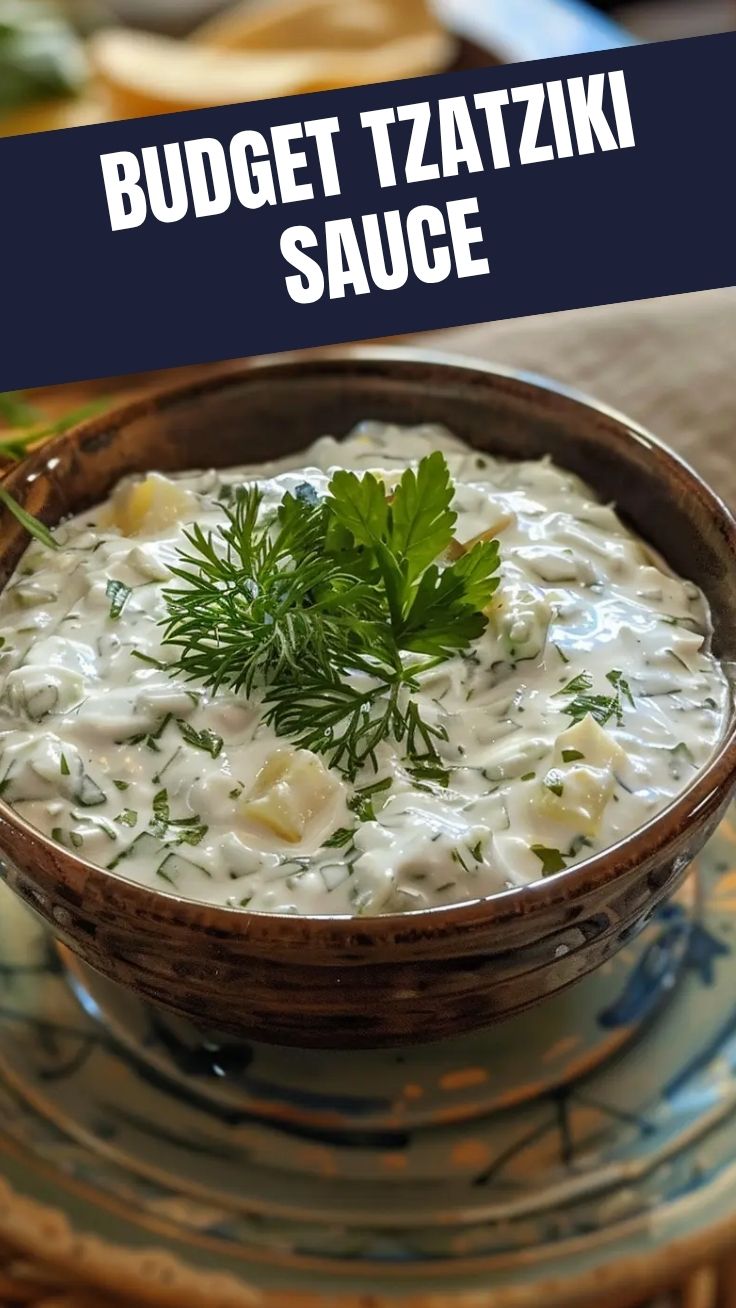
Grate 1/2 cucumber using a box grater. Place the shreds in a clean kitchen towel or cheesecloth and squeeze out as much liquid as possible. This step is crucial to prevent a watery sauce. In a small bowl, combine the squeezed cucumber, 1 cup Greek Yogurt, 2 minced garlic cloves, 1 tbsp lemon juice, 1 tbsp olive oil, 1 tbsp chopped fresh dill, and a pinch of salt. Stir until smooth. Cover and refrigerate while you work on the chicken. This resting time allows the flavors to meld beautifully into a classic Tzatziki Sauce.
Step 2: Marinate & Cook the Chicken
In a separate bowl, mix 2 tbsp olive oil, 1 tbsp lemon juice, 2 minced garlic cloves, 1 tsp dried oregano, 1/2 tsp salt, and 1/4 tsp black pepper. Add 1 lb chicken and coat well. Let it sit for at least 10 minutes (or up to 2 hours in the fridge). Heat a large skillet over medium-high heat. Cook the chicken for 5–6 minutes per side until golden brown and the internal temperature reaches 165°F. Transfer to a cutting board, let rest for 5–10 minutes, then slice against the grain.
Step 3: Cook the Rice
While the chicken rests, rinse 1 cup rice under cold water until the water runs clear. In a saucepan, bring 1.5 cups water to a boil. Add the rice and a pinch of salt. Reduce heat to low, cover, and simmer for 15 minutes. Remove from heat and let it sit, covered, for 5 minutes. Fluff with a fork. For extra flavor, stir in 1 tbsp chopped dill and a squeeze of lemon.
Step 4: Assemble Your Bowl
Divide the rice between two bowls. Top with sliced chicken, a generous dollop of your prepared Tzatziki Sauce, and additional fresh dill. Garnish with halved cherry tomatoes, sliced red onion, or kalamata olives for extra color and tang.
Nutritional Benefits & Advantages
This Chicken Tzatziki Rice bowl is not just delicious—it’s a nutritional powerhouse. Chicken provides lean protein (about 35g per serving) to support muscle repair and satiety. The Greek Yogurt in the tzatziki is rich in probiotics, which promote gut health, and calcium for strong bones. Cucumber adds hydration and vitamin K, while garlic and oregano offer anti-inflammatory properties. Compared to a heavy cream-based sauce, tzatziki is significantly lower in calories and saturated fat. This meal is well-balanced with protein, healthy fats from olive oil, and complex carbohydrates from rice, making it an excellent post-workout recovery dish or a satisfying lunch that keeps you full for hours.
Tips Variations & Cooking Advice
Flavor Twists:
– Herb swap: Replace dill with fresh mint or basil for a different profile.
– Spicy kick: Add 1/2 tsp red pepper flakes to the chicken marinade.
– Smoky depth: Grill the chicken over charcoal instead of pan-searing.
Dietary Adaptations:
– Gluten-free: This recipe is naturally gluten-free—just check your chicken seasoning.
– Dairy-free: Use a thick coconut yogurt for the tzatziki, and add a splash of apple cider vinegar for tang.
– Low-carb: Serve over cauliflower rice or a bed of mixed greens.
Cooking Advice: For perfectly cooked chicken, use a meat thermometer. Let the cucumber drain thoroughly—this is the number one secret to a non-runny tzatziki. If you’re short on time, skip the sauce resting step and serve immediately; it will still taste great.
Common Mistakes to Avoid
– Skipping the cucumber draining: This leads to watery tzatziki that thins out your entire bowl. Always salt and squeeze.
– Overcooking the chicken: Dry chicken ruins the dish. Use a thermometer and remove it from the heat at 160°F (carryover cooking will bring it to 165°F).
– Using pre-shredded garlic: It lacks the punch of fresh cloves. Mince it yourself for the best aroma.
– Not resting the chicken: Cutting into hot chicken causes juices to run out. Patience pays off with juicy slices.
– Overcooking the rice: Mushy rice destroys the texture contrast. Follow the absorption method and never lift the lid during simmering.
Storage & Meal Prep Tips
– Refrigeration: Store chicken, rice, and tzatziki in separate airtight containers. The components stay fresh for up to 4 days.
– Freezing: Chicken and rice freeze well for up to 2 months. Do not freeze the tzatziki—the yogurt and cucumber will separate and become grainy when thawed.
– Reheating: Reheat chicken and rice separately. For chicken, warm in a skillet over medium heat with a splash of water to rehydrate. For rice, sprinkle with a little water and microwave covered for 1–2 minutes. Always add fresh tzatziki after reheating to maintain its creamy texture.
– Meal prep hack: Make a double batch of tzatziki for salads, wraps, or veggie dip throughout the week.
Conclusion
Creating a restaurant-quality Chicken Tzatziki Rice bowl at home is simpler than you think, and the payoff is immense. By taking control of your ingredients, you ensure maximum freshness and flavor without the additives found in many takeout versions. The creamy tang of your homemade Tzatziki Sauce, paired with juicy herbed chicken and fluffy rice, creates a balanced, satisfying meal that’s both comforting and nutritious. I encourage you to try this recipe this week—experiment with the variations, serve it to family, and share your results. Once you taste the difference of homemade Greek Yogurt-based sauce, you’ll never go back to the store-bought stuff. Happy cooking!
FAQs
1. Can I use Greek yogurt substitutes for tzatziki?
Yes. A thick plant-based yogurt works, but look for one with a strained texture (like coconut yogurt). Add a squeeze of lemon to mimic the tang. Avoid watery yogurts or they’ll thin the sauce.
2. How do I keep the tzatziki from becoming watery overnight?
Always drain the grated cucumber thoroughly before mixing. Store the sauce in a colander lined with paper towels inside a bowl to catch excess liquid, and stir before serving.
3. What’s the best rice for this recipe?
Basmati or jasmine rice offers a light, fluffy texture that absorbs the flavors without becoming mushy. Brown rice works but requires a longer cooking time (about 40 minutes).
4. Can I make this dish ahead for meal prep?
Absolutely. Cook the chicken and rice separately, and prepare the tzatziki. Assemble bowls only when ready to eat to prevent the rice from soaking up the sauce and becoming soggy.
5. Why is my chicken dry?
Likely overcooked. Use a meat thermometer to ensure you remove it from heat at 160°F. Resting the chicken for 10 minutes before slicing helps redistribute the juices. Marinating for at least 30 minutes also adds moisture.
How to grow your best Tzatziki Sauce in 7 simple steps Tzatziki Sauce
Ingredients
Equipment
Method
- Grate the cucumber and squeeze out the excess water using a clean kitchen towel or paper towels.
- In a medium bowl, combine the grated cucumber, Greek yogurt, minced garlic, fresh dill, lemon juice, olive oil, salt, and black pepper.
- Stir all the ingredients together until well combined.
- Taste the tzatziki sauce and adjust seasoning as needed, adding more salt, pepper, or lemon juice to your preference.
- Cover the bowl and refrigerate the tzatziki sauce for at least 30 minutes to allow the flavors to meld.
- Before serving, give the sauce another good stir.
- Serve chilled with pita bread, grilled meats, or as a dip with fresh vegetables.