Why Homemade Pico de Gallo Beats Store-Bought Every Time
Have you ever wondered why the Pico de Gallo at your favorite Mexican restaurant tastes so much fresher and brighter than anything you can buy pre-made? The secret lies in the perfect balance of ripe tomatoes, crisp onions, and fresh herbs—a harmony that only comes from making it yourself. Preparing Pico de Gallo at home is not only incredibly easy but also gives you complete control over ingredient quality, texture, and flavor. Whether you’re hosting a taco night or simply craving a zesty snack, this classic Mexican salsa fresca transforms any dish into a vibrant experience. Plus, homemade versions are free from preservatives and excess sodium found in many commercial options, making them a healthier choice for your whole family.
Ingredients & Kitchen Tools
Fresh Ingredients (Yield: Approximately 2 cups)
– 5 medium Roma tomatoes – Diced; choose firm, ripe ones for best texture
– ½ medium white onion – Finely chopped; red onion works as a mild substitute
– 2 serrano or jalapeño peppers – Minced; remove seeds for less heat
– ½ cup fresh cilantro – Chopped; flat-leaf parsley works if cilantro isn’t your favorite
– 1 large lime – Juiced; provides acidity that balances flavors
– 1 clove garlic – Minced (optional, but adds depth)
– ½ teaspoon salt – Adjust to taste; sea salt preferred
– ¼ teaspoon black pepper – Freshly ground for best aroma
Essential Kitchen Tools
– Sharp chef‘s knife and cutting board
– Medium mixing bowl (glass or stainless steel)
– Fine-mesh strainer (to drain excess tomato juice)
– Citrus juicer or reamer
– Measuring spoons
Optional Substitutions
– Tomatoes: Cherry tomatoes, halved, for a different texture
– Onion: Shallots or green onions for milder bite
– Chili: Habanero for extra heat; bell pepper for zero heat
– Herbs: Basil or mint for a unique twist
– Acid: White wine vinegar instead of lime (use 1 tablespoon)
Prep Time & Cooking Schedule
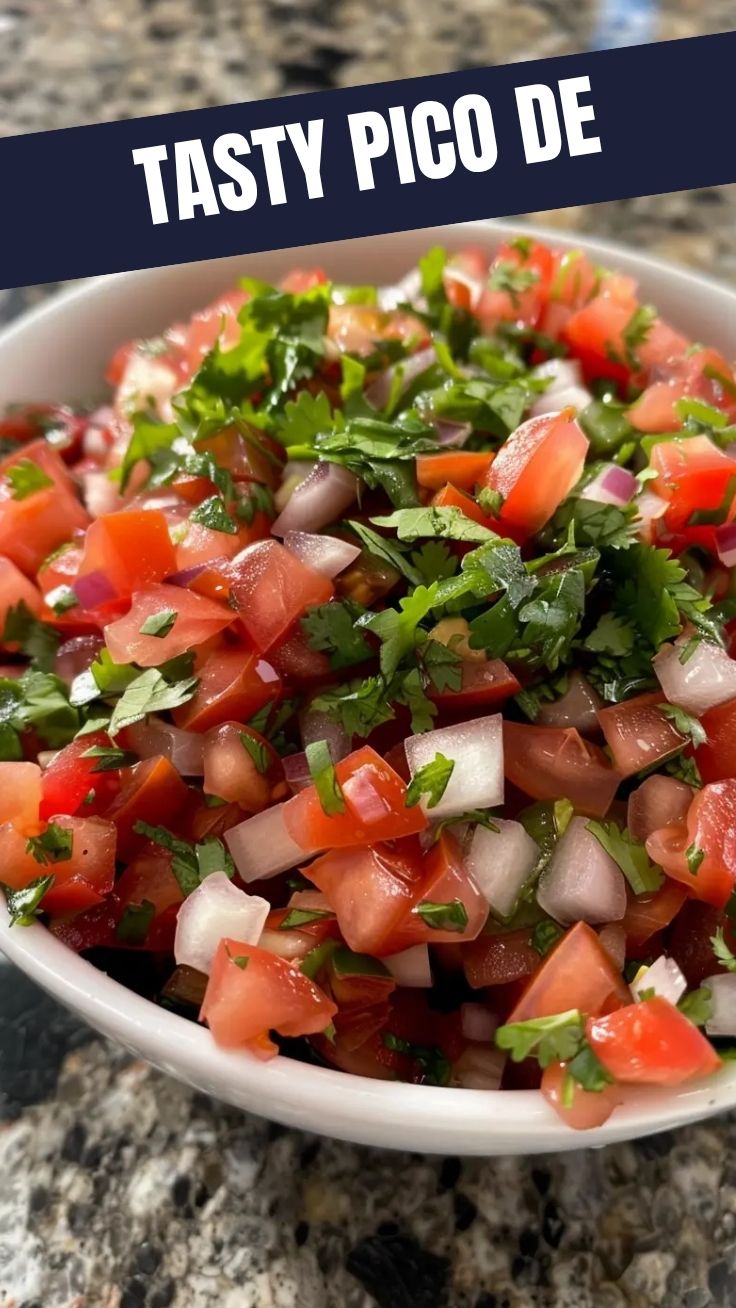
This recipe requires minimal active time but benefits from a short resting period to allow flavors to meld. Here‘s your timeline:
| Stage | Time | Notes |
|——-|——|——-|
| Prep (chopping & mixing) | 15 minutes | Includes washing, dicing, and stirring |
| Resting (optional but recommended) | 15–30 minutes | Let flavors marry at room temperature |
| Total from start to table | 30–45 minutes | Perfect for last-minute taco toppings |
Pro Tip: While the Pico de Gallo rests, prepare your serving vessel—a chilled glass bowl keeps everything crisp. This salsa fresca tastes best within 2 hours of making but can be refrigerated for up to 2 days.
Step-by-Step Instructions
1. Prepare the tomatoes: Wash and core Roma tomatoes. Cut them in half lengthwise, remove the gel and seeds using a spoon (this prevents watery salsa), then dice into ¼-inch cubes. Place in a colander set over a bowl and sprinkle with a pinch of salt. Let drain while you prep other ingredients—this step is crucial for texture.
2. Chop the aromatics: Finely dice the onion, mince the chili peppers (remove seeds for milder heat), and roughly chop the cilantro. Mince the garlic if using.
3. Combine and season: Transfer drained tomatoes to your mixing bowl. Add onion, peppers, cilantro, and garlic. Squeeze lime juice evenly over the mixture. Add salt and pepper. Gently fold with a spatula to avoid crushing the tomatoes.
4. Taste and adjust: Sample a small spoonful. For a more classic Pico de Gallo, you might need extra lime or salt. For a richer salsa fresca, add another pinch of cumin or a dash of hot sauce. The acidity from lime should brighten the flavors without overwhelming.
5. Rest and serve: Allow the salsa to sit at room temperature for 15 minutes. Stir once more before serving. Use immediately or refrigerate. Serve with tortilla chips, over tacos, grilled meats, or eggs.
Texture cues: The tomatoes should remain distinct cubes, not mushy. If they release liquid during resting, drain slightly before serving. Adjust chili quantity based on your heat preference—serranos offer a clean, vegetal heat.
Nutritional Benefits & Advantages
This Pico de Gallo is naturally low in calories (about 15 calories per ¼-cup serving) and packed with nutrients. Key health highlights:
– Lycopene from tomatoes: A powerful antioxidant linked to reduced risk of chronic diseases; absorption improves when tomatoes are chopped and combined with healthy fats
– Vitamin C from lime and peppers: Boosts immune function and collagen production
– Quercetin from onions: Anti-inflammatory compound that supports heart health
– Capsaicin from chili peppers: May boost metabolism and reduce appetite
– Hydration factor: High water content from fresh vegetables makes this a hydrating snack
– Dietary versatility: Naturally gluten-free, vegan, dairy-free, and low-carb (keto-friendly with 2g net carbs per serving)
Salsa fresca also encourages vegetable consumption—each serving provides ½ cup of your daily vegetable intake. Unlike processed salsas, homemade versions contain no added sugars, preservatives, or artificial flavors.
Tips Variations & Cooking Advice
Flavor Variations
– Roasted Pico: Broil tomatoes, onion, and peppers for 5–7 minutes before dicing for a smoky depth
– Fruit-infused: Add ½ cup diced mango, pineapple, or peach for sweetness (see our mango salsa variation)
– Herb-forward: Replace half the cilantro with fresh oregano or mint
– Spicy boost: Add a teaspoon of adobo sauce from chipotle peppers
Dietary Adaptations
– Low-sodium: Omit salt and use lime juice generously; add celery seed for savory notes
– Low-FODMAP: Use scallion greens instead of onion, replace garlic with garlic-infused oil
– Nightshade-free: Substitute tomatillos (husked and diced) for tomatoes
Cooking Advice
– Temperature control: Serve slightly chilled but not ice-cold; extreme cold dulls flavors
– Batch cooking: Double the recipe for parties but add lime juice just before serving to maintain freshness
– Knife skills: Uniform dice (¼-inch) ensures even flavor distribution and better texture
Common Mistakes to Avoid
1. Using mealy or underripe tomatoes: Roma or vine-ripened tomatoes provide the best balance of flesh and juice. Avoid overly soft or mushy specimens.
2. Over-chopping: Dicing too finely releases excess moisture and creates a paste-like texture. Aim for clear, distinct pieces.
3. Skipping the draining step: Wet tomatoes dilute the seasoning and create a watery salsa fresca. Always drain seeded tomatoes.
4. Adding lime juice too early: If preparing ahead, add lime juice just before serving—acidity breaks down tomato cell walls over time, leading to mushiness.
5. Ignoring resting time: Serving immediately results in harsh, unmixed flavors. Resting allows onion and chili to soften slightly and meld with other ingredients.
6. Storing with seeds: Leaving seeds in the bowl causes bitterness as they sit; always drain seeded tomatoes.
Storage & Meal Prep Tips
Refrigeration: Store in an airtight container for up to 2 days. The flavor intensifies overnight, but tomatoes soften. For best texture, serve within 12 hours.
Freezing: Not recommended—thawed Pico de Gallo becomes watery and mushy due to high water content in tomatoes and peppers.
Reheating: Serve cold or at room temperature. Never microwave, as heat destroys the fresh, crisp texture characteristic of salsa fresca.
Meal prep strategy: Prep ingredients separately—dice tomatoes (store with paper towel), chop onions and peppers, and store lime juice in separate containers. Combine just before serving for maximum freshness. This method extends shelf life to 3–4 days.
Reviving day-old salsa: If it appears watery, drain excess liquid, add a splash of fresh lime juice, and a pinch of salt to brighten flavors.
Conclusion
Making Pico de Gallo at home unlocks a world of fresh, vibrant flavor that commercial versions simply cannot match. With just 15 minutes of active prep, you can create a versatile salsa fresca that elevates tacos, eggs, grilled fish, or simply tortilla chips into something memorable. The key takeaways are simple: choose ripe tomatoes, drain them properly, balance acidity with salt, and allow time for flavors to meld. Whether you stick with the classic recipe or experiment with roasted or fruit-infused variations, homemade salsa is a game-changer for your kitchen.
We encourage you to try this recipe this week and share your results! Tag us in your creations or explore our nacho recipe for the perfect pairing. What’s your favorite way to use fresh salsa? Let us know in the comments below.
FAQs
Can I use canned tomatoes for Pico de Gallo?
Canned tomatoes lack the firm texture required for authentic Pico de Gallo. They’re excellent for cooked salsas but not for fresh salsa fresca. Always use fresh Roma or vine-ripened tomatoes for best results.
How do I make my Pico de Gallo less watery?
Drain diced tomatoes in a colander after removing seeds. Sprinkle with salt and let sit 5–10 minutes before combining. You can also pat dry with paper towels if time is short.
What if my salsa is too spicy?
Balance heat with extra diced tomato or a pinch of sugar and more lime juice. Adding diced cucumber also helps dilute spice while adding freshness. For future batches, remove chili seeds and membranes.
Can I add beans or corn to this recipe?
Absolutely—black beans, corn, or diced avocado make excellent additions. Add corn fresh or grilled for sweetness, and incorporate beans just before serving to avoid mushiness.
How long does homemade Pico de Gallo last in the fridge?
Stored in an airtight container, it stays fresh for 1–2 days. After 24 hours, tomatoes soften and release liquid. For best flavor and texture, consume within 12 hours of preparation.
Quick way to grow 7 Pico de Gallo recipesPico de Gallo
Ingredients
Equipment
Method
- Combine all ingredients for the basic Pico de Gallo in a medium bowl and mix well.
- Taste and adjust seasonings as needed, then serve immediately or chill for later use.
- For variations, add ingredients like corn for a sweet and crunchy twist, or avocado for a creamy texture.
- Explore other additions such as mango for a tropical flavor, black beans for heartiness, or cucumber for a refreshing crunch.
- Consider adding grilled pineapple for a smoky sweetness, or bell peppers for extra color and mild flavor.
- Mix and match your favorite ingredients to create your own unique Pico de Gallo variations.