The Ultimate Guide to Perfectly Soft Peanut Butter Cookies (Every Single Time)
Have you ever bitten into a cookie expecting that perfect balance of crispy edges and a soft, chewy center, only to be met with a dry, crumbly disappointment? If you’ve ever wondered why bakery-style Peanut Butter Cookies always taste better than homemade, the answer often lies in a few simple techniques that are easy to miss. Preparing these classic treats at home isn’t just about convenience—it’s about controlling quality, customizing flavors, and mastering a staple dessert that brings comfort to any kitchen. With an Easy Peanut Butter Cookie Recipe, you can skip the preservatives and enjoy a fresh, warm batch made exactly to your liking. Whether you’re a seasoned baker or a complete beginner, this guide will help you achieve bakery-quality results every time.
Ingredients & Kitchen Tools
Before you start, gather everything you need. Preparation prevents mistakes and makes the process smoother.
Ingredients:
– 1 cup unsalted butter, softened – Salted butter works too, but reduce added salt by ¼ teaspoon.
– 1 cup creamy peanut butter – Avoid natural-style peanut butter that separates; it alters texture.
– 1 cup granulated sugar – Provides sweetness and structure.
– 1 cup packed brown sugar – Adds moisture and a deeper flavor.
– 2 large eggs, room temperature – Room temperature eggs blend more evenly.
– 1 teaspoon vanilla extract – Pure extract enhances flavor better than imitation.
– 2 ½ cups all-purpose flour – Spoon and level for accurate measuring.
– 1 teaspoon baking soda – Helps cookies spread and rise properly.
– ½ teaspoon salt – Balances sweetness.
– Optional: 1 cup chocolate chips or chopped nuts – For variation.
Kitchen Tools:
– Stand mixer or hand mixer with paddle attachment
– Large mixing bowl
– Measuring cups and spoons
– Baking sheets (preferably light-colored for even browning)
– Parchment paper or silicone baking mats
– Wire cooling rack
– Cookie scoop (about 1.5 tablespoons)
Prep Time & Cooking Schedule
Planning ahead ensures you’re not rushing.
– Prep Time: 15 minutes
– Chill Time: 30 minutes (minimum) – Chilling prevents excessive spreading.
– Cook Time: 10–12 minutes per batch
– Cooling Time: 10 minutes on the baking sheet, then transfer to a wire rack
Why the schedule matters: The 30-minute chill is non-negotiable. It solidifies the butter, which means your cookies stay thick and chewy instead of flattening into thin discs. Plan to bake in batches if your oven fits only one sheet at a time.
Step-by-Step Instructions
Follow these steps closely, and you’ll have perfectly textured Peanut Butter Cookies every time.
1. Preheat your oven to 350°F (175°C). Line two baking sheets with parchment paper.
2. Cream the butter and sugars. In a large bowl, beat the softened butter, granulated sugar, and brown sugar together on medium speed until light and fluffy, about 2–3 minutes. Scrape the bowl halfway.
3. Add peanut butter. Mix in the creamy peanut butter until fully incorporated. The mixture should look cohesive and glossy.
4. Add eggs and vanilla. Beat in the eggs one at a time, then stir in the vanilla extract. Make sure each egg is fully mixed before adding the next.
5. Combine dry ingredients. In a separate bowl, whisk together the flour, baking soda, and salt. Gradually add this to the wet mixture, mixing on low speed until just combined. Overmixing develops too much gluten and leads to tough cookies.
6. Chill the dough. Cover the bowl with plastic wrap and refrigerate for at least 30 minutes. This step is crucial for achieving the classic crisscross pattern.
7. Shape the cookies. Use a cookie scoop to portion dough into 1.5-tablespoon balls. Place them 2 inches apart on the prepared sheets.
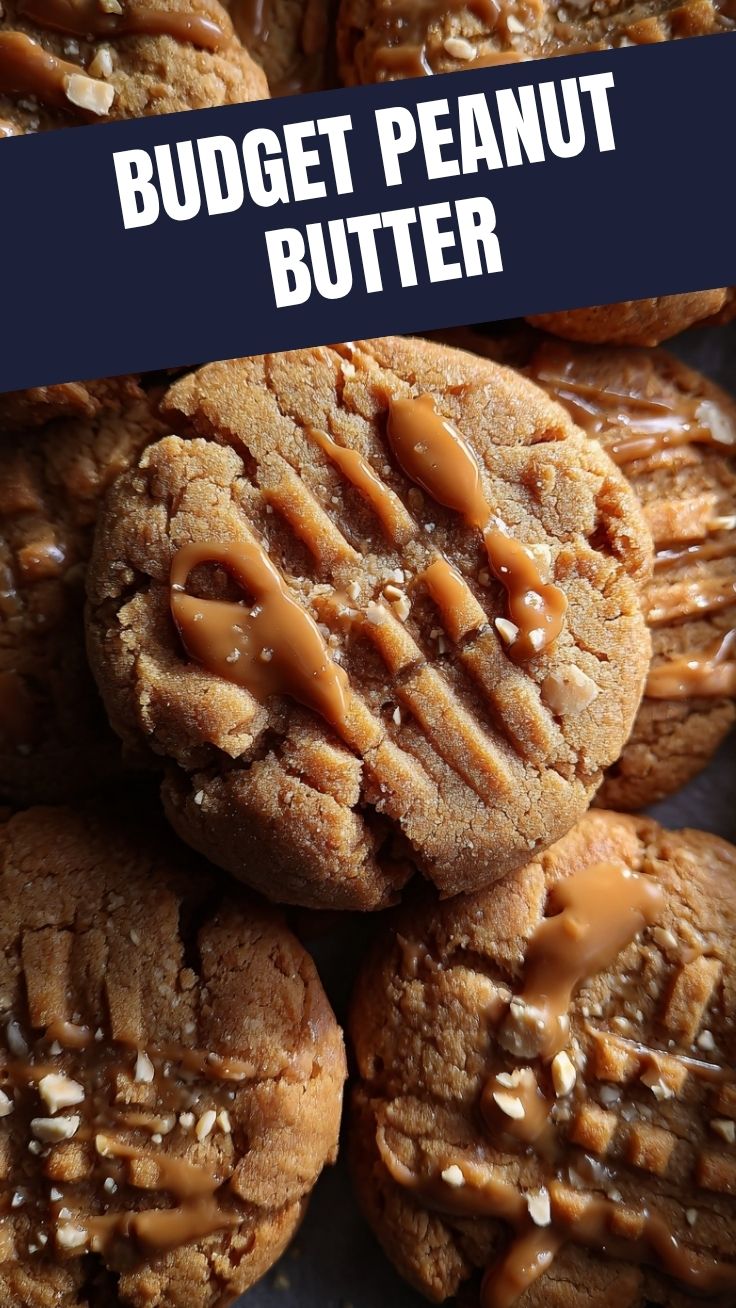
8. Create the crisscross pattern. Use a fork dipped in granulated sugar to flatten each ball slightly, pressing in one direction, then the other. This helps the cookies bake evenly and gives them that iconic look.
9. Bake. Bake for 10–12 minutes. The edges should be lightly golden, while the centers look slightly underdone. They will continue to set on the hot baking sheet.
10. Cool properly. Let the cookies rest on the baking sheet for 10 minutes, then transfer to a wire rack to cool completely.
Temperature cue: If your cookies spread too much, your oven was too cool or the dough wasn’t chilled long enough. For a softer texture, pull them out at 10 minutes. For crisper cookies, aim for 12 minutes. This Easy Peanut Butter Cookie Recipe works best with room-temperature ingredients, so plan ahead.
Nutritional Benefits & Advantages
Peanut butter cookies aren’t just delicious—they offer surprising nutritional perks when enjoyed in moderation.
– Protein punch: Peanut butter provides about 8 grams of protein per serving, helping to keep you full longer.
– Healthy fats: The monounsaturated and polyunsaturated fats in peanut butter support heart health.
– Micronutrients: Peanut butter contains vitamin E, magnesium, and potassium, which contribute to energy production and muscle function.
– Lower refined sugar option: By using a mix of brown and white sugar, you can reduce overall sweetness without sacrificing taste. For even less sugar, substitute ¼ cup of sugar with a zero-calorie sweetener like erythritol.
Compared to store-bought cookies, homemade versions allow you to control sodium levels and avoid artificial preservatives. They also offer a satisfying treat that fits into balanced diets when portioned correctly.
Tips Variations & Cooking Advice
Master the basics, then explore these creative twists:
Flavor variations:
– Add ½ teaspoon of cinnamon or nutmeg for warmth.
– Replace ½ cup of flour with cocoa powder for chocolate-peanut butter cookies.
– Fold in 1 cup of chocolate chips, butterscotch chips, or chopped peanuts.
Dietary adaptations:
– Gluten-free: Use a 1:1 gluten-free all-purpose flour blend. Add ¼ teaspoon xanthan gum if your blend doesn’t already contain it.
– Dairy-free: Substitute butter with coconut oil or vegan butter. Chill the dough longer if using coconut oil.
– Lower sugar: Reduce both sugars by ¼ cup and add 2 tablespoons of unsweetened applesauce to maintain moisture.
Cooking method swaps:
– Air fryer: Cook at 320°F for 6–8 minutes, checking halfway. Reduce the batch size since air fryers cook faster.
– Convection oven: Lower the temperature by 25°F and check cookies 2 minutes early.
Portion changes:
– For smaller cookies, use a teaspoon-sized scoop and bake for 8–9 minutes.
– Jumbo cookies (3 tablespoons each) need 14–16 minutes and 3 inches of space between them.
Common Mistakes to Avoid
Avoid these pitfalls to ensure consistent results:
1. Using natural peanut butter that separates. The oil content causes cookies to spread excessively. Stick with commercial creamy peanut butter.
2. Skipping the chill step. Warm dough leads to flat, greasy cookies. Always chill for at least 30 minutes.
3. Overmixing the dough. Once you add the flour, mix only until you see no white streaks. Overworking develops gluten and makes cookies tough.
4. Baking on a hot baking sheet. If you reuse a sheet immediately, the dough will start melting before it enters the oven. Let sheets cool completely between batches.
5. Opening the oven too early. Wait until the timer goes off. Opening the door lets out heat and can cause cookies to collapse.
Storage & Meal Prep Tips
Keep your cookies fresh and ready to enjoy:
Room temperature: Store in an airtight container for up to 5 days. Place a slice of bread in the container to absorb excess moisture—replace the bread every 2 days.
Refrigeration: Cookies last 7–10 days in the fridge. Let them come to room temperature before eating to restore softness.
Freezing baked cookies: Layer cookies between sheets of parchment paper in a freezer-safe container. They’ll stay fresh for up to 3 months. Thaw at room temperature for 30 minutes or microwave for 10 seconds.
Freezing dough: Shape dough into balls and freeze on a baking sheet lined with parchment paper. Once solid, transfer to a freezer bag. Bake from frozen, adding 2–3 minutes to the baking time.
Reheating: Warm a cookie in a 300°F oven for 5 minutes or microwave for 8 seconds. This revives the soft texture and enhances flavor.
Conclusion
Making Peanut Butter Cookies from scratch is a rewarding experience that yields a consistently soft, flavorful treat with minimal fuss. By following this guide, you’ve learned how to balance ingredients, avoid common mistakes, and adapt the recipe to your preferences. The key takeaway is simple: chilling the dough, using room-temperature ingredients, and avoiding overmixing are the secrets to bakery-quality results. This Easy Peanut Butter Cookie Recipe is designed to be flexible, so feel free to experiment with add-ins or dietary swaps. Once you try these, you’ll wonder why you ever bought a store-bought version. Share your batch with friends or snap a photo of your results—we’d love to see how yours turn out. Happy baking!
FAQs
1. Can I use natural peanut butter in this recipe?
It’s not recommended. Natural peanut butter contains oil that separates, which can make your cookies greasy and flat. Stick with commercial creamy peanut butter for the best structure.
2. Why are my cookies spreading too much?
This usually happens when the dough is too warm. Chill it for at least 30 minutes, and make sure your butter isn’t overly soft. Using a light-colored baking sheet can also help because dark sheets absorb more heat.
3. How do I make these cookies gluten-free?
Substitute all-purpose flour with a 1:1 gluten-free baking blend. Add ¼ teaspoon of xanthan gum if your blend doesn’t already include it. Chill the dough for an extra 10 minutes to help with spread control.
4. Can I freeze the cookie dough?
Absolutely. Scoop the dough into balls, freeze them on a tray until solid, then transfer to a freezer bag. They’ll keep for up to 3 months. Bake directly from frozen, adding 2–3 minutes to the bake time.
5. How can I make my cookies softer?
For softer cookies, pull them from the oven when the edges are just set and the centers still look slightly puffy and underdone. During storage, add a slice of bread to the container to help retain moisture.