The Ultimate Guide to Making Homemade Frozen Lemonade: A Refreshing Summer Treat
Have you ever craved a icy, tart-sweet drink on a scorching summer day but found yourself staring at a bag of overpriced, artificial mixes at the grocery store? You’re not alone. The truth is, most commercial frozen lemonades are loaded with high-fructose corn syrup, preservatives, and artificial flavors. But here’s the good news: creating a perfectly balanced, naturally sweet Frozen Lemonade at home is not only incredibly simple but also allows you to control every ingredient. With just a few fresh lemons and common pantry staples, you can whip up a batch that is far superior to anything from a fast-food chain. This refreshing elixir is perfect for pool parties, backyard barbecues, or simply beating the afternoon heat. Let’s dive into how you can master this classic summertime staple.
Ingredients & Kitchen Tools
To create the perfect frozen lemonade, you’ll need the following items. Each plays a critical role in texture and taste:
Ingredients:
– Fresh Lemons (4-5 large): The star of the show. Use ripe, heavy lemons for maximum juice yield. Avoid bottled juice, as it lacks the bright, essential oils found in fresh zest.
– Granulated Sugar (1 cup): Provides sweetness and helps create a smooth, non-icy texture. You can use honey or agave as a substitute (adjust quantity to taste).
– Water (2 cups): Balances acidity. Filtered water is recommended to avoid chlorine flavors.
– Ice Cubes (3 cups): The base for the slush texture. Use filtered water ice to prevent cloudiness.
– Optional Flavor Boosters: Fresh mint leaves, vanilla extract, or a pinch of salt (salt enhances sweetness without adding sugar).
Kitchen Tools:
– Citrus Juicer (manual or electric): Extracts maximum juice with minimal seeds.
– Microplane or Zester: For collecting lemon zest, which contains aromatic oils.
– High-Speed Blender: Crucial for breaking down ice into a silky consistency. A bullet blender works well for single servings.
– Fine-Mesh Strainer: Removes pulp and seeds for a smooth finish (optional, if you prefer pulp).
– Measuring Cups & Spoons: For precise balance.
– Freezer-Safe Container or Glass Pitcher: For storing leftovers.
Prep Time & Cooking Schedule
– Prep Time: 15 minutes
– Freezing Time: 20 minutes (for simple syrup chilling)
– Total Assembly Time: 5 minutes
Clever Scheduling Tip: While you can use room-temperature simple syrup, chilling the syrup for 20 minutes in the freezer dramatically speeds up the blending process and prevents your drink from watering down. Pro-tip: Juice your lemons the night before and store the juice in the fridge. This allows you to blend everything in under 5 minutes the next day.
Step-by-Step Instructions
1. Make the Simple Syrup: In a small saucepan, combine 1 cup of granulated sugar and 1 cup of water. Heat over medium heat, stirring constantly, until the sugar completely dissolves. Remove from heat and allow it to cool. Transfer to a glass container and place in the freezer for 20 minutes (or refrigerator for 1 hour) until it’s chilled but not frozen.
2. Prepare the Lemon Base: While the syrup chills, zest one lemon using your microplane. Then, juice all 4-5 lemons to get approximately 1 cup of fresh lemon juice. Strain the juice through a fine-mesh sieve to remove seeds and excess pulp. This step ensures a silky-smooth Frozen Lemonade.
3. Blend Everything: Add the chilled simple syrup, 1 cup of fresh lemon juice, and 2 cups of ice cubes (or filtered water ice) to your blender. Add the reserved lemon zest for an extra fragrant kick. Blend on high speed for 45-60 seconds. Tip: Start on low speed and gradually increase to high to prevent ice jams. The goal is a homogeneous, snowy consistency. The result should be a thick, scoopable slush—this is your refreshing summer tonic.
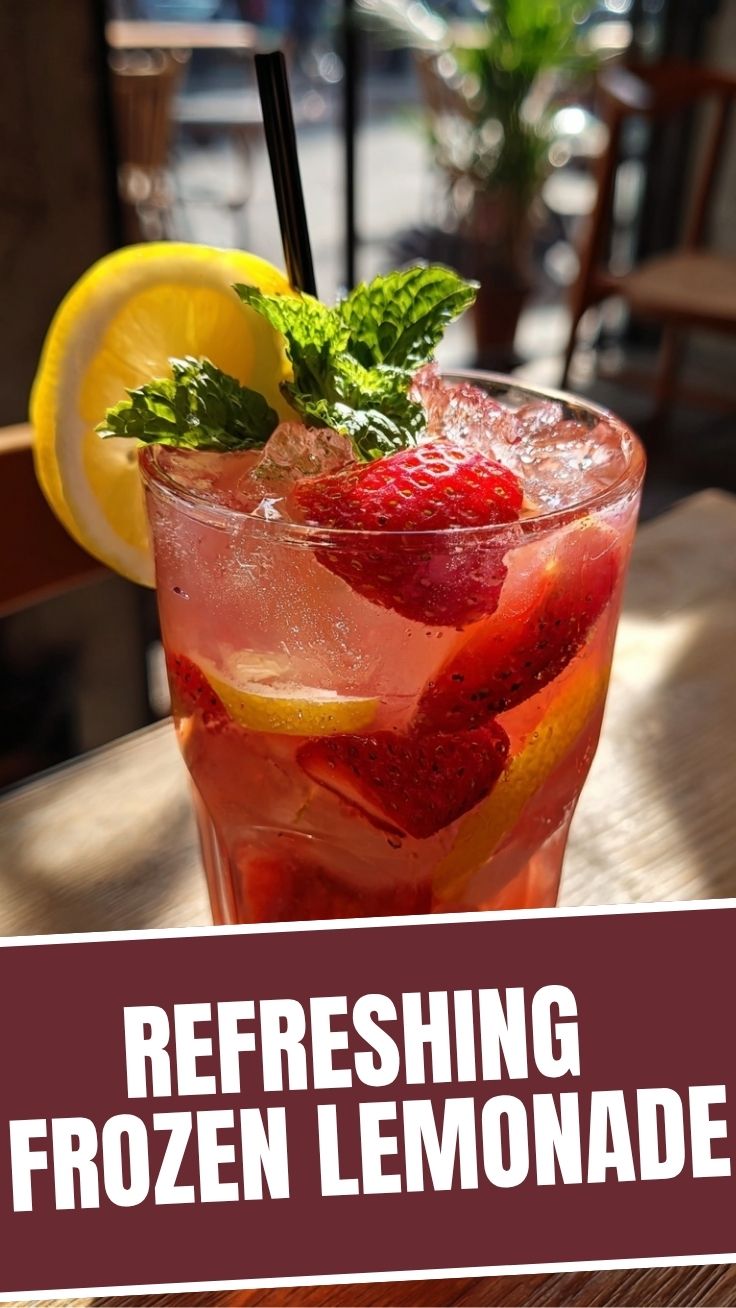
4. Adjust & Serve: Taste and adjust sweetness or acidity. For more tartness, add a squeeze of fresh lemon juice. For more sweetness, add a tablespoon of simple syrup and blend again. Pour into chilled glasses immediately and garnish with a mint sprig or a lemon wheel.
Nutritional Benefits & Advantages
Switching to homemade frozen lemonade offers significant health advantages. This version contains no artificial colors, high-fructose corn syrup, or preservatives found in commercial concentrates. Fresh lemons are a powerhouse of Vitamin C, which supports immune function. The natural citrus flavonoids, like hesperidin, have anti-inflammatory properties and can improve circulation. Additionally, by controlling the sugar content, you can drastically reduce your caloric intake. Using a natural sweetener like stevia or monk fruit makes this a diabetic-friendly alternative. It also provides excellent hydration with electrolytes, making it superior to sugary sodas during hot weather.
Tips Variations & Cooking Advice
– Berry Blast Frozen Lemonade: Replace 1/2 cup of water with 1/2 cup of frozen strawberries or blueberries. Blend as usual for a pink, antioxidant-rich treat.
– Creamy Lemonade: Add 1/4 cup of heavy cream, coconut milk, or Greek yogurt to the blender. This creates a thick, creamy texture reminiscent of a lemon soft serve.
– Herbal Infusion: Steep 5-6 fresh basil or rosemary leaves in the simple syrup while it heats. Strain before cooling. This adds an unexpected, sophisticated layer.
– Dietary Swaps: Use monk fruit sweetener or agave in place of sugar. For a dairy-free creamy version, use full-fat coconut milk.
– Alcoholic “Adult” Version: Blend in 2 ounces of vodka or tequila after the initial blend. This helps keep the mixture slushy without freezing solid.
Common Mistakes to Avoid
– Using Bottled Lemon Juice: This is the number one mistake. Bottled juice contains preservatives and lacks the bright, volatile oils of fresh zest. Your frozen lemonade will taste flat and artificial.
– Over-sweetening the Syrup: Remember that ice dilutes the syrup as it melts. A syrup that tastes perfectly sweet alone will be too sweet when blended. Stick to a 1:1 sugar-to-water ratio or slightly lower (0.75:1).
– Blending Ice That is Too Large: Large ice cubes can damage a standard blender motor or result in a chunky, uneven texture. If using a low-power blender, crush the ice first by pulsing it in a food processor or wrapping it in a towel and tapping with a rolling pin.
– Not Chilling the Syrup: Warm syrup will immediately melt the ice, creating a runny, watery drink instead of a thick slush. Always pre-chill.
Storage & Meal Prep Tips
Short-Term Storage: Pour leftover frozen lemonade into an airtight freezer-safe container. It will keep for up to 1 week. Important: Upon freezing, the mixture will become rock solid. To restore the slushy texture, let it sit on the counter for 15-20 minutes, then break it up with a fork before re-blending.
Long-Term Storage: Pour the mixture into ice cube trays. Once frozen, pop out the cubes and store them in a freezer bag. When you’re craving a drink, blend a handful of these cubes with a splash of water or sparkling water. This method prevents freezer burn and keeps the flavor fresh for up to 3 months.
Reheating Tip (Not recommended): Do not microwave the frozen block. Instead, use the “weeping” method: Let it thaw at room temperature for 30 minutes, then blend on high with 1-2 tablespoons of water to re-emulsify.
Conclusion
Making a homemade batch of Frozen Lemonade is a rewarding, cost-effective way to enjoy a refreshing beverage that’s infinitely customizable. From controlling the sugar to experimenting with unique flavor pairings like strawberry or basil, the possibilities are endless. The key takeaway is that fresh ingredients and proper chilling techniques are the secrets to a perfect slushy texture that rivals any commercial product. I encourage you to try this recipe this weekend, snap a photo, and share your creation on social media. Your taste buds—and your wallet—will thank you.
FAQs
1. Can I use a food processor instead of a blender?
Yes, but you will need to crush the ice first. A food processor is less efficient at pulverizing large ice cubes. Pulse the ice in a plastic bag to a snow-like consistency, then add the liquid ingredients and pulse until combined.
2. Why did my frozen lemonade turn out icy and watery instead of creamy?
This usually happens when you use too much water relative to sugar. Sugar acts as an anti-freeze, lowering the freezing point and creating a creamy texture. Stick to the 1:1 sugar-to-water ratio for the syrup and use enough ice. Also, ensure the syrup is well-chilled.
3. My frozen lemonade is too sour. How do I fix it without making it watery?
Instead of adding more water or ice (which dilutes flavor), add a small amount of simple syrup or honey. Blend for just 10 seconds. Alternatively, add a pinch of salt—it chemically balances the acidity and enhances sweetness without adding calories.
4. How can I make this sugar-free for a keto diet?
Use a sugar substitute like erythritol or allulose. Note that these sweeteners can crystallize when frozen. To avoid this, use a blend of erythritol and a small amount of stevia. Also, add a teaspoon of xanthan gum to stabilize the texture. The result will be slightly less creamy but still delicious.
5. Can I freeze the lemon juice itself ahead of time?
Absolutely! Freeze fresh lemon juice in ice cube trays. Each cube is approximately 2 tablespoons. This is a fantastic meal prep hack. Just blend 8 cubes with your chilled syrup and fresh water ice when you’re ready to serve.
Proven way to grow creamy Frozen Lemonade
Ingredients
Equipment
Method
- Prepare the growth medium by mixing potting soil and river sand, then plant the lemon seeds 1 inch deep.
- Water thoroughly and place in a warm, sunny spot, keeping the soil consistently moist.
- Once sprouts appear, fertilize every two weeks with organic lemon tree fertilizer as directed.
- Ensure adequate sunlight and water, protecting the young plants from extreme conditions.
- Once lemons mature, harvest them, then blend the freshly squeezed lemon juice with sweetened condensed milk, water, sugar, and ice until smooth and creamy.
- Taste and adjust sweetness as desired, then pour into glasses, garnish with lemon slices and mint, and serve immediately.