The Ultimate Guide to Perfect Roasted Vegetables: Crispy, Caramelized, and Full of Flavor
Have you ever pulled a tray of vegetables out of the oven only to find them soggy, burnt, or bland? You’re not alone. Mastering the art of roasted vegetables transforms simple produce into a caramelized, deeply flavorful side dish that can elevate any meal. The beauty of preparing roasted vegetables at home is that you control every variable—from the quality of ingredients to the exact level of doneness—ensuring restaurant-quality results without leaving your kitchen. Whether you’re meal-prepping for the week or cooking for a dinner party, this guide will walk you through every step, including how to create a stunning sheet pan vegetables medley that simplifies cleanup without sacrificing taste.
Ingredients & Kitchen Tools
Ingredients
– Mixed vegetables (carrots, broccoli, bell peppers, red onion, zucchini): Choose a variety of textures and colors for visual appeal and balanced roasting
– Olive oil (3–4 tablespoons): High smoke point ensures proper caramelization
– Salt (1 teaspoon, preferably kosher): Enhances natural sweetness and draws out moisture for better browning
– Black pepper (½ teaspoon, freshly ground): Adds subtle heat
– Garlic powder (1 teaspoon): More even distribution than fresh garlic, which can burn
– Dried herbs (1 teaspoon each, thyme and rosemary): Earthy aromatics that complement caramelization
– Optional substitutions: Avocado oil for higher heat tolerance; smoked paprika or cumin for smoky variation; balsamic vinegar (added post-roast) for acidity
Kitchen Tools
– Large rimmed baking sheet (18×13 inches): Prevents overcrowding and ensures even heat distribution
– Parchment paper or silicone baking mat: Non-stick surface that simplifies cleanup
– Chef’s knife and cutting board: Uniform cuts promote even cooking
– Large mixing bowl: For tossing vegetables with oil and seasonings
– Spatula or tongs: For flipping vegetables halfway through
Prep Time & Cooking Schedule
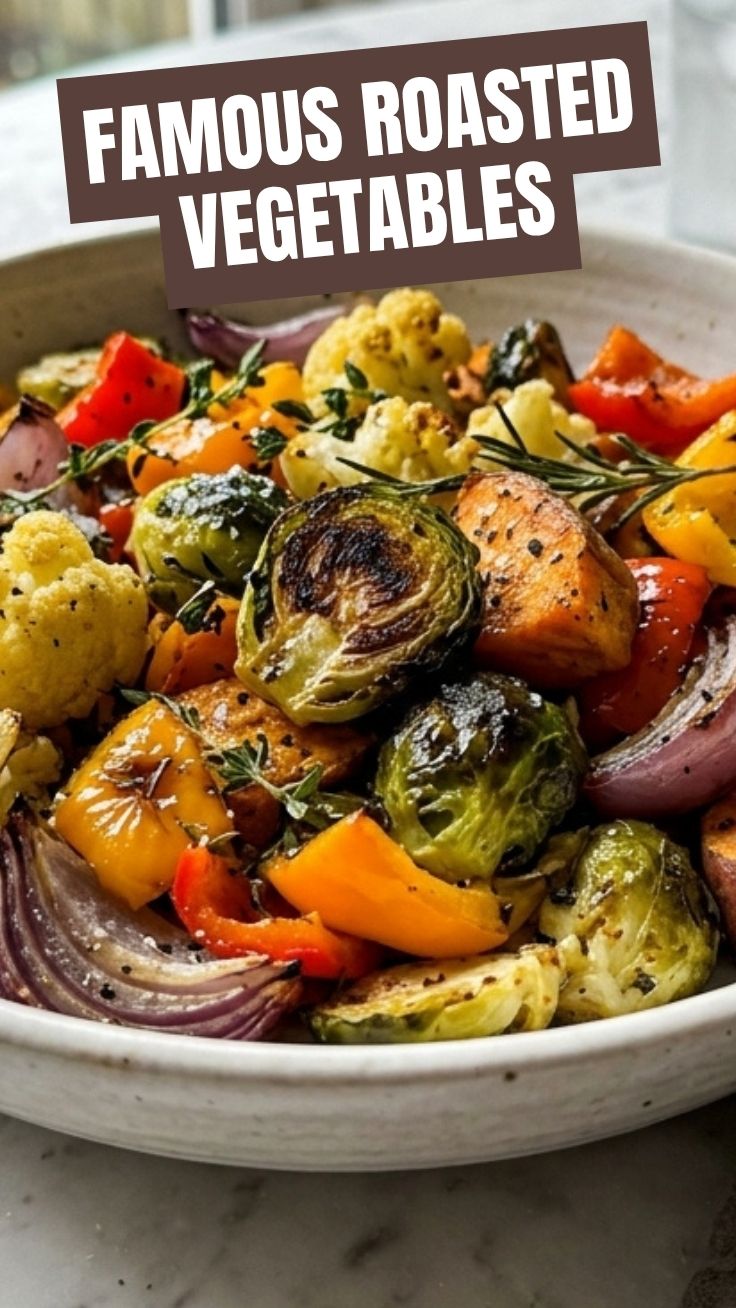
Prep time: 15 minutes (washing, cutting, seasoning)
Cook time: 25–35 minutes (depending on vegetable density and size)
Resting time: 5 minutes (allows caramelization to set)
Plan ahead by preheating your oven to 425°F (220°C) while you prepare the vegetables. This high temperature is critical for achieving the Maillard reaction—the chemical process that creates deep browning and complex flavors. For best results, cut denser vegetables like carrots and potatoes into smaller pieces (½-inch cubes) and softer vegetables like zucchini and bell peppers into larger chunks (1-inch pieces) so everything finishes at the same time.
Step-by-Step Instructions
Step 1: Preheat and prepare your pan
Place your baking sheet in the oven while it preheats. A hot pan creates immediate sizzle when vegetables hit the surface, jump-starting caramelization. This technique works beautifully for both Roasted Vegetables and Sheet Pan Vegetables, ensuring you get that perfect golden crust every time.
Step 2: Cut vegetables uniformly
Wash all produce thoroughly. Cut carrots and other dense root vegetables into ½-inch pieces. Chop broccoli into florets about 1 inch wide. Slice bell peppers and onions into 1-inch strips. Keep zucchini in larger 1-inch chunks to prevent mushiness.
Step 3: Season properly
In a large bowl, toss the cut vegetables with olive oil, salt, pepper, garlic powder, and dried herbs. Ensure every piece is lightly coated but not dripping. Spread them in a single layer on the preheated baking sheet—crowding causes steaming instead of roasting.
Step 4: Roast with confidence
Place the pan in the oven and roast for 15 minutes. Flip the vegetables with a spatula, then continue roasting for another 10–20 minutes. Look for deep golden-brown edges and tender centers pierced easily with a fork. The cooking time for these roasted vegetables varies by vegetable type—carrots and broccoli may finish earlier than thicker chunks of squash. Similarly, when preparing sheet pan vegetables, arrange items with similar density together for even doneness.
Step 5: Rest and serve
Remove from oven and let rest for 5 minutes on the pan. The residual heat continues the caramelization process without overcooking. Taste and adjust seasoning with a final sprinkle of flaky salt or fresh herbs before serving.
Nutritional Benefits & Advantages
This dish is a nutritional powerhouse. Carrots provide beta-carotene (converted to vitamin A for eye health), broccoli delivers sulforaphane (a compound linked to cancer prevention), and bell peppers offer more vitamin C than oranges per gram. The olive oil adds heart-healthy monounsaturated fats that aid in absorbing fat-soluble vitamins from the vegetables.
A single serving (about 1 cup) contains roughly:
– 120–150 calories
– 5–7g fiber
– 300–400% DV vitamin A (from carrots)
– 150% DV vitamin C (from bell peppers and broccoli)
– 3–4g protein
Roasting concentrates these nutrients while making them more bioavailable—the heat breaks down cell walls, allowing your body to better absorb antioxidants like lycopene and beta-carotene.
Tips Variations & Cooking Advice
Flavor variations:
– Mediterranean: Add olives, sun-dried tomatoes, and oregano; finish with crumbled feta
– Asian-inspired: Toss with soy sauce, sesame oil, and ginger; top with sesame seeds
– Spicy: Add cayenne or chili flakes; serve with lime wedges
– Balsamic glaze: Drizzle with balsamic reduction in the last 5 minutes of roasting
Dietary adaptations:
– Gluten-free: Naturally gluten-free; just verify seasoning blends
– Dairy-free: Use olive oil and skip any cheese toppings
– Low-carb: Include cauliflower, broccoli, and zucchini; reduce carrots
Alternative cooking methods:
– Air fryer: Cook at 375°F for 12–15 minutes, shaking halfway—crispier exterior in less time
– Grill basket: Toss vegetables with oil and grill over medium heat for 10–12 minutes, turning frequently
– Slow roasting: Reduce oven to 350°F and roast for 45–50 minutes for softer, sweeter results
Common Mistakes to Avoid
Mistake 1: Overcrowding the pan
Too many vegetables release steam, creating a soggy mess. Use a large sheet pan or divide between two pans if needed. Leave at least ¼ inch of space between pieces.
Mistake 2: Insufficient oil
Oil is essential for heat transfer and browning. Use at least 1 tablespoon per 2 cups of vegetables. Dry vegetables stick to the pan and burn before they caramelize.
Mistake 3: Cutting pieces unevenly
Smaller pieces burn while larger ones remain raw. Take time to cut uniformly—it’s the most important factor for even cooking.
Mistake 4: Skipping the flip
Flipping ensures all sides develop color and texture. Forgetting leads to one side burnt, the other pale.
Mistake 5: Adding too much moisture
Wet vegetables steam instead of roasting. Pat dry after washing, and avoid adding ingredients like tomatoes or mushrooms that release significant water unless roasted separately.
Storage & Meal Prep Tips
Store leftover roasted vegetables in an airtight container in the refrigerator for up to 4 days. They actually improve overnight as flavors meld, making them perfect for meal prep.
Freezing: Spread cooled vegetables on a parchment-lined baking sheet and freeze until solid (about 1 hour). Transfer to a freezer-safe bag for up to 3 months. Freezing individually prevents clumping.
Reheating: For best texture, reheat in a 400°F oven for 5–7 minutes. The microwave makes them soggy. If using a microwave, reheat on a paper towel-lined plate for 1 minute, then finish briefly in a hot skillet.
Meal prep ideas:
– Toss into grain bowls with quinoa and tahini dressing
– Layer into wraps or sandwiches with hummus
– Blend into soups for added depth
– Add to frittatas or omelets for breakfast
Conclusion
Perfecting roasted vegetables is about understanding a few key principles—high heat, proper spacing, and uniform cutting—that transform humble produce into something extraordinary. Whether you’re making a simple weeknight side or planning a full sheet pan vegetables dinner with protein added, these techniques apply universally. The payoff is enormous: deeply caramelized, tender vegetables that convert even picky eaters into vegetable lovers. Try this method with your favorite combination and watch how the simple act of roasting changes everything. Share your creations online—your perfect pan of beautifully blistered vegetables deserves to be seen.
FAQs
1. Can I use frozen vegetables for roasting?
Yes, but skip thawing—place frozen vegetables directly on a hot pan with extra oil and roast for 5–7 minutes longer. They’ll release more moisture, so expect less browning. For crisper results, thaw and pat dry before tossing with oil.
2. Why are my roasted vegetables still hard in the center?
Your oven temperature might be too low, or you’re cutting vegetables too large. Increase heat to 425°F and ensure pieces are ½–1 inch. Dense vegetables like sweet potatoes and carrots benefit from a 10-minute head start before adding softer vegetables.
3. How do I prevent garlic and herbs from burning?
Garlic burns faster than vegetables. Use garlic powder instead of fresh minced garlic, or add fresh garlic in the last 10 minutes of roasting. Dried herbs should be added at the start with oil; fresh herbs are best sprinkled after roasting.
4. Can I make these oil-free?
Technically yes, but you’ll lose caramelization and risk sticking. Use vegetable broth or aquafaba for coating, or roast at a lower temperature (375°F) with parchment paper. Accept that results will be more steamed than roasted.
5. What’s the best way to reheat without losing crispiness?
The oven is your best friend—spread leftovers on a baking sheet and reheat at 400°F for 5 minutes. An air fryer works even faster at 350°F for 3 minutes. Avoid the microwave, which turns crisp edges into sad, limp pieces.
Best way to grow perfect Roasted Vegetables 3 ways
Ingredients
Equipment
Method
- Preheat your oven to 400°F (200°C) and prepare a baking sheet with parchment paper.
- Wash and chop all your chosen vegetables into uniform 1-inch pieces to ensure even cooking.
- In a large bowl, combine the chopped vegetables with olive oil, salt, and black pepper, tossing until evenly coated.
- Spread the seasoned vegetables in a single layer on the prepared baking sheet.
- Roast for 20-30 minutes, flipping halfway through, until they are tender and slightly caramelized.
- Follow the basic roasting method, but add finely chopped fresh rosemary or thyme along with the salt and pepper.
- Roast as directed until vegetables are tender and fragrant.
- For a spicy kick, add paprika and red pepper flakes to the basic seasoning mix.
- Roast the vegetables following the basic instructions, ensuring they are tender and slightly spicy.
- Serve your perfectly roasted vegetables immediately as a side dish, or incorporate them into other meals like salads or grain bowls.