Here is a comprehensive, SEO-optimized blog post designed to meet your specific structural and keyword requirements.
—
The Ultimate Guide to Homemade Frozen Lemonade: A Refreshing Summer Staple
Have you ever craved a perfectly icy, tart, and sweet beverage only to be disappointed by overly sugary store-bought mixes or watery slushies? The solution is simpler than you think. Mastering a fresh batch of homemade Lemonade at home is not just about saving money; it’s about controlling the quality of ingredients and achieving a flavor profile that is perfectly balanced to your taste. This guide will walk you through a foolproof lemonade recipe that transforms simple citrus into a frozen delight. By preparing this yourself, you avoid artificial preservatives and high-fructose corn syrup, creating a beverage that is as nutritious as it is delicious. Let’s dive into the art of creating the perfect frozen lemonade.
Ingredients & Kitchen Tools
To make this recipe, you will need a few basic ingredients and tools. The quality of your lemons is paramount for the best flavor.
Ingredients:
– Fresh Lemons (6-8): The star of the show. Use unwaxed, organic lemons for the best zest and juice. Roll them on the counter before juicing to release more juice.
– Granulated Sugar (1 cup): Provides the necessary sweetness. For a healthier option, you can use honey or agave nectar, though this will slightly alter the texture.
– Water (4 cups): Use filtered water for the cleanest taste. You will need 2 cups for the simple syrup and 2 cups for the base.
– Ice Cubes (4-5 cups): This is the key to the “frozen” texture. Use plenty of ice to achieve a thick, slushy consistency.
– Optional: Fresh mint leaves, a pinch of salt (to enhance flavor), or a splash of vodka (for an adult version).
Kitchen Tools:
– Juicer or Citrus Reamer: Essential for extracting maximum juice without seeds.
– Medium Saucepan: For making the simple syrup.
– Blender: A high-speed blender works best for the frozen texture.
– Zester or Microplane: For adding lemon zest to the syrup.
– Fine-Mesh Strainer: To remove pulp and seeds if desired.
– Measuring Cups & Spoons.
Prep Time & Cooking Schedule
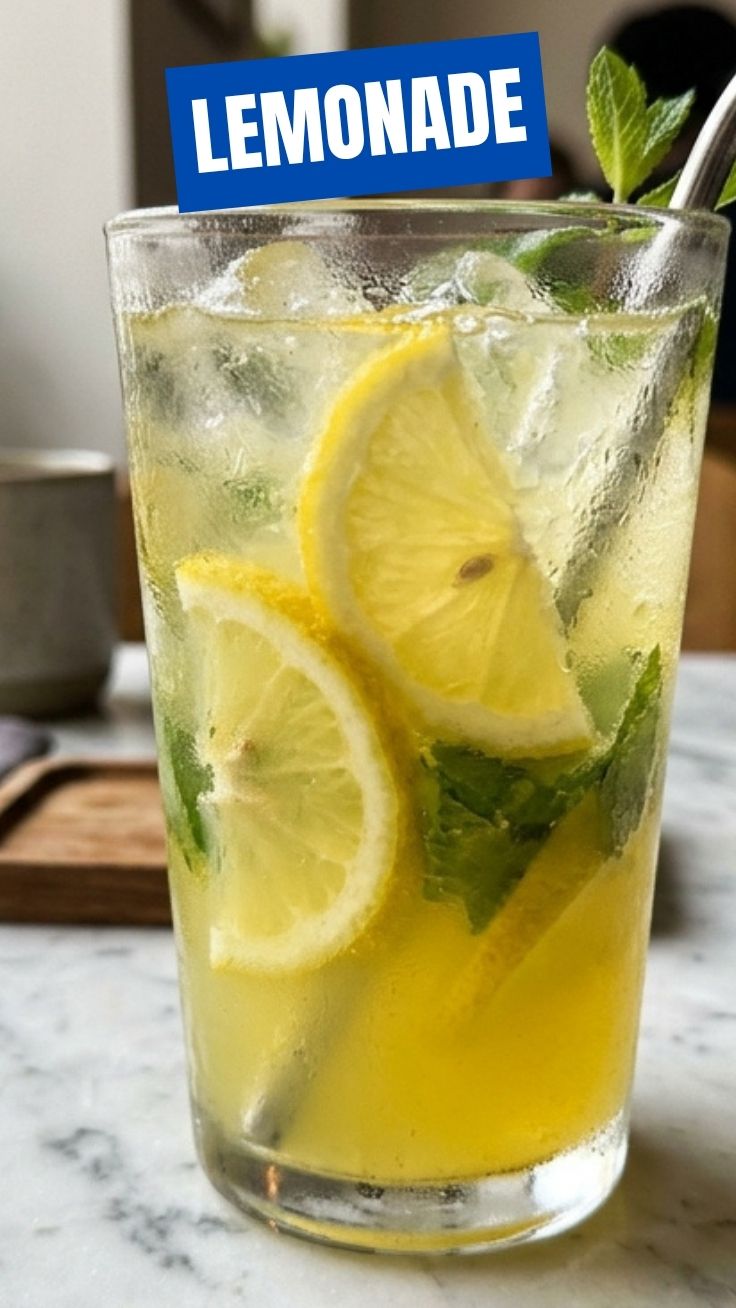
This recipe is quick and efficient, making it perfect for spontaneous gatherings.
– Prep Time: 15 minutes (includes juicing lemons, zesting, and making simple syrup).
– Cook Time: 5 minutes (for the simple syrup).
– Cooling Time: 20 minutes (allowing the syrup to cool).
– Total Time (including cooling): 40 minutes.
– Blending Time: 2 minutes.
Context: The simple syrup is the secret to a smooth, non-gritty texture. You can make the syrup and juice a day in advance to save time. Store the juice in the refrigerator and the syrup in an airtight container.
Step-by-Step Instructions
This process is straightforward, but attention to detail will yield a perfect, creamy slushy.
1. Make the Simple Syrup: In a medium saucepan, combine 1 cup of granulated sugar, 1 cup of water, and the zest of 2 lemons. Heat over medium heat, stirring occasionally, until the sugar is completely dissolved. Do not let it boil vigorously. Once dissolved, remove from heat and let it cool completely. The zest infuses the syrup with intense lemon aroma.
2. Juice the Lemons: While the syrup cools, juice your 6-8 lemons. You should get about 1 cup of fresh lemon juice. Strain the juice through a fine-mesh strainer to remove any seeds and excess pulp.
3. Combine the Base: In a large measuring cup or bowl, combine the cooled simple syrup, the fresh lemon juice, and 2 cups of cold water. Stir well. This is your concentrated lemonade base. Taste it. It should be very sweet and very tart because it will be diluted by the ice. This core lemonade recipe technique ensures you don’t get a watery final product.
4. Blend the Frozen Mix: Add 4-5 cups of ice cubes to your blender. Pour the liquid base over the ice. Blend on high speed for 30-45 seconds. Do not over-blend, or you will end up with a watery drink. The goal is a thick, slushy consistency where the ice is still visible but fully incorporated.
5. Serve Immediately: Pour the frozen lemonade into chilled glasses. Garnish with a lemon slice and a sprig of mint for a professional touch.
Pro Tip: If your blender struggles with the ice, add the ice in two batches. If the mixture is too thick, add a splash of water. If it’s too thin, add more ice.
Nutritional Benefits & Advantages
This homemade version is a significant upgrade from commercial options.
– High in Vitamin C: Lemons are a powerhouse of Vitamin C, a potent antioxidant that supports immune function and collagen production.
– No High-Fructose Corn Syrup: You control the sugar. You can easily reduce the sugar or use a natural alternative like honey or stevia.
– Hydration: The high water content helps with hydration, especially during hot weather.
– Digestive Aid: The acidity of lemons can stimulate digestive juices, aiding in digestion.
– Low in Calories (Adjustable): By using a sugar substitute, you can create a very low-calorie beverage that is far more nutritious than commercial sodas or syrups.
Tips Variations & Cooking Advice
– Flavor Variations: Add a handful of fresh strawberries, raspberries, or blueberries to the blender with the ice for a fruity twist. Try a “Lavender Lemonade” by infusing the simple syrup with dried lavender buds.
– Dietary Adaptations: For a keto-friendly version, replace the sugar with 1/2 cup of monk fruit or erythritol. For a dairy-free version, this recipe is already dairy-free. For a spicy version, muddle a slice of jalapeño in the glass before pouring.
– Ingredient Swaps: If you don’t have fresh lemons, you can use bottled lemon juice, but the flavor will be less vibrant. Substitute lime juice for a key lime pie flavor.
– Portion Changes: This recipe serves 4-6 people. For a single serving, blend 1 cup of ice with 1/4 cup of the base mixture.
Common Mistakes to Avoid
– Not Making Simple Syrup: Adding sugar directly to cold water and ice results in a gritty, grainy texture. Simple syrup ensures the sugar is fully dissolved.
– Using Too Much Water: The base must be strong and sweet. If you add too much water to the base, your frozen lemonade will be bland and watery after blending.
– Over-Blending: Blending for too long generates heat and melts the ice. Blend in short bursts until you achieve a slushy consistency.
– Skipping the Zest: The zest contains the essential oils that give the lemonade its intense, authentic lemon aroma and flavor. It is not just for garnish.
– Using Warm Ingredients: For the best frozen texture, ensure your simple syrup, lemon juice, and water are all cold (or at room temperature) before adding to the ice.
Storage & Meal Prep Tips
– Refrigeration: The liquid base (without the ice) can be stored in an airtight container in the refrigerator for up to 5 days. This is perfect for making frozen lemonade on demand.
– Freezing the Base: You can freeze the liquid base in ice cube trays. When you want a drink, blend 8-10 frozen base cubes with 1 cup of water and a handful of fresh ice.
– Reheating/Storing Leftovers: Frozen lemonade is best enjoyed fresh. Storing the blended slushy in the freezer will cause it to freeze solid. To revive it, let it sit at room temperature for 10 minutes, then re-blend with a splash of water.
– Storage Container: Use a glass jar or plastic container with a tight-sealing lid to prevent the base from absorbing other odors in the fridge.
Conclusion
Making a superior version of this classic beverage at home is a rewarding experience that transforms simple ingredients into a gourmet treat. You now have the tools to create a perfectly balanced, refreshing drink that is free from artificial additives. By following this guide, you have mastered the art of the perfect frozen Lemonade. This core lemonade recipe is not just a drink; it’s a foundation for endless summer creativity. We encourage you to try this recipe, share your results with friends, and explore our other homemade beverage guides for more inspiration.
FAQs
1. Can I use bottled lemon juice instead of fresh lemons?
Yes, you can, but the flavor will be significantly less vibrant and fresh. Bottled juice often contains preservatives and lacks the essential oils from the zest. For the best taste, fresh is always recommended.
2. My frozen lemonade is too watery. What went wrong?
This usually happens when you use too much water in the base or too little ice. Ensure your base is very tart and sweet before blending. Also, make sure your blender is powerful enough to handle the ice without melting it.
3. How can I make a sugar-free version?
Use a granulated sugar substitute like erythritol, monk fruit, or stevia. Make the simple syrup using the same method (1 cup substitute to 1 cup water). Note that some substitutes may crystallize slightly when cold, but a quick re-blend will fix this.
4. Can I make this recipe in advance for a party?
Yes! Prepare the liquid base (simple syrup, lemon juice, and water) up to 5 days ahead. Store it in the fridge. When you are ready to serve, simply blend the base with ice in batches. Do not blend the ice in advance, as it will melt.
5. Why is my simple syrup cloudy?
Cloudy simple syrup is usually caused by the sugar not being fully dissolved or by using water that is too cold. Ensure you heat the mixture until the water is clear and the sugar is completely dissolved. Using a higher ratio of sugar to water (like a 2:1 rich syrup) can also help prevent this.
Proven way to grow Lemonade with 3 tips. Lemonade
Ingredients
Equipment
Method
- Choose a high-traffic location, set up your folding table, and make sure your signage is clearly visible to attract customers.
- Prepare your lemonade by mixing lemon juice, sugar, and water, then add ice to keep it chilled and refreshing.
- Offer friendly service, engage with potential customers, and consider offering small incentives like a loyalty card for repeat business.
- Actively promote your lemonade by calling out to passersby and highlighting its refreshing qualities.
- Tip 1: Offer variety by adding different fruit purees or flavors to attract a wider range of customers.
- Tip 2: Partner with local businesses or community events to expand your reach and customer base.
- Tip 3: Use social media to promote your stand, share photos, and announce special offers to generate excitement.