Unlock the Secret to the Perfect Creamy Coleslaw: Your Ultimate Guide
Have you ever wondered why restaurant-style coleslaw tastes so much better than the soggy, bland versions you often make at home? The answer lies not just in the ingredients, but in the technique and the balance of flavors. A truly memorable coleslaw is a symphony of crunch, creaminess, and tang—a side dish that can elevate a simple barbecue or fried chicken dinner into a culinary experience. Preparing it at home isn’t just about saving money; it’s about taking control of the texture and taste, ensuring every bite is fresh and satisfying. In this comprehensive guide, we’ll demystify the process and show you how to craft the ultimate coleslaw from scratch. You’ll also learn how a stellar coleslaw dressing can be the game-changer that transforms ordinary cabbage into a standout dish.
Ingredients & Kitchen Tools
Before you begin, gather your mise en place. Having everything ready ensures a smooth cooking process and prevents last-minute scrambling.
Ingredients:
– Green Cabbage (1 medium head, about 2 lbs): The backbone of the slaw. Look for a firm, dense head with crisp leaves. Red cabbage can be substituted for color and a slightly peppery flavor.
– Carrots (2 medium, peeled): Adds natural sweetness and a vibrant orange hue. Shred them finely for even distribution.
– Mayonnaise (1 cup, full-fat): Provides the creamy base. For a lighter version, use half mayo and half Greek yogurt.
– Apple Cider Vinegar (2 tablespoons): The crucial acidic element that cuts through the richness and prevents sogginess by lightly pickling the vegetables.
– Granulated Sugar (1-2 tablespoons): Balances the acidity. Adjust based on your sweetness preference.
– Dijon Mustard (1 teaspoon): Adds a subtle tang and emulsifies the dressing.
– Celery Seeds (1/2 teaspoon): A classic coleslaw seasoning that offers a distinctive, earthy flavor.
– Salt and Black Pepper (to taste): Essential for seasoning and drawing out excess moisture from the cabbage.
Kitchen Tools & Utensils:
– Large Mixing Bowl: For combining the dressing and vegetables.
– Chef’s Knife & Cutting Board: For slicing the cabbage.
– Box Grater or Food Processor with Shredding Disc: For uniform shredding of carrots and cabbage.
– Whisk: For emulsifying the dressing ingredients smoothly.
– Colander: To drain the salted cabbage.
– Clean Kitchen Towel or Paper Towels: For pressing out excess moisture.
Prep Time & Cooking Schedule
Planning is key to achieving the perfect texture.
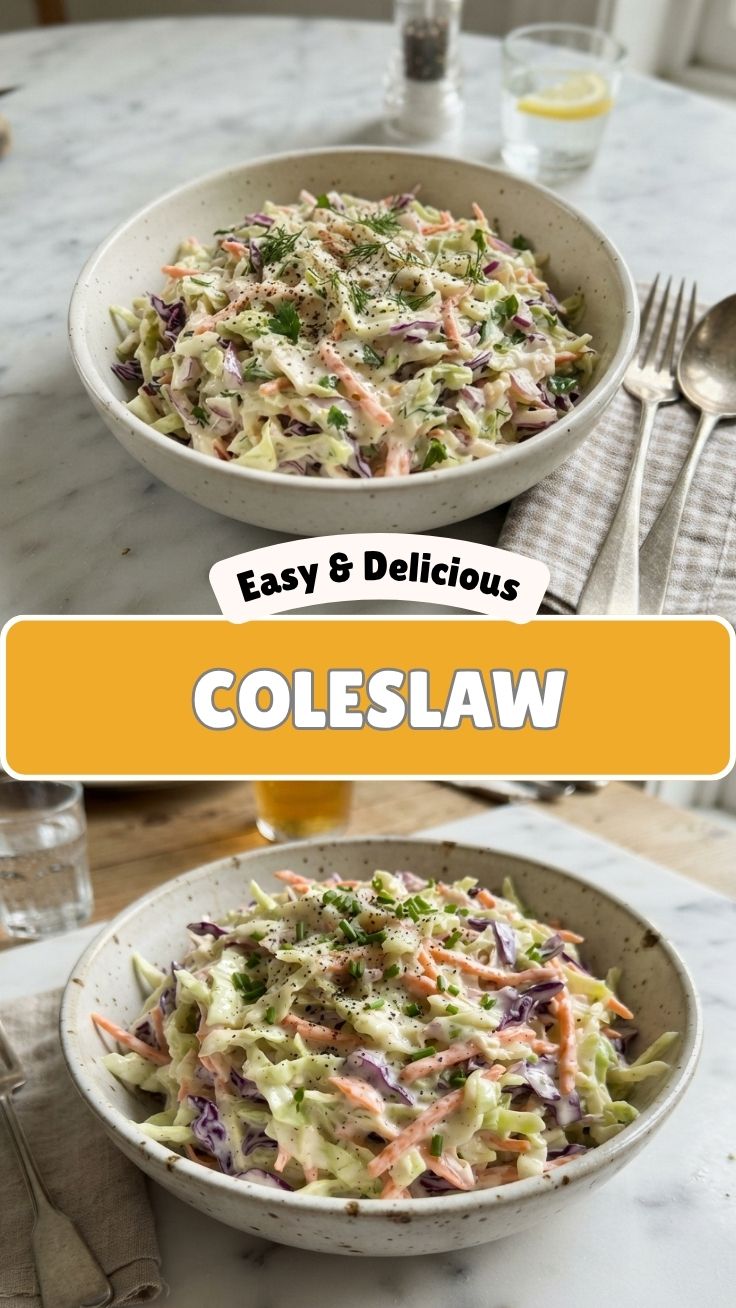
– Prep Time: 20 minutes (includes shredding vegetables and making the dressing).
– Salt & Drain Time: 30 minutes (critical for drawing out moisture and ensuring crunch).
– Chill Time: 1 hour minimum (allows flavors to meld). The slaw is even better the next day.
Pro Tip: If you are short on time, skip the salting step. However, for the crispiest result that holds up perfectly, do not skip it. The rest time allows the dressing to penetrate the vegetables without leaving them swimming in liquid.
Step-by-Step Instructions
This is where the magic happens. Follow these steps precisely for a restaurant-quality result.
1. Prepare the Cabbage: Remove the outer leaves and core. Slice the cabbage into thin shreds using a sharp knife or a mandoline. Place the shreds in a colander over a bowl.
2. Salt the Cabbage: Sprinkle 1 teaspoon of salt over the shredded cabbage and toss to combine. Let it sit for 30 minutes. This is the most important step for a crisp coleslaw. The salt draws out excess water, which would otherwise make your dressing watery and the slaw soggy.
3. Press and Dry: After 30 minutes, use your hands or a clean kitchen towel to press the cabbage firmly, removing as much liquid as possible. Discard the liquid.
4. Make the Dressing: In a separate large bowl, whisk together the mayonnaise, apple cider vinegar, sugar, Dijon mustard, celery seeds, and a pinch of black pepper. Taste the coleslaw dressing and adjust the sweetness or acidity to your liking. The dressing should be creamy and slightly tangy.
5. Combine the Slaw: Add the dried cabbage and shredded carrots to the bowl with the dressing. Use two large spoons or your hands (wearing gloves) to toss until every shred is evenly coated.
6. Chill and Serve: Cover the bowl with plastic wrap and refrigerate for at least 1 hour. This resting period allows the flavors to marry and the vegetables to soften slightly while maintaining their crunch. Serve chilled.
Nutritional Benefits & Advantages
This creamy coleslaw is not just delicious; it offers several nutritional advantages.
– Low in Calories (Relatively): Compared to creamy potato or macaroni salads, coleslaw is lighter. Using a simple dressing keeps the calorie count manageable.
– Excellent Source of Vitamin C: Cabbage is packed with Vitamin C, a powerful antioxidant that supports immune function and skin health.
– Supports Digestive Health: The high fiber content in cabbage and carrots aids digestion and promotes a healthy gut microbiome.
– Versatile for Diets: Naturally gluten-free, this recipe can be adapted to a dairy-free diet by using a vegan mayonnaise. It is also keto-friendly if you omit the sugar or use a substitute like monk fruit.
Tips, Variations & Cooking Advice
Feel free to experiment and make this recipe your own.
Flavor Variations:
– Spicy Kick: Add 1-2 teaspoons of sriracha or a pinch of cayenne pepper to the dressing.
– Herbaceous Twist: Fold in 1/4 cup of fresh chopped dill, chives, or parsley just before serving.
– Apple Crunch: Add one finely julienned Granny Smith apple for a sweet-tart pop of freshness.
Dietary Adaptations:
– Dairy-Free: Simply use a high-quality vegan mayonnaise.
– Lower Fat: Substitute half the mayo with plain Greek yogurt or buttermilk. Note that the texture will be slightly less creamy.
– No Sugar: Use a keto-friendly sweetener or simply omit the sugar. The carrots and vinegar will still provide flavor.
Common Mistakes to Avoid
Even experienced cooks can falter. Here are the pitfalls to sidestep.
Mistake #1: Skipping the Salting Step
– Solution: It’s non-negotiable for a non-soggy slaw. The salt draws out moisture, preventing your dressing from becoming watery.
Mistake #2: Overdressing the Slaw
– Solution: Start with less dressing than you think you need. You can always add more, but you cannot take it away. The slaw will also release some liquid during chilling.
Mistake #3: Soggy Coleslaw
– Solution: Besides salting, ensure the cabbage is thoroughly dried after pressing. Any residual water will dilute the dressing and create a slimy texture.
Storage & Meal Prep Tips
Coleslaw is one of the best make-ahead side dishes. Here’s how to handle leftovers and prep.
– Refrigeration: Store in an airtight container in the refrigerator for up to 3 days. The flavor actually improves after 24 hours as the ingredients meld.
– Freezing: Do not freeze prepared coleslaw. The dressing will separate and the vegetables will become mushy upon thawing.
– Meal Prep Secret: For the crunchiest result, store the dressing separately from the shredded vegetables. Combine and toss them 1 hour before serving. If stored together, the slaw will soften over time but remains edible for a few days.
– Reviving Leftovers: If the coleslaw becomes dry after a day or two, stir in a tablespoon of fresh mayonnaise or a splash of vinegar to refresh the texture and flavor.
Conclusion
Mastering the art of coleslaw is about understanding the balance between salt, acid, and creaminess. By following this guide, you can now create a consistently crunchy, flavorful side dish that rivals any restaurant version. The key takeaways are simple: salt your cabbage to draw out moisture, make a balanced coleslaw dressing, and allow the flavors to meld in the fridge. Whether you are planning a backyard barbecue, a holiday meal, or a quick weeknight dinner, this reliable, creamy coleslaw dressing will become your go-to companion. We encourage you to try this recipe today, share your results in the comments below, and explore our other classic side dish recipes for more inspiration.
FAQs
1. Can I use a bag of pre-shredded coleslaw mix instead of fresh cabbage?
Yes, for convenience, you can. However, pre-shredded mix is often drier and coarser. If using it, skip the salting step and toss it directly with the dressing. Add a splash of buttermilk or an extra teaspoon of vinegar to help soften the shreds slightly.
2. My coleslaw turned out watery. What went wrong?
The most likely cause is not salting and pressing the cabbage sufficiently. Alternatively, you may have added too much dressing. For a fix, drain off the excess liquid and add a tablespoon of finely crushed crackers or extra shredded cabbage to absorb the moisture.
3. How do I make a vegan coleslaw dressing?
Simply substitute the mayonnaise with a vegan mayonnaise (like those made from aquafaba, soy, or sunflower oil). All other ingredients remain the same. The result is just as creamy and tangy.
4. Can I make this coleslaw without sugar?
Absolutely. The sugar is primarily for balancing the vinegar’s acidity. You can omit it entirely for a more tart slaw, or use a sugar substitute like stevia, monk fruit, or allulose. Adding grated apple can also provide natural sweetness without sugar.
5. How far in advance can I make this for a party?
For best results, make the dressing and shred the cabbage up to 2 days in advance, storing them separately. Combine the dressing and vegetables 1 to 4 hours before serving. If you combine them the night before, the slaw will be softer but still delicious.
Quick Way to Grow Coleslaw Cabbage
Ingredients
Equipment
Method
- Choose a sunny spot with well-draining soil and amend it with compost to improve fertility and drainage.
- Sow cabbage seeds directly into the garden about 1/4 inch deep and 1 inch apart in rows, ensuring proper spacing for growth.
- Keep the soil consistently moist by watering regularly, especially during dry spells; cabbage needs steady moisture to grow quickly.
- Fertilize every 2-3 weeks with a balanced liquid fertilizer to support rapid leaf development and overall plant health.
- Begin harvesting outer leaves when they are large enough for use, or wait for the head to form and cut the entire head when firm.
- Continuous harvesting of outer leaves promotes further growth, allowing for multiple harvests from a single plant.