Why This Fresh Garden Salad Deserves a Spot in Your Weekly Meal Plan
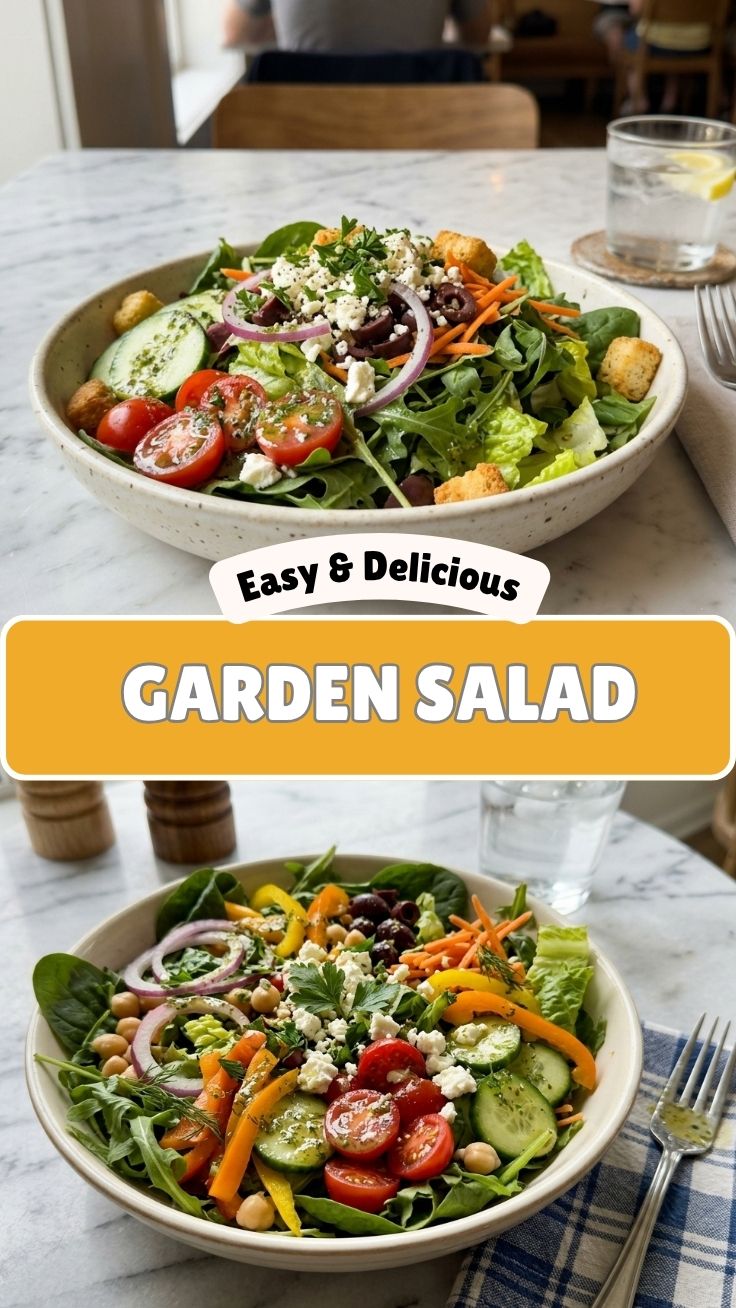
Have you ever wondered how a handful of simple ingredients can transform into a bowl of pure refreshment? That’s the magic of a well-made Garden Salad. Preparing it at home isn’t just about saving money—it’s about controlling freshness, customizing flavors, and reaping the nutritional rewards of crisp, unprocessed produce. Using crunchy Lettuce as the foundation, this recipe turns everyday vegetables into a vibrant, satisfying dish that works as a side or a light main course. Whether you’re a seasoned cook or a kitchen beginner, this Garden Salad will become your go‑to for quick, healthy eating.
—
Ingredients & Kitchen Tools
Fresh Ingredients
– Romaine or iceberg lettuce – 1 head, washed and chopped. Use the crispiest leaves for the best crunch.
– Cherry tomatoes – 1 cup, halved. Adds sweetness and acidity.
– Cucumber – 1 medium, diced. For extra hydration and texture.
– Red onion – ½ small, thinly sliced (soak in cold water 10 minutes to mellow the bite).
– Carrot – 1 medium, grated or julienned.
– Bell pepper – 1 (any color), chopped.
– Optional protein – Grilled chicken, chickpeas, or tofu for a heartier salad.
Dressing
– Extra‑virgin olive oil – 3 tablespoons.
– Red wine vinegar – 1 tablespoon.
– Dijon mustard – 1 teaspoon.
– Salt, pepper, dried oregano – to taste.
Kitchen Tools
– Large mixing bowl
– Chef’s knife & cutting board
– Salad spinner (or paper towels for drying lettuce)
– Whisk or small jar for dressing
—
Prep Time & Cooking Schedule
| Task | Time |
|——|——|
| Washing & drying lettuce | 5 minutes |
| Chopping vegetables | 10 minutes |
| Resting (optional) | 15 minutes after adding dressing (helps flavors meld) |
| Total prep time | 15 minutes (or 30 with resting) |
No actual cooking is required, but if you plan to add grilled protein, factor in 10–12 extra minutes. This salad is perfect for batch prep: chop everything ahead and combine just before serving.
—
Step-by-Step Instructions
1. Prep the lettuce – Remove any wilted outer leaves from the lettuce head. Rinse thoroughly under cold water, then spin dry or pat with paper towels. Moisture is the enemy of crisp salad – dry leaves ensure the dressing clings without making the greens soggy. Tear or chop into bite-sized pieces.
2. Chop the vegetables – Halve cherry tomatoes, dice cucumber, slice onion, grate carrot, and chop bell pepper. Keep each ingredient in separate bowls until assembling.
3. Make the dressing – In a small jar, combine olive oil, red wine vinegar, Dijon mustard, salt, pepper, and oregano. Shake vigorously until emulsified. Taste and adjust acidity or salt.
4. Assemble – Place the Lettuce in a large bowl. Add all prepared vegetables. Drizzle half the dressing over the top and toss gently with tongs. Add more dressing as needed – you want each leaf lightly coated, not drenched.
5. Rest & serve – Let the salad sit for 5–10 minutes at room temperature if time allows. This short rest allows the vinegar to lightly “cook” the onion and soften the vegetables just enough for a harmonious bite.
Pro tip: For extra texture, add croutons, toasted nuts, or seeds just before serving. If you’re meal‑prepping, keep the dressing and the Garden Salad components separate and combine only when eating.
—
Nutritional Benefits & Advantages
This garden salad is a powerhouse of vitamins and fiber. Lettuce provides vitamin K and A, while tomatoes supply lycopene (a potent antioxidant). Cucumbers are hydrating and low in calories, and bell peppers deliver more vitamin C than an orange. The olive‑oil‑based dressing supports heart‑healthy monounsaturated fats and aids absorption of fat‑soluble vitamins. Eating a large bowl before a heavier meal can naturally reduce total calorie intake, making this salad a smart choice for weight management. Plus, the fiber from raw vegetables promotes gut health and satiety.
—
Tips, Variations & Cooking Advice
– Gluten‑free / dairy‑free – This salad is naturally free of both. Just check that your protein (if added) isn’t marinated with soy sauce containing wheat.
– Flavor swaps – Replace red wine vinegar with lemon juice or balsamic for a different tang. Add fresh herbs like basil, parsley, or mint.
– Protein boost – Top with grilled salmon, sliced hard‑boiled eggs, or canned chickpeas.
– Seasonal adaptation – In summer, toss in fresh corn kernels or diced peach. In winter, use shredded kale as the base and massage it with dressing.
– Portion changes – Double the recipe for a potluck; halve it for a single serving. Use a mandoline for ultra‑thin onion slices.
—
Common Mistakes to Avoid
| Mistake | Solution |
|———|———-|
| Wet lettuce | Dry leaves thoroughly – use a salad spinner or pat with a clean towel. |
| Overdressing | Start with half the dressing; you can always add more. |
| Soggy salad | Add dressing just before serving, or store dressing separately. |
| Bitter onion | Soak sliced red onion in cold water for 10 minutes; drain well. |
| Dull flavor | Taste the dressing first – it should be well‑seasoned. Underseasoned dressing makes a flat salad. |
—
Storage & Meal Prep Tips
Store undressed salad in an airtight container layered with a paper towel on top (absorbs excess moisture). Keeps in the refrigerator for up to 2 days. Dressing should be stored separately in a sealed jar for up to 1 week. When ready to eat, pour dressing over the salad and toss. Avoid freezing – the high water content in lettuce and cucumber causes a mushy texture upon thawing. For meal prep, chop vegetables but wait to wash and tear lettuce until the day you eat. This preserves the crunch.
—
Conclusion
A truly great Garden Salad is more than just a bowl of leaves – it’s a canvas for fresh flavors, a vehicle for nutrients, and a time‑saving solution for busy weeknights. By starting with crisp Lettuce and balancing textures with colorful vegetables, you create a dish that feels both light and satisfying. Whether you serve it alongside grilled proteins or enjoy it as a standalone meal, this recipe proves that homemade always beats store‑bought. Try it once, and you’ll never look at salad the same way again. Share your variations in the comments, and don’t forget to explore our other fresh recipes for more inspiration.
—
FAQs
1. Can I use iceberg lettuce instead of romaine?
Yes, iceberg adds extra crunch but has fewer nutrients. Mix it with romaine for the best of both worlds.
2. How do I keep the salad from getting soggy overnight?
Store washed, dried lettuce and dressing separately. Add dressing only when serving. Place a paper towel inside the container to absorb moisture.
3. What can I substitute for red wine vinegar?
Apple cider vinegar, white wine vinegar, or fresh lemon juice all work well. Adjust quantity to taste.
4. Is this salad keto‑friendly?
Absolutely. The vegetables are low‑carb, and the olive‑oil dressing fits perfectly into a keto diet. Omit carrots if you prefer stricter carb limits.
5. Can I add cheese?
Feta, goat cheese, or shaved Parmesan add wonderful creaminess. If adding cheese, reduce salt in the dressing slightly.
Proven way to grow a Garden Salad in 7 days.Garden Salad
Ingredients
Equipment
Method
- Prepare your planting area by clearing weeds and loosening the soil to a depth of about 6 inches, then enrich it with compost to improve fertility and drainage.
- Sow lettuce and spinach seeds thinly in rows about 1 inch apart, covering them with a thin layer of soil, then plant radish seeds in a separate row, ensuring proper spacing.
- Water the newly planted seeds gently to settle the soil without disturbing them, then continue to water daily to maintain consistent moisture.
- Ensure the plants receive at least 6-8 hours of direct sunlight daily and thin out seedlings as they grow to prevent overcrowding and promote robust growth.
- Begin harvesting outer leaves of lettuce and spinach after 7 days, and gently pull up radishes once their roots are visibly plump.