The Ultimate Guide to a Perfectly Juicy Brined Turkey
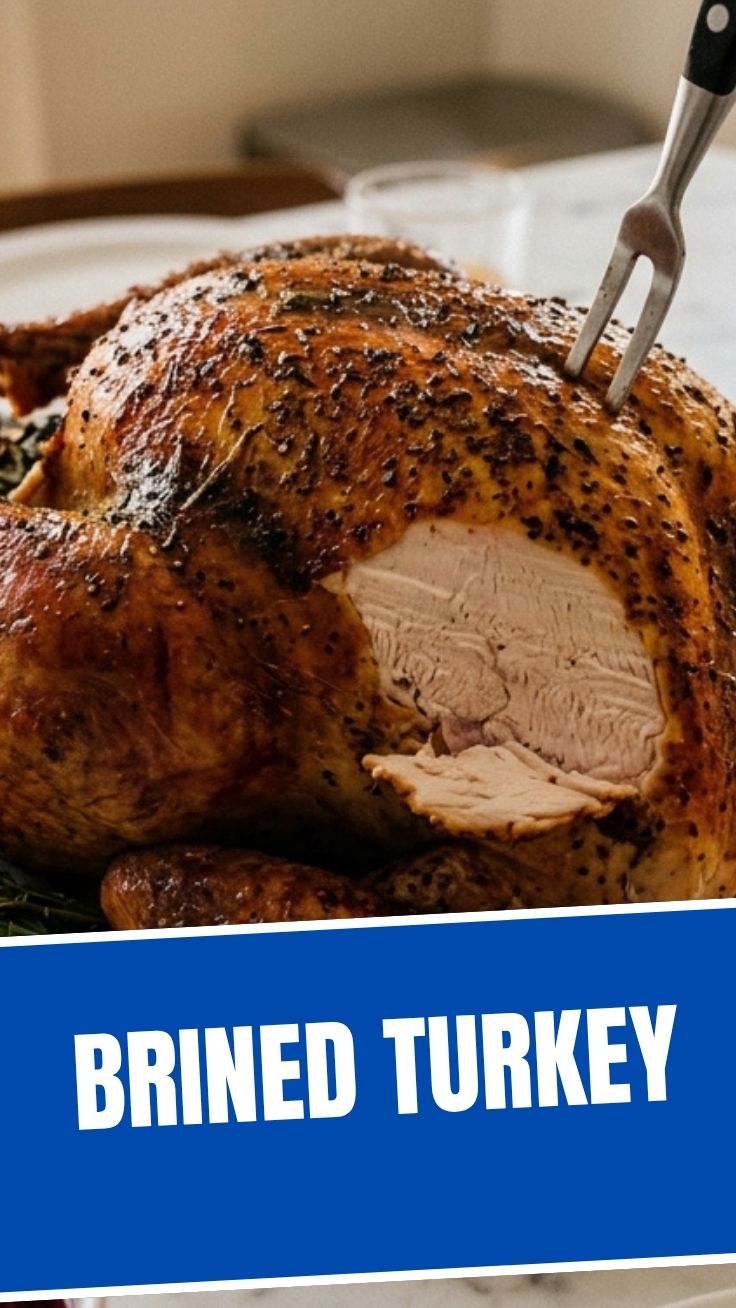
Have you ever pulled a golden-brown turkey from the oven only to find dry, stringy meat on the carving board? The secret to a moist, flavor-packed bird lies in one simple technique: brining. A properly prepared Brined Turkey transforms your holiday centerpiece into a succulent, evenly seasoned masterpiece. Learning to make a Brined Turkey at home not only saves money but also gives you complete control over flavor and texture. In this guide, we’ll walk you through every step, from the science of Wet Brining to the perfect roasting method. Whether you’re a novice or a seasoned cook, mastering this Brined Turkey recipe will elevate your holiday table.
Ingredients & Kitchen Tools
For the Brine (Wet Brining)
– 1 gallon cold water
– 1 cup kosher salt (do not use table salt—it’s too fine and can over-salt)
– ½ cup brown sugar (adds subtle sweetness and helps browning)
– 2 tablespoons black peppercorns
– 4 cloves garlic, smashed
– 3 sprigs fresh rosemary
– 3 sprigs fresh thyme
– 1 lemon, halved (optional, for brightness)
For the Turkey
– 1 whole turkey (12–14 lbs), thawed completely
– 2 tablespoons olive oil or melted butter (for moisture and crisp skin)
– 1 teaspoon black pepper
– Optional: fresh herbs (sage, parsley) for stuffing the cavity
Kitchen Tools
– Large stockpot or food-grade bucket (big enough to submerge turkey)
– Brining bag (heavy-duty, leak-proof) or a clean garbage bag
– Roasting pan with rack
– Meat thermometer (digital instant-read is best)
– Turkey baster (optional)
– Aluminum foil
Substitutions
– Use apple cider instead of water for a fruity brine.
– Replace brown sugar with honey or maple syrup.
– For a dry brine, skip the water and rub salt mixture directly on the bird.
Prep Time & Cooking Schedule
| Phase | Time | Notes |
|——-|——|——-|
| Thawing (if frozen) | 24 hours per 5 lbs | In refrigerator, never at room temp |
| Brining | 12–24 hours | Longer = saltier; 12–14 hours ideal |
| Resting after brining | 30 minutes | Rinse and pat dry thoroughly |
| Roasting | 3–4 hours (12–14 lb bird) | Use 325°F oven |
| Resting after roasting | 20–30 minutes | Tent with foil to retain heat |
Plan ahead: Start brining the evening before your meal. The turkey needs to sit in the brine for at least 12 hours, so schedule accordingly. This timeline ensures the Brined Turkey is ready when guests arrive.
Step-by-Step Instructions
1. Prepare the brine. In a large pot, combine water, kosher salt, brown sugar, peppercorns, garlic, and herbs. Heat until salt and sugar dissolve, then let cool completely (ice cubes help speed this up).
2. Submerge the turkey. Place the turkey in a brining bag or stockpot. Pour the cooled brine over the bird, ensuring it’s fully covered. Add more water if needed. Seal the bag and refrigerate for 12–24 hours.
3. Rinse and dry. Remove turkey from the brine. Rinse it inside and out with cold water to remove excess salt. Pat bone-dry with paper towels—this is critical for crispy skin.
4. Season and stuff. Rub the turkey with olive oil and black pepper. Stuff the cavity with fresh herbs and lemon halves (optional).
5. Roast. Place turkey on a rack in a roasting pan. Roast at 325°F. Baste every 45 minutes with pan drippings. Cook until the thickest part of the thigh reaches 165°F.
6. Rest and carve. Let the turkey rest for 20 minutes before carving. This allows juices to redistribute, ensuring each slice of Brined Turkey is moist and tender.
During the brining process, the Wet Brining method infuses the meat with flavor and moisture, making it nearly impossible to overcook—as long as you follow the temperature guide.
Nutritional Benefits & Advantages
Brining does more than boost flavor—it can make your turkey healthier. By using a Wet Brining solution, you reduce the need for added fats or salty sauces during cooking. The brine encourages the meat to retain water, which means you get a naturally juicy bird without drowning it in butter. Turkey is already a lean source of protein, rich in B vitamins, selenium, and tryptophan. A properly Brined Turkey also has less sodium per serving than many store-bought marinated birds because you control the salt level. Plus, the herbs and spices add antioxidants without extra calories.
Tips Variations & Cooking Advice
– Flavor swaps: Add star anise, cinnamon sticks, or orange peel to the brine for a holiday twist.
– No-brine shortcut: Use a dry brine (salt rub, refrigerate uncovered for 24 hours) for same moisture benefits with less mess.
– Gluten-free: The recipe is naturally gluten-free; just double-check your spice blends.
– Dairy-free: Use olive oil instead of butter.
– Smaller portions: Apply the same Wet Brining technique to turkey breasts, legs, or Cornish hens.
– Smoked turkey: After brining, smoke the bird at 225°F for 4–5 hours instead of roasting.
Common Mistakes to Avoid
– Skipping the rinse: Residual brine can make the bird unbearably salty. Always rinse thoroughly.
– Brining too long: More than 24 hours turns the meat mushy and overly salty. Stick to 12–14 hours for most birds.
– Not drying the skin: Moist skin steams instead of crisps. Pat dry with paper towels and let it air-dry in the fridge for an hour if possible.
– Using table salt: Its fine grains dissolve quickly and can over-salt. Always use kosher salt.
– Opening the oven too often: Each peek lowers the temperature and extends cooking time. Use a probe thermometer to monitor without opening.
Storage & Meal Prep Tips
– Refrigeration: Store leftover Brined Turkey in an airtight container for up to 4 days.
– Freezing: Slice the meat, wrap tightly in plastic wrap and foil, or use a vacuum sealer. Freeze for up to 3 months.
– Reheating: To maintain moisture, reheat in a covered dish with a splash of broth at 300°F until warmed through (about 15 minutes). Avoid microwaving—it toughens the meat.
– Meal prep: Use leftover turkey in soups, salads, sandwiches, or casseroles. The brined meat stays flavorful even after reheating.
Conclusion
A Brined Turkey is the ultimate showstopper for any festive gathering. By taking the time to master Wet Brining, you guarantee a bird that’s juicy, tender, and packed with flavor from the inside out. Whether you’re hosting Thanksgiving, Christmas, or a simple Sunday dinner, this technique delivers consistent results every time. Try this recipe, share your success on social media, and explore more holiday classics on our blog. Remember, the secret to a perfect turkey starts with the brine—and now you have all the tools to make it happen.
FAQs
1. Can I brine a frozen turkey?
No, the turkey must be fully thawed before brining. Thaw in the refrigerator (24 hours per 5 lbs). Never brine a partially frozen bird.
2. How long should I brine a turkey?
For a 12–14 lb turkey, 12–14 hours is ideal. For smaller birds (10–12 lbs), 10–12 hours works. Don’t exceed 24 hours.
3. What if I don’t have a brining bag?
Use a clean food-grade bucket or a large stockpot. Ensure the turkey is fully submerged by placing a heavy plate on top.
4. Can I reuse the brine?
No, discard the brine after use. It contains raw turkey juices and bacteria that can cause foodborne illness.
5. My turkey skin is still pale after roasting. How do I fix that?
Increase oven temperature to 400°F for the last 20 minutes, or brush the skin with melted butter and broil briefly. Dry skin before roasting is key.
—
Ready to impress your guests? Start your brine tonight and enjoy the most succulent turkey you’ve ever made.
Best way to grow a 12 lb Brined Turkey
Ingredients
Equipment
Method
- If your turkey is not pre-brined, prepare a brine by dissolving salt and sugar in warm water, then adding peppercorns, bay leaves, and herbs. Allow the brine to cool completely before submerging the turkey.
- Brine the turkey for 12-24 hours in the refrigerator, ensuring it is fully submerged. Remove the turkey from the brine, rinse thoroughly under cold water, and pat it completely dry with paper towels.
- Preheat your oven to 325°F (160°C). Place the dried turkey on a roasting rack in a shallow roasting pan.
- Roast the turkey for approximately 2.5 to 3 hours, or until a meat thermometer inserted into the thickest part of the thigh registers 165°F (74°C).
- During the last 30 minutes of cooking, you may baste the turkey with pan drippings or a butter mixture to promote browning. If the skin is browning too quickly, loosely tent the turkey with foil.
- Once cooked, remove the turkey from the oven and let it rest, loosely tented with foil, for at least 20-30 minutes before carving. This allows the juices to redistribute, resulting in a more tender and moist turkey.